GUM Market: Yerevan's Covered Market With a Soviet Name
If you know GUM from Moscow, you picture a glass-roofed palace on Red Square with an ice rink out front in winter. Yerevan's GUM sits far to the south under Ararat and sells dried apricots, cheese out of a clay pot and sorrel braided like hair. All they have in common is three letters.
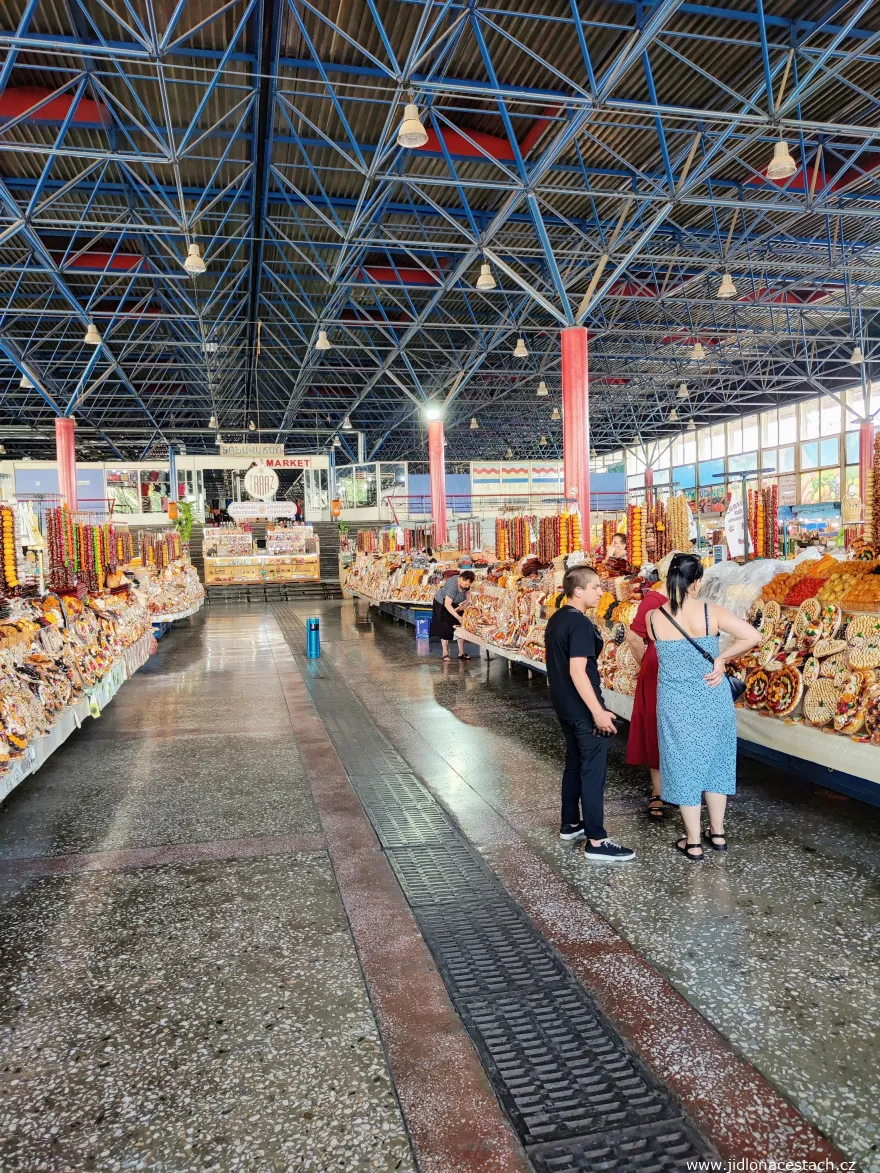
GUM Market (Armenian ԳՈՒՄ շուկա) is a covered market in central Yerevan on Movses Khorenatsi Street, where most of what Armenian cuisine dries, pickles and leaves to age comes together under one roof.
Why Yerevan's Market Is Named After a Moscow Department Store
In the Soviet Union the abbreviation GUM stood for Gosudarstvennyi universalnyi magazin, the state universal store: that was the name given in 1921, on Lenin's orders, to the trading rows on Red Square. The reading Glavnyi, main, only caught on after the renovation in the 1950s, and the Moscow store uses it in its advertising today, so not even Moscow agrees on what the first letter stands for. In Yerevan, as far as the available sources go, the GUM state department store stood exactly where the market is today: it closed after the Soviet Union broke up, food sellers moved into the building and the name stayed hanging above the entrance. Local websites sometimes claim the market is simply named after the shop next door; at least both versions agree that the name is borrowed. Guidebooks like to add that the other GUMs disappeared after 1991 and the Yerevan one survived. That isn't true. The Moscow store is still trading and nobody closed the one in Minsk either. They all survived; Yerevan's is just the only one that turned from a department store into a market.
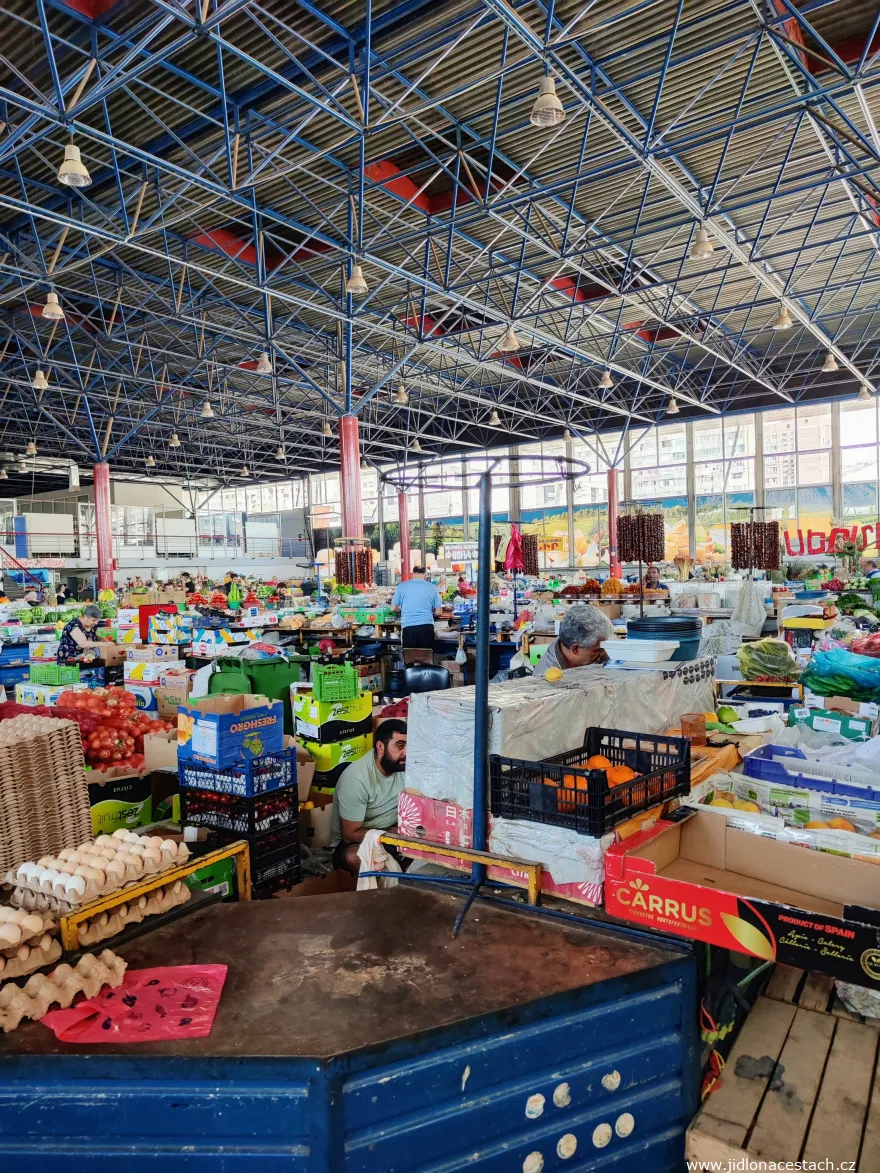
Yerevan had a covered market before this one, in a different part of town. Pak shuka, literally the closed market, on Mashtots Avenue, opened in 1952, is a protected monument and today has a shopping center inside it; some of its traders are said to have moved over to GUM. GUM is neither the oldest nor officially the biggest market in Yerevan, whatever the travel sites say; but if you're in the center, this is where you come to shop. It opens daily around eight in the morning and closes around six in the evening.
What GUM Sells: Apricots, Sujukh and Cheese From a Clay Pot
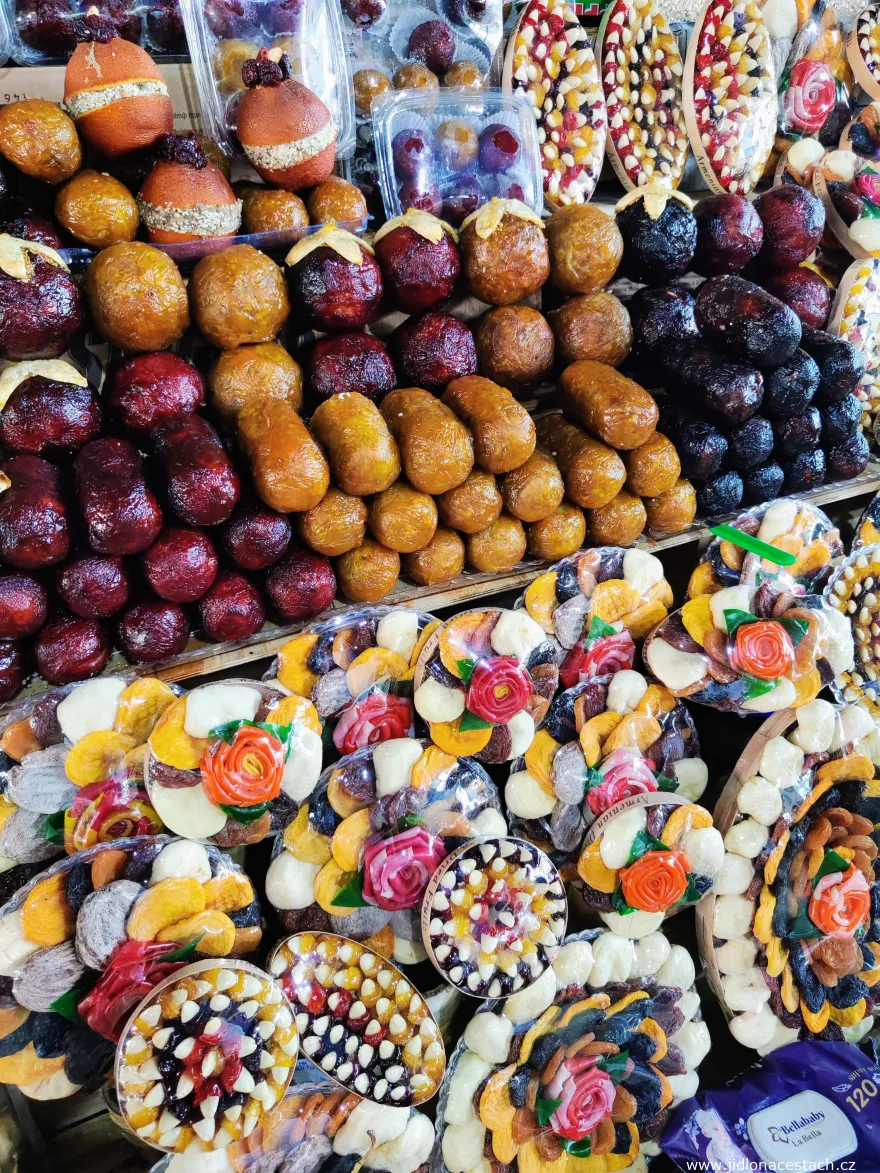
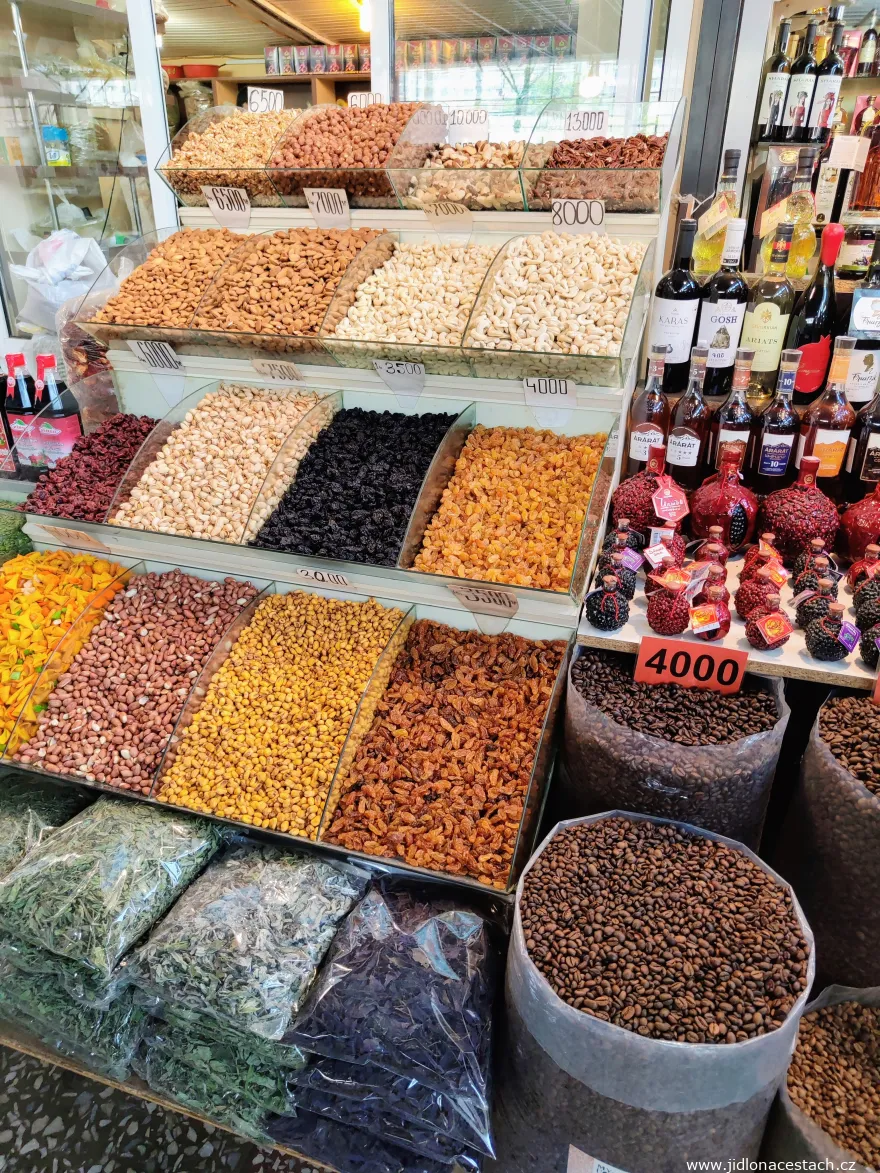
The front of the hall belongs to dried and candied fruit, nuts and spices. Above the counters hangs sujukh, known by its older name sharots: walnut halves threaded on a string and dipped again and again in thickened grape juice with flour, cinnamon, cloves and cardamom, then dried in the sun for ten to twelve days. It's a treat found across the whole South Caucasus: Georgian churchkhela is made without spices and with a firmer coating, Georgia registered it as a traditional dish of its own in 2011, and Armenia has at least the sweet sharots of Ashtarak on its intangible heritage list. Next to it lie dried Armenian apricots, the fruit with Armenia in its Latin name, even though most of the world's dried apricots now come from Malatya in Turkey. The tags on the nuts read 6,500 to 8,000 AMD (15.20 - 18.80 EUR) a kilo, and since almost everything here is sold by weight, it pays to ask the price before the seller starts scooping: dried goods weigh more than you'd guess from the volume.
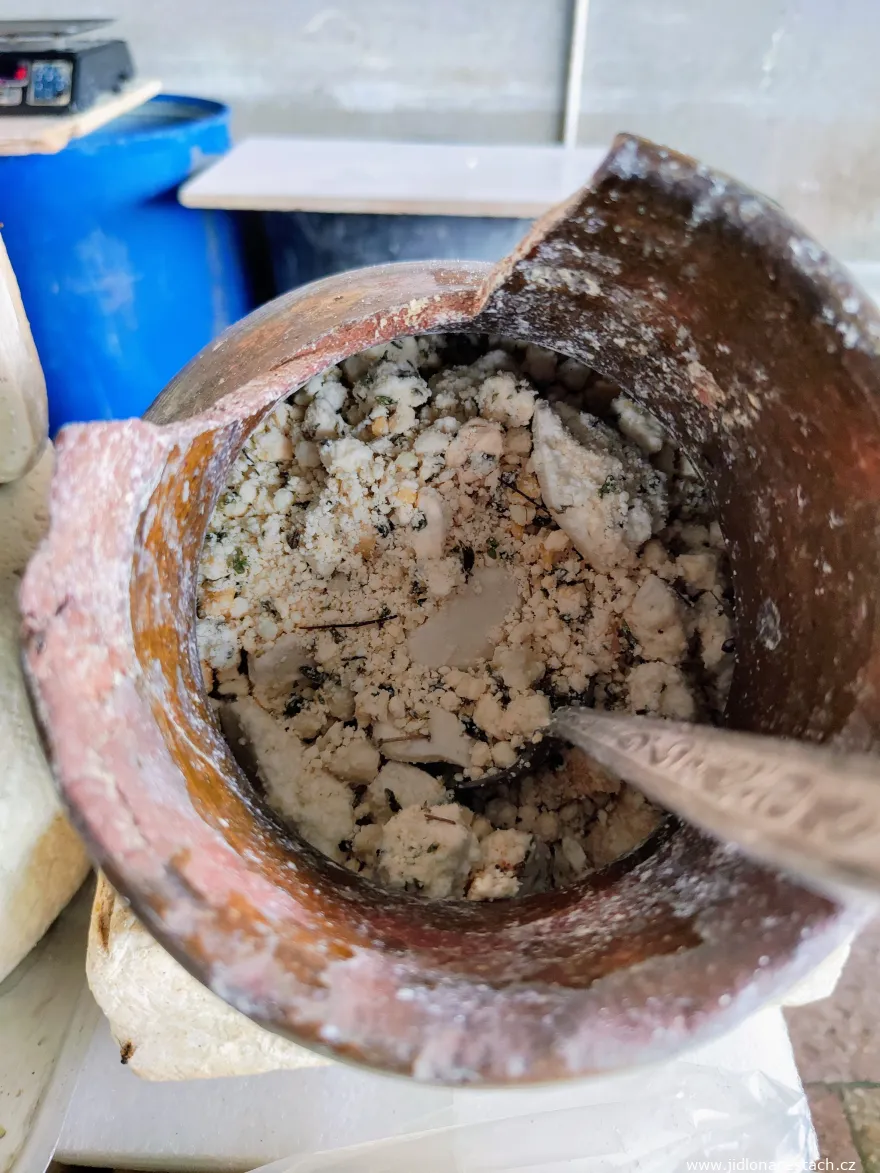
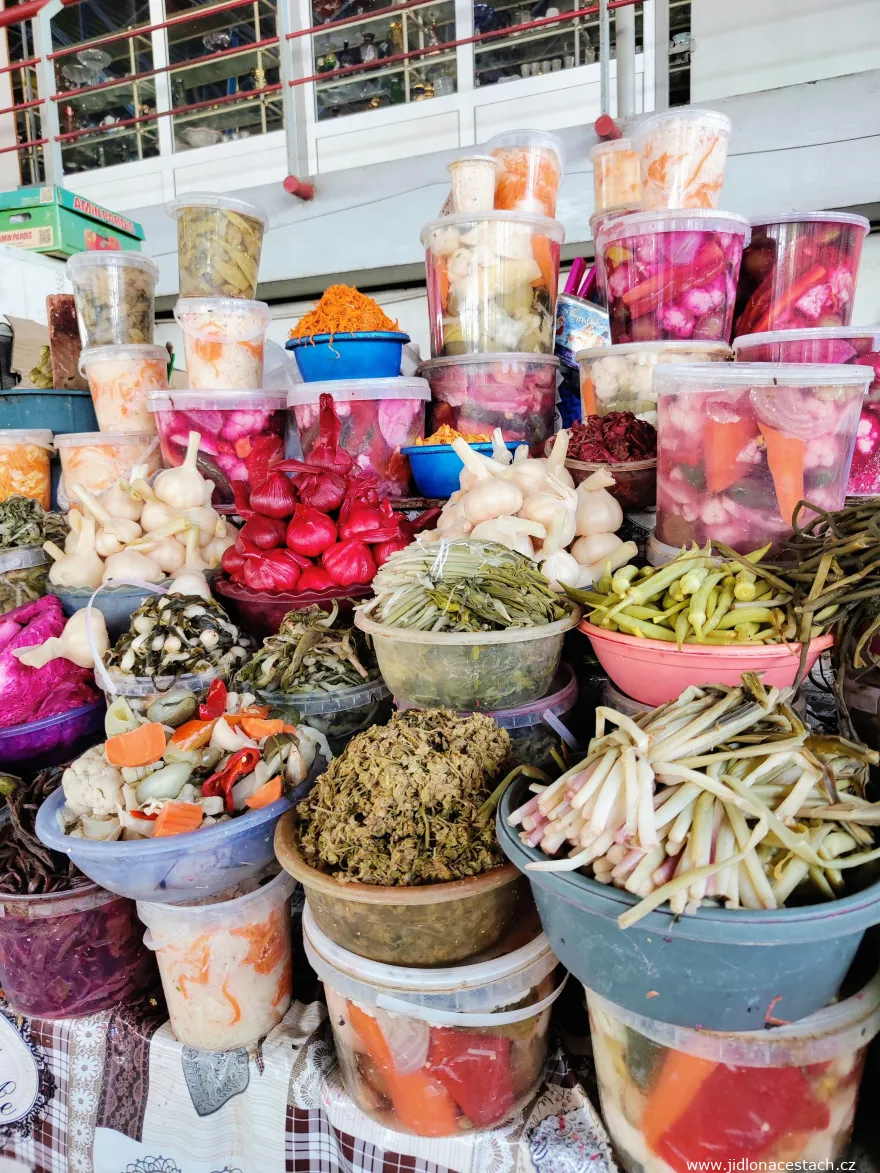
Further into the hall come the meat, fish and cheese counters. This is where the clay pots of horats panir stand, literally buried cheese: salted cheese is mixed with mountain herbs, sealed into a vessel and left to age in the ground for months, every region doing it a little differently; in Kurdistan a similar motal ages in a sheepskin. A little further along hangs basturma, beef air-dried under a fenugreek paste, and beside it stand tubs of pickled vegetables, from pink cabbage through garlic to little onions in a red brine - Armenia shares basturma with the whole of the former Ottoman world, but the cheese in the clay pot is all its own.
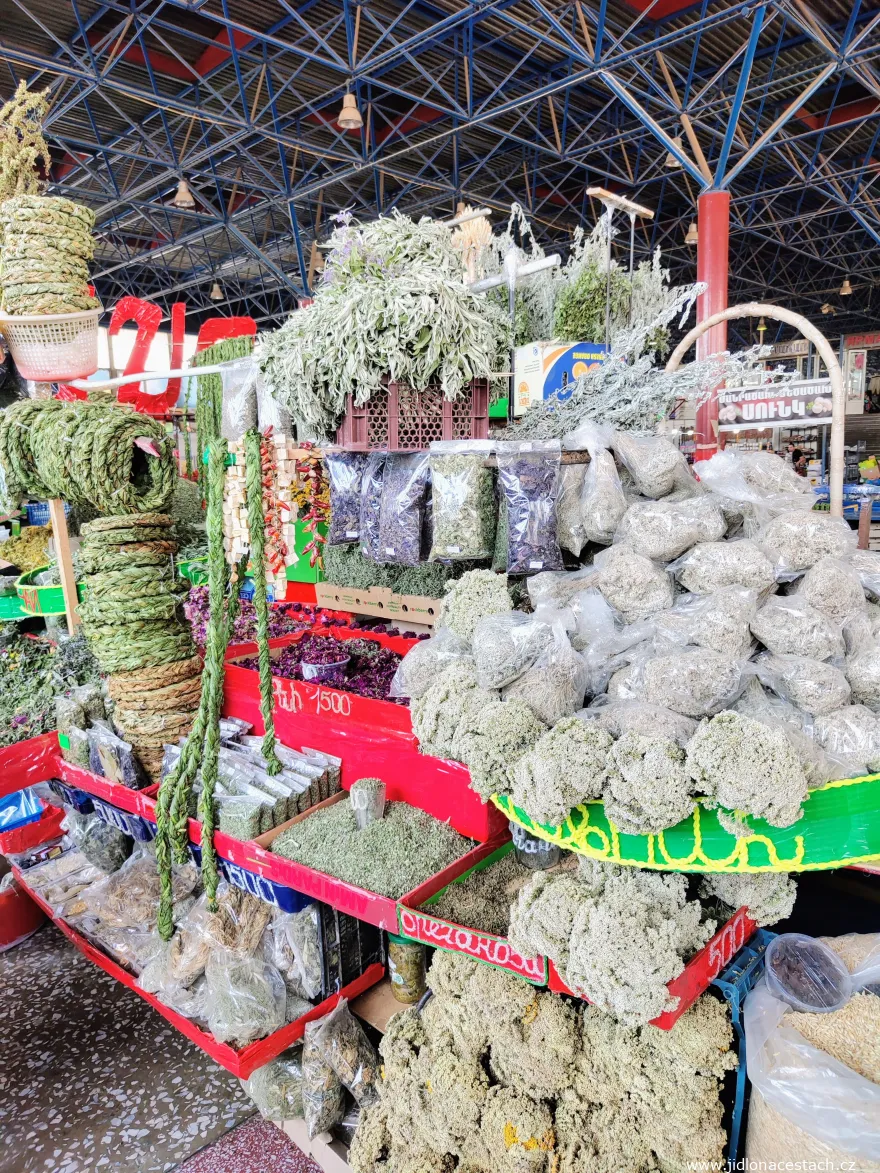
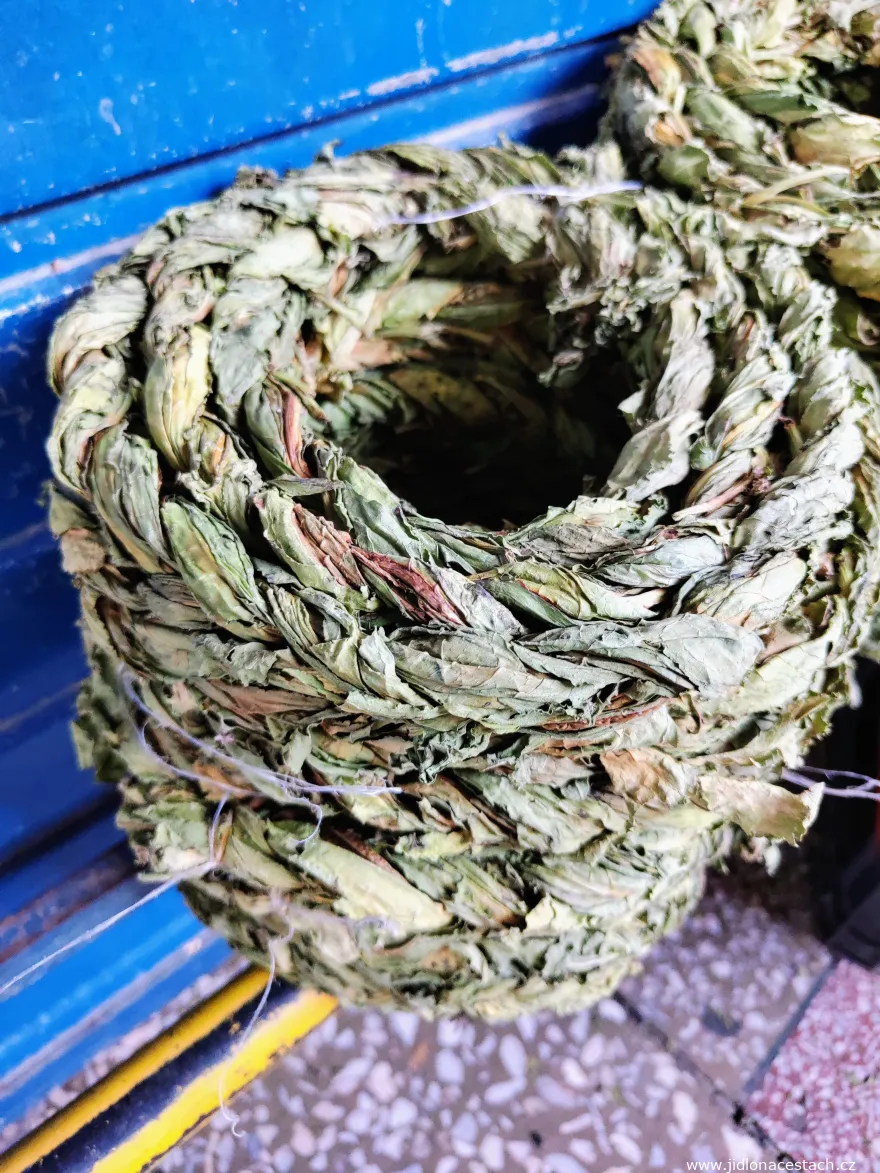
In the last aisles hang dried herbs for tea, wild mint chief among them, and braids of aveluk, the wild sorrel that's dried plaited like hair and soaked overnight before cooking. Back home in Czechia we dried linden blossom on newspaper; here they dry whole hillsides and braid them so they can hang on a hook.
How to Shop at GUM
The sellers offer you a taste and want nothing for it; it works the same way in Tbilisi and at the other Caucasian markets. Prices run below supermarket prices, but you pay cash: when I was there nobody took a card, and although card terminals have spread across Yerevan since, you're safer heading to the market with drams in your pocket. The best time to come is the morning, when the stalls are full.
Thirty-Seven Degrees Between the Stalls
I came to GUM on a day when Yerevan was sitting at around 37 degrees, and I wasn't in any hurry to taste unfamiliar things; the hall at least gave some shade. I walked the whole of it, from candied fruit wrapped in cellophane to a pot of cheese with a spoon sticking out of it. In that heat I bought nothing, and the wild mint tea I ended up bringing home came packaged, 680 AMD (1.60 EUR) for 35 grams (see What to Bring Back from Armenia). Even so, it's the cheapest tour of Armenian cuisine Yerevan has to offer: free entry, free tasting too. I left the horats panir for next time. A cheese that has survived months underground can wait a few years for me.
GUM Market


