Lavash Restaurant: Armenian Cuisine in Yerevan with Its Own Farm
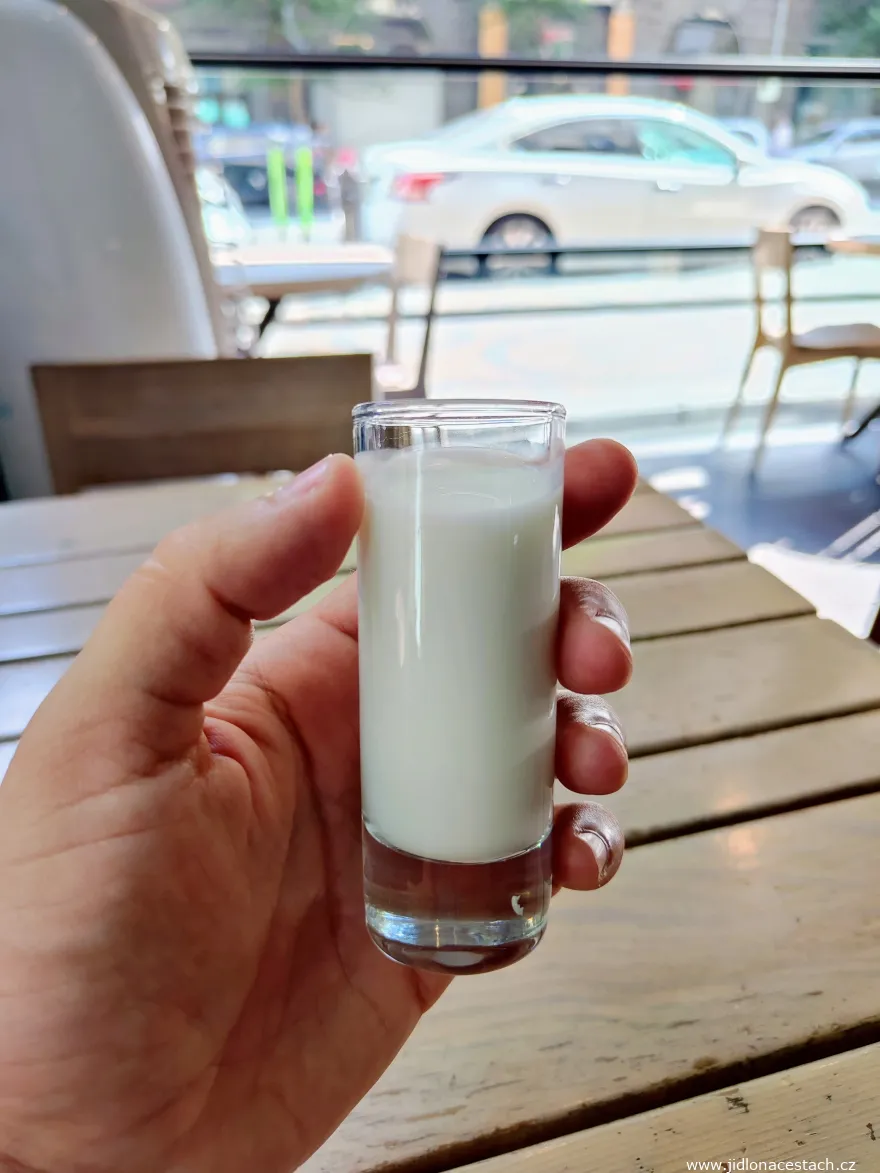
Breakfast at Lavash starts with something nobody ordered: a glass of milk straight from the cow. It comes on its own, no coffee and no jug, a gift from a restaurant whose cows graze on its own farm far outside the city. Everything else worth saying about this place is really just that glass, at greater length.
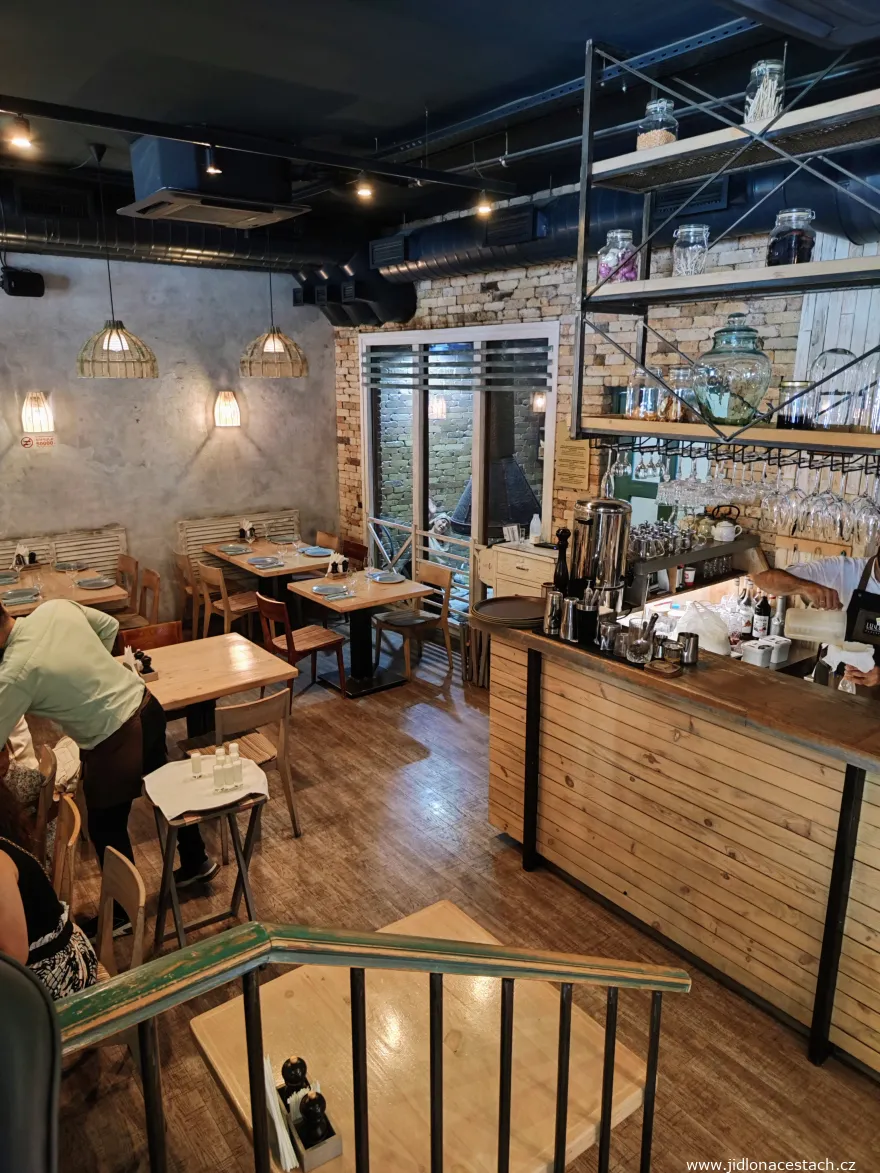
Lavash (Armenian: Լավաշ) is an Armenian restaurant on Tumanyan Street in central Yerevan, where Armenian cooking is served with a modern twist and where most of what reaches the plate comes from farms belonging to the same owner. I ate here more often than anywhere else in Yerevan, and I still never got to the end of the menu.
A Restaurant Named After Bread
The name comes not from the owner or the street, but from bread. Lavash is a thin bread baked against the wall of a clay oven called a tonir, and since 2014 it has been on the UNESCO list of intangible heritage. The sign above the door is backed up one floor below: downstairs there's a tonir of the restaurant's own, lavash and other breads are baked in it, and guests are welcome to watch, or to carry a warm flatbread away with them. The man behind it is restaurateur David Yeremyan, whose group Yeremyan Projects started out with the Tavern Yerevan chain and opened Lavash in April 2017 as its third project. Today it runs more than ten concepts, and if somebody in Yerevan recommends Sherep on Republic Square as an alternative to Lavash, you're only leaving your money in a different pocket of the same owner.
From Seed to Table, From Cow to Glass
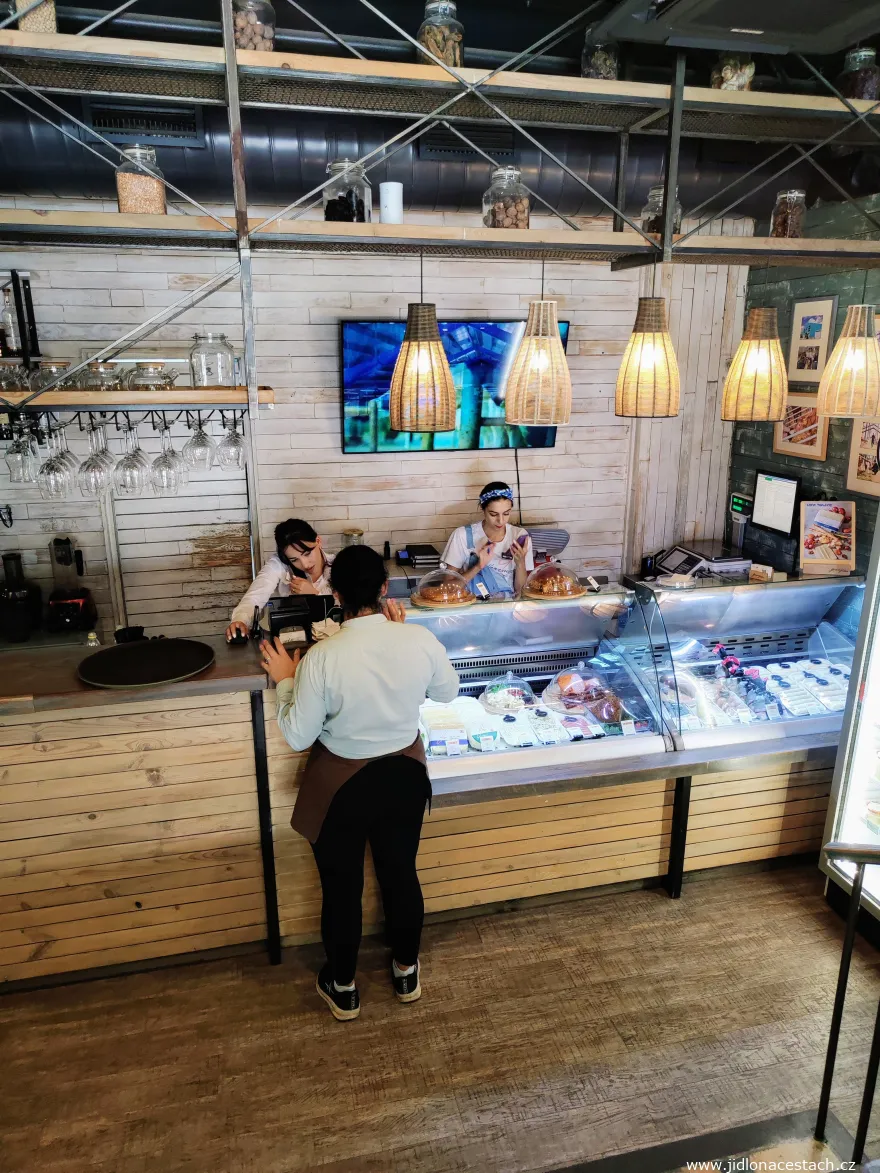
In Europe, "farm to table" is a label that any bistro with a single herb bed will hang on its door. Yeremyan Projects took it literally: they raise their own cattle in Vayots Dzor, they run a dairy and a meat-processing plant, and they've taken the slogan a step further, to "from seed to table". At Lavash you see it in a small shop where cheeses, cured meats and ready-made tolma from their own production sit behind glass, and in that glass of milk at breakfast. It tasted fuller and sweeter than anything out of a carton, like milk straight from a farmer's churn. The group also holds two entries in the Guinness Book of Records: the world's largest gata, 368.6 kilograms and 60 meters, made for Yerevan's 2,800th anniversary in 2018, and 7,469 people drinking a glass of milk at the same time. Both belong to the group, not to the restaurant. At Lavash the milk is drunk one glass at a time.
What to Order at Lavash and How to Get a Table
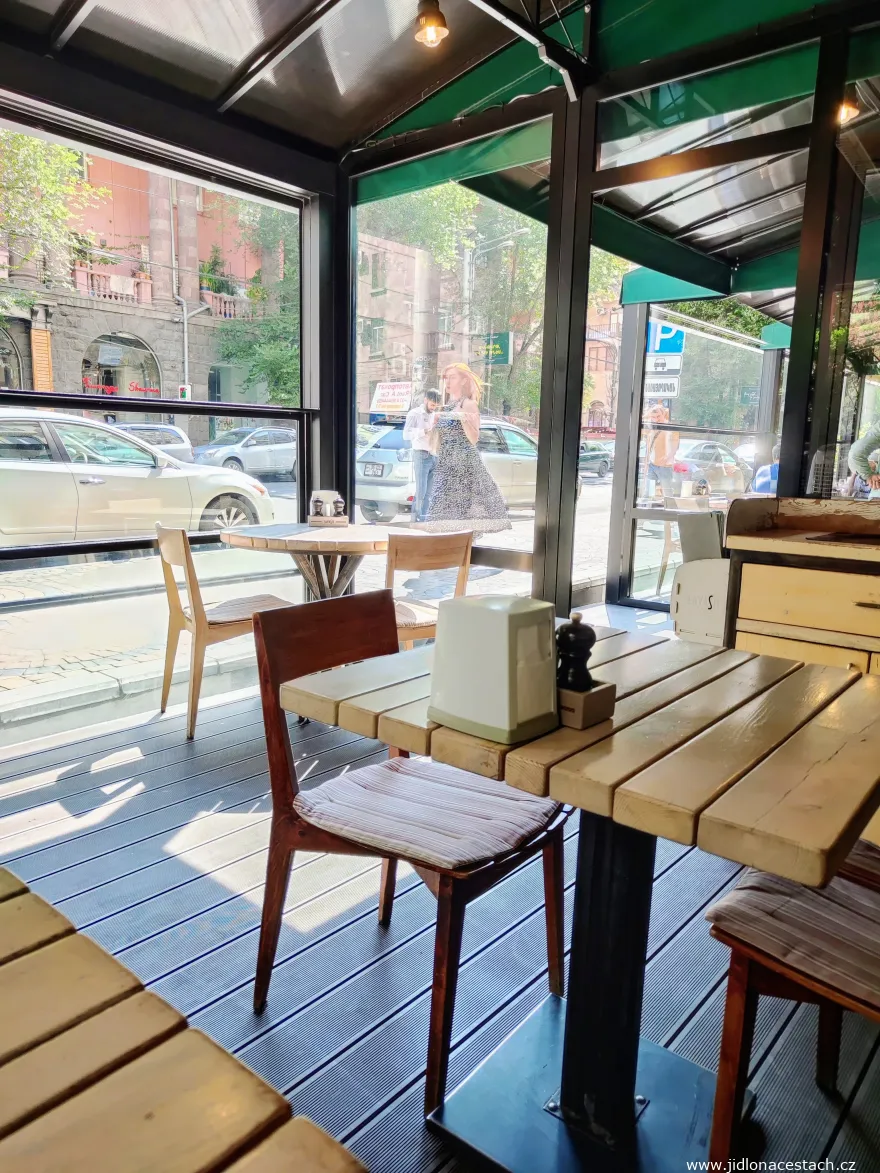
The menu is a catalog of Armenian cooking and I worked my way through most of it during my stay. The best khorovats of my whole trip was here, the pork ribs, and right behind them tolma made from beef tenderloin, so tender there wasn't a fiber left in the meat. Then chicken harissa with butter melting in a well in the porridge, six eggplant rolls of voloran, roasted arishta noodles ordered on their own, stuffed pumpkin ghapama, nraneh, a lamb soup with pomegranate juice you'll hardly find anywhere outside this group's places, grilled eggplant brought out whole with a knob of butter, homemade tan in a glass, and for breakfast an omelet with basturma. At 4,200 AMD (10 EUR) the ribs were the priciest dish; everything else fit between 400 and 2,800 AMD (1-6.80 EUR); a third of a liter of Ararat beer cost 1,000 AMD (2.40 EUR), almost twice what they charge for the same beer at Anteb across town. There are two floors and a covered terrace that in summer shields you from the Yerevan sun and from the storms that roll in most afternoons. Breakfast is the only time of day you'll get a table without booking; for lunch and dinner, call a day in advance - and no sooner than that. A 10% service charge goes on the bill automatically, cards are accepted, and some of the staff speak English.

Breakfast, Dinner and One Expensive Cocktail
Over my days in Yerevan I had both breakfast and dinner at Lavash. In the morning an omelet with basturma for 2,000 AMD (4.80 EUR) and the glass of milk nobody ordered; in the evening a whole run of dishes and, once, a cocktail. It was called Nrneni, Armenian for the pomegranate tree: gin, tonic, freshly squeezed pomegranate juice and pomegranate syrup, lemon and a mint leaf. The pomegranate led, sour and faintly bitter, the gin spoke up behind it, and the tonic drew the flavor out long; on a hot summer evening it was exactly what I needed. It cost 5,500 AMD (13.20 EUR), more than the best ribs that ever came to my table in Armenia. Drinks at Lavash are expensive; the food isn't. It was the food I kept coming back for.
Lavash Restaurant


