L'Aventure du Sucre: A Sugar and Rum Museum in Pamplemousses
At the end of the tour, a row of glass jars of sugar sits on a counter with a spoon beside them. Twelve jars, twelve shades of brown, from near-white to the color of wet earth, and a label on each one explaining in French what exactly is glinting inside. That's the moment you understand how the museum got its name.
L'Aventure du Sucre, literally The Adventure of Sugar, is a museum in the former Beau Plan sugar mill in Pamplemousses in northern Mauritius: the old mills in the original hall, the story of sugarcane on the island, and a tasting of sugars and rums at the end. Sugar built the island and it built Mauritian cuisine, and this is the place where you can take that in over a single morning.
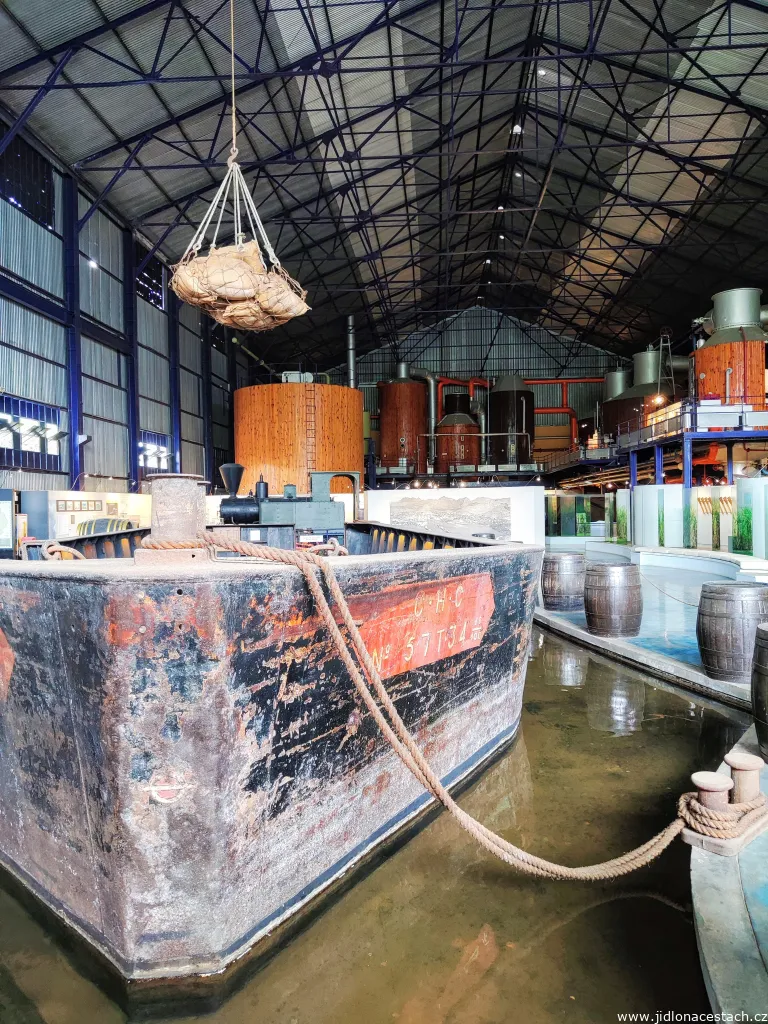
The Beau Plan Sugar Mill and the Year It Didn't Rain
The mill had been grinding here since 1797, and after two centuries it wasn't machinery from rival factories or cheaper sugar from elsewhere that stopped it. Beau Plan closed in 1999, after a season with no rain, and three years later the hall opened as a museum. A bigger story was playing out around it: in the nineteenth century the island had 259 sugar mills running, today three or four are left, and sugar accounts for just a few percent of the Mauritian economy. Cane still covers about a quarter of the island, though, so île sucrière, the sugar island, is a name Mauritius keeps.
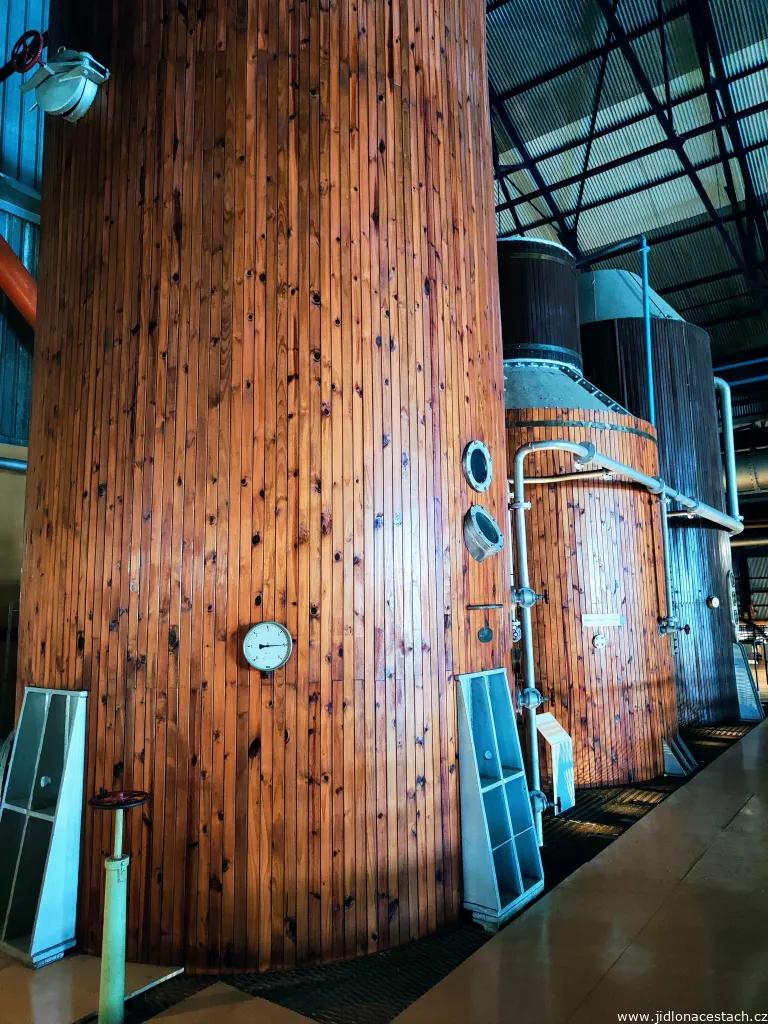
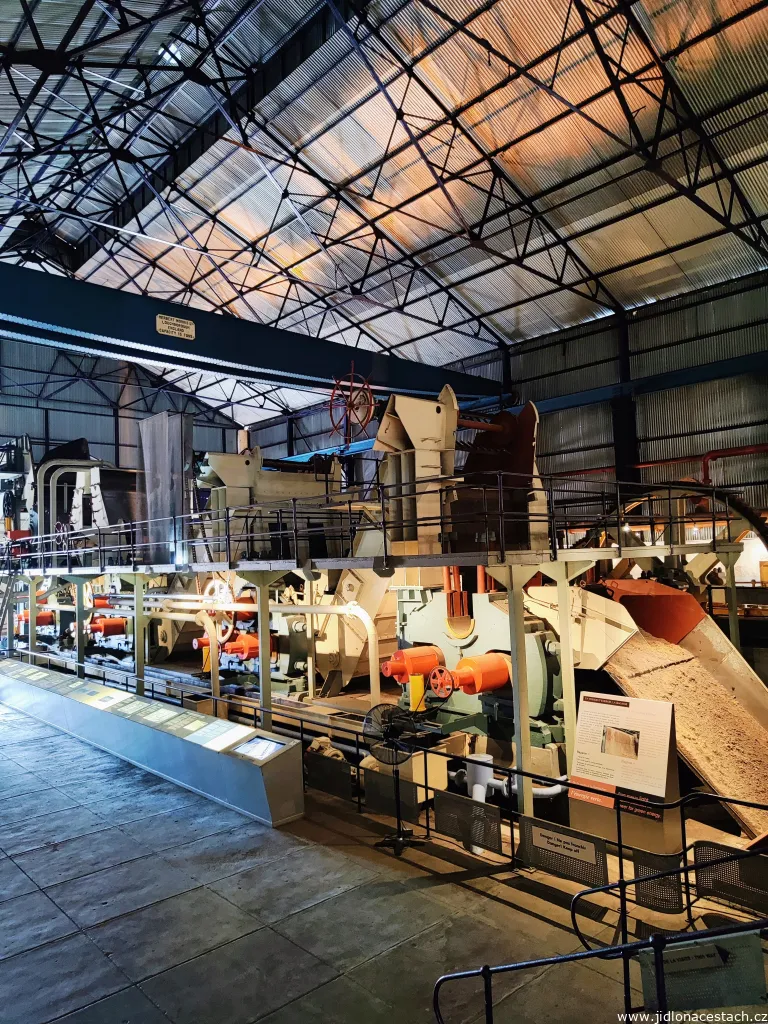
The exhibition runs to ten sections across five thousand square meters and starts in 1639, when the Dutch brought the first cane to the island, back then for the rum. The largest exhibits were never moved: the roller mills that crushed the cane and the steam engine stand where they stood when juice last boiled inside them. Panels between the machines tell you who worked the fields, first slaves and, after abolition, indentured laborers from India, and the museum doesn't gloss over the burning of the fields before harvest, which strips the leaves off the stalks and disrupts the wildlife around them. The captions are in French and English, and there are so many of them that the tour takes anywhere from forty-five minutes to three or four hours, depending on how many you read.

Eighteen Shades of Brown and Rum from Molasses
Back home in Czechia, sugar comes from beets and nobody travels to admire it: white, sweet, end of story. Mauritius went the other way. It's one of the world's leading exporters of unrefined "special sugars", sugars that keep part of their molasses, and it ships around 155,000 tons of them abroad every year, much of that to Europe. The marketing calls it "eighteen shades of brown", which sounds like the title of a novel but it's a fair description: the pale crystals of demerara taste nothing like dark, damp muscovado, and between them lies a whole range that refineries elsewhere in the world deliberately strip away.
The second product of the cane stands right next to it in the hall. Molasses, the thick residue left after the sugar is boiled off, has been turning into rum in Mauritius ever since the Dutch, and the museum pours New Grove from the Grays distillery, which belongs to the same estate and the same owner, the Terra group. It's a molasses rum, a different school from rum distilled out of fresh cane juice, the kind Rhumerie de Chamarel makes in the southwest of the island. The museum isn't one of a kind, either: on neighboring Réunion they turned a closed sugar mill into Stella Matutina using the same playbook. Sugar museums spring up where the sugar mills have died out.
When to Go to Pamplemousses and What to Combine It With
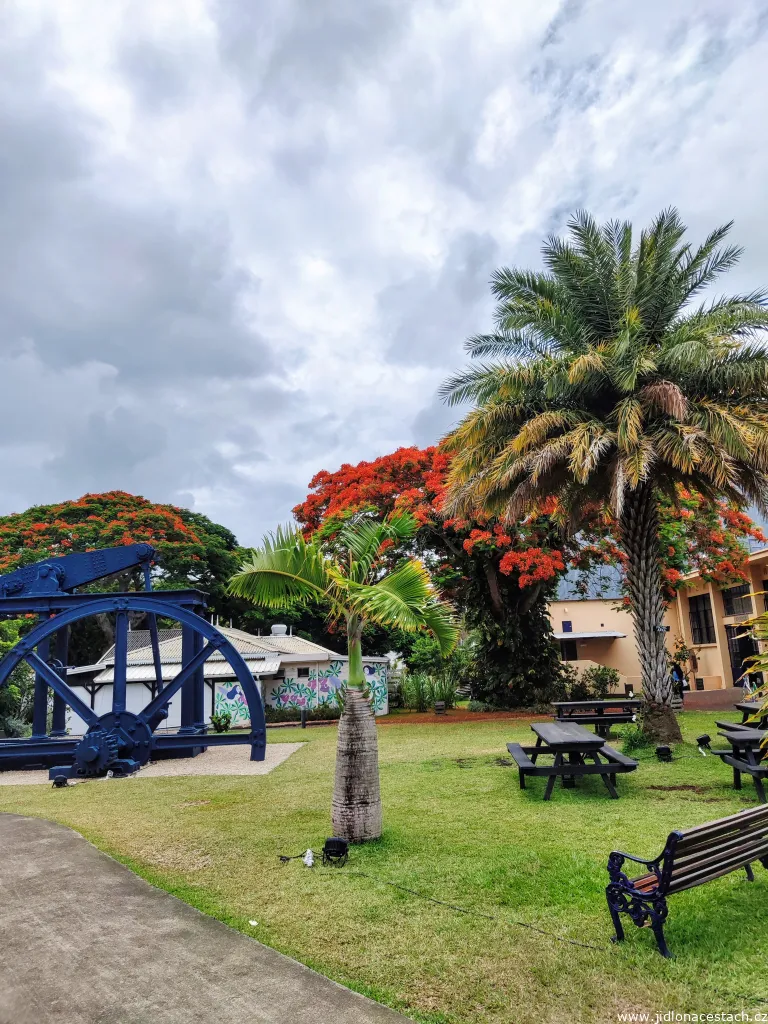
The museum is open Monday to Saturday, closed on Sundays, and the whole exhibition is under a roof, which makes it a good call for a day when it's raining in the north of the island. Less than two kilometers away lie the Pamplemousses botanical gardens, the oldest in the southern hemisphere, though guides like to say the oldest in the world. You can easily do both in one day. Bus number 22 gets you here from Port Louis. There's Le Fangourin Restaurant on the grounds and a shop selling sugars, rums and jams, but if you want to eat cheaply and locally, stop on the way back at Snack du Coin for chicken briani or a bowl of haleem.

The Spoon at the End of the Tour
I paid 575 MUR (11.60 EUR) to get into L'Aventure du Sucre in Pamplemousses, tasting included. After Rhumerie de Chamarel, the New Grove rums were the weaker experience: a basic white, a couple of aged ones, rum-based liqueurs, nothing that won me over. It was the sugar that stopped me. Twelve jars, one spoon and flavors that really do differ: the pale kinds are simply sweet, the darker ones carry caramel, and in the darkest the molasses comes through with a bitter, almost licorice trace, leaving a dampness on your tongue you'd never expect from sugar. There were local jams and honeys to try alongside them. Eighteen shades is what the marketing promises. Twelve were enough to stop me saying "brown sugar" as if it were one single thing.
L'Aventure du Sucre


