The Old Market in Bethlehem: A Morning Souk Under Stone Arches
A few steps from the square where the pilgrim buses pull in, Bethlehem narrows into lanes lit by bulbs strung on wires even in the middle of the day. Instead of souvenirs you find crates of peppers, lemons and potatoes with the soil still on them, and shopping carts weaving between the stalls.
The Old Market (Arabic: السوق القديم, as-Suq al-Qadim) is the everyday marketplace in the historic heart of Bethlehem - the place where Palestinian cooking begins, a few hours before any of it reaches a plate.
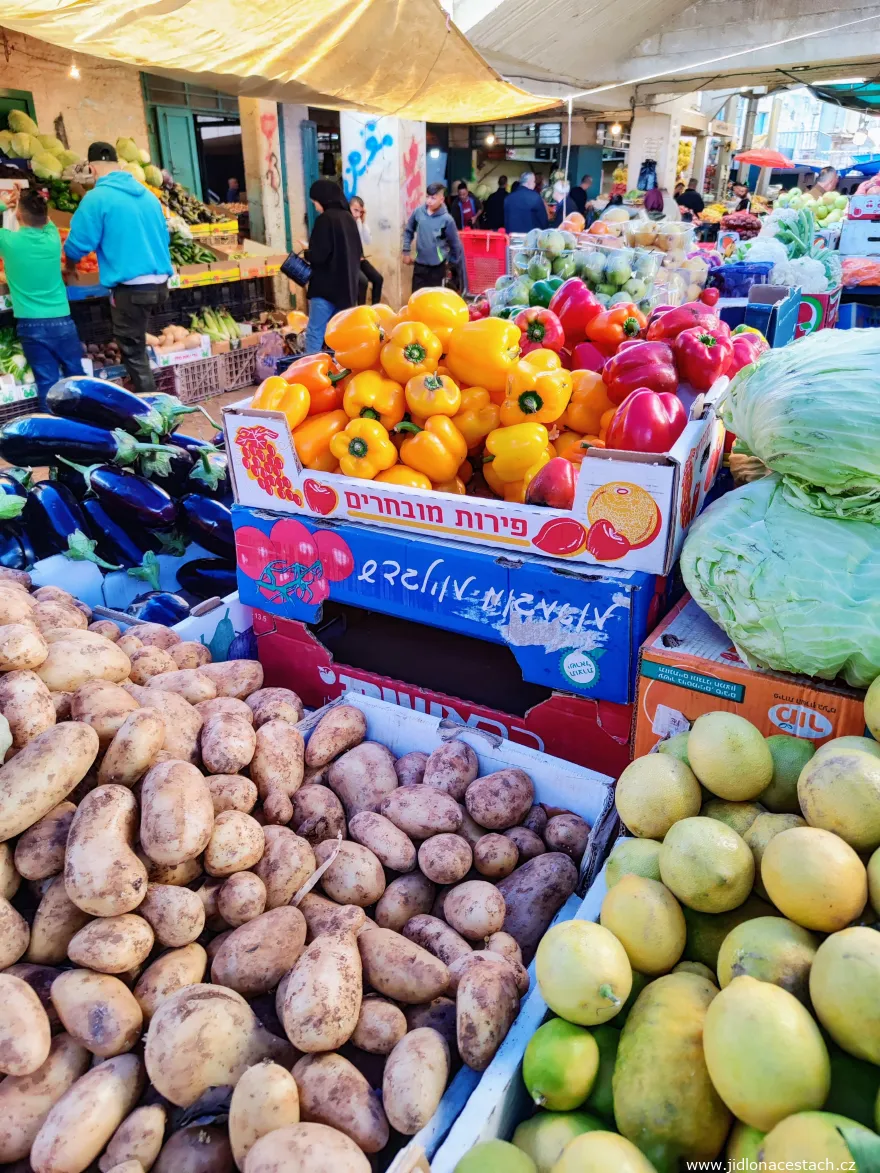
Why It Is Called a Souk and Where It Runs
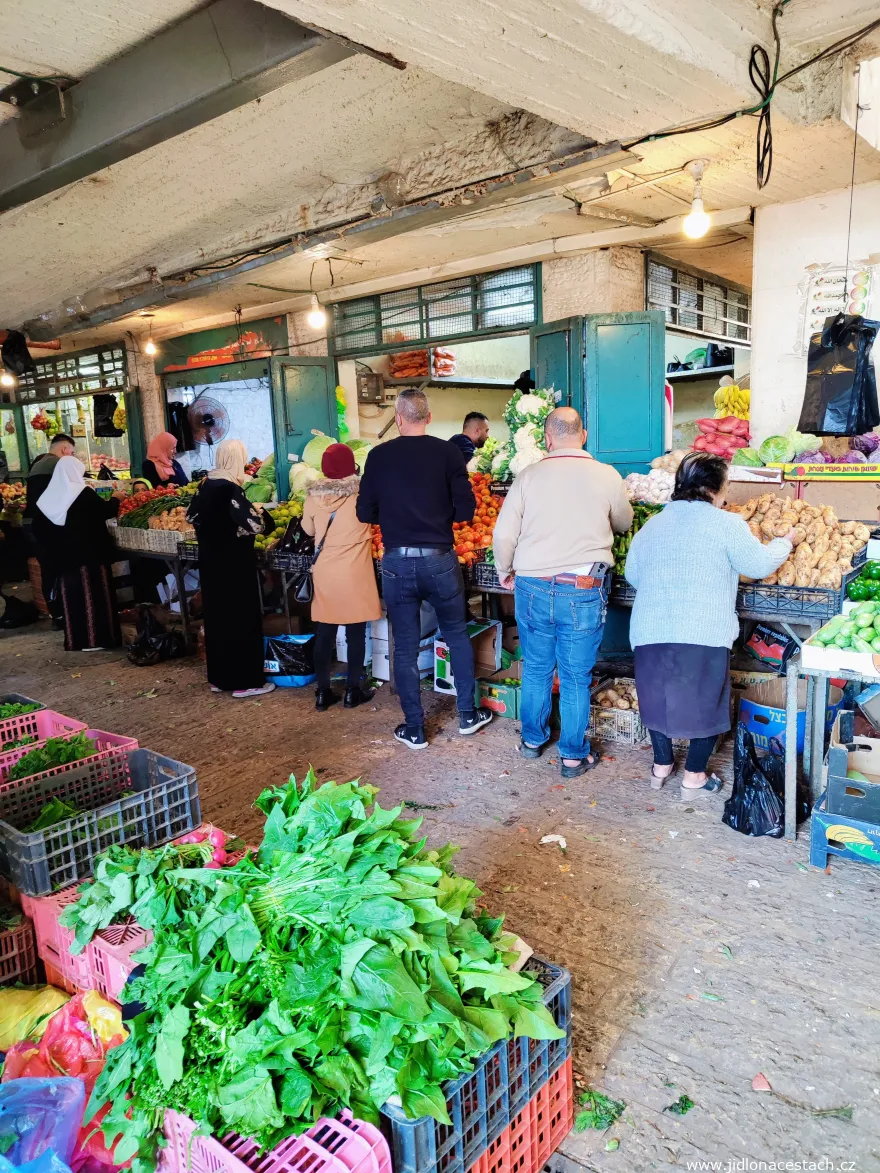
You run into the word souk in every Arab city, and it is older than the shops it stands for today: the Arabic root s-w-q meant to drive. Livestock was once driven to market, and the name stayed with the place long after the animals gave way to crates of vegetables. Bethlehem's souk is one of the more modest ones. Jerusalem, Hebron and Nablus have whole networks of markets divided by trade; Bethlehem has a single winding route. It starts at the end of Al Mdbasseh Street near the monastery and runs through lanes under stone arches all the way to Al Manarah Square, which sits next to Manger Square by the Church of the Nativity.
Where the Produce Comes From
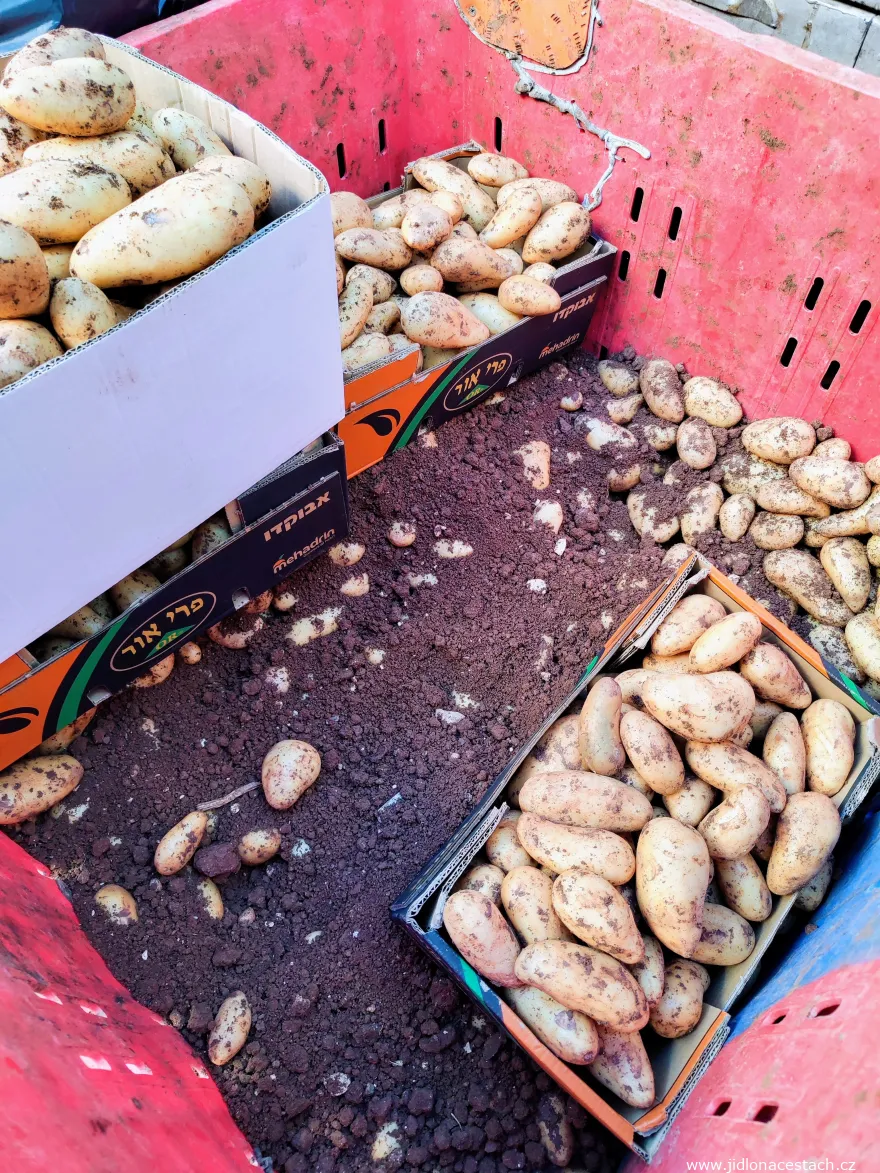
The old quarter around the market grew up in Ottoman times. Its present layout is, according to the Bethlehem municipality, the work of a disaster: the 1927 earthquake brought down most of the shops of the time and the town rebuilt the area afterwards; the most recent renovation gave the market new infrastructure and left the stone facades untouched. The goods, though, still come from where they always have - the villages around Bethlehem. Battir, whose stone terraces have been fed by seven springs for two thousand years, has been on the UNESCO World Heritage List since 2014 for its farmed landscape, and neighboring Artas, with its gardens, is known as the larder of the Bethlehem region. Water is scarce here - roughly four fifths of Palestinian fields depend on rain alone - and the harvest of both villages rests on springs that still run today. To catch the market at its liveliest, come in the morning, when the farmers are unloading what they have just picked.
A Tray of Beans Called Ful
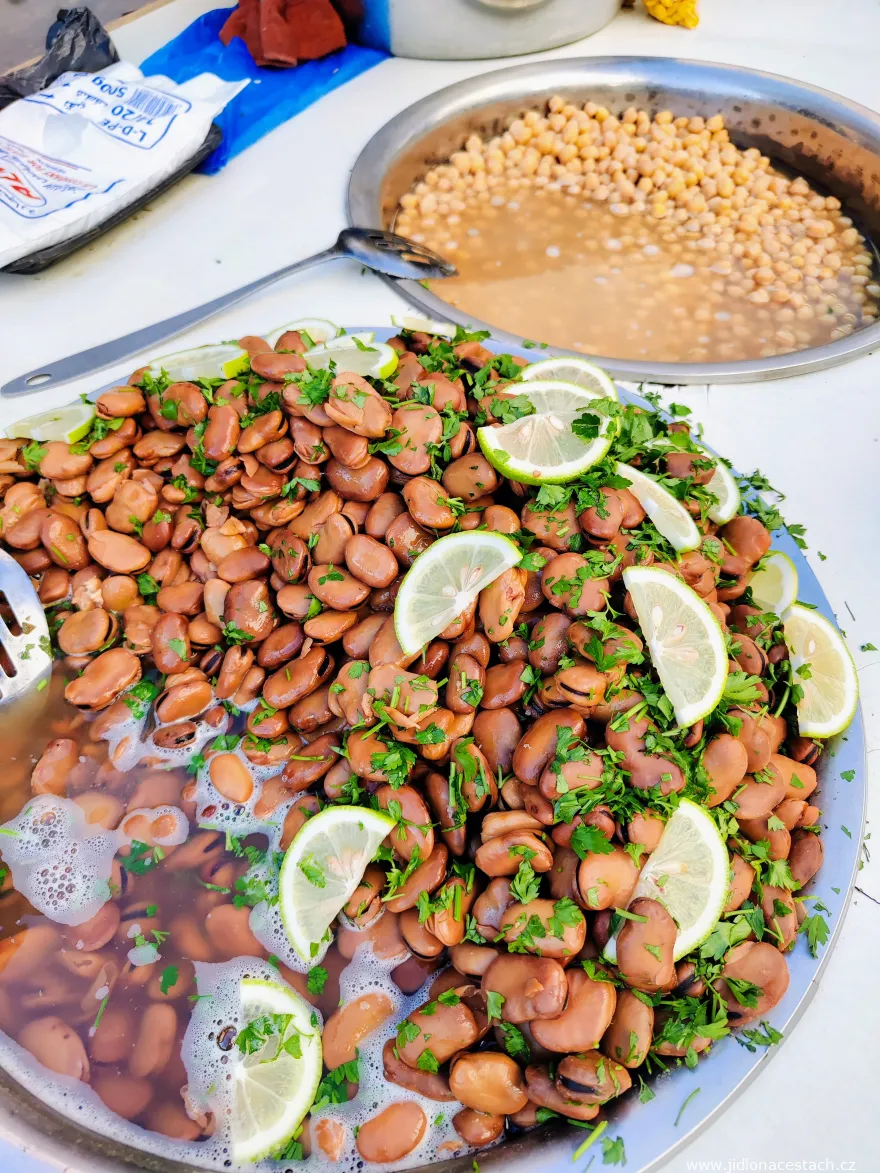
A few food stalls stand among the vegetables. On one of them sits a big metal tray of stewed fava beans, topped with lemon slices and scattered with parsley, and next to it another tray with chickpeas - the region turns those into hummus and falafel. The beans are called ful and they may well be the most widely shared dish in the Middle East: Egypt invented them and the whole Levant adopted them for breakfast. The full name ful medames carries the Coptic word for "buried" - the beans were once left to finish slowly in a pot buried in hot ashes. Palestinians season them with tomatoes, peppers and tart sumac; in Iraq the same beans go into bagilla. Pita bread is the cutlery here: you don't eat the beans with a spoon, you scoop them up with a piece of flatbread.
Ful is a food of the morning, and so is the market as a whole. Maybe that is why the souk feels familiar even to a visitor from the other side of the world: what farmers' markets back home in Europe sell as a weekend return to our roots has never stopped being the ordinary way to do the shopping here.
A Morning Among the Stalls in Bethlehem
I walked into the old market from Al Mdbasseh Street and let the winding lanes carry me all the way to Al Manarah Square. There is no hurrying through: every few steps you step aside for a cart or a knot of people at a stall. You'll hardly find a foreigner here, and that is exactly what makes the walk worth taking - Bethlehem is going about its ordinary morning, no matter who is watching. At one of the stalls I tried beautifully seasoned beans; what stayed with me, though, is not so much the taste as the busy hum of the market.


