What to Eat in Nantes
Nantes is France's sixth-largest city, a port on the lower Loire and the historic capital of Brittany - although on today's map of regions it belongs to Pays de la Loire.
On my most recent trip it served as my food base: I ate tasting menus for dinner in the city and spent the days eating my way around the surrounding countryside - to the salt marshes of Guérande, to Le Croisic on the coast and to the medieval market hall in Clisson.

The History Behind the Food of Nantes
Nantes cooking was shaped by the port. Cane sugar from the Caribbean was refined here from 1654, and by the end of the 17th century twelve refineries were running in the city; along with the sugar came rum from the Antilles. The port's wealth, however, grew out of the triangular trade, which included the slave trade - and it was colonial sugar and rum that gave birth to the Nantes confectionery tradition. Berlingots were already being sold under the arcades on Place Royale at the turn of the 19th century, and in the 1920s the Malakoff district alone had seven confectioners.
The second ingredient was ship's biscuit - twice-baked "biscuits" that no ship left port without. The tradition was carried on by the bakery that Jean-Romain Lefèvre and Pauline-Isabelle Utile opened in 1846; in 1886 their son Louis created the petit-beurre cookie, and two years later he had the "Petit-Beurre-LU-Nantes" trademark registered at the Nantes commercial court. The Art Nouveau tower of the LU factory, with its lookout, still stands today and houses the Le Lieu Unique cultural center - and the cookies are still baked today - around a billion of them a year.
And third, Brittany. Nantes was once the seat of the Dukes of Brittany and was only separated from it by a 1941 decree; when the Pays de la Loire region was created in 1956, Nantes remained its capital. The dispute over Loire-Atlantique returning to Brittany still goes on - but in the kitchen the city settled it long ago in its own way: you'll find crêperies serving buckwheat galettes on every corner.

Food Trips from Nantes
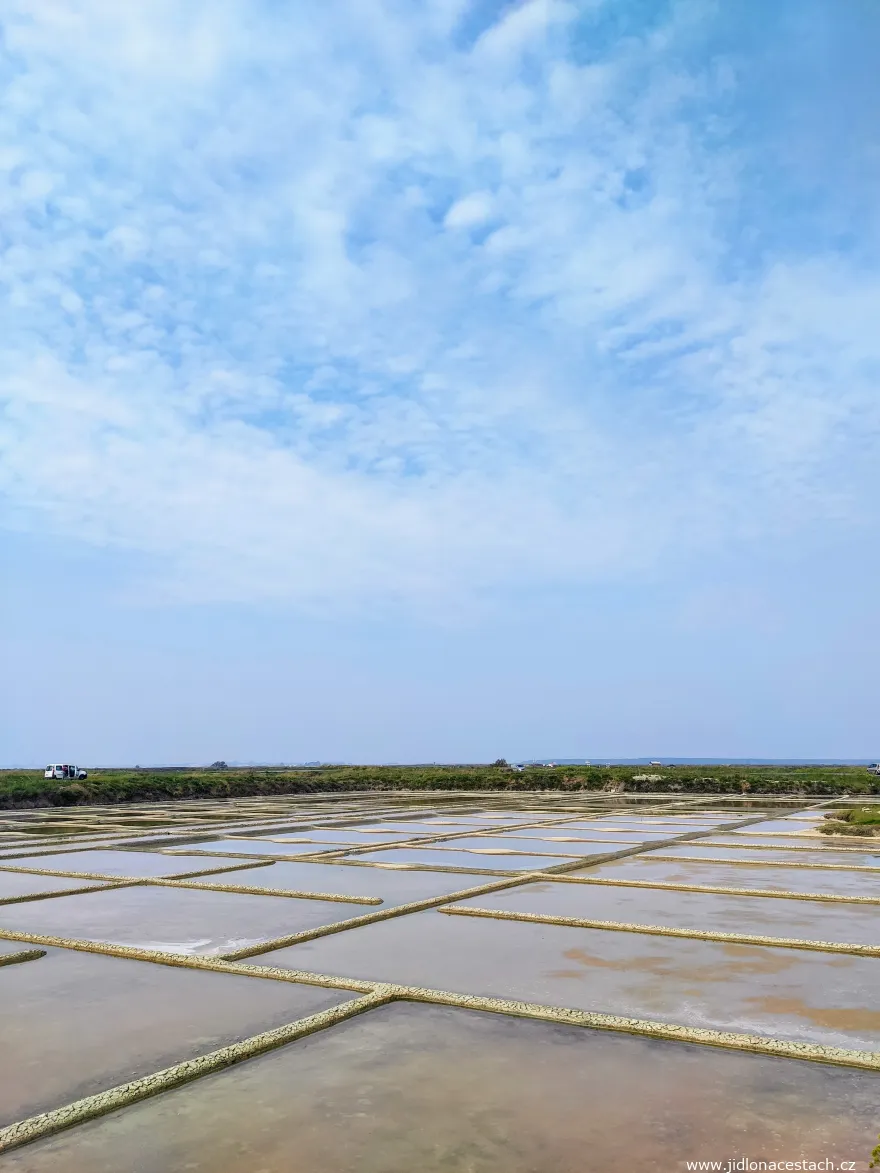
Nantes also makes a good base for food trips out of town - I managed three. I got to Guérande for its hand-harvested sea salt by BlaBlaCar and spent the day on foot: the medieval ramparts in the morning, then the visitor center of the salt workers' cooperative and finally a five-kilometer walk right through the salt pans, where every now and then a paludier stood bent over a long rake.
From the salt marshes I carried on to the fishing town of Le Croisic. Worth a stop there is Crêperie Tante Germaine, which has been going since 1952 and makes its galettes right in front of you: I had a buckwheat galette and cider - specifically La Penn Sardine, with sardine rillettes, lemon and samphire.
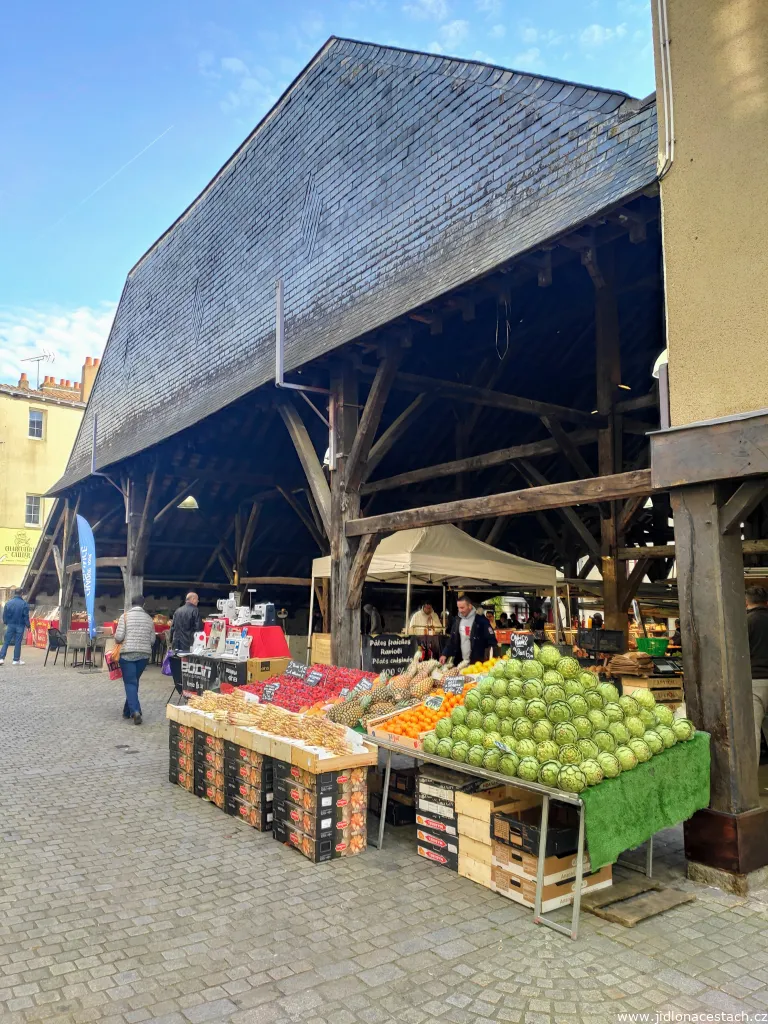
The third trip is the easiest: direct trains run from Nantes to Clisson about fifteen times a day, and the journey takes a quarter of an hour. Your reward is the wooden Les Halles market hall, built in 1376 and 1377, where markets have been held under the timber roof without a break for over six hundred years - a low-key affair on Tuesdays, while on Fridays around a hundred vendors fill the surrounding streets. And vineyards look down from the hills beyond the town: Clisson is one of the communes allowed to put its own name on a muscadet label.
What to Eat in Nantes
- Gâteau nantais. A rum-soaked almond cake with a white sugar glaze - a dessert born right here in Nantes in the 19th century, out of colonial sugar and Antillean rum. From 1882 to 1972 the local LU factory also baked it on a semi-industrial scale.
- Petit-beurre LU. France's most famous cookie comes from Nantes: Louis Lefèvre-Utile came up with it in 1886 and had the trademark registered at the Nantes commercial court. Four corners, a notched edge and still around a billion baked every year.
- Muscadet. A dry white wine from around the city - the "vignoble nantais" starts right on the doorstep. It's made from the Melon de Bourgogne grape and is the only wine in the world made from this variety; with the mussels and oysters Nantes is so fond of, it's the classic pairing.
- Beurre blanc. A butter sauce for fish, born in Saint-Julien-de-Concelles a few kilometers up the Loire: legend has it that the cook Clémence Lefeuvre created it by accident when she forgot to put the tarragon and egg yolks into a béarnaise for pike.
- Berlingot nantais. A hard, four-sided candy made from boiled sugar, produced in Nantes since the 19th century; in 1907 it got a factory of its own on the Malakoff waterfront. It's sold in paper cones and is as much a part of the city as the LU tower.
- Rigolettes nantaises. The berlingot's more delicate cousin: a crunchy sugar shell filled with fruit jam. Nantes confectioner Charles Bohu invented them in 1902 and named them after his cat; the original shop on rue de la Marne, with its Art Nouveau mosaic, is still open today.
- Curé nantais. A soft washed-rind cheese created in 1880 by Pierre Hivert in Saint-Julien-de-Concelles, who took the local parish priest's advice and named it "the Nantes priest". Today it's made in the nearby port town of Pornic.
- Mâche nantaise. Lamb's lettuce with protected IGP status (since 1999), grown in the sandy soils along the Loire; the season runs from September to March.
- Galettes and crêpes. Buckwheat galettes and sweet crêpes are a tradition across all of Brittany, not a Nantes invention - but as Brittany's historic capital, Nantes has every right to claim them, and the whole center is dotted with crêperies.
- … and dozens more French dishes on the list: What to Eat in France.
Where to Eat in Nantes
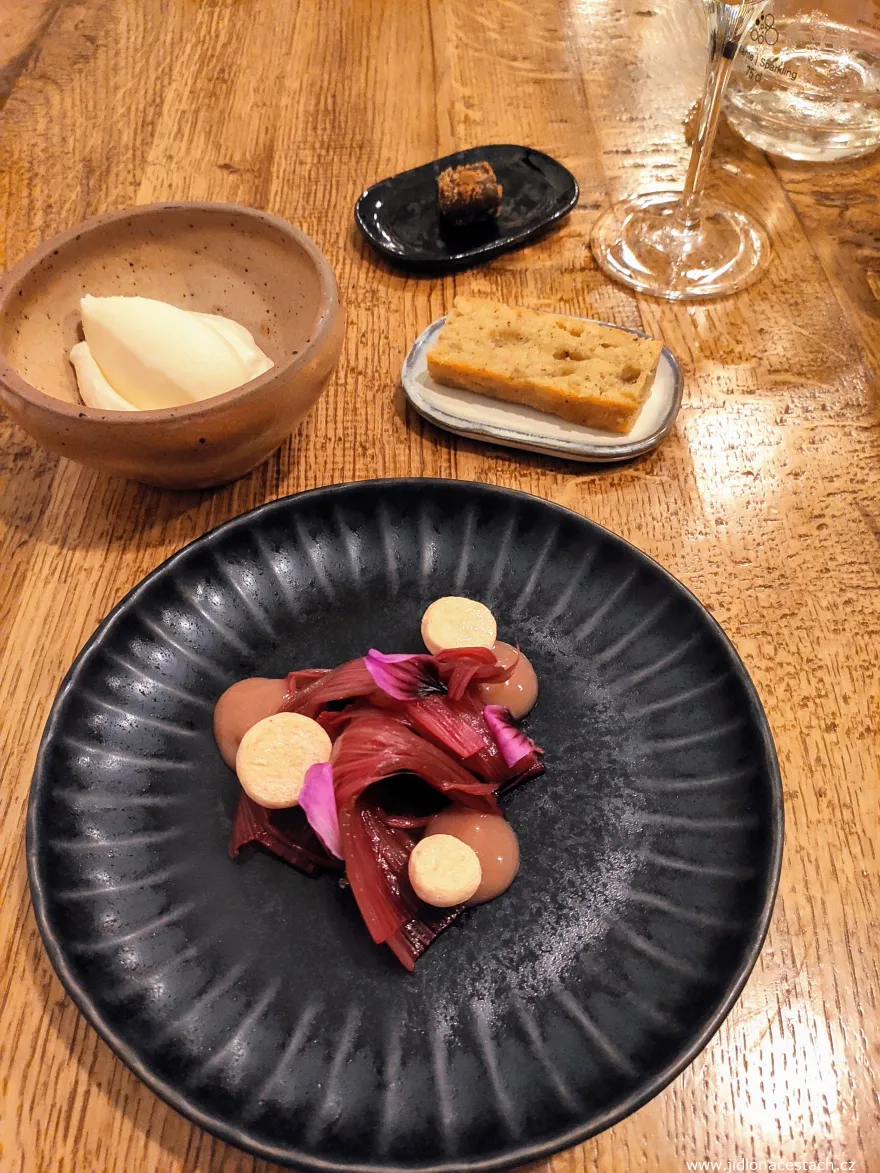
- Sources. A bistro on rue de Verdun where the five-course evening tasting menu is left entirely up to the chef, built on natural wines and ingredients straight from local fishermen and farmers. Dinner at Sources still ranks among my best food experiences - Breton oysters with dill granita, buckwheat with mussels and crab jus, lamb with peas and, to finish, smoked chocolate.
- Roza. Chef Jean-François Pantaleon's restaurant on place de la Monnaie, built around produce from the Pays de la Loire region. At the time of my visit it held a Michelin star; in 2023, however, the chef himself asked the guide to withdraw it, and the 2026 edition lists the restaurant without one. I had the five-course tasting menu with wine pairing.
- Pickles. British chef Dominic Quirke's bistro: modern cooking with Asian influences and ingredients from local organic growers, on a menu that changes every three weeks (the Gault & Millau guide awards it two toques for 2026). My three-course lunch menu included lobster tartare and pork tenderloin.

Whether you stay in the city or, like me, head out of town to eat, you won't go hungry in Nantes.
Enjoy eating your way around Nantes!



Les Halles in Clisson: A Wooden Market Hall from the 14th Century
The covered Les Halles market hall in the French town of Clisson has stood since the end of the 14th century, and markets have been held under its wooden roof timbers without interruption for more than six hundred years. It even survived the War in the Vendée, which leveled the rest of the town. You'll get the best feel for the place early in the morning, when the hall is still almost empty and the market under the medieval beams is only just getting going.

Sel de Guérande: Hand-Harvested Sea Salt from Brittany
Salt from Guérande is still harvested by hand on France's Atlantic coast, with wooden tools and only in summer. The prize is fleur de sel - the fragile flower of salt drawn off the surface of flooded pans before it can sink to the bottom. And you can walk the marshes yourself: from the medieval ramparts of Guérande across the salt fields to the village of Saillé.