What to Eat in Catania
Catania is the second largest city in Sicily, spread along the island's east coast right below Mount Etna. Its baroque center, built out of dark lava stone, is a UNESCO site, and watching over it all is the city's patron saint Agatha, whose February feast Catania throws itself into completely - on the plate too. Agatha is also the reason the city has its most famous sweet.
What got me about Catania was its raw energy: a fish market where the shouting carries across counters of ice, bakeries selling pizza by weight, and great little places to eat you can smell from two streets away.
Markets in Catania
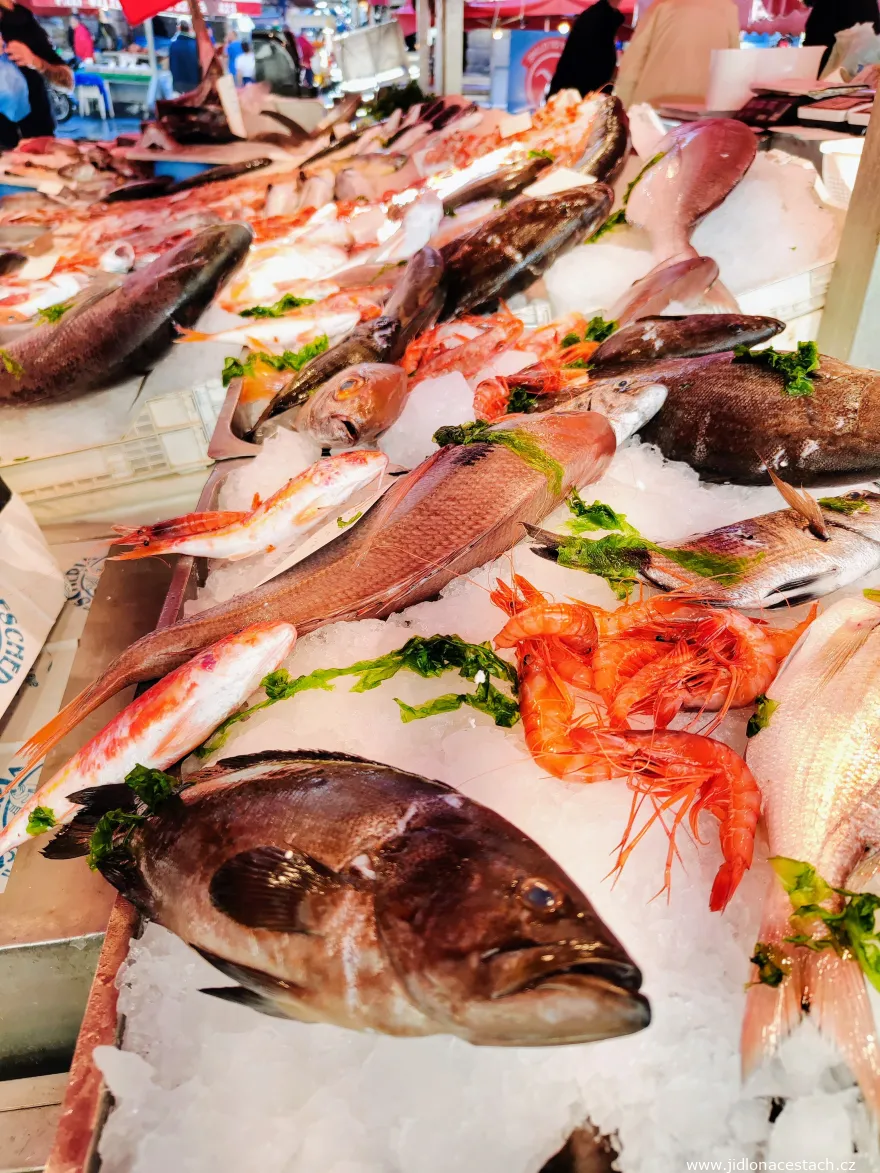
The La Pescheria fish market (Piscarìa in Sicilian), just behind the Amenano fountain by the cathedral, is one of the oldest markets in Italy and without a doubt one of the loudest - fish has been sold on its marble slabs since at least the early 19th century. Swordfish, octopus and shrimp piled on mounds of ice, with the vendors shouting nonstop over it all. Sicilian has a word for that shouting - "vuciata" - and it gave its name to my favorite restaurant in Catania, Vuciata. For vegetables, fruit and cheese you head to the market on Piazza Carlo Alberto, known in Sicilian as Fera 'o Luni, the Monday market.
What to Eat in Catania
- Pasta alla Norma. Pasta with fried eggplant, tomatoes, basil and salty ricotta salata. It was born in Catania and named after the opera Norma by the city's own Vincenzo Bellini - the playwright Nino Martoglio is said to have cried out over his plate, "È una Norma!", meaning "this one is a Norma!". All of Italy cooks it now, but this is where it belongs; I had pennette alla Norma at the Sicilia Bedda pizzeria.
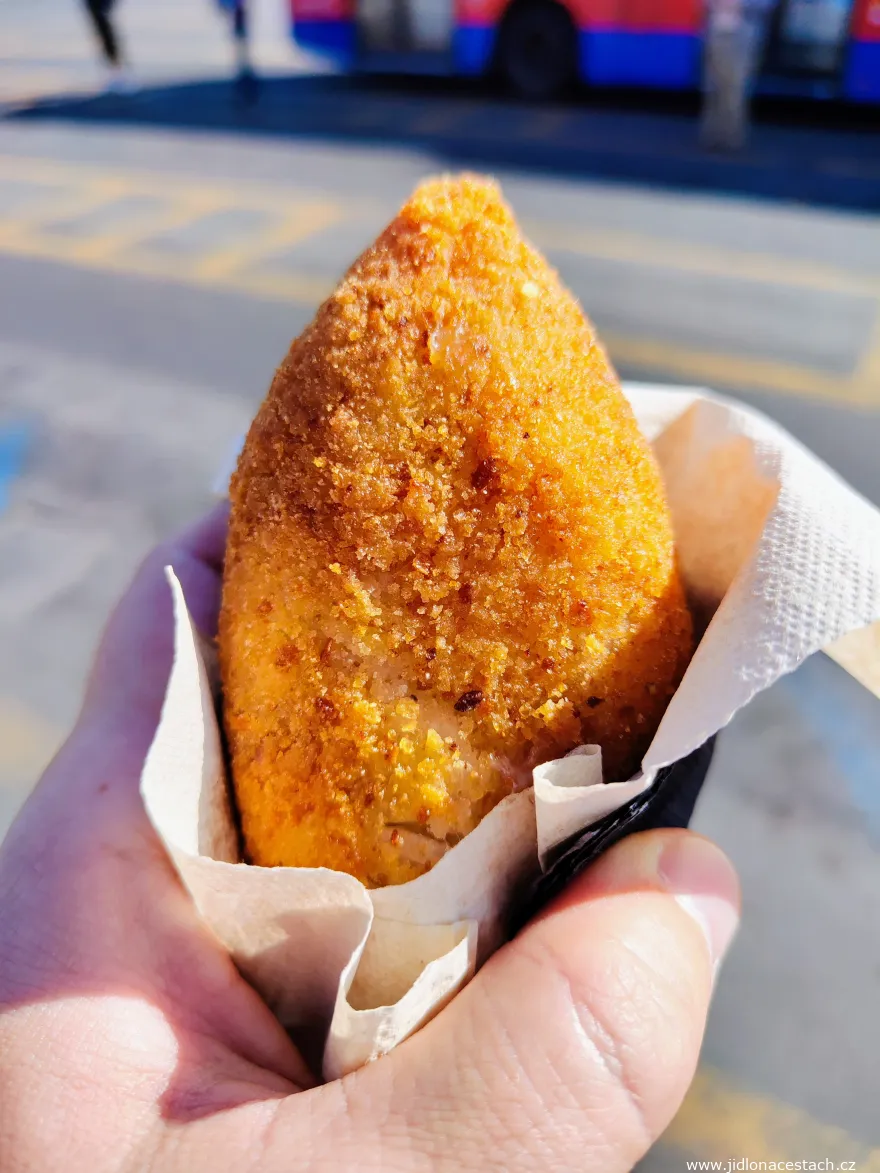
- Arancino. A deep-fried rice ball with a filling - except in Catania it isn't a ball: the eastern Sicilian version is pointed, a shape said to nod to Etna, and it goes by the masculine arancino, while Palermo insists on the round arancina. Mine in Catania, from Munnu Arancinu, was filled with salsiccia, mushrooms and truffle cheese.
- Pizza secca. "Dry pizza" - a sheet of dough rolled out to a few millimeters, spread with tomato paste and oregano and baked until crisp. Bakeries sell it by weight, and it's a Catania thing, the city and its immediate surroundings; you won't find it anywhere else in Sicily.
- Cartocciata. A soft crescent of leavened dough, most often filled with ham, mozzarella and tomato. Along with cipollina and arancino it is the emblem of Catania's rosticceria - the counters of hot filled pastries known here as tavola calda.
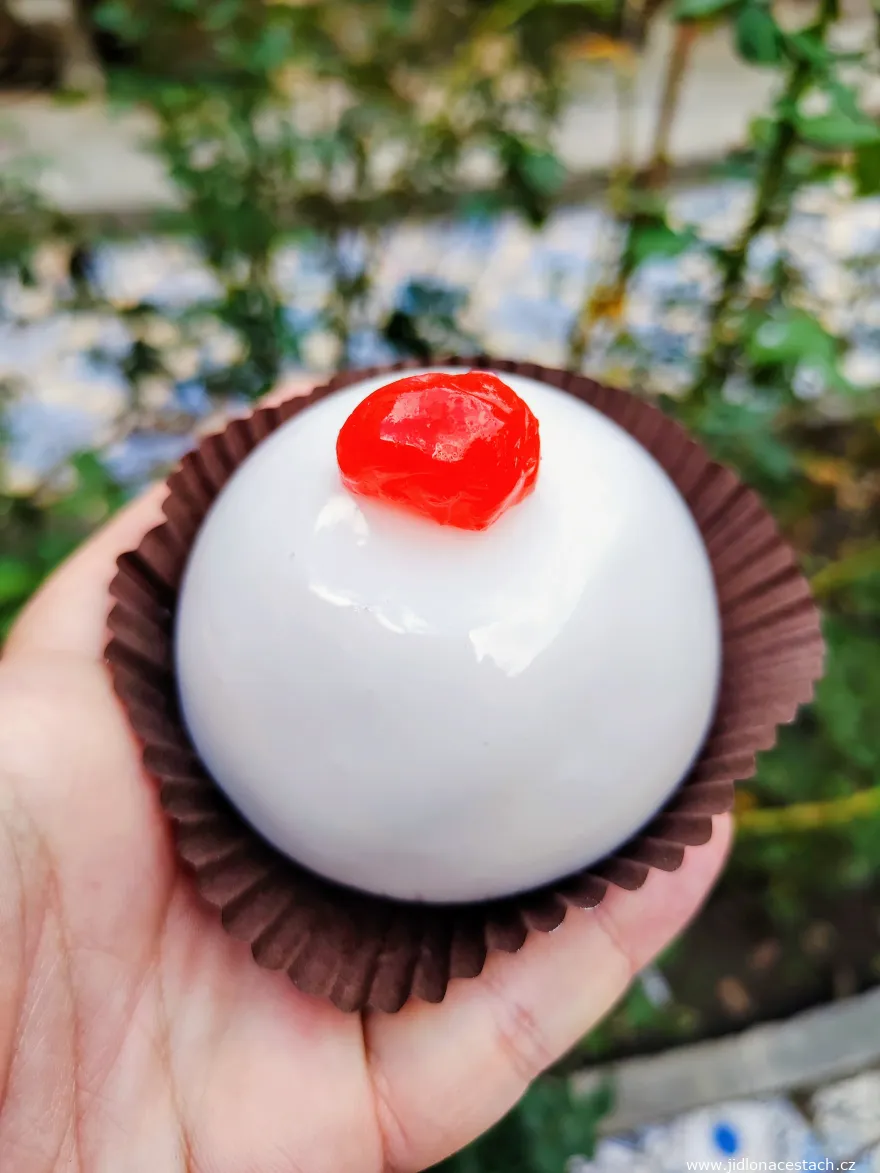
- Minne di sant'Agata. Shortcrust pastry cases filled with ricotta, coated in white icing and topped with a cherry - the shape recalls the breasts of Saint Agatha, which legend says she lost under torture. A symbol of the cult of the city's patron saint, they peak around her feast on February 3-5. Ironically enough, I only got around to trying them in Palermo.
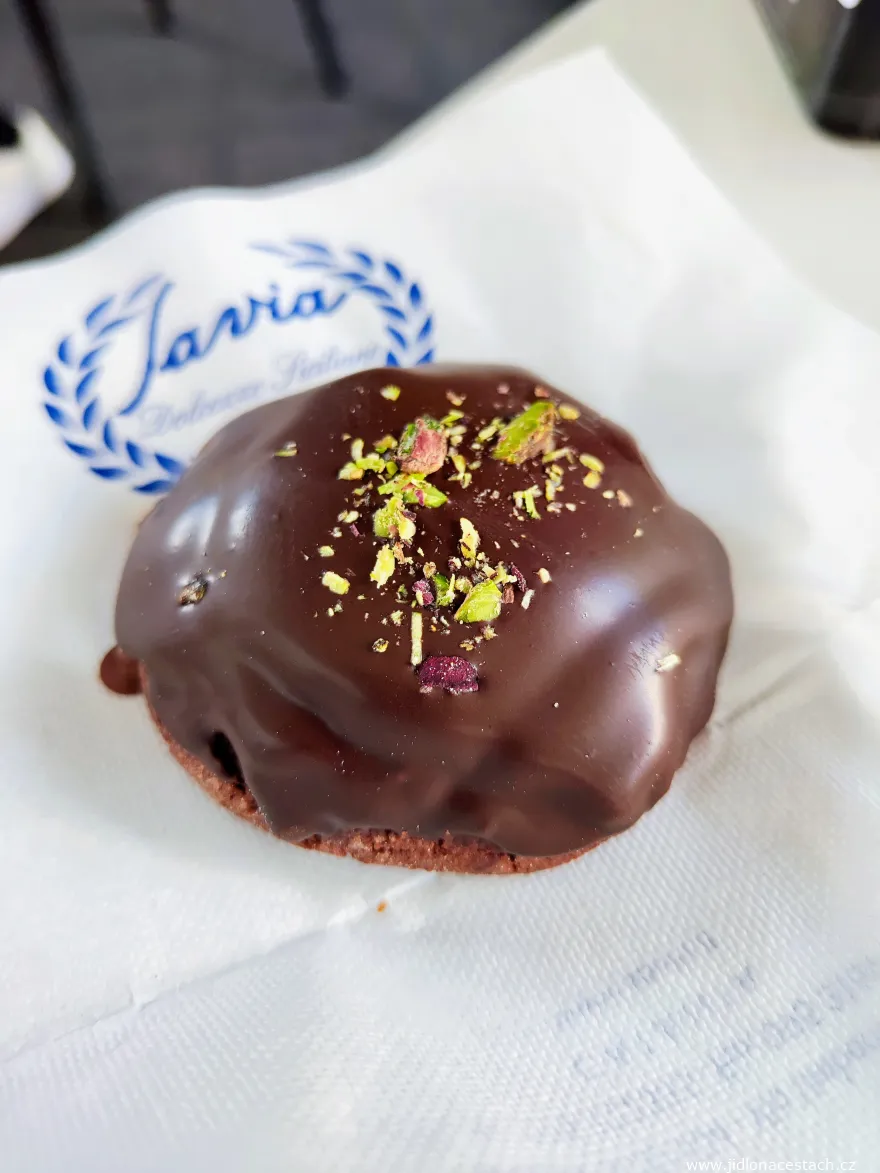
- Rame di Napoli. Soft cocoa cookies under a chocolate glaze, baked for All Souls' Day. Despite the name they have nothing to do with Naples - the recipe is from Catania and the name recalls the copper coins of the Bourbons. Mine came from the Savia pastry shop.
- Seltz limone e sale. Soda water with lemon juice and a pinch of salt, Catania's number one drink. It's poured at the cast-iron kiosks dotted around the city since the end of the 19th century - you'll find them on Via Etnea and by the cathedral.
- Granita with brioche col tuppo. The Sicilian breakfast: a creamy crushed-ice dessert and a buttery brioche with a "topknot" on top. The whole island sticks to it, but the east - Catania and Messina - is its stronghold; granita in Catania tends to be denser and firmer than the creamy Messina version.
- Spremuta made from red oranges. Freshly squeezed juice from the tarocco, moro and sanguinello varieties, grown at the foot of Etna under the protected Arancia Rossa di Sicilia IGP label. Their season is winter - it's the cold nights that turn the flesh blood red.
- … and dozens more Sicilian dishes on the list: What to Eat in Sicily.
Where to Eat in Catania
- Vuciata. A restaurant in the historic center named after the shouting of the Pescheria traders. It's one of those places I never pass up a chance to visit: parmigiana, tuna carpaccio with Sicilian orange, or spaghettoni with tuna bottarga and lime.
- Trattoria Serafino. A traditional trattoria where I tried involtini di pesce spada - stuffed swordfish rolls that made their way here from nearby Messina. They also do a vegetarian pasta with Sicilian flavors.
- La Luna. An unassuming place on the edge of town where they served me a heavenly pani cunzatu - a loaded semolina bread with anchovies, pepato cheese and two kinds of tomato. The pizzas here come topped with mortadella and pistachios too.
- Sicilia Bedda. A pizzeria and eatery: pennette alla Norma, pizza Etnea with Sicilian n'duja and chili. A good spot to taste the Catania classics from a single menu.
- Munnu Arancinu. A small place specializing in the pointed Catania arancino with a long list of fillings - my "ammuncciata" combined salsiccia, mushrooms and truffle cheese.
- Pasticceria Savia. A famous pastry shop on Via Etnea. I came here for the Rame di Napoli cookies, but the display cases overflow with the rest of Catania's sweets as well.
- Uzeda Cafè. A café in the center with a nice selection of little cakes and desserts to go with your coffee - a good stop for something sweet on a walk through the baroque city.
- Scirocco Sicilian Fish Lab. A seafood spot in the center: a counter full of seafood salads, smoked fish and fish caponata, with Sicilian Birra dello Stretto to go with it. You can eat fish here without sitting down to a long dinner.
- Bar Vermut. A hipster enoteca and vermouth bar where the wine or vermouth comes with boards of cured meats, cheeses and fish snacks. Just right for a stop on a night walk back through Catania.
Palermo may be the showcase of Sicilian cooking, but I'll admit it freely: of all the cities in Sicily, Catania is where I ate best and cheapest.
Enjoy eating your way around Catania!



Pani Cunzatu: The Bread of Shame
It looks like a pizza, but don't expect one: pani cunzatu is a halved loaf of Sicilian bread, drizzled with olive oil while still hot and piled with tomatoes, anchovies and pepato cheese. They call it the bread of shame - it used to be the food of people who couldn't afford anything better. Today Sicilians line up for it.

Pizza Secca: The Dry Pizza from Catania's Bakeries
Pizza secca is Catania's "dry pizza": a sheet of dough rolled out to a few millimeters, brushed with tomato paste, oil and oregano and baked until crisp. The bakeries of Catania sell it cold and by weight, and nowhere else in Sicily will you find it. This piece explains why a dry flatbread is called pizza, how it differs from sfincione and where I bought mine.