Kalimotxo: The Basque Name for Wine and Cola
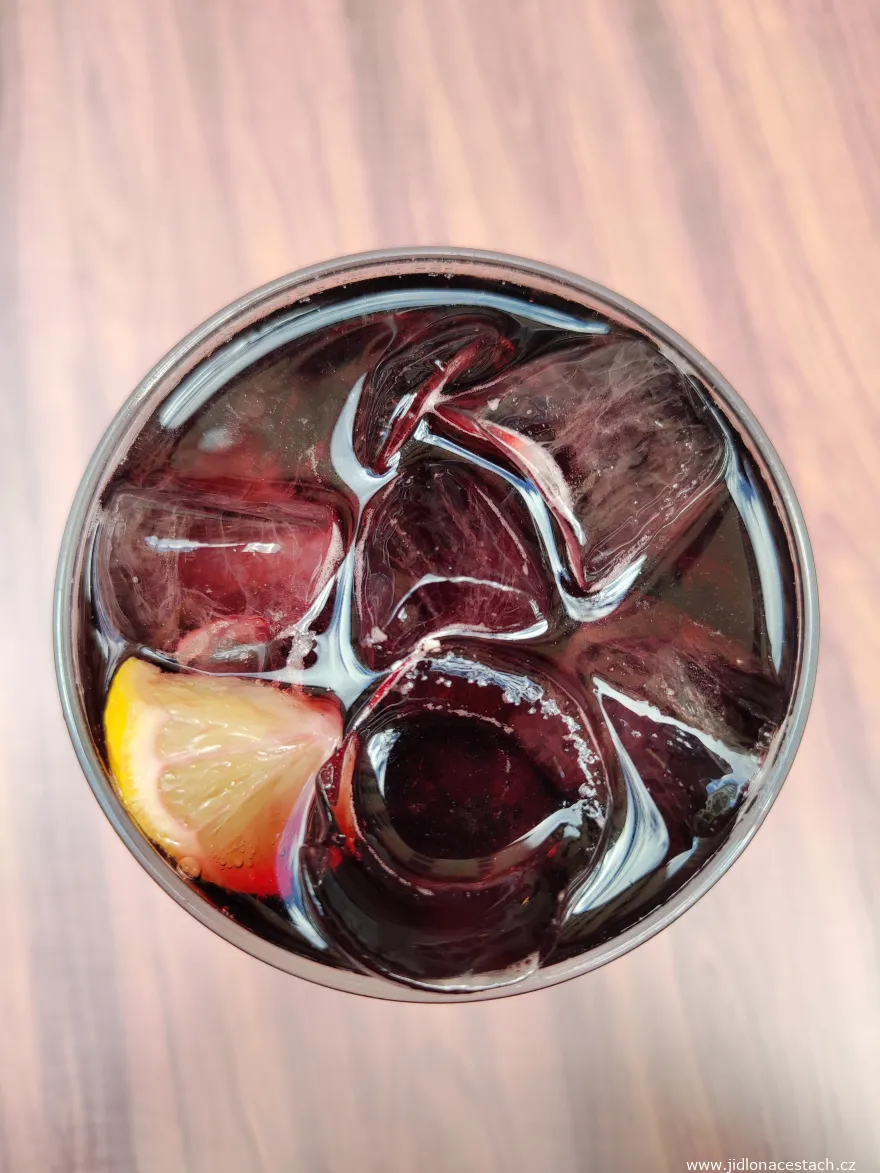
Order a kalimotxo in a Basque bar for the first time and you expect a cocktail: the name sounds like something shaken over ice and finished with a sprig of herbs. Then a tall glass arrives, ice and a dark liquid that is half red wine and half cola, and you recognize it before you take a sip.
Kalimotxo is a simple mixed drink of Spanish cuisine: cheap red wine and cola in roughly equal parts, ice, sometimes a slice of lemon. Back home in the university dorms we called it houba, "the mushroom", and I'll admit that as a broke student I mixed more than a few myself. The difference between the dorm-room houba and the Basque kalimotxo is not in the recipe. It is that the second one has a birth certificate.
How Kalimotxo Got Its Name and a Date of Birth
That birth certificate carries an exact date: August 12, 1972, the feast of Saint Nicholas in the old port of Algorta, a district of Getxo just outside Bilbao. The crew that ran the festival that year, a group called Antzarrak, had bought two thousand liters of red wine, and the August heat turned it sour. A doctor confirmed it wouldn't poison anyone; it just couldn't be drunk. So they mixed it with Coca-Cola in a bathtub and went on selling it. The name did not come out of any ad agency: one of the crew went by the nickname Kalimero, and motxo is Basque for ugly; whether it was the drink or the friend that was ugly, the sources don't say. The Spanish Royal Academy later put the word in its dictionary in the Castilian spelling calimocho, the Basques stick to their k and tx, and so one drink ends up with two names.
Who Invented Wine and Cola, and Who Just Named It
Getxo claims the drink as its own invention, on its tourist website and with a fiftieth-anniversary party. What was actually born in Algorta in 1972 is the name; wine and cola had been around far longer: in Spain, cheap Rioja was going into cola as early as the 1920s, only cola was hard to come by, and in Ribera del Duero they still call it mocho, elsewhere bicicleta. What the Basque Country managed was to give the mixture a name that stuck and, in the 1980s, to carry it across the whole country along with the students drinking in the streets. The rest of the world came up with its own names for the same thing: in Croatia it is bambus, in Chile jote, after a scavenging bird with black feathers and a red head, in Germany Korea, and not even the Germans can explain why Korea. Back home, houba. So a drink that half of Europe invented independently has just one patent on a name, and it belongs to a Basque crew with a bathtub.
What Goes into a Kalimotxo and When You Drink It
There are two ingredients and each one covers for the other. The cola brings sugar, bubbles and caramel, the wine brings tannin and color, and the ice waters both down before you can decide which of them you are actually drinking. Cheap wine is the point here, not something to apologize for: an expensive Rioja gains nothing in a kalimotxo, the drink just drowns it. In Spain even the cheapest table wine tends to be decent, so the cola has nothing to cover up and the drink tastes more of wine than of damage control.
Kalimotxo belongs to festivals and to being young, not to wine shops. At fiestas you drink it out of plastic cups at the stalls called txosnas, which list it on the price board, in a measure known as a katxi, and nobody there pretends it is a tasting. In an ordinary bar the bartender will mix one without batting an eye even if you cannot find it on the board, you only have to say un kalimotxo. If you want the full Basque evening, you alternate kalimotxo with txakoli during the txikiteo and end the night with a glass of patxaran; and if you are after something lighter in the rest of Spain, you order tinto de verano, which is older, gets mixed with lemon soda instead of cola and, unlike the tourist sangria, is something locals actually drink.
A Glass in the Sun Outside Bergara Bar
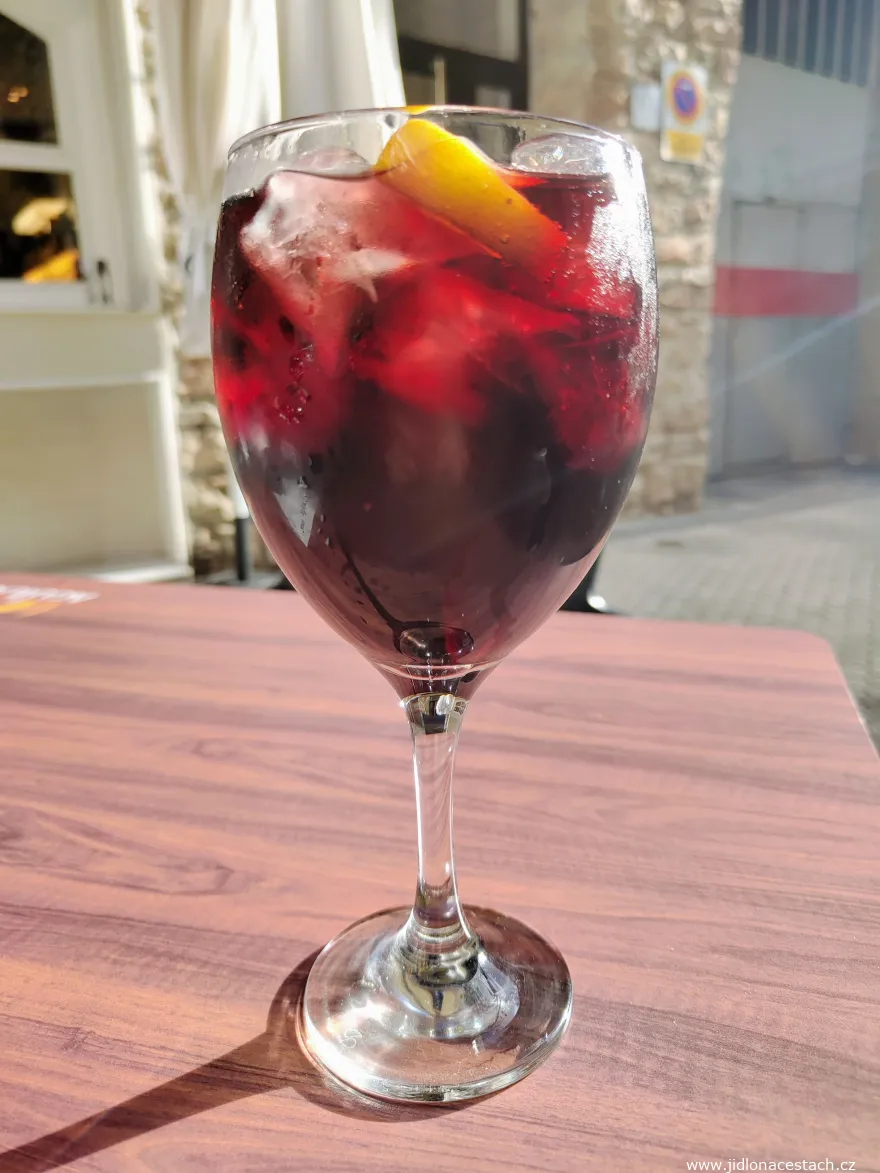
I had my kalimotxo in San Sebastián, at Bergara Bar, at a table outside in the sun. It came in a stemmed glass, with ice and a slice of lemon, a notch more formal than the plastic cup it would have every right to come in. The first sip was cola, sweet and cold; the wine only came through behind it, dry and a little rough on the palate, and the lemon evened out both voices. With every minute in the sun the ice took something away and the drink got lighter, until all that was left by the end was cool red lemonade. I don't remember what it cost, and that's the one thing I ought to remember about a drink like this. In the dorms we mixed houba to make the wine drinkable. At Bergara they mixed it for me to make the cola drinkable.


2 Comments
The Rose kalimotxo is sometimes referred to in the Basque Country as "kaligorri" as ardo gorri is the Basque name for rose wine,preferably a kaligorri should be made with rose wine from Navarra or Rioja.
Hello Josu, thank you very much for the info!