Tinto de Verano: Spanish Summer Wine with Lemonade
The legend of tinto de verano has everything a legend should have: the name of an innkeeper, the address of his bar, the decade it was born, a pasodoble, and a movie starring Lola Flores. The only thing it lacks is anything that would actually prove it.
Tinto de verano is a Spanish summer drink made of cheap red wine and lemon soda or sweet clear soda, mixed roughly one to one, loaded with ice, a slice of lemon, served in a tall glass. Nobody needs a shaker or a recipe for it. In summer Spaniards drink more of it than they do sangria, which the rest of the world thinks they drink all the time.
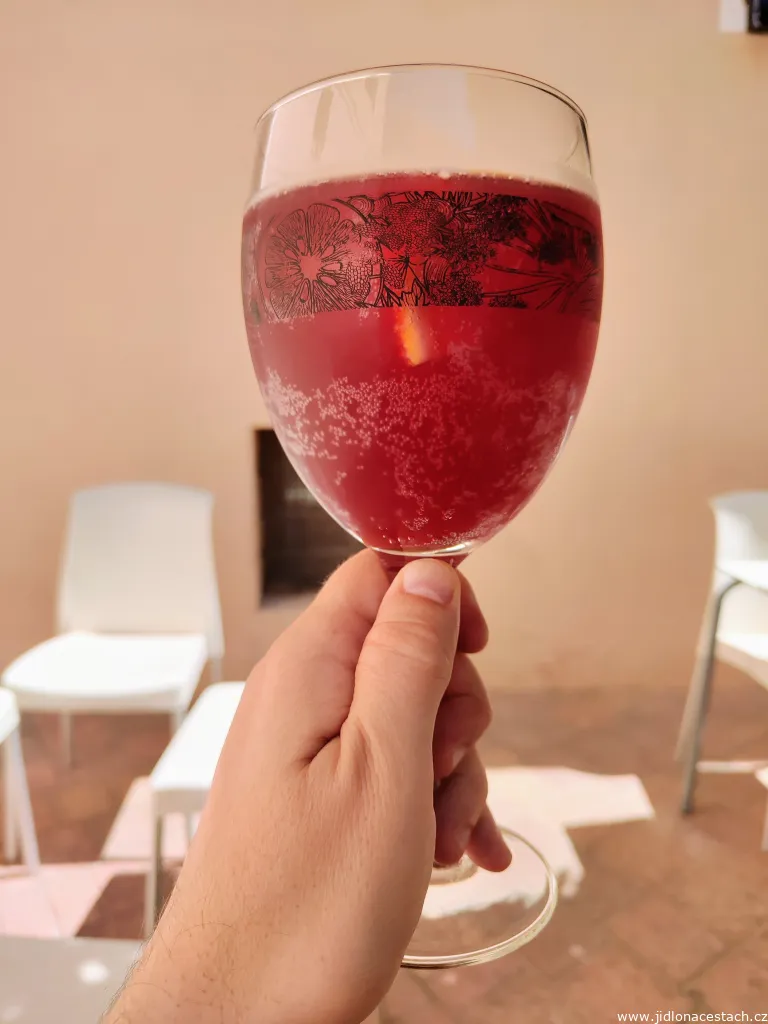
What Tinto de Verano Means and Why Cordoba Called It a Vargas
The name is boringly descriptive: tinto is the everyday Spanish word for red wine and de verano means summer. The interesting name is the second one, the one the drink went by in Cordoba - un Vargas. Two legends explain where that Vargas came from, and Andalusia still hasn't made up its mind. One says it goes back to an innkeeper named Federico Vargas, who in the 1920s cut his wine with soda at the Venta de Vargas on the edge of Cordoba so you could still drink it when it was forty degrees in the shade. The other claims it is a contraction of Valdepeñas (the cheap-wine country of Castile) and gaseosa (soda), which Andalusian pronunciation bent from "valgas" into "vargas". Both sound good. Neither has any evidence behind it.
Today tinto de verano is a national drink with an Andalusian birthplace: it spread across Spain in the 1960s and you'll find it everywhere. The Basque kalimotxo uses cola instead of lemon soda and is half a century younger. Sangria, on the other hand, is the high-maintenance older cousin: fruit steeped in wine for hours, sugar, often a shot of liqueur too, so you can't throw it together in five seconds - and it has more alcohol, not less. Beyond Spain the same idea turns up without the sugar: German Weinschorle and Hungarian fröccs cut wine with plain soda water, and in Italian Abruzzo they mix gazzosa with white wine instead.
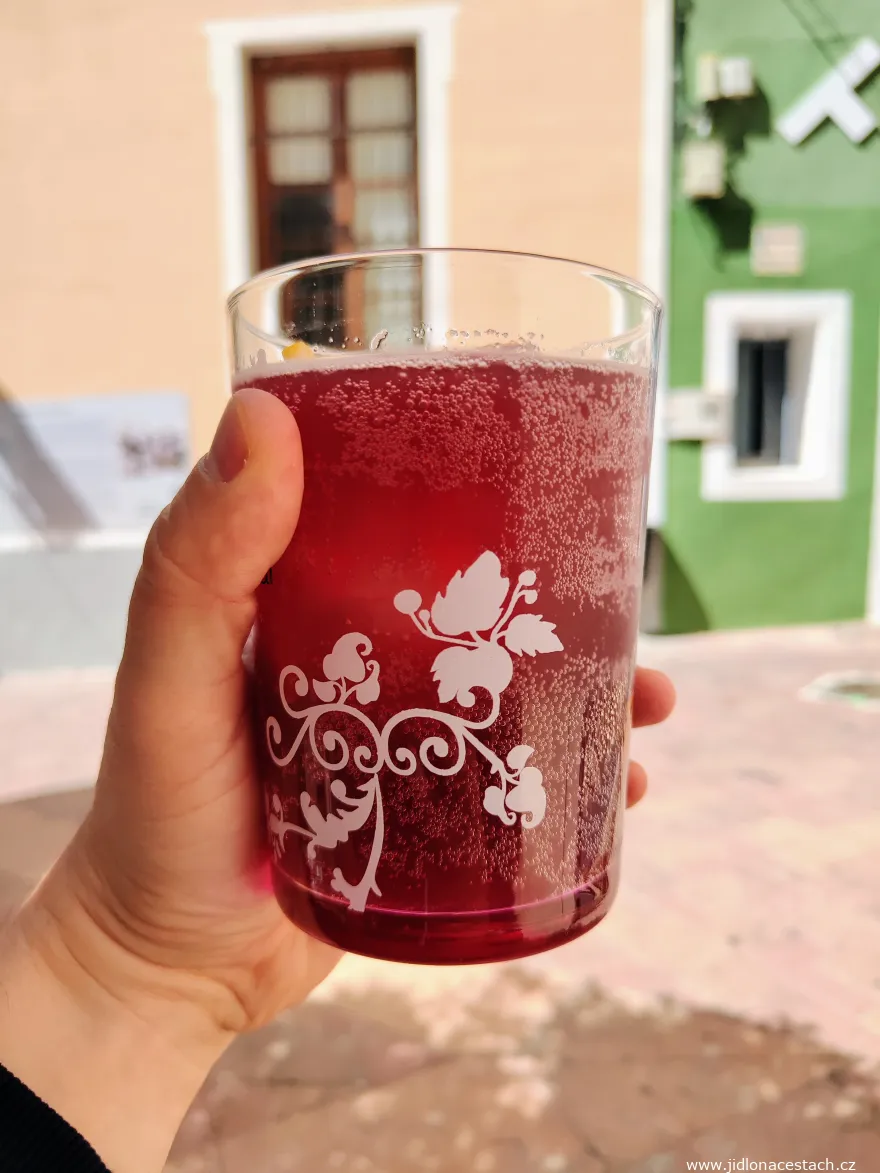
Who Came Up with It and Who Really Spread It
The Venta de Vargas really did exist - a flamenco tavern with its own small bullring; that much can be documented. That tinto de verano was born there rests on oral tradition and on websites copying one another; nobody has ever found a piece of paper from the 1920s. What actually spread the drink wasn't an innkeeper but a soda company. La Casera was founded in Madrid in 1949 and its sweet fizzy water became the second half of the glass across the whole country; in the 1980s it ran the slogan "Si no hay Casera, nos vamos" - if there's no Casera, we're going elsewhere - and won international advertising awards with it, which does not happen to a soda very often. The legend got its name in Cordoba, but it made its name in Madrid.
Con Limón or Con Blanca: Two Words That Decide Everything
The wine here is deliberately the cheapest in the house - young, table wine, what Spaniards call vino peleón, fighting wine. Pour a reserva into a tinto de verano and you are wasting money and wine alike, because the soda drowns out everything the winemaker was proud of. The other half comes down to a single word: con limón means lemon soda and it is the sweeter default you get if you say nothing; con blanca or con Casera is the clear sweet soda, the one that lets the wine come through. After that it is just ice, plenty of ice, and a slice of lemon, sometimes orange. The result lands around five percent alcohol, about the same as beer, which is why it works at noon.
You drink it in summer, on a terrace, with lunch or instead of it, by the glass or by the jug - a jarra for the whole table is a normal order. In a bar a glass usually costs 2.50-4 EUR; on terraces along the main tourist streets it can be several times that, so it pays to look at the menu before you order. If you don't want it sweet, say "con blanca" and you'll get a drink that tastes of wine, not of candy. And if you order sangria, you'll get sangria - it's just that you're unlikely to see it at the next table, where the locals are sitting.
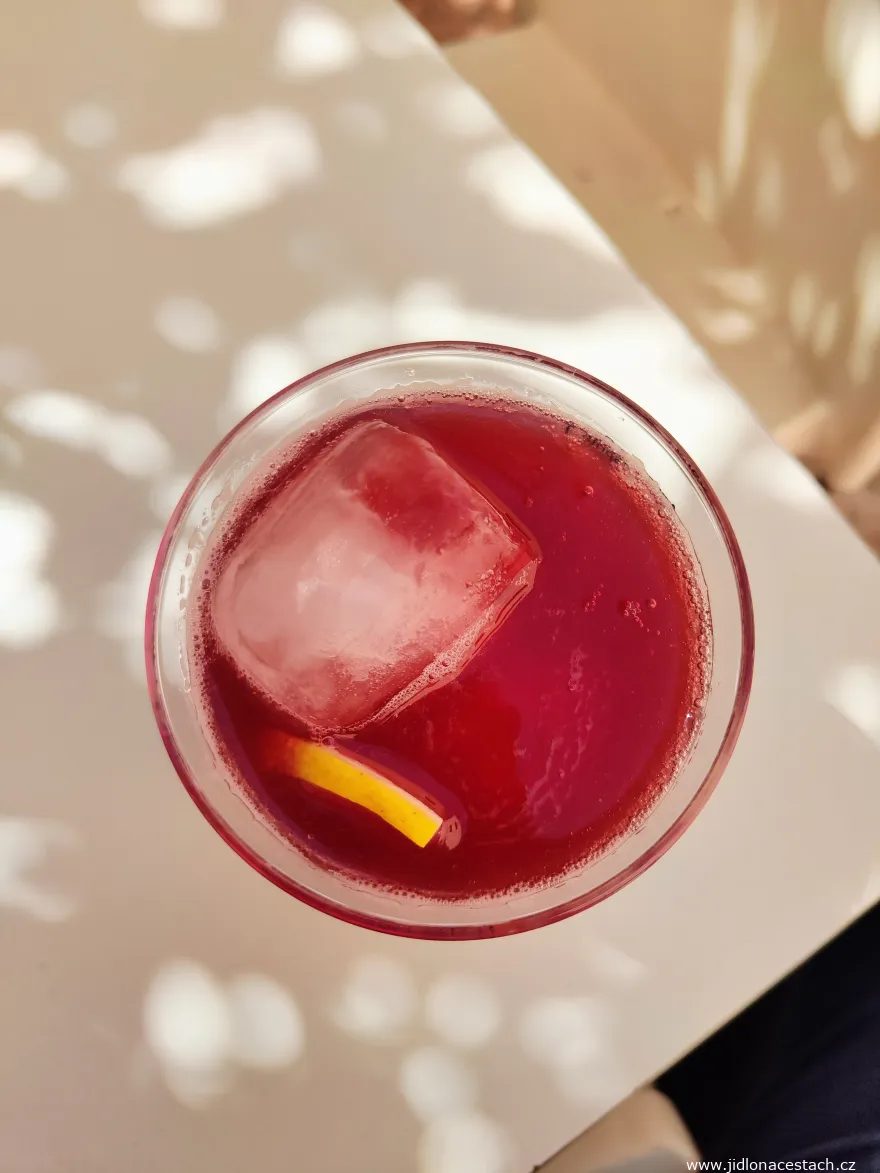
The Glass I Always Order in Spain
I've had tinto de verano in plenty of places all over Spain and I order it every time I'm there; the exception is the Basque Country, where I defect to kalimotxo. The taste is much the same every time: first the cold and the bubbles, then sweet lemon, and only then the wine, more a color than a flavor, with a light tannic edge that keeps it from being plain lemonade. I never wrote down what it cost anywhere; it isn't a drink whose bill you remember. Who came up with tinto de verano we will never know. Who drinks it is plain to see on every outdoor terrace in Spain.


