Txakoli: The Gently Sparkling White Wine of the Basque Country
The bartender in San Sebastián picked up a green bottle, raised it above his head and poured. The thin stream fell a good half a meter before it landed in the glass on the counter, and nobody at the bar so much as turned around, because that's how every glass gets poured here. A tourist spends that moment wondering whether it will end well. Basques wonder whether it will fizz.
Txakoli is a light, dry, gently sparkling white wine from the Basque coast that Spanish cuisine barely knows outside the Basque Country, and it is drunk very cold, very young and poured from a height.
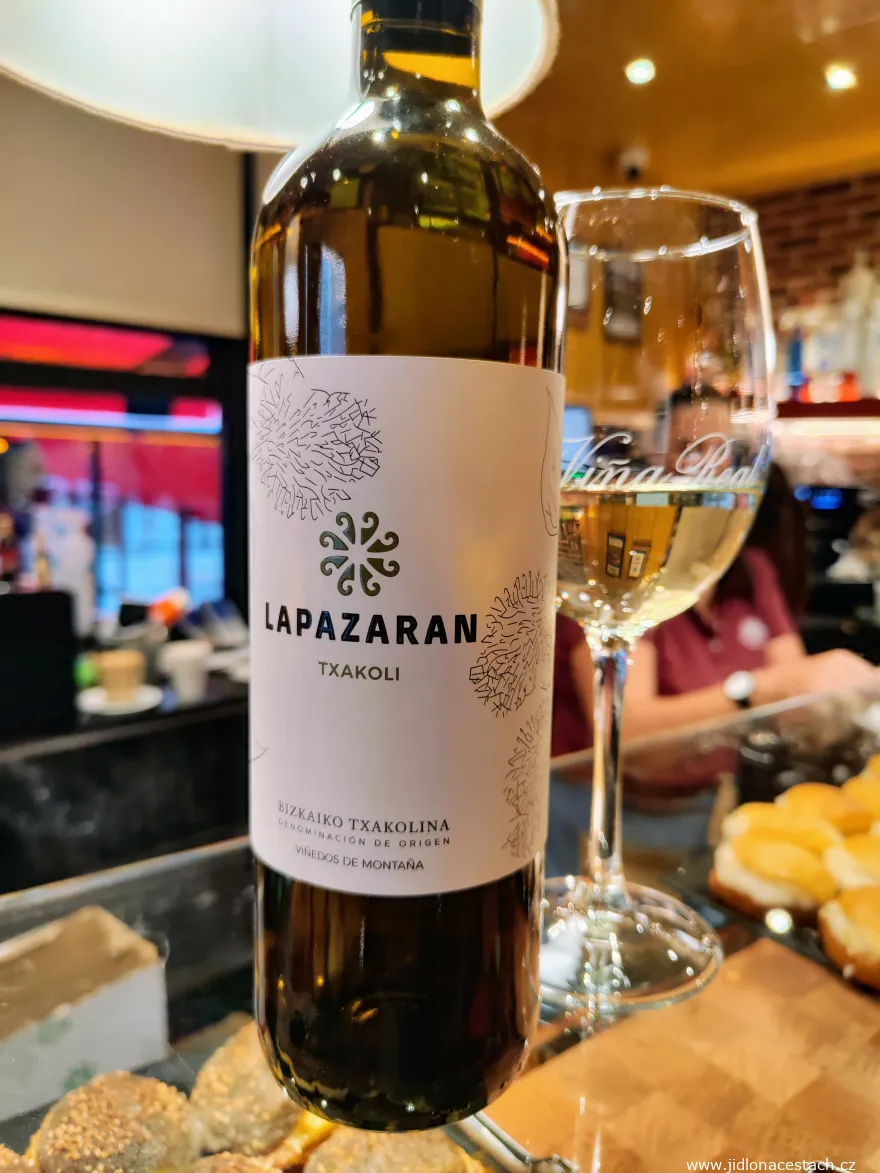
What Txakoli Means and Where They Say Chacolí
The name supposedly goes back to an evasive answer. When a Basque farmer was asked how much wine he had made that year, he said etxeko ain, just enough for the house. From that, according to the most widespread if folk etymology, came etxekolain and finally txakolin; linguists take it with a pinch of salt, but they have nothing better. For centuries txakoli was a wine from the farmstead, not from a winery: it was made for the family table and a few neighbors. In Spanish it is called chacolí, and under that name people drank it beyond the Basque Country too, in neighboring Cantabria and in the north of Burgos province. Only three Basque areas got a protected designation, though, and when Cantabria and Burgos claimed the right to the name in 2010, Cantabria came away with nothing and Burgos with the kind of compromise only a government office could dream up: one valley there may sell its wine as Chacomena. In Chile they still make a completely different wine called chacolí, brought over by Basque immigrants - the name stayed, the grapes didn't. And Portuguese vinho verde is only a stylistic lookalike: light, tart, with a spark to it, but from different varieties and no relation.
From the Bilbao Councilors to Twenty-One Hectares
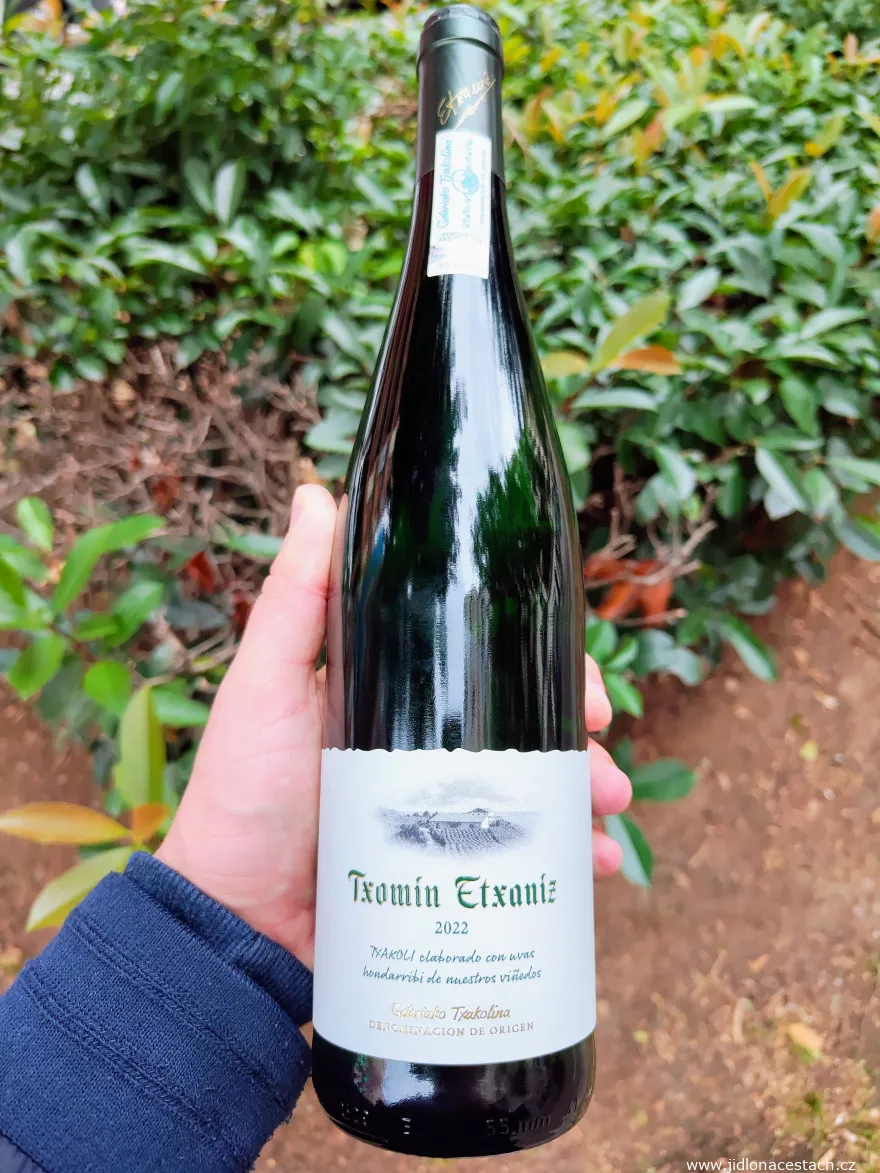
The story of txakoli doesn't start with a sultan or with monks, but with town councilors. In 1399 the town council in Bilbao banned imports of outside wine until the local wine from the farmsteads had sold out - the oldest dated evidence that such a wine existed here and was worth protecting. Nobody knows when it was first pressed. The protection lapsed at the end of the 19th century, phylloxera arrived along with cheaper wines from the south, and farmstead wine disappeared so thoroughly that by 1982 the whole Basque Country had 21 hectares of vineyards left, barely thirty soccer fields. The revival was led by the winemaker Iñaki Txueka of the Txomin Etxaniz winery in Getaria, and 1989 brought the first of today's three protected areas, Getariako Txakolina; the other two provinces added theirs later.
How Txakoli Is Poured and What You Drink It With
More than ninety percent of txakoli comes from a single grape, Hondarrabi Zuri. It sounds almost the same as Hondarribia, the port near the French border, but it's a different word, and travel websites mix the two up all the time. The grapes ripen a stone's throw from the Atlantic, and it shows in the wine: plenty of acidity, little sugar, alcohol somewhere around ten to twelve percent and bubbles that nobody added - they are leftover carbon dioxide from fermentation, and it stays there as long as the wine is kept young and cold. There is a rosé and a red txakoli too, from the Hondarrabi Beltza grape, but in a bar you will almost always get the white one.
People drink it cold, around six to eight degrees Celsius, and poured from a height. The rules of the Getaria area recommend twenty centimeters, so that the wine breaks against the glass and fizzes; Basques pour their cider from a height for the same reason. The glass is wide and low, more of a cider glass than a wine glass, and you order it with the article: "txakolina, mesedez". It is at its best at the counter, with a gilda or another pintxo, and during txikiteo, when you have one glass in each bar and move on; it cuts through the fat of grilled fish and of the sheep's cheese idiazabal. Look for the most recent vintage on the label: txakoli isn't a wine you drink old, and a bottle that has survived two summers on the shelf has already lost the thing you buy it for.

A Glass on the Counter in San Sebastián
I drank txakoli in San Sebastián, at the counter of one of the pintxos bars, among people who paid no attention to the bartender pouring from a height because they see it every day. In the glass it foamed up like soda water and within a minute it settled into a fine sparkle; the first sip was mouth-puckeringly sharp, the second already tasted of green apple and salty bread crust, and it was so light that moving on to the next bar took no effort at all. I don't remember what the glass cost; in a pintxos bar you don't order this wine by price, but by how many bars you still have ahead of you. Twenty centimeters, says the regulation. The bartender in San Sebastián had his own.


