Lao Fang Zi: A Cantonese Restaurant in Flic en Flac
The most valuable thing they put in front of me that evening wasn't on a plate. It was cold air. A Mauritian evening holds on to the heat of the day, and an air-conditioned dining room is the kind of island luxury that never shows up on the bill but stays with you for a long time.
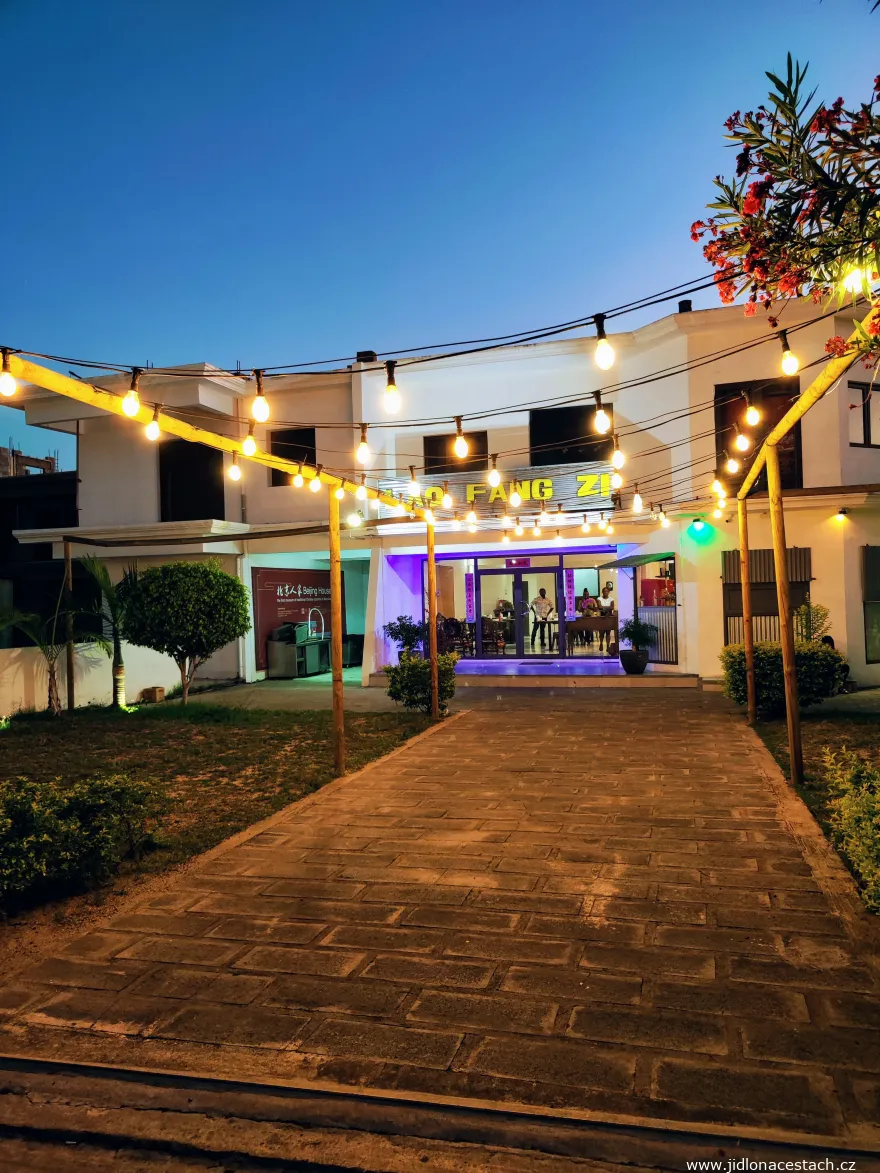
Lao Fang Zi (in Chinese 老房子, "old house") is a Cantonese restaurant a short walk from the center of Flic en Flac, the largest resort town on the west coast of Mauritius - and I walked in with a simple plan: after weeks of Mauritian food, I wanted someone else to do the cooking.
An Old House That Is New to the Island
The name reaches straight for nostalgia: lao fang zi means old house, and Chinese restaurants pick names like that when they want to promise tradition and family recipes. Diners, though, welcomed Lao Fang Zi as fresh blood on the island's Chinese scene - the restaurant called Old House is one of the youngest here. What is genuinely old is the scene behind it: the first Chinese arrived on the island from Canton at the end of the 18th century, after 1860 the Hakka from Meixian outnumbered them, and Port Louis still has its Chinatown, half a kilometer along Rue Royale, where a Chinese food festival is held every October.
Their descendants make up about three percent of the population today, the smallest of the island's four large communities; guidebooks still like to bill them as a "significant minority". The census gives them three percent, the island's menu gives them considerably more: fried noodles mine frit and steamed dumplings boulettes are Mauritian classics of Chinese origin, and some versions of them - chayote dumplings, for one - would leave anyone in Canton itself puzzled. Escaping local food for Chinese food in Mauritius only takes you in a circle - you end up right back at the source.
Crispy Chicken, Wood Ear and a Starter You Never Ordered
The restaurant sits on Coastal Road behind the parking lot of the Pasadena complex, a short walk from the beach, and the inside is spotless. The kitchen sticks to the Cantonese repertoire: steamed fish, noodles, fried chicken and, on Friday evenings, a buffet where you pay once and then stop counting. A European will know that menu from Chinese places back home, but here it is cooked by the descendants of the people who brought it to the island. Before you even order, a bowl of pickled vegetables and mushrooms lands on the table on the house. In Chinese the black slices are simply wood ear, while Europe named them Judas's ear, after the legend that Judas hanged himself from an elder tree, the fungus's favorite host.
Two Plates of Chicken on Coastal Road
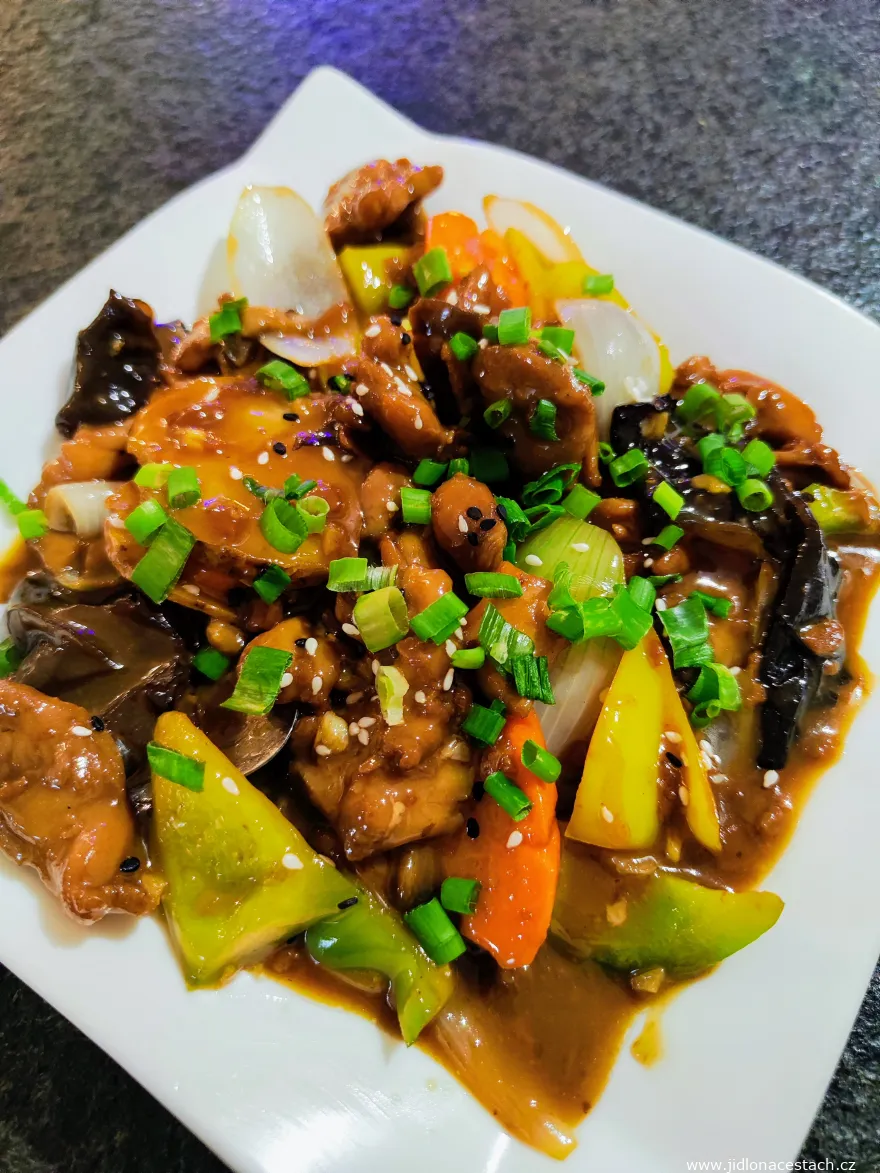
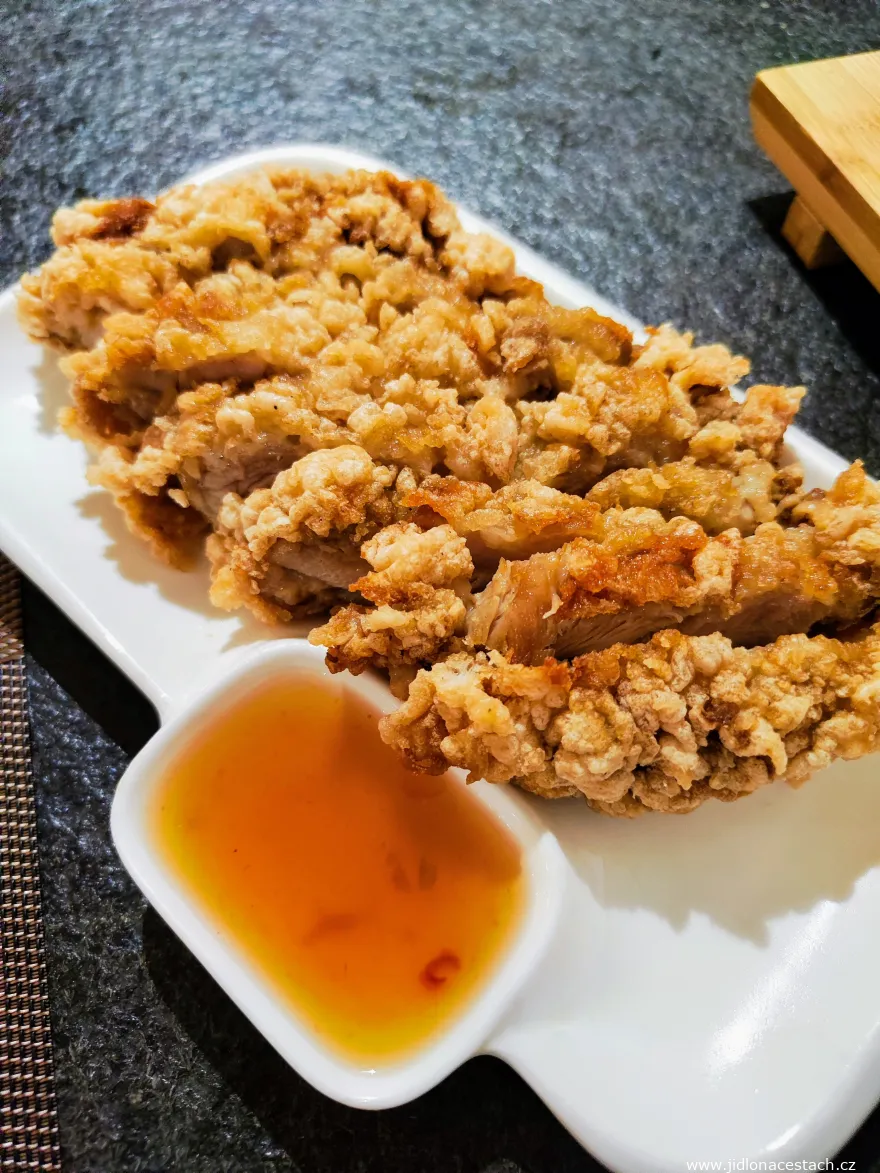
The bowl on the house arrived on cue, before I had a chance to order. Then came strips of chicken flash-fried with a mix of crisp vegetables: the mix was superbly seasoned, the chicken juicy, the vegetables crunchy and still nowhere near raw, with slices of Judas's ear and two slices of potato glistening among it all. The second plate brought crispy fried chicken with sweet and sour sauce, thigh meat fried right through and juicy all the same. The first dish was 275 MUR (5.60 EUR), the second 250 MUR (5 EUR), and a large portion of rice for both was 2 EUR. The staff were quick, spoke English and took cards - the one time in my whole stay on the island I got to pay that way in a restaurant. After that all that was left was to finish up, open the door and let the island serve its warm evening back to me.
Lao Fang Zi


