Machaneh Yehudah Market: The Jerusalem Souk That Transforms Before Shabbat
Friday afternoon, and the lanes are so packed you can't take a step. Vendors shout over each other, prices drop with every new call, and if you linger at a stall a second too long, the crowd carries you three meters further on. Nobody is browsing here: this is last-minute shopping, because in a few hours it will be too late.
The Machaneh Yehudah market (Hebrew: מחנה יהודה) is the main marketplace of West Jerusalem - more than 270 stalls and little shops selling fruit, olives, spices, meat and sweets, with bistros squeezed in between them where you can taste Israeli cuisine right at the counter.
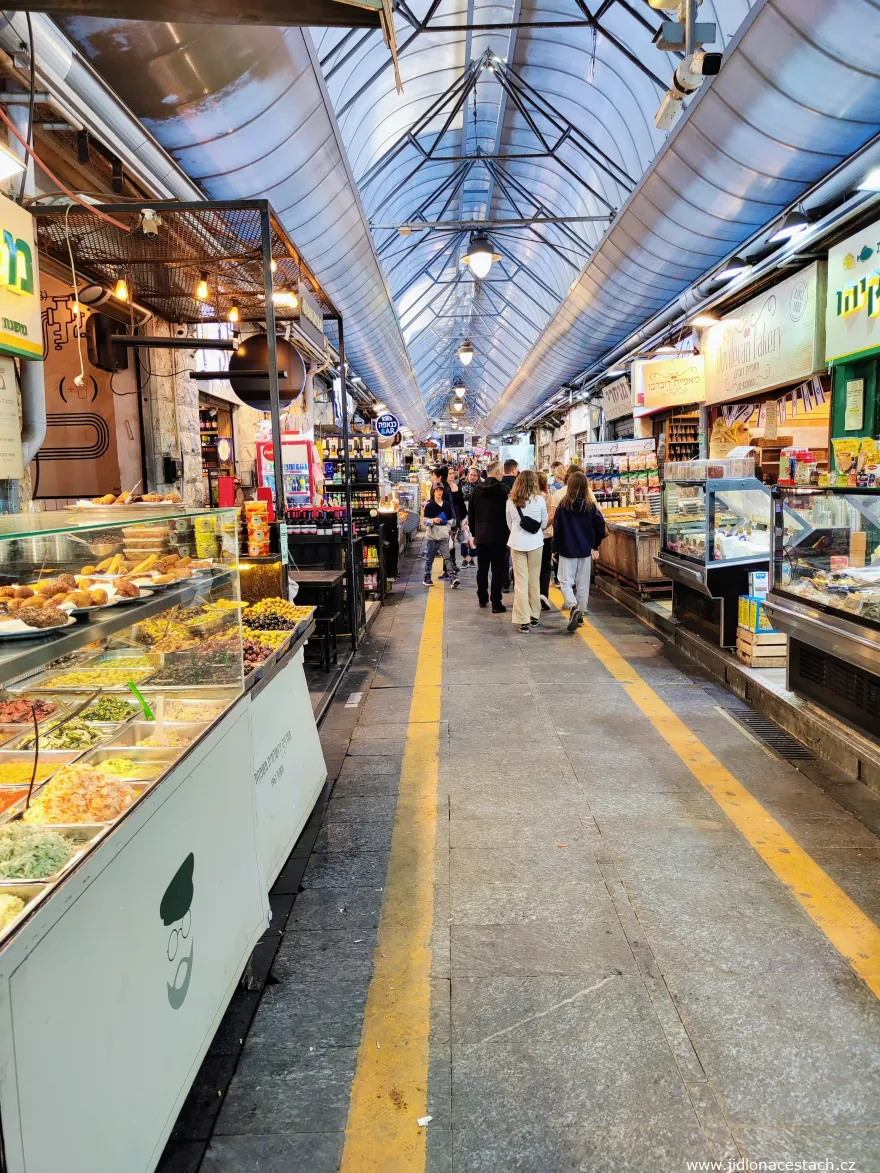
How the Market Began and Got Its Name
Locals don't say Machaneh Yehudah, they say ha-shuk - the market - and everyone knows which one. Hebrew shuk, incidentally, is the same word as Arabic souq: both go back through Aramaic to the Akkadian word for street. The official name was borrowed from the neighborhood next door, founded in 1887 by three businessmen who named it after Yehuda Navon, a brother of one of the three who had died young. It literally means Judah's camp. Don't read a biblical tribe into it - and don't expect much accuracy either, because the market never belonged to that neighborhood. It sits beside it, on plots of its own.
The market has no founding year, because nobody founded it. In the late 19th century, still under Ottoman rule, farm women from the villages around Jerusalem began selling their produce on an empty plot owned by the wealthy Valero family, beside the road to Jaffa. Buyers from the new neighborhoods outside the walls no longer had to go to the markets of the Old City, and the sellers no longer had to go to them - the market grew out of the walk that both sides were spared, today a web of lanes around two main arteries: one still open to the sky, the other under a translucent roof that replaced the old leaky tin sheets.
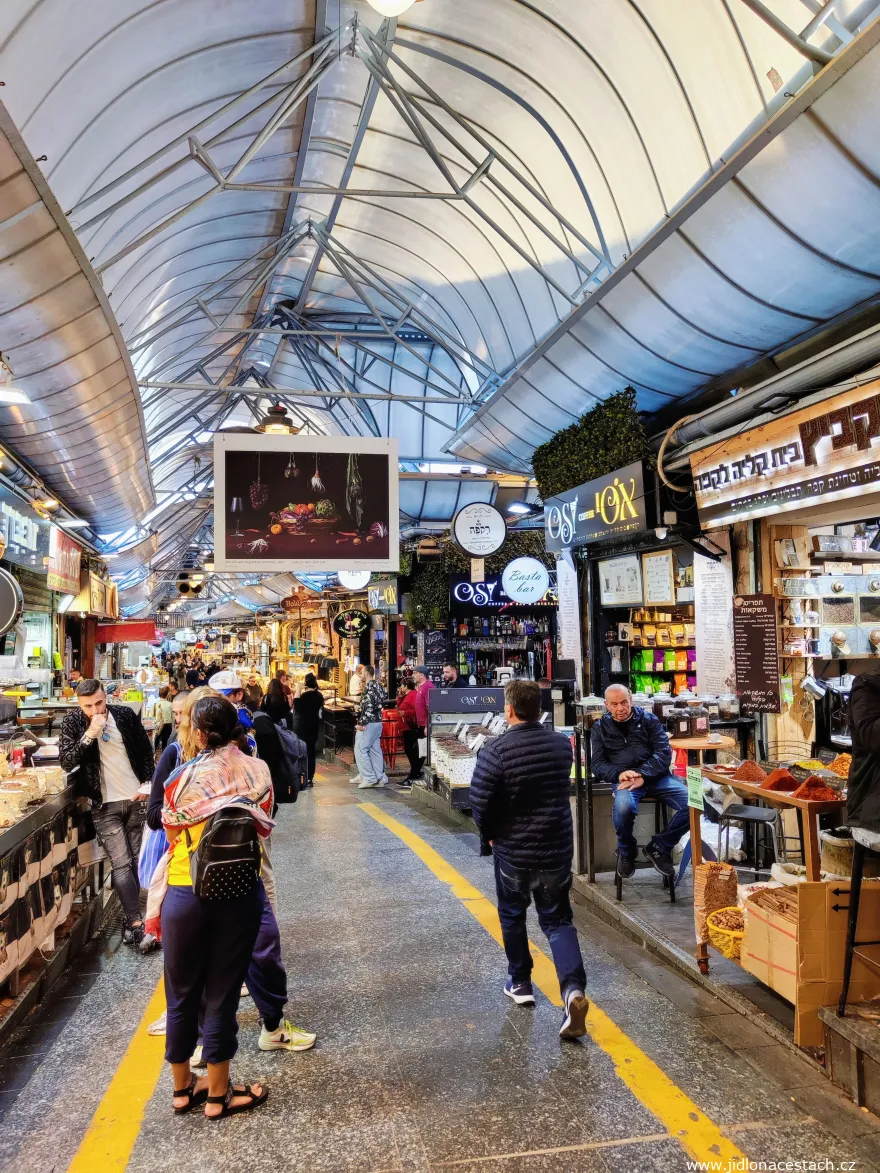
A Market by Day, a Bar by Night
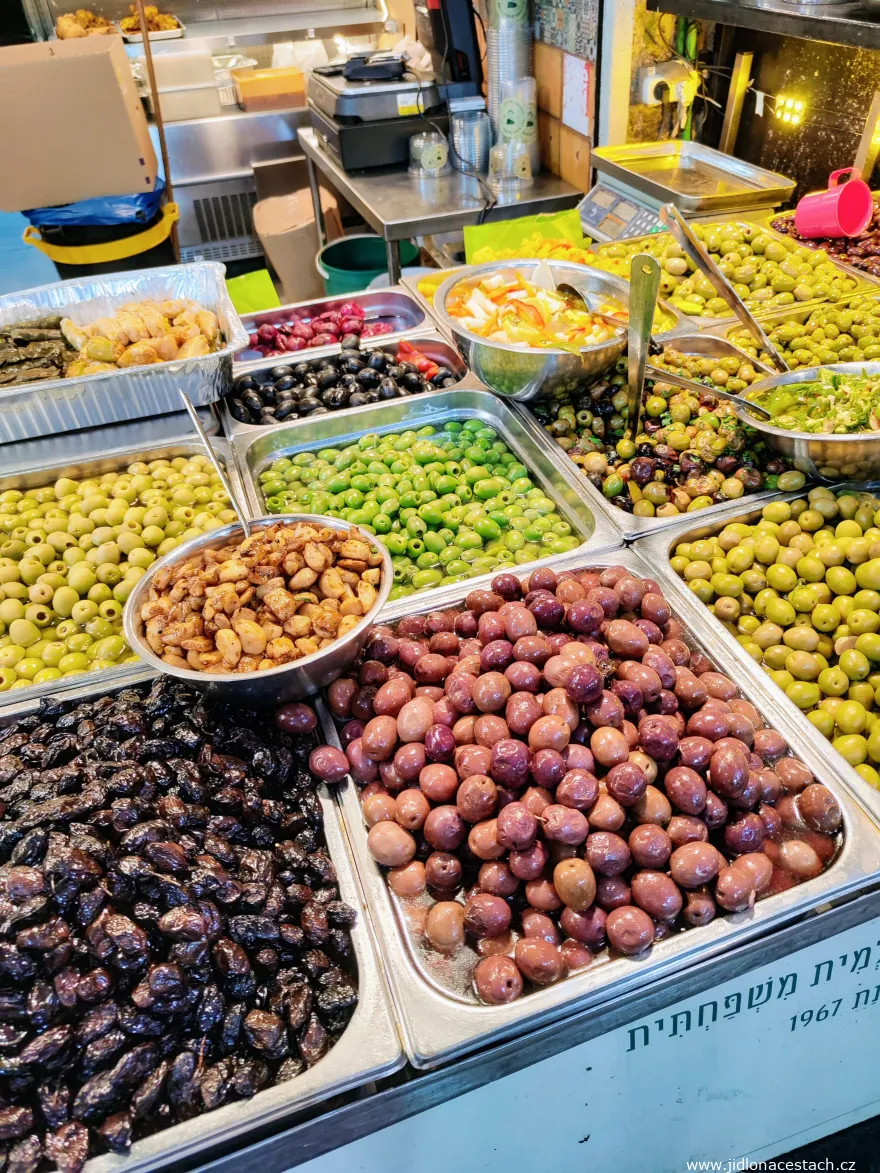
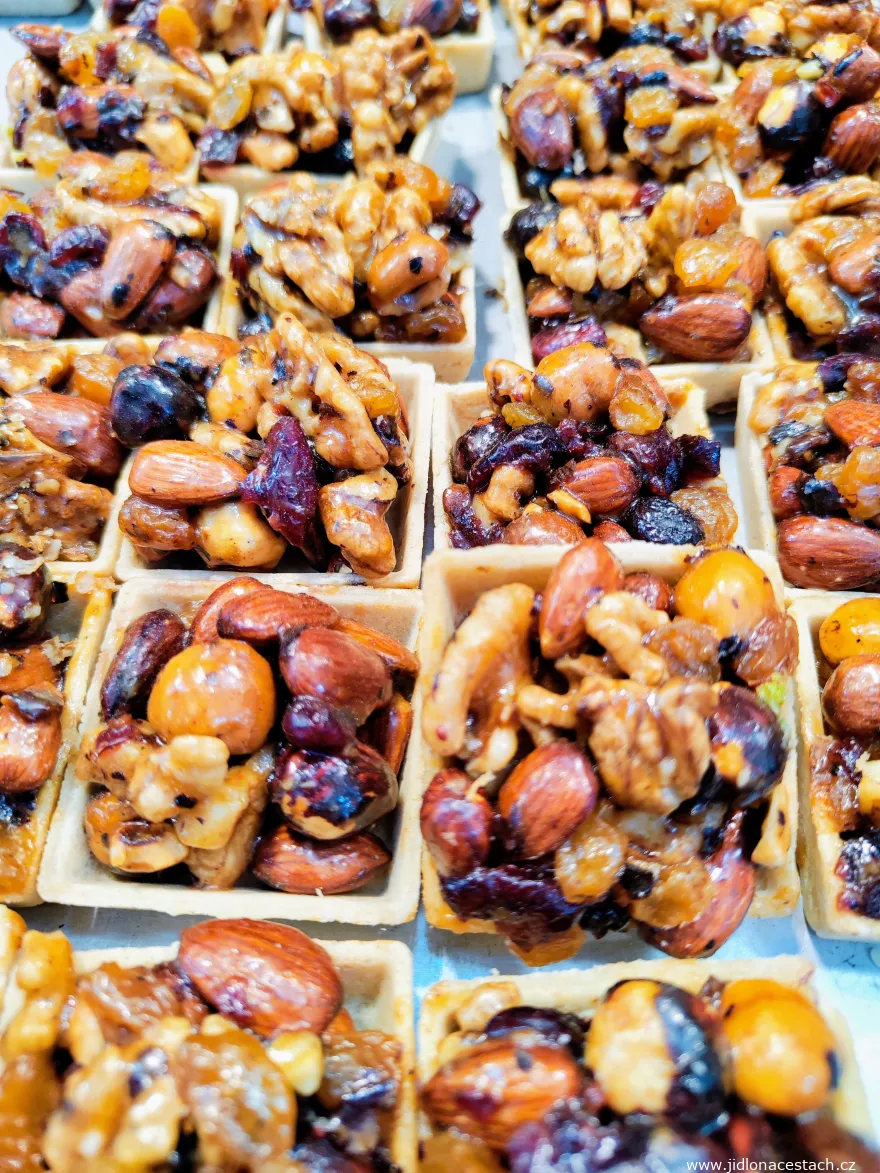
By day, Machaneh Yehudah is the pantry of Jerusalem: tubs of olives in brine, pyramids of pomegranates, spices scooped up by the shovelful and halva cut from big blocks - the Halva Kingdom shop has been selling over a hundred kinds of it here since 1947. A little further on, the smell of chocolate rugelach drifts over from the Marzipan bakery, and alongside it are bistros serving falafel and shawarma; in one of them on Agripas Street, so the story goes, the Jerusalem mixed grill me'orav was born when the owner ran out of charcoal and threw whatever was left onto the griddle. The legend has several versions, and every place tells the one where it comes out on top. After dark the market changes character: the shutters roll down and bars open between the closed stalls. And on those lowered shutters hundreds of portraits light up, painted there night after night by the artist Solomon Souza - a gallery that opens exactly when the shops close.
Friday at Machaneh Yehudah
Shabbat begins on Friday at sunset, and the market builds its whole day around it: it closes around three, and the last hours before that are given over to the sell-off. Traders practically give their goods away rather than carry them home over Shabbat. Twenty minutes before dark, a siren sounds over Jerusalem to announce Shabbat; the warning long predates the state - the Mishnah already mentions the trumpet blast before Shabbat. The Arab markets by Damascus Gate meanwhile keep their own calendar - their Friday is cut short by the midday prayer, not by sunset. If crowds aren't your thing, come on a weekday morning and save Friday afternoon for the spectacle.
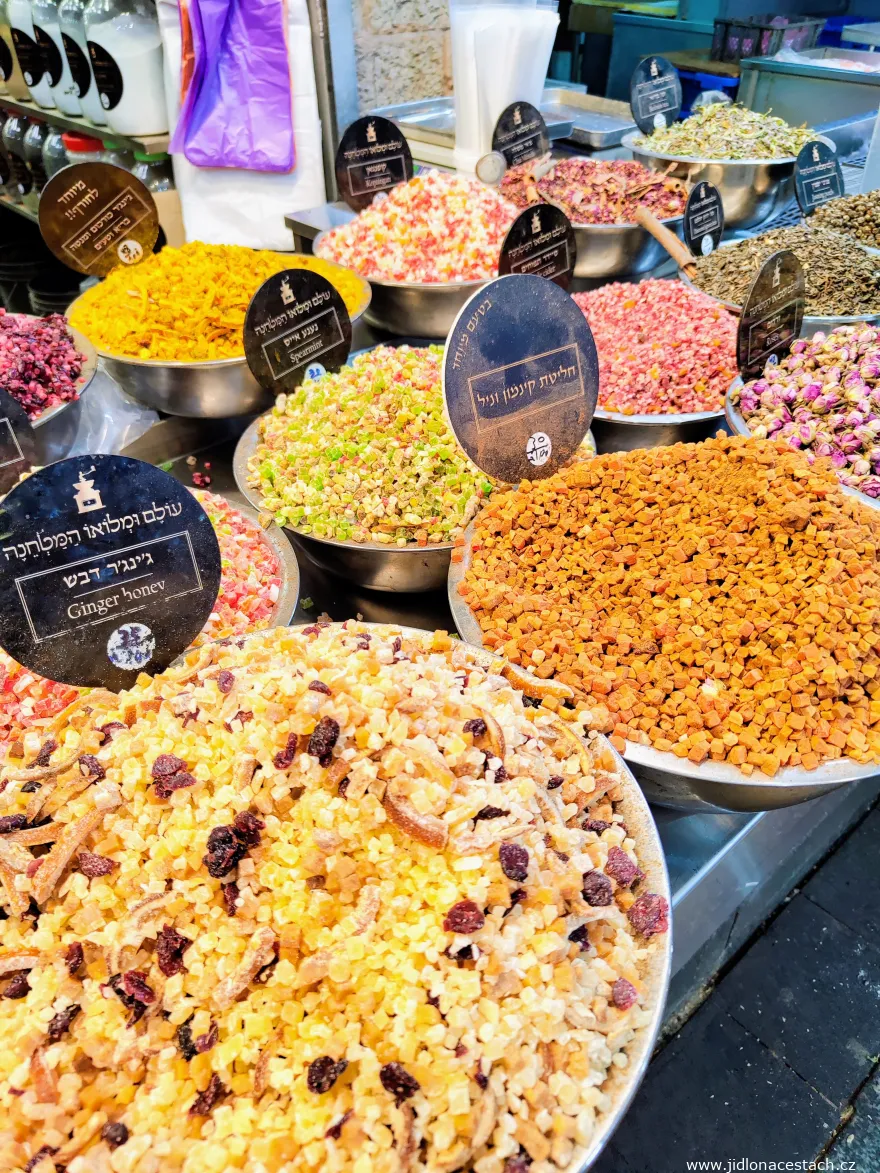
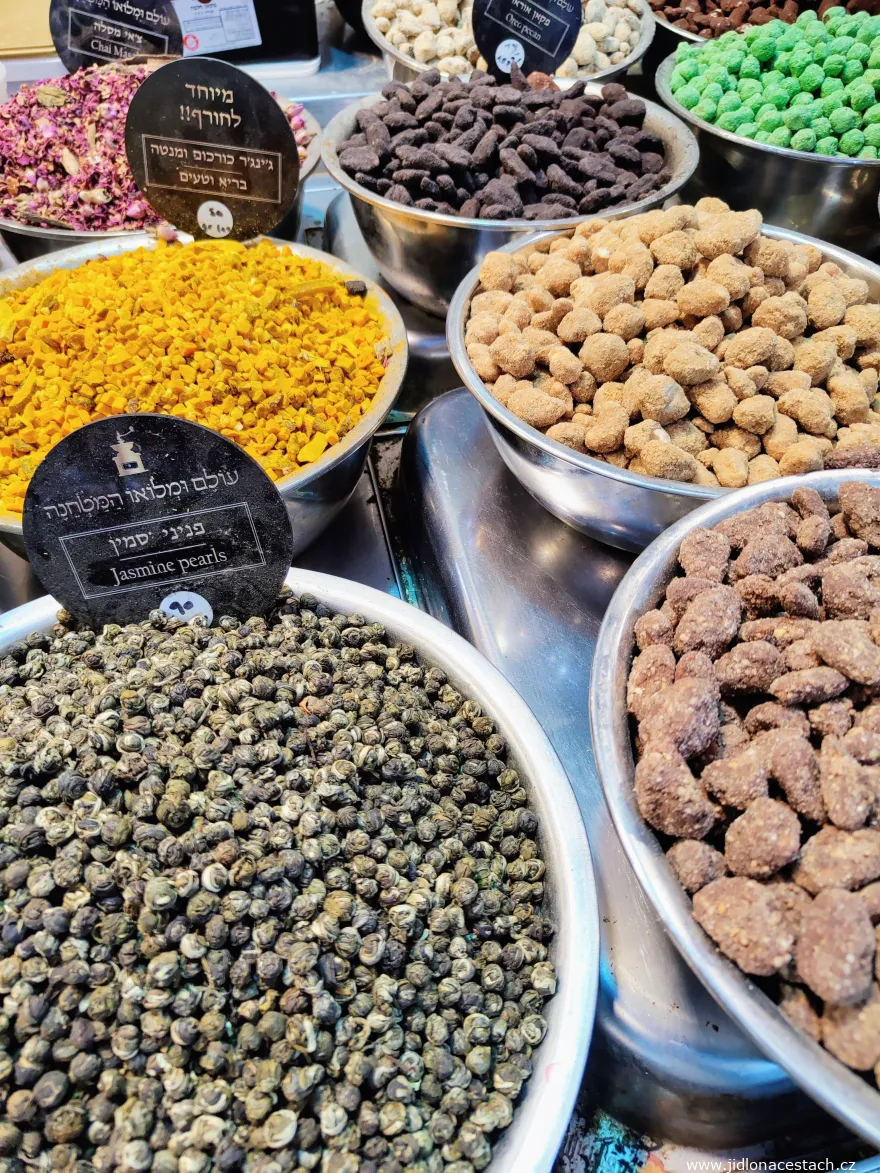
Until the First Star
I was in the market on a Friday afternoon myself, and the noise and the crush were insane: everyone was cutting prices, everyone was trying to clear their stock, and some lanes you simply couldn't get through, because half of Jerusalem was shopping for Shabbat and the other half was trying to get one last meal in the bistros. Then it got dark, the first star came out, and Shabbat began. The place emptied out in a matter of minutes. The lanes you couldn't walk through were suddenly bare, the bistros dark, the shutters down; only a few people with brooms were left. I never expected an ordinary closing time to get to me like that. Because the market didn't close. The market vanished.
Trh Machaneh Yehudah


