Tortilla de patatas, the Spanish potato omelet, is the true heart of Spanish cuisine. This simple dish made from potatoes, eggs, and oil can be found everywhere; it is incredibly versatile and brings together Spaniards across regions and social classes. Tortilla de patatas has a long tradition, and its preparation is passed down from generation to generation. Cooking and sharing this meal together symbolizes the sense of community in Spanish life. Whether with onions or without, tortilla de patatas is one of the dishes you must try in Spain.
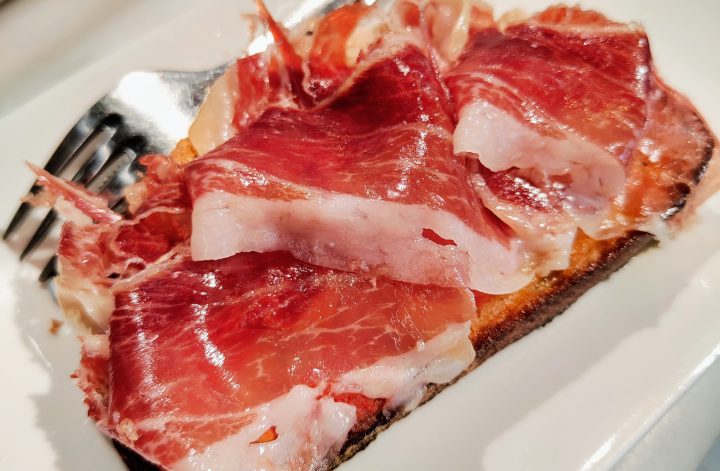
A Spanish breakfast is traditionally light and simple. Some of the most popular options include pan con tomate y jamón (toasted bread with tomato and cured ham), tortilla de patatas (potato omelette), bocadillos (sandwiches), and churros con chocolate (fried dough pastries with chocolate). To drink, a strong coffee is typically served, often accompanied by freshly squeezed orange juice.
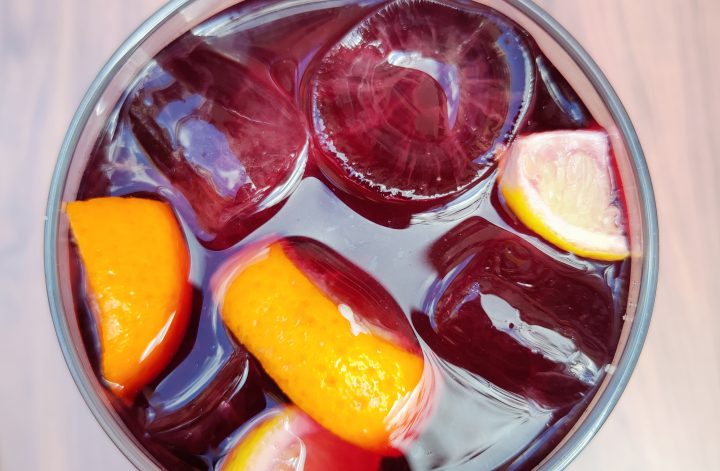
Sangria is a popular Spanish cocktail that Spaniards often enjoy at home. Authentic sangria is made by macerating fruit in wine for a long period. Sangria comes in many variations, such as traditional red, white, or cava sangria. In 1964, sangria was declared Spain's national drink.
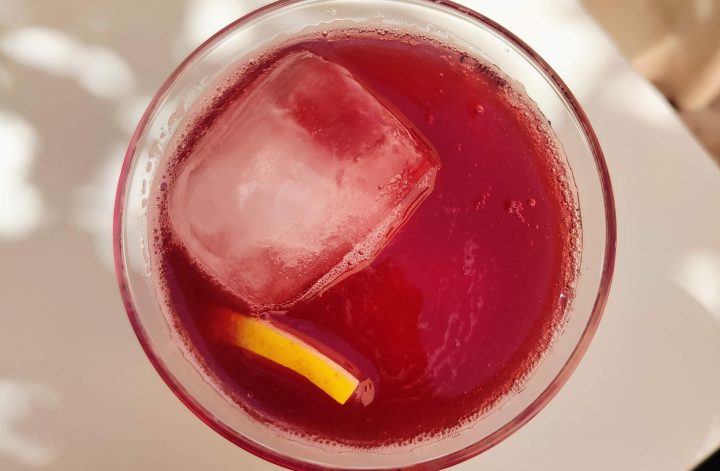
Tinto de verano is the most popular Spanish summer cocktail, made with red wine and lemon soda. It is served in a tall glass with ice and a slice of lemon or orange. There are several variations of this drink, such as using fresh lemon juice, orange soda, or sparkling water. Although tinto de verano is very popular in Spain, it remains virtually unknown outside of the country.
Basque gastronomic societies, also known as txokos or elkarteak, are a prime example of the integration of culinary tradition and social life in northern Spain. In these private clubs, members gather to cook, eat, and drink together. Txokos are renowned for their high level of culinary artistry. Entry to txokos for non-members is only possible by invitation from an existing member.
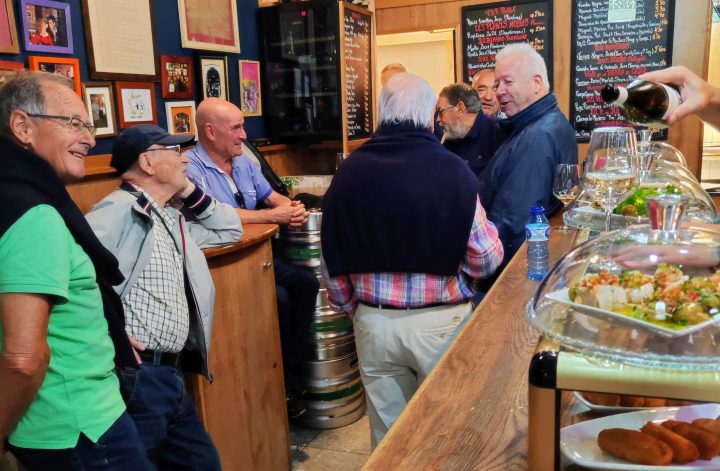
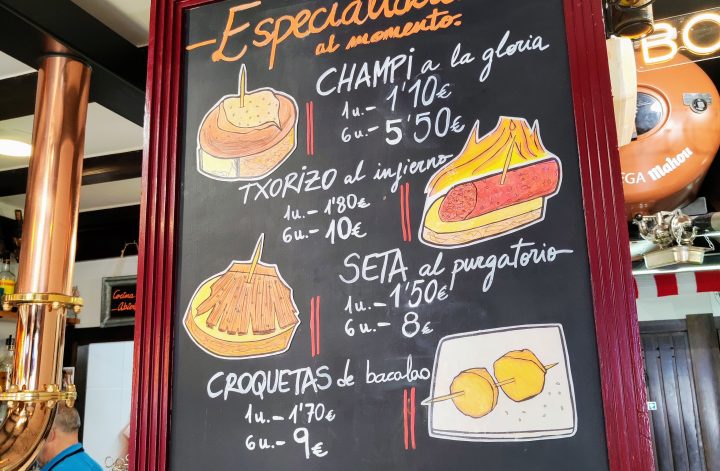
Txikiteo is a Basque tradition where people move from one bar to another, sampling each establishment's renowned specialties. Each venue is often famous for only a few dishes that it prepares perfectly. Small glasses of beer (zuritos) or wine (txikito) are ordered with the food. Txikiteo is an important part of Basque identity.
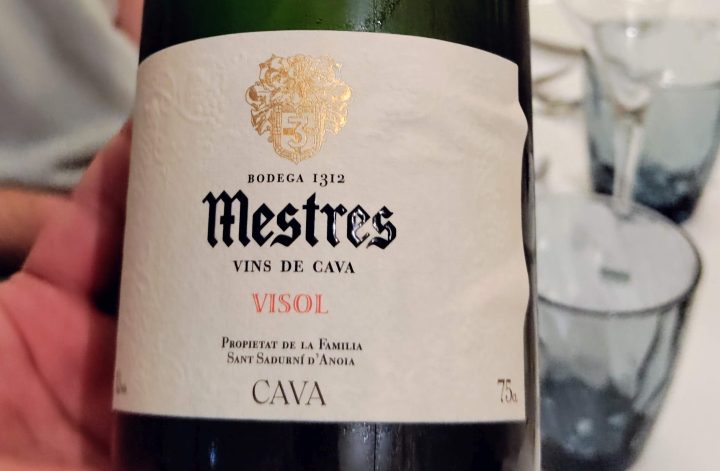
Cava is a Spanish sparkling wine produced using the traditional bottle fermentation method, similar to French Champagne. It is primarily made in Catalonia from local grape varieties. The production process involves secondary fermentation in the bottle and aging in underground cellars for at least 9 months. Cava was officially recognized in 1972 and is now the second best-selling sparkling wine in the world after Champagne.
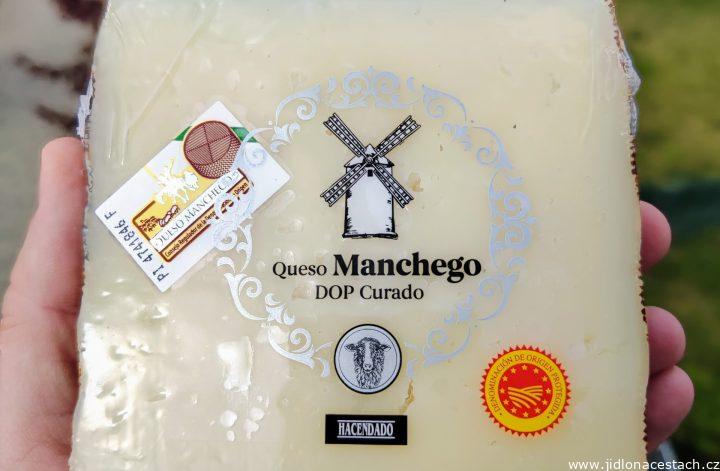
Spain is a true cheese powerhouse with a rich tradition dating back to ancient Rome. The country produces more than 150 types of high-quality and diverse cheeses, many of which have protected designation of origin (DOP). Among the most famous Spanish cheeses are Manchego, the king of Spanish cheeses made from sheep's milk, Mahón cheese with its distinctive orange rind, and Cabrales, a blue cheese from Asturias aged in natural caves.
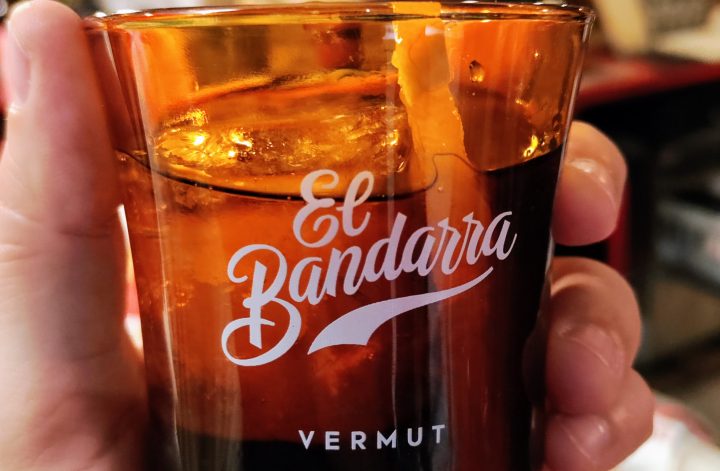
Vermouth is an aromatic alcoholic beverage with a long tradition that has gained immense popularity in Spain. It is made from white wine enriched with wormwood, cinnamon, cloves, and other ingredients. Vermouth is an integral part of Spanish gastronomic culture and pairs wonderfully with local tapas. The tradition of drinking vermouth is associated with "la hora del vermut" (vermouth hour), a time spent with friends before lunch.
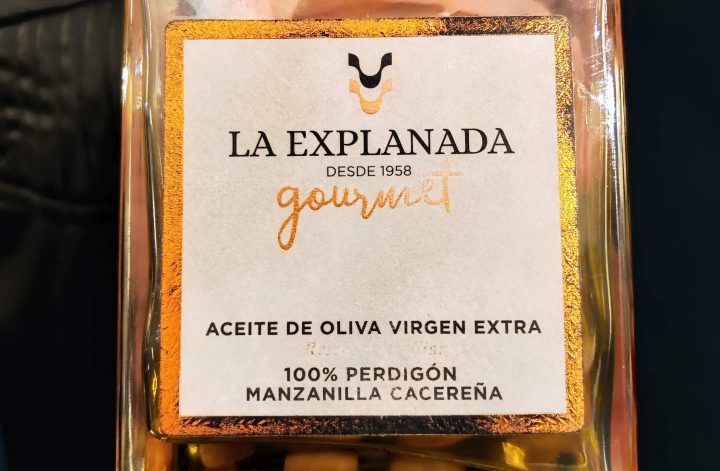
Spain is the world's largest producer of olive oil. Olive oil, an inseparable part of Spanish cuisine, is produced using both traditional and modern methods from various olive varieties such as Picual, Arbequina, Hojiblanca, and Cornicabra. Notable production regions include Andalusia, Catalonia, and Castilla-La Mancha, each with its own unique flavor and aromatic profiles.