Txokos: The Members-Only Basque Gastronomic Clubs
This is probably the only article on this site about a place where I didn't eat. Not for lack of trying. You can't buy your way into a txoko, you need an invitation from a member.
A txoko is a members-only Basque gastronomic club: a society with its own kitchen and a long table, a place where the members do the cooking, the pouring and the tallying up of what they ate - a piece of Basque cuisine you don't order, you inherit. Nobody waits on you, nobody makes money on it and nobody off the street gets in. And still the Basque Country has over fifteen hundred of them.
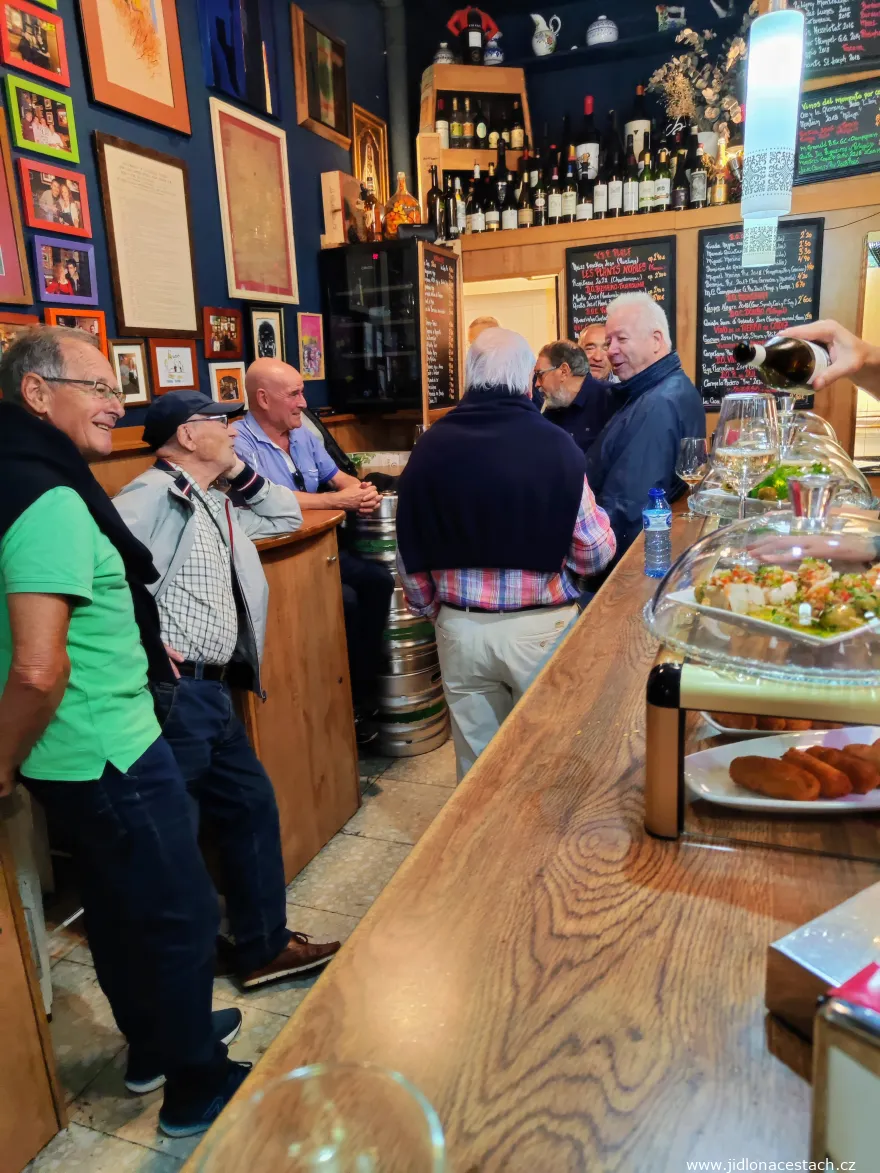
A Corner with Its Own Bylaws
In Basque it's pronounced "cho-ko", and it means corner: txoko is the diminutive of zoko, a corner, a snug nook. The plain corner has grown into an institution with bylaws, a committee, a waiting list and an entry fee in the thousands of euros - the official name is elkarte gastronomikoa, in Spanish sociedad gastronómica, and in Gipuzkoa people simply say soziedade. The word txoko comes from around Bilbao, but it caught on so thoroughly that the whole Basque Country and the rest of the world use it today; in Pamplona the same thing is called a peña. There are over 1,500 clubs in the autonomous Basque Country alone and more than 32,000 members, thickest on the ground around San Sebastián, which came up with the whole idea and still guards it like the family silver. Navarre has more than a hundred of its own, and Basque emigrants carried the name txoko as far as Argentina.
Born in a Tavern, Kept Alive Under Franco
The txoko was born in the middle of the 19th century in San Sebastián, where the town's taverns and sidrerías closed whenever the authorities told them to, so a group of men got themselves a room where the closing time is set by the chairman. The sources agree on the name of the very first society, La Fraternal; they just can't agree on the year. The oldest one still running, Unión Artesana, dates to 1870, and every January 20 it officially closes the tamborrada, the town's biggest festival - a secret kitchen turned ceremony. The legend that the clubs started as an escape from wives is as widespread as it is undocumented; what is documented is a far harder fact, that under Franco's dictatorship they were among the few places where you could speak and sing in Basque with nobody listening in. Politics wasn't discussed out loud, and the singing made up for it. That these were men-only clubs isn't folklore, it's in the bylaws: as recently as 2024 the Aizepe club in San Sebastián expelled a member for letting a woman into the kitchen during a family lunch. The official reason was "a lack of respect for the internal rules".
What Gets Cooked in a Txoko and Why There Are No Pintxos
You don't come to a club for tapas. What gets cooked here is full courses, heavy and slow: marmitako with tuna and potatoes, bacalao al pil-pil, where the cod rocks in an emulsion of oil and garlic, kokotxas cut from fish throats and the black beans called alubias de Tolosa, with txakoli or a red alongside. Pintxos and the gilda belong in the bars; in a txoko the table is just somewhere to set the pots down. The members do the cooking, nobody else, and Martín Berasategui, holder of Michelin stars, is said to be among them - probably the only way in the Basque Country to get a star at your own stove for free. The closest picture I can offer from back home is an allotment garden, where instead of a plot everyone has a stretch of table and instead of a hose a stove: your own key, your own rules and an argument about who left the pot unwashed. Anyone who wants to join needs a recommendation, a vote of the committee and a few years on the waiting list; the entry fee runs between 4,000 and 6,000 EUR, and when a member dies, his place passes to his children free of charge. You book the table in a ledger and write your tab in a notebook, and whatever you wrote down is what you pay. A non-member gets inside only as a guest, so if somebody invites you, don't turn it down.
The Door I Never Got Through
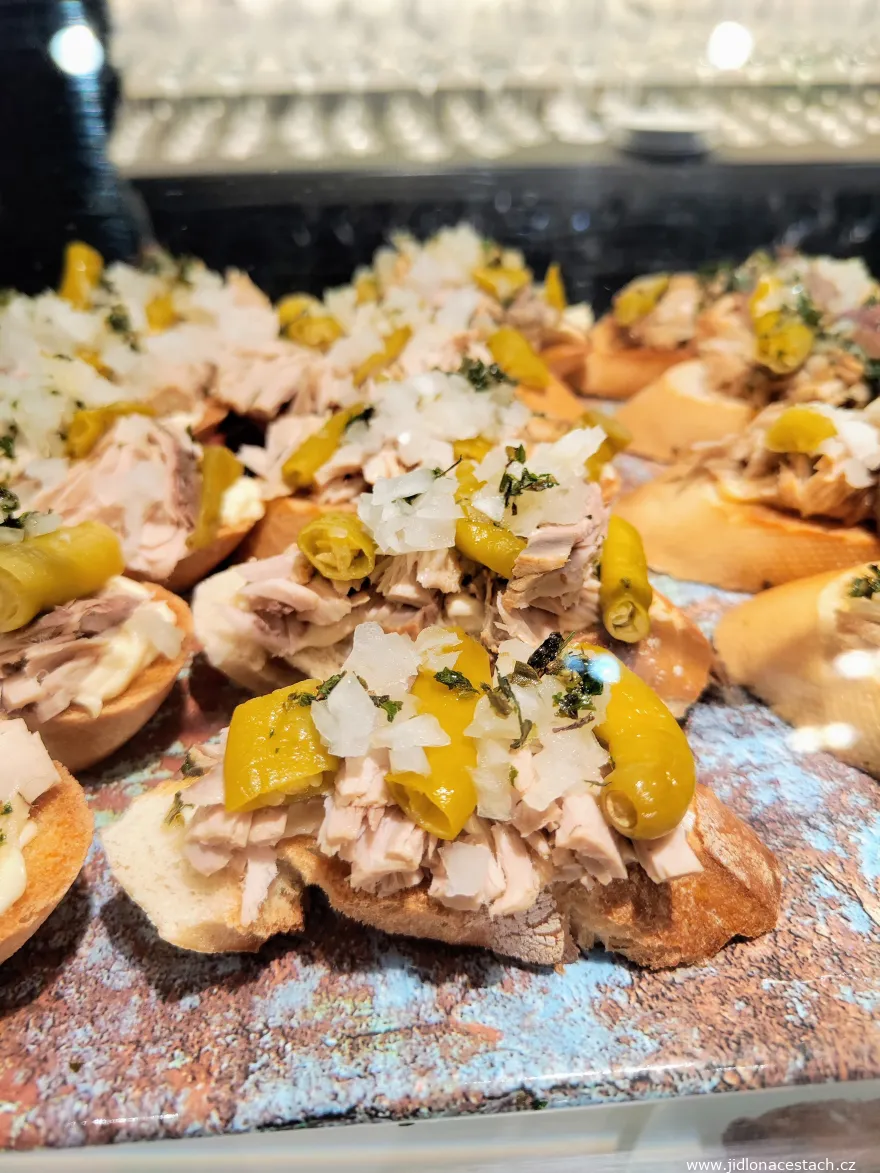
In San Sebastián I made it to the glass counters full of txakoli and gildas, but not past the door of a txoko. Nobody knew me and nobody invited me, which is exactly the state of affairs a txoko exists for. The one window in I got from Anthony Bourdain, who in the 2017 Parts Unknown episode on San Sebastián ate raw tuna, prawns and steamed clams in a txoko - and his delight came right through the screen. It's the one meal in the Basque Country you can't order, and that is exactly why it gets talked about the most.


