Romanian Wine: Fetească Grapes, Cotnari, and Two Bottles from Iași
Of the two bottles I bought in Iași (also spelled Iasi) as Romanian wine, only one is actually Romanian. The other, the red, comes from a winery across the river Prut, in Moldova - and it sits on the shelf of a Romanian supermarket as though that border had never been drawn.
Romanian wine (in Romanian: vin românesc) comes from the sixth-biggest wine producer in the European Union, built on its own grapes - fetească, tămâioasă, grasă - and Romanian cuisine drinks almost all of it at home, which is why so few people abroad have heard of it.
Fetească, Băbească, Tămâioasă: Grapes Named After Women and Incense
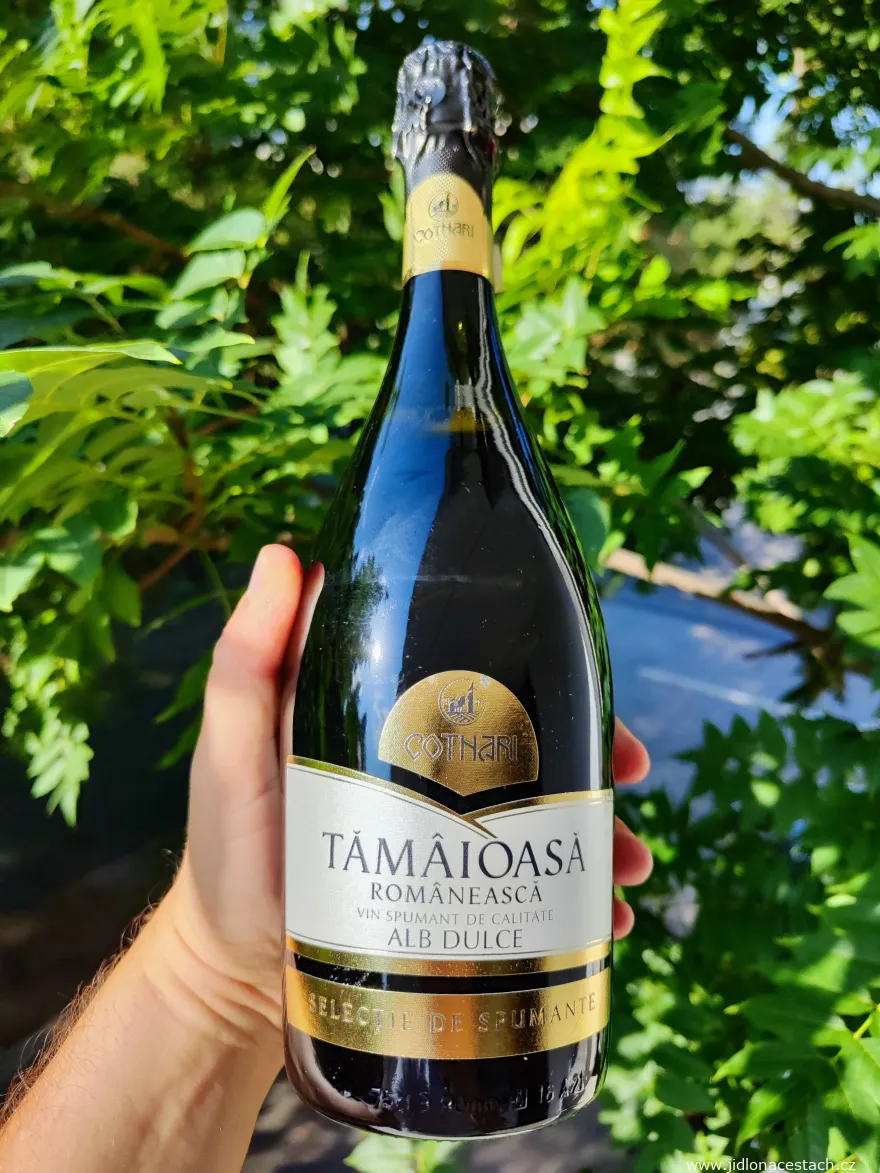
Romanian grapes aren't named after villages or noble families, but after the people of the household. Fetească, the most common of them, means "maiden's" (from fată, girl) and comes in a white, a black, and a royal version; băbească neagră is "grandmother's black", and tămâioasă, a Muscat-type grape, took its name from incense (tămâie), which is what it smells of. Those names apply on both banks of the Prut: fetească grows in Romania and in the Republic of Moldova alike, and both countries consider it theirs. International catalogs list it as Romanian, which has done nothing to settle the argument. The grandmother's grape crossed the border even more elegantly - in Moldova it goes by rară neagră, "sparse black", named for its loose bunches, so two countries end up arguing over the same vine under two names. Neighboring Bulgarian cuisine builds its wine on mavrud and gamza, neither of which it shares with Romania, and Hungary's Tokaj has a botrytized cousin in Cotnari that I'll come back to.
Europe's Sixth-Biggest Producer That Nobody Knows About
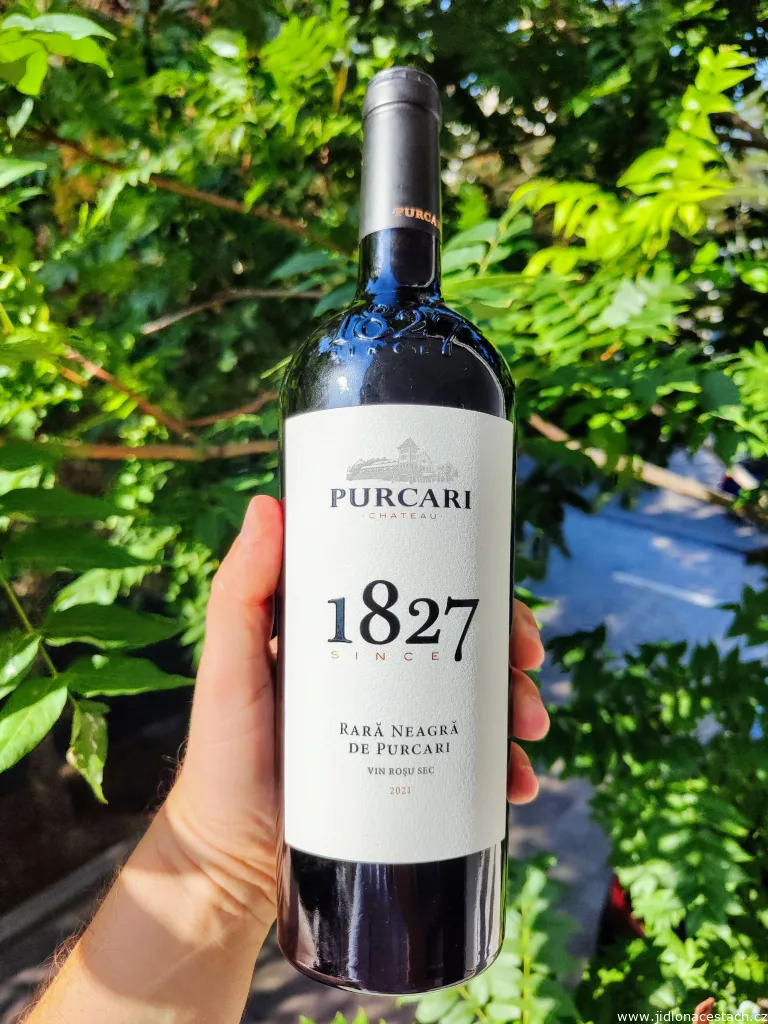
The oldest record of wine on what is now Romanian soil is a record of its destruction: according to Strabo, the high priest Deceneus persuaded the Dacians to tear out their vines and live soberly. The vines came back and stayed; the peak came in 1972 with 300,000 hectares of vineyards, which communist planning filled mainly with hybrids for home production. Today Romania is the sixth-biggest wine producer in the European Union, and yet almost nobody abroad has heard of it - it exports under ten percent of what it makes and spends four times as much on imported wine as it earns from exports. The average Romanian adult drinks over 24 liters a year; which explains it. The Republic of Moldova across the river is the exact opposite: it exports most of what it produces, and most of those bottles go to Romania. That's where my bottle from Purcari came from. The winery claims it was founded by a tsarist decree in 1827 and that its ruby wine fooled the French tasters at the 1878 world's fair in Paris, who took it for a new Bordeaux. Nobody has ever found an independent record of that in Paris, but the medal hangs on the label, which, as far as sales are concerned, comes to the same thing.
Grasă, Șpriț, and Vin de Casă: How Wine Is Drunk in Romania
The leading white today is fetească regală, the most widely planted grape in the country, which holds on to its acidity even in warm autumns on the cooler Transylvanian slopes around Târnave. Among the reds, fetească neagră leads, and it has its home in Iași county, right by the city itself. And then there's grasă de Cotnari, literally "fat": a grape left for noble rot to take hold in the autumn mists above Cotnari, making a sweet wine on the same principle as Tokaj, only fresher and with less of the barrel about it. The Cotnari winery has 1,750 hectares of vineyards, and the largest share of them belongs to grasă, with tămâioase right behind it.
Out in the villages they make vin de casă, homemade wine from the backyard that never gets sold, only poured, and in summer șpriț rules - wine with soda water, the name borrowed from the German Spritzer. It's a wine spritzer, the same drink that gets poured on every garden terrace back home in the summer, except here it goes with the grill and nobody feels sheepish about it. With mici off the coals, though, people more often open a beer; wine belongs to the Sunday table. Romanian bottles don't hide their sweetness either: sec is dry, and demisec, demidulce, and dulce are three steps toward sweet - easier to read on a label than anything else printed on it.
Two Bottles from a Supermarket in Iași
I bought both bottles at a supermarket in Iași, on a shelf where Romanian and Moldovan wines stand side by side with nothing to tell them apart. Rară Neagră de Purcari, 2021 vintage, dry red: a lighter body, lively acidity, sour cherry and wild strawberry, no oak. It cost 36 RON (6.80 EUR), and Vivino gives it 4.2 out of 5. Tămâioasă românească from Cotnari, sweet and sparkling: Muscat and overripe grapes on the nose, a sweetness that lasts on the tongue longer than the bubbles do, and you understand why the grape is named after incense. The bottle came to 25 RON (4.80 EUR), and Vivino gives it 3.7 out of 5.


