Covrigi: Romanian Pretzels
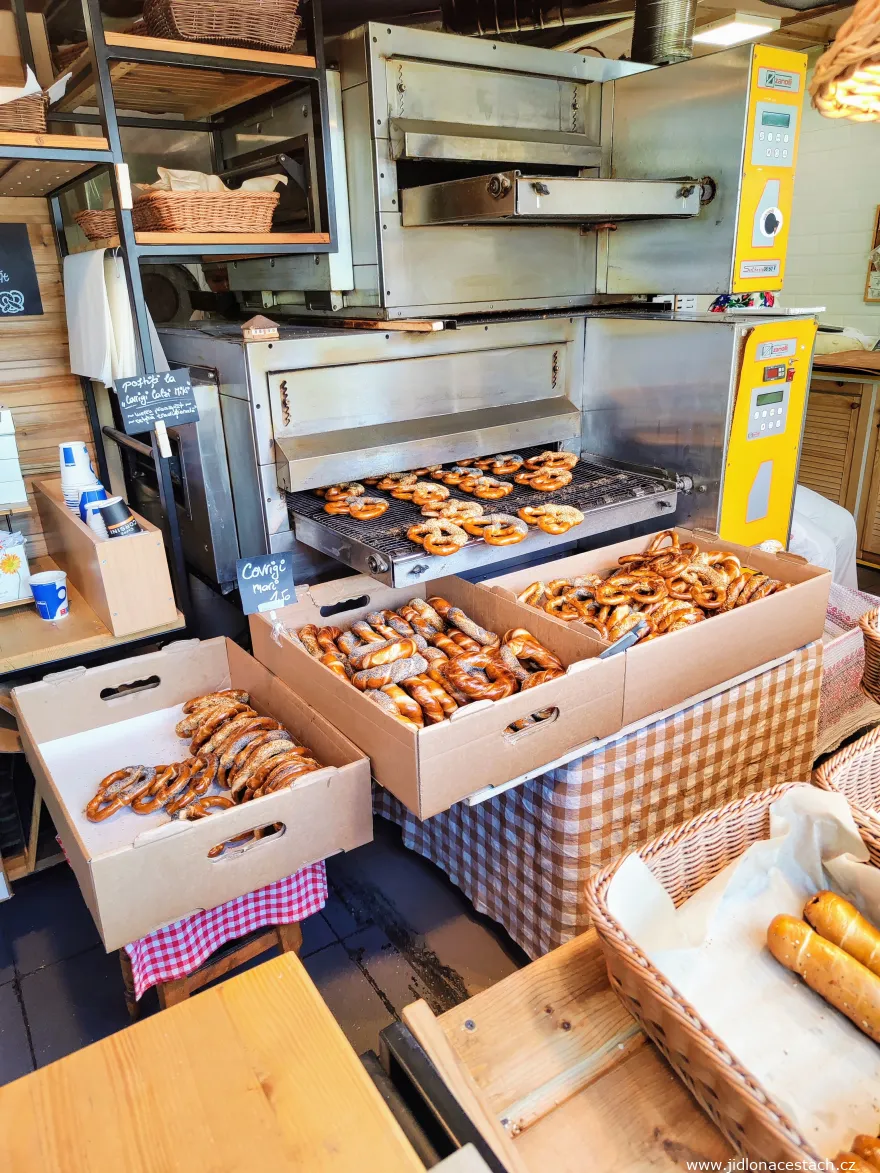
The Covrigi Calzi Miki bakery in Iași (also spelled Iasi) is about the size of a large newsstand, and the only thing taking up room inside is the oven. You stand on the sidewalk outside and watch through the glass wall as golden rings slide off the rack, dropping by the dozen into cardboard boxes underneath. Here the shop window is the production line.
A covrig, covrigi in the plural, is a ring of leavened wheat dough scattered with poppy seeds, sesame or coarse salt, baked golden and sold from a street window - the cheapest bite in Romanian cuisine. A Czech would call it a pretzel and wouldn't be far off, except this one gets eaten in the morning on the way to work, not in the evening with a beer. At least not anymore.
What Covrig Means and Where the Ring With a Hole Gets Baked
The name is borrowed, and from a completely different kind of bread. Romania's standard dictionary traces covrig back to the Bulgarian kovrig and further to the Old Slavic word for a round loaf - except the Bulgarian and Russian kovriga is still a loaf that feeds a family, while a Romanian covrig is gone in three minutes on the way to the bus. What Romania kept from the Bulgarian loaf is the name and the hole in the middle. Romanian also has the phrase a ajunge la covrigi, to end up on covrigi, which means to go broke. A covrig is simply the last thing you can afford once you can't afford anything else.
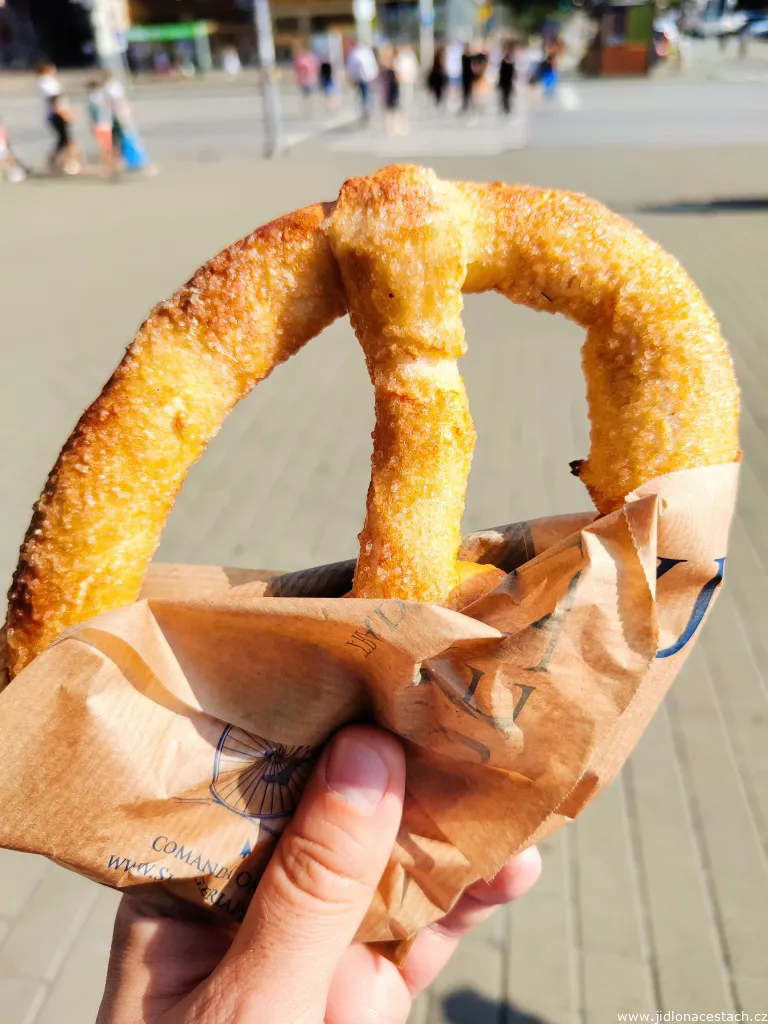
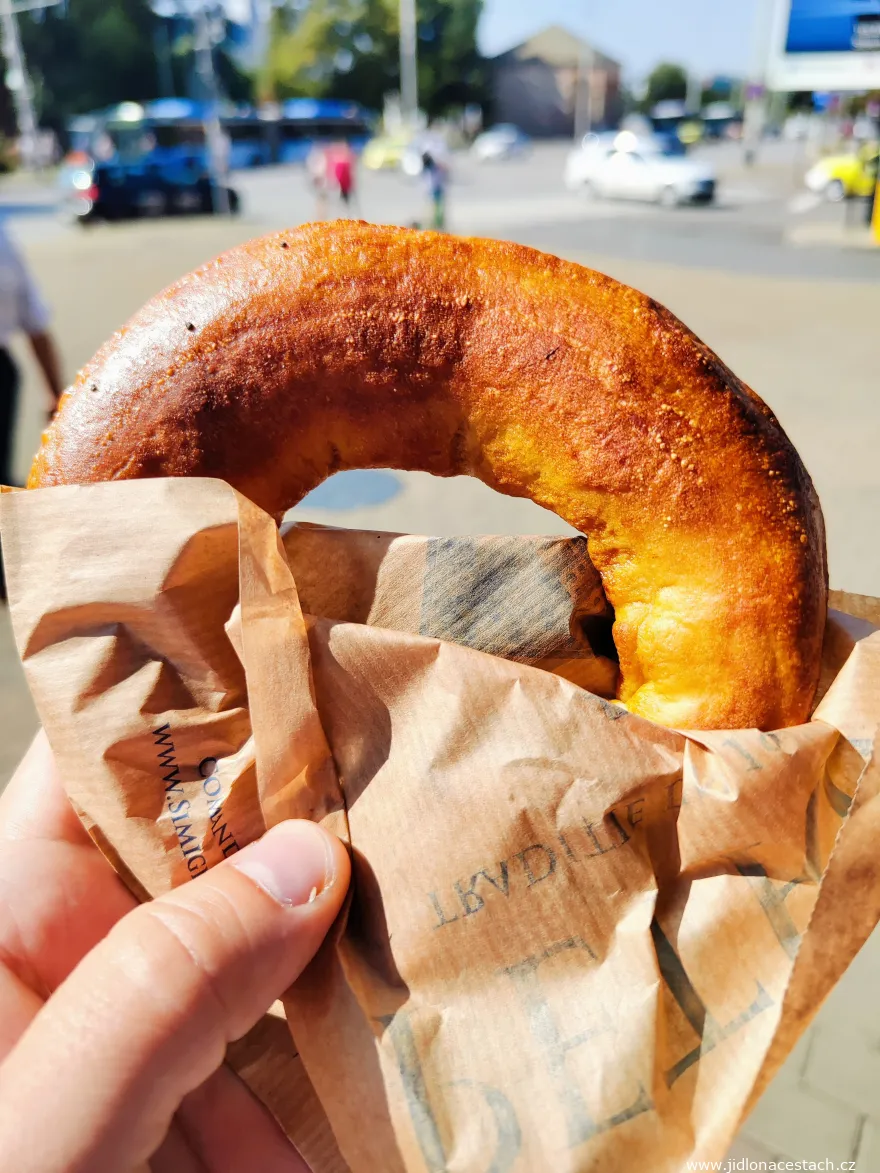
They bake it all over Romania, and under the same name across the Prut in Chișinău. But the ring with a hole belongs to one big family stretching from Kraków to Istanbul, and every kitchen does it differently: Turkish cuisine dips its simit in grape molasses before baking and coats it in sesame, Bulgarian cooking has its own gevrek from the same Ottoman line, the Kraków obwarzanek and the whole bagel family are boiled in water before they go in the oven, and the German pretzel is dipped in lye, which is what makes it dark brown. The covrig sits in the middle: plenty of bakeries briefly scald it in water with baking soda before baking, which Romanian recipes call covrigi opăriți, and that is what gives it its shine and its springy crust.

A Tavern Trick From Buzău
Nobody puts a date on the first covrig in Romania, but everyone knows where they are made best. The covrig capital is Buzău in the southeast of the country, and the local version of the story starts around 1800 at the market, where Bulgarian, Serbian and Greek traders had settled. Greek tavern keepers supposedly handed their guests a salty ring as bait: eat one, get thirsty, order wine. So the thin, crisp covrig de Buzău has a tavern trick for an ancestor - and the museum in Buzău admits it has no written evidence for any of it. What is documented came two centuries later: in 2018 covrigi de Buzău received official state certification, and the bait for wine became a protected name.

Poppy Seeds, Salt and Kefir: What a Covrig Is Made Of and How to Eat It
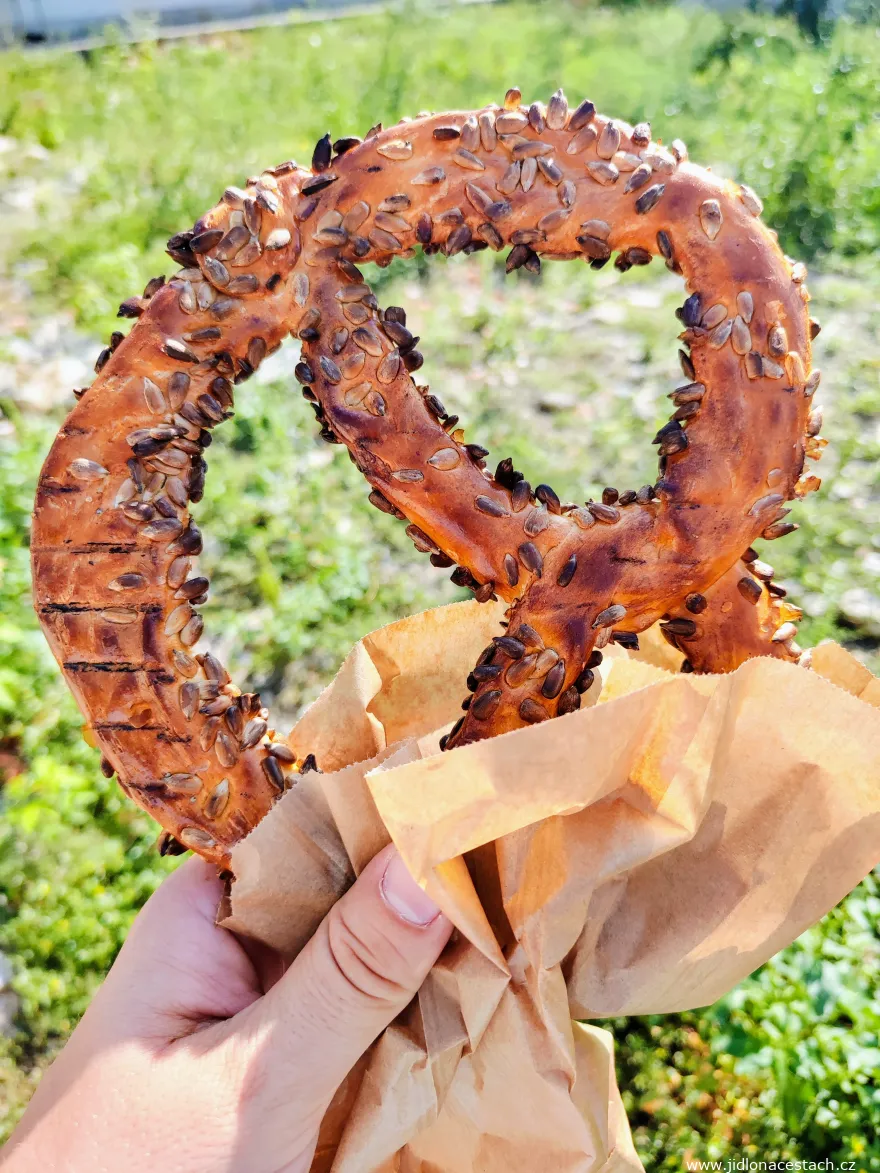
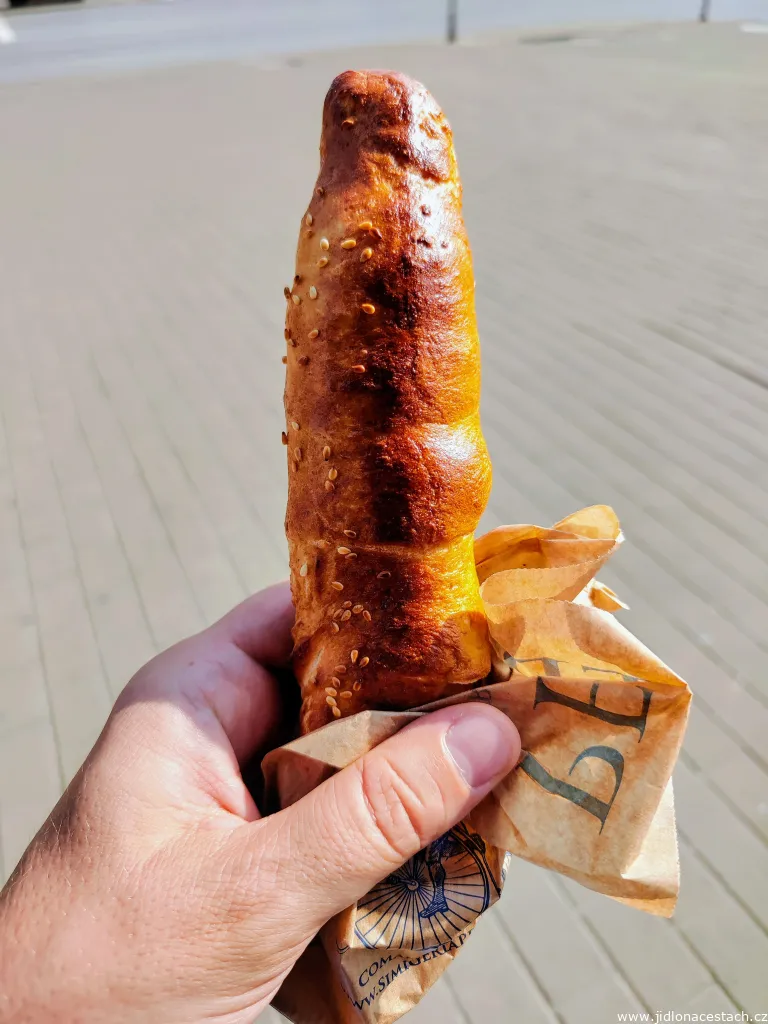
The Buzău recipe is almost insultingly short: flour, water, yeast, a pinch of sugar and salt, no egg, no fat. Everything else comes down to the oven and the topping - poppy seeds, sesame, sunflower seeds or coarse salt, piled on so thickly that the ring underneath disappears. The bag of salted pretzels that sits on the bar next to your beer back home is really a covrig dried out and shrunk to a tenth of the size; in Romania they left it big and fresh and sent it out onto the street. The filled versions - chocolate, caramelized sugar, plum butter, sour cherry jam, or a sausage baked inside like a Romanian hot dog - have only come along in recent years, and the Buzău tradition knows nothing of them.
A covrig is food for people on their way somewhere. You buy it in the morning from the window of a covrigărie on the way to work or to school, or at the station before your train, and what goes with it isn't coffee but kefir: in Romanian surveys, a little bottle of soured milk alongside the salty ring ranks among the most common breakfasts in the country. Luca, the biggest chain, knocked the plain ring down to 1.99 lei, a third below the usual price, and made the cheapest food in the country cheaper still. The one rule worth remembering: buy your covrig where you can see the oven, and eat it while it's still warm.

A Window Onto the Oven in Iași
In Iași I bought my covrigi most often from the Petru bakeries, which have branches all over the city - and only once I got home did I find out what a pedigree the local firm has: the baker Petru opened his first bakery in Iași in 1939, and today the chain runs more than seventy branches across the country. For the famous one, though, I went to Calzi Miki (see Where to Eat in Iași), the bakery from the start of this piece. The poppy seed covrig was still warm: a thin, crisp crust, poppy seeds shedding with every bite, and dough inside as springy as fresh bread. The sign by the oven read covrigi mari, the big ones, for 1.5 RON (0.30 EUR). Romanian reserves that phrase for going broke: ending up on covrigi. In Iași I ended up on them voluntarily, several times a day.


4 Comments
To be honest, there is absolutely nothing like walking down a street in Romania and catching the warm aroma of fresh covrigi coming from a local bakery window. It is the ultimate street food because it is so cheap, filling, and incredibly comforting when you get them piping hot. The contrast between the slightly crispy outside and the soft, chewy inside is just perfect, especially when they are covered in a mountain of coarse salt.
I agree! 😊
I love how rustic and imperfect the shapes are because it proves that they were made by hand and not stamped out by some massive machine in a factory. That is what gives traditional bakery items their soul and makes them taste so much better than anything you can buy wrapped in plastic at a supermarket shelf. Truly an excellent job right here.
👍