What to Eat in North Macedonia: Typical Macedonian Food and Specialties
Macedonian cooking is built on peppers, beans, white cheese and meat that bakes slowly in clay dishes. It reflects North Macedonia's place at the crossroads of the Balkans, five centuries of Ottoman rule and the warm valley of the Vardar, where peppers, tomatoes and vines thrive. The country borders Albania, Bulgaria, Greece, Serbia and Kosovo, and you can taste it on the plate.
The queen of Macedonian cooking is the pepper. Peppers are grilled, stuffed and dried; in Bukovo near Bitola they are pounded into the bukovska piper spice, and above all it goes into ajvar every autumn. Alongside peppers come beans (the Tetovo ones are best), white sirenje cheese, soured milk, lamb and pork, and homemade bread. And wine - North Macedonia is a surprisingly strong wine country, ruled by the red Vranec variety.

A lot of the dishes you come across in North Macedonia belong to the Balkans as a whole. Kebapi, burek, sarma or Shopska salad come in almost the same form from Belgrade to Sofia. That is why I put the genuinely Macedonian specialties first - tavče gravče, pastrmajlija, fish from Lake Ohrid or the pounded cheese from Mariovo - and with the Balkan classics I point out who North Macedonia shares them with. It takes nothing away from how well they cook here. In Skopje's Old Čaršija, the city's historic Ottoman-era bazaar quarter, I had Balkan kebapi with Macedonian tavče gravče and it was a perfect combination.

The Macedonian National Dish
North Macedonia's national dish is tavče gravče, literally "beans in a pan". Large white beans are soaked overnight, boiled and mixed with fried onion, ground red pepper, pieces of dried peppers and dried mint (nane). Then they are baked in a shallow clay pan called a tava, which doubles as the serving dish - the beans arrive at the table in it and stay hot long after the waiter has set them down.
Traditionally it is a fasting dish, cooked on Fridays and during the fasts. Traditional Macedonian places often serve it with meat added, so nobody leaves hungry. For the best tavče gravče you need the Tetovo bean (tetovski grav) - the celebrated variety of large white beans from Polog in the northwest of the country, which locals simply call "tetovec". Under Yugoslavia it was trucked all over the federation; today it is disappearing fast as the mountains empty out - if you spot it at a market, buy some as a traditional Macedonian food souvenir.

Typical Macedonian Food
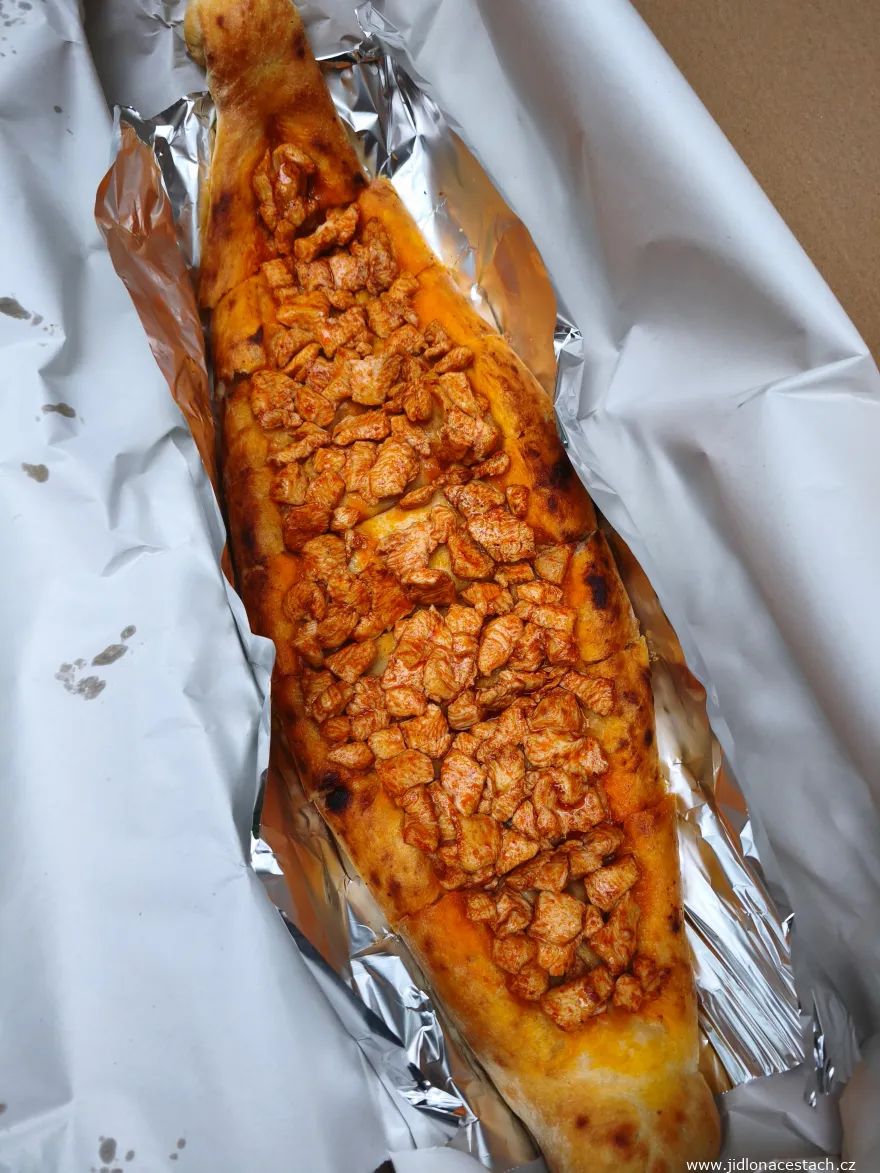
Another typically Macedonian dish is pastrmajlija, an oblong boat of yeast dough studded with pieces of salt-cured meat and served with a hot pepper on the side. It is a kind of Macedonian answer to pizza, you eat it with your hands, and its home is Štip and Veles, two towns with a friendly rivalry over it. Originally it was made with salt-cured mutton (pastrma); today it is mostly pork or chicken, and in Veles they pour an egg over it as well. In Štip, they even cut up a giant pastrmajlija at the Pastrmalijada festival baked to the old Štip recipe.
Autumn in North Macedonia belongs to ajvar. Families buy tens of kilos of peppers, roast them in courtyards, on balconies and on the pavement and put up their winter preserves (zimnica). Ajvar is common all over the Balkans, but hardly anywhere is the homemade version as deeply rooted as here - Macedonian ajvar has held an internationally protected designation of origin since 2010 and Macedonians are convinced they make the best ajvar in the Balkans. Hard to argue with that, and I agree with them.
The fish from Lake Ohrid deserve a chapter of their own. The endemic Ohrid trout (ohridska pastrmka) is a local legend, but an endangered one - restaurants mostly serve farmed trout and it is fair to ask where the fish came from. You can also try the small fried plašica fish or the eel that Struga is famous for. In Ohrid and Struga do not miss gjomleze, a layered pie of nothing but flour, water and salt that bakes for hours under a red-hot metal lid (a vršnik, called a sač elsewhere in the Balkans).
And of course grilled meat. Kebapi (the Balkan čevapčiči) and pleskavica are done superbly here - just as they are across the whole region, and it is only fair to say so. You order a "desetka so kromid", a ten-piece of kebapi with onions, and it comes with a lepinja flatbread, ajvar and soured milk. The local twist is šarska pleskavica, stuffed with cheese and named after the Šar Mountains.

What to Eat in North Macedonia
I have ordered the list from the genuinely local specialties to the dishes loved across the region - and with those I say who North Macedonia shares them with.
- Tavče gravče. Beans baked in a clay tava with onion, pepper and mint. The national dish of North Macedonia, served in the very dish it was baked in.
- Pastrmajlija. An oblong flatbread of yeast dough with pieces of salt-cured meat, in Veles with an egg. A specialty of Štip and Veles that you eat with your hands - one of the few dishes no other Balkan country lays claim to. Spelled pastrmalija in standard Macedonian; the name comes from pastrma, salt-cured dried meat.
- Selsko meso. "Village meat" - pork baked with mushrooms, onion and wine in a clay pot, two to three hours in the oven. A dish of Macedonian origin that Serbia has taken up as well.
- Turli tava. A mix of meat and vegetables (eggplant, peppers, okra, potatoes, rice) baked slowly in a clay dish. The name comes from the Ottoman türlü and it has relatives all over the southern Balkans, but Macedonian households treat it as their own.
- Šarska pleskavica. A large grilled patty of minced meat stuffed with kaškaval cheese. Pleskavica is known across the Balkans, but North Macedonia claims this version and it takes its name from the Šar Mountains - it spread to Serbia from here.
- Makedonska salata. A salad of cold roasted peppers with fresh tomato, onion, parsley and oil - unlike Shopska salad, without grated cheese. A meze to go with rakija and a side for the grill; the name is Macedonian, but the roasted pepper base is shared with the region.
- Ajvar. A spread of roasted peppers, sometimes with eggplant as well. The whole Balkans lays claim to it and Macedonians argue with the Serbs over its origin, but the autumn ritual of making ajvar at home is an event in North Macedonia like almost nowhere else.
- Pindžur. A coarser relative of ajvar made from roasted peppers, tomatoes and eggplant with onion and garlic. Macedonian in origin, now common in Serbia and Bosnia too.
- Tetovo bean (tetovski grav). Large white beans from Polog below the Šar Mountains, the foundation of a proper tavče gravče. A variety famous across the whole former Yugoslavia, endangered today.
- Makalo. A sharp dip of pounded garlic or roasted hot peppers, oil, vinegar and salt. In Ohrid it is served with fish and roast meat.
- Bieno sirenje. "Pounded cheese" from the mountain region of Mariovo near Prilep, made by breaking up the curd, then matured in brine. Salty, pungent, yellowish - a cheese worth seeking out.
- Teleški džiger. Grilled veal liver with garlic, onion and parsley - a fixture of the Skopje grill houses, right next to the kebapi. A Balkan classic (Serbian džigerica na žaru, Turkish ciğer şiş), but in North Macedonia it is on the menu of every kebapčilnica, the local grill shop.
- Ohrid trout (ohridska pastrmka). An endemic fish of Lake Ohrid with delicate flesh. The population is critically endangered and fishing is restricted, so restaurants mostly serve trout from local farms.
- Gjomleze. A layered pie of nothing but flour, water and salt, baked for hours under a vršnik (a metal lid buried in hot embers). The pie Ohrid and Struga are proudest of (Lake Prespa has its own version) - it used to be made for New Year and for special guests, and it comes with soured milk.
- Bukovska piper. Hand-pounded dried red pepper from the village of Bukovo below Mount Pelister near Bitola, protected by a Slow Food initiative. Not hot at all, or only mildly so, but wonderfully fragrant.
- Malidžano. A spread of roasted green peppers and eggplant seasoned with mustard. They call it "green" or "white" ajvar; the tradition is strongest around Bitola and it belongs to the autumn zimnica just as much as the red one.
- Komad. An Ohrid pie of layered dough filled with cheese, eggs and leek, the local relative of zelnik. It takes long hours to make and comes with soured milk.
- Ohridska torta. A dark walnut sponge with a nougat filling and a chocolate glaze, brushed with a brandy syrup. Ohrid's pastry chefs treat it as the city's trademark and tourists buy it as a souvenir.
- Oreovki. Cookies made from nothing but walnuts, eggs and sugar: little horseshoes of ground walnut paste rolled in crushed nuts, crisp outside and chewy inside. They often come with coffee, and the related orasnice are known all over the former Yugoslavia.
- Padobranci. Two delicate walnut meringues with cracked tops, joined by a thick layer of cream - a cookie you find all over the former Yugoslavia.
- Jagula (eel). Eel from the Crn Drim river, pan-fried, a specialty of Struga - the ancient name of the town, Enchalon, means eel. The population is dropping, though, so treat it as a rarity.
- Žolta rakija. "Yellow rakija" - a grape brandy that gets its golden color and softer taste from aging in oak barrels. Its home is the Tikveš wine country around Kavadarci.
- Mastika. A strong anise brandy made from grape spirit, anise and acacia honey, the pride of Strumica with roughly three centuries of tradition. A relative of Turkish Rakı; it is served ice cold and turns beautifully cloudy with ice.
- Vranec. The most important Macedonian red wine grape, its name means black horse; neighboring Montenegro grows it too, but here it is the queen. It gives full, dark wines and it is the base of the most famous Macedonian wine, T'ga za jug - taste it right in Tikveš.
- Kebapi. Grilled fingers of minced meat, the Balkan classic known as čevapčiči. They come with fresh onion and a lepinja flatbread.
- Burek. A savory pastry of stretched dough with meat, cheese or spinach, a relative of Albanian byrek - that one you eat out of your hand, while the Macedonian version is cut into wedges from a huge round tray. A typical breakfast, washed down with yogurt.
- Kroasan so kaškaval. A croissant with yellow kaškaval cheese, either filled or buried under grated cheese on top. A modern bakery breakfast you find right across the Balkans.
- Banica. A filled pastry made of thin sheets of stretched dough called kori - with cheese and eggs, with leek, cabbage or spinach. The whole region has its versions (Bulgarian banica, Serbian gibanica).
- Mantii. Small baked dumplings filled with minced meat, covered in garlic yogurt. An Ottoman legacy that North Macedonia loves - though the most famous version is in Novi Pazar in Serbia.
- Shopska salad. A salad of tomatoes, cucumbers, peppers and onion buried under grated white cheese. Loved all over North Macedonia, Bulgarian in origin and pan-Balkan today.
- Polneti piperki. Peppers stuffed with rice and minced meat. Stuffed vegetables are known across the Balkans, but the cult of the pepper makes this a Macedonian fixture.
- Sarma. Rolls of sauerkraut or vine leaves filled with rice and meat. An Ottoman legacy shared by the whole region and essential on the winter and holiday table in North Macedonia.
- Musaka. Baked layers of potato and minced meat. A Balkan classic; the Macedonian version often has just beaten eggs with milk on top instead of the dense béchamel you know from the Greek one.
- Kačamak (bakrdan). Thick cornmeal porridge with sirenje, cracklings or soured milk. Country food known in various forms in Serbia, Bulgaria and Montenegro.
- Kompir mandža. Simple stewed potatoes with pepper - plain home cooking.
- Tarator. A cold soup of soured milk, cucumber and garlic, a summer refreshment shared above all with Bulgaria.
- Mekici. Fried yeast dough flatbreads, a favorite weekend breakfast. They come with cheese, yogurt or ajvar and they are known in Bulgaria and Serbia too.
- Kiselo mleko. Thick soured milk much like yogurt, served alongside pastries, kačamak and grilled meat. A staple of the Balkan table.
- Baklava. Sweet layered pastry with nuts and syrup, an Ottoman legacy that cannot be missing from any celebration in North Macedonia.
- Tulumbi. Fried choux pastry tubes soaked in sugar syrup, the same thing as Turkish tulumba, common across the whole region.
- Ravanija. A juicy semolina cake soaked in syrup (Turkish revani), found in every Macedonian pastry shop.
- Sutlijaš. Rice pudding dusted with cinnamon, a simple dessert of Ottoman origin (Turkish sütlaç) loved across the whole region.
- Trileçe. A sponge cake soaked in three kinds of milk, with caramel. A modern Balkan hit that Macedonians have grown fond of as well.
- Boza. A sweet, lightly fermented drink. An Ottoman classic you can still get in traditional pastry shops.
- Prženi tikvički. Thin slices of zucchini floured and fried in oil, a summer side or a starter with something cold and garlicky - a dish the whole southern Balkans knows, not just Macedonia.
- Lisnato. Puff pastry from the bakery, filled with cheese, ham and kaškaval or sour cherry - the word simply means "puff", the same thing is baked all over the Balkans, but here it is the easiest breakfast to grab on the go.

Typical Macedonian Drinks
North Macedonia is above all a wine country. The heart of its winemaking is the Tikveš region around the towns of Kavadarci and Negotino, where vines have grown since antiquity. The Tikveš winery has been running since 1885 and is one of the largest in southeastern Europe. The king of the local varieties is the red Vranec, and among the whites the aromatic muscat Temjanika stands out. The most famous Macedonian wine is T'ga za jug ("Longing for the South"), made from Vranec.
Rakija comes with the food and before it, in North Macedonia traditionally made from grapes - just like Albanian Raki rrushi. The Macedonian specialty is žolta rakija, the "yellow" brandy softened by aging in oak barrels. Rakija is never drunk on its own but with meze - traditionally with Shopska salad. In and around Strumica, mastika rules, an anise brandy from grape spirit that locals say has been distilled here for some three centuries; it is served ice cold. Mixed with mint liqueur it turns into a greenish cocktail called oblak ("cloud").
The best-known beer is Skopsko, brewed in Skopje since 1924. You can also try Zlaten Dab beer from Prilep.

Among the soft drinks I have to mention gazoza. In the Balkans it is the general word for a sweet fizzy soda, but in North Macedonia it is the name of a golden pear soda. Soured milk or yogurt comes with the food, and locals traditionally drink it with their burek. And in every shop you run into Cedevita, the Croatian powdered vitamin drink that the whole former Yugoslavia drinks. Next to it sits Cockta, the Slovenian rosehip soda whose color pretends to be cola. The most common mineral water in shop fridges and on tables is Pelisterka, naturally sparkling water from wells below Mount Pelister near Bitola (with a still version since 2009 too).
An everyday ritual is Turkish coffee made in a cezve - café culture is everywhere in North Macedonia. Up in the mountains they gather mountain tea from the Šar Mountains (Sideritis scardica), a plant named directly after the Šar Mountains (Scardus in antiquity) - the same plant you know from Albania as Çaj mali and from Bulgaria as Mursalski tea.

The Best Macedonian Food
If I had to pick three personal favorites, then the best Macedonian food for me is:
- Teleški džiger. In Skopje they brought me grilled veal liver with a generous helping of garlic. It was perfect - soft inside, seared outside. It is a Balkan classic rather than a Macedonian invention, but the best ones I have had were right here (and I say that as a lover of grilled liver, in all seriousness).
- Kebapi. The whole Balkans knows how to do minced meat on the grill to perfection and North Macedonia is no exception. Kebapi with fresh onion and lepinja in Skopje's Old Čaršija, with tavče gravče on the side - that was my best Macedonian lunch.
- Tavče gravče. Baked beans do not sound like a culinary miracle, but done properly, made with Tetovo beans and served bubbling straight from the clay tava, they convince you otherwise. My first portion had more dried mint in it than I expected - it is an unusual taste, one you have to eat your way into, but then it can win you over.

How to Enjoy Macedonian Food to the Fullest
- Try tavče gravče in a traditional place - a meana or a kafana. A meana (from the Turkish meyhane) is a Balkan tavern with home cooking and rakija, a kafana (from kahvehane) was originally a coffee house and today is a pub with food, drink and often live music; you find both in North Macedonia. Tavče gravče has to be baked and served in a clay bowl (a tava).
- Head to Štip for pastrmajlija. The town is the cradle of this specialty and in the second half of September the Pastrmalijada festival opens the season here - it starts with the cutting of a giant pastrmajlija baked to the old Štip recipe.
- Make a food stop at Lake Ohrid. Try trout from the local farms, the small fried plašica fish and gjomleze pie - the nearby village of Skrebatno even holds a competition for the best one (Gjomlezijada). Ohrid is a UNESCO site as well, so your fish comes with a view of the lake and of Byzantine churches.
- Catch the ajvar season. If you come in September or October, you smell roasting peppers on literally every corner. At the markets you can buy homemade ajvar, malidžano, pindžur and other preserves (zimnica) straight from the makers.
- Discover the Tikveš wine region. The wineries around Kavadarci, Negotino and Demir Kapija offer tastings and rooms among the vines. Taste Vranec, Temjanika and the famous T'ga za jug wine.
- Walk through Skopje's Old Čaršija. In this bazaar, the second largest in Europe after Istanbul's Grand Bazaar, people eat kebapi and burek and drink Turkish coffee. You spot the best kebapčilnica by the line of locals.
- Have breakfast like a local. Burek washed down with yogurt, or fried mekici with cheese and ajvar - you will not find a heartier start to the day in the Balkans.

How to Say Thank You for Macedonian Food
Macedonian is written in Cyrillic, but you can manage a thank you without reading it - and it sounds almost like Czech. The basic one is "blagodaram" - thank you, and in casual speech the shorter "fala" - thanks will do. To praise the cooking, add "mnogu vkusno" - very tasty. Before the meal you hear "prijatno" (in full "prijatno jadenje") - Bon appétit! and when toasting with rakija "na zdravje" - cheers. You ask for the bill with "smetkata, ve molam" - the bill, please.
Regional Macedonian Cuisine and Specialties
Ohrid, Struga and the Southwest
This is fish country. Besides the endemic Ohrid trout you can try the plašica and the belvica, a deep-water relative of the trout that lives only in Lake Ohrid. Struga is famous for eel from the Crn Drim river. The local specialty is gjomleze pie baked under a vršnik (a metal lid buried in hot embers), fish comes with garlicky makalo, and you take an Ohridska torta home with you.
Štip, Veles and the East
This is pastrmajlija country - both towns consider it "their" dish and keep up a friendly argument over it, and Kratovo and Radoviš have their own versions too. This is where you find out that the "Macedonian answer to pizza" tastes best in its birthplace.
Tikveš and Povardarie (Kavadarci, Negotino, Demir Kapija)
The heart of Macedonian winemaking and of grape rakija. The region is ruled by the Vranec variety and by wineries such as Tikveš, Stobi and Popova Kula.
Strumica and the Southeast
The country's larder of early vegetables and peppers - this is where they grow the kurtovska kapija variety that most ajvar is made from. The town of Strumica made its name with mastika, the anise brandy distilled here for generations.
Polog, Tetovo and the Šar Mountains
They give the country its celebrated Tetovo bean, mountain sheep cheeses and lamb. The Šar Mountains also give their name to the cheese-stuffed šarska pleskavica and to the mountain tea.
Bitola, Prilep, Mariovo and Prespa
Bukovska piper pepper from the village of Bukovo, the rare pounded cheese bieno sirenje and honey from Mariovo, apples from around Lake Prespa. Bitola throws in the café culture of the Širok Sokak promenade as well.
Kumanovo and the Northeast
Offal and cured meat country: kumanovski mezelk is beef offal layered in a clay dish and baked, kumanovski sudžuk is smoked over beech wood. In Kratovo they bake their own pastrmajlija.
Mavrovo and Galičnik
In the mountain village of Galičnik the shepherds' cheese galički kaškaval is made only from June to mid-August - a craft that just a few families keep alive.

Interesting Facts About Macedonian Food
- The ajvar season is a national ritual. Every autumn families in North Macedonia roast peppers in courtyards, on balconies and on pavements and the towns smell of smoke. Macedonians argue over the origin of ajvar with the Serbs and other neighbors - Macedonians add eggplant, Bosnians onion - and everyone agrees on one thing: the homemade one is best. Macedonian ajvar has held an internationally protected designation of origin since 2010.
- Without the Tetovo bean there is no tavče gravče. The large white "tetovec" beans from Polog near Tetovo were famous across the whole former Yugoslavia - the entire Yugoslav army is said to have lived on them. Today their cultivation is vanishing fast as the mountains empty out.
- Lake Ohrid is two to three million years old and one of the oldest lakes in the world - the water is clear down to 22 meters and more than 200 endemic species live in it. The Ohrid trout is endangered today and fishing for it is banned during the spawning season.
- Shopska salad is not Macedonian. Although you find it on every menu in North Macedonia, it was invented in the mid-1950s by cooks at Balkanturist, the Bulgarian state tourism agency - its colors match the Bulgarian flag. Today the whole Balkans treats it as its own.
- Pastrmajlija is related to pastrami. The name comes from pastrma (salt-cured, dried mutton), which shares a root with Turkish Pastırma and American pastrami.
- The most famous Macedonian wine was named by poets. T'ga za jug ("Longing for the South") was created in 1973 in honor of the guests of the Struga Poetry Evenings festival - and it was the poets who suggested naming it after the elegy Konstantin Miladinov wrote in Russia, homesick for his country.
- The pounded cheese is said to owe its existence to Ottoman taxes. Bieno sirenje has reportedly been made in Mariovo for six centuries. Tradition has it that locals broke up the curd and kept the fat for themselves, then salted the rest heavily to store it - and out came a cheese the tax collectors did not care for, so it stayed with the families.
- The country's only protected geographical indication so far is not a dish, but a fruit. Bukovska piper, the Mariovo pounded cheese, the apple from Prespa and the lamb from Ovče Pole are all still waiting to be registered - the only nationally registered geographical indication so far is the Ohrid cherry, the fruit of the cherry trees grown around Ohrid.
- North Macedonia has only carried this official name since 2019. After a long dispute with Greece, the country adopted the name North Macedonia under the Prespa Agreement. The cuisine, the language and the nation, though, remain "Macedonian".
Enjoy North Macedonia and the best Macedonian food!



Tavče Gravče: North Macedonia's National Baked Bean Dish
Tavče gravče are large white beans baked with onion, paprika and dried mint in a shallow clay dish - the same dish they're served in. North Macedonia's national dish is traditionally cooked on Fridays, with meat added outside of fasting periods. The best version is said to use Tetovo beans, which are slowly disappearing from Macedonian fields. I had to eat my way to liking it.

Pastrmajlija: Macedonian Flatbread with Meat
Pastrmajlija is a Macedonian flatbread of leavened dough with raised edges, baked with cubes of meat cured in salt and red pepper. It comes from the east of the country, from Štip and Veles, where it used to be a winter dish after the pig slaughter; today every bakery makes it. It got its name from dried mutton, but the meat on it has long been fresh pork.

Ajvar: Roasted Red Pepper Spread
In autumn, almost every family in North Macedonia and across the whole former Yugoslavia cooks ajvar: the roasted peppers are peeled, ground and stirred in oil for hours until they thicken. The name comes from the Turkish word for caviar, Serbs and Macedonians argue over who invented it, and in a Macedonian restaurant it's the first thing to reach the table, to go with bread, cheese and grilled meat.

Burek: The Breakfast You Find All Over the Balkans
Burek belongs to the whole former Ottoman world, from Turkey across the Balkans to Tunisia, and in every country it has a different name and different rules about what can go inside. In North Macedonia it's breakfast: a huge round tray of layered pastry with meat or cheese, cut into quarters, with a cup of yogurt on the side. Why Albania hands it to you and Skopje puts it on a plate, and what Sarajevo and Niš keep arguing about.

Kebapi: Balkan Grilled Ground Meat Rolls
Kebapi are short rolls of twice-ground meat grilled straight on the coals, a dish North Macedonia shares with the whole Balkans, from Bosnia to Albania. They're ordered by the ten, served with raw onion, lepinja flatbread and ajvar or pindžur. Why they're not a skewered kebab, how they differ from Serbian ćevapi, and why they sometimes end up on tavče gravče.

Šarska Pleskavica: Macedonian Pleskavica Stuffed with Cheese
Šarska pleskavica is a large grilled patty of ground beef and pork with a slice of kaškaval sealed inside before grilling. It's named after the Šar Mountains in the northwest of North Macedonia, even though šarsko cheese never actually goes into it. At Skopje's grill houses it's a staple alongside kebapi, served on a plate with fries or tucked into lepinja.

Selsko Meso: Macedonian Meat with Mushrooms from a Clay Dish
Selsko meso is a Macedonian dish baked in clay: cubes of meat, most often pork, browned with onion and mushrooms and then slowly stewed in the oven until the juices thicken into a sauce. The name simply means "village meat" and, unlike the names of the neighboring tava dishes, it isn't Turkish at all. It's cooked all over the country, and they make it in Serbia and Bosnia as well - where even there it's called Macedonian.

Turli Tava: The Macedonian Baked Mix of Meat and Vegetables
Meat bakes for two hours in a clay dish together with whatever has just ripened in the Macedonian summer - eggplant, peppers, okra, potatoes and often rice as well - and turli tava then arrives at the table in that same dish. The name comes from Ottoman Turkish and literally means "mixed pan"; relatives turn up all over the southern Balkans, from Turkish türlü to Bulgarian gjuveč - but only the Macedonians cook it under this name, with meat, in a clay dish. In North Macedonia it belongs to summer, to home kitchens and to gostilnicas alike.

Makedonska Salata: A Cold Salad of Roasted Peppers and Tomatoes
Makedonska salata is a cold salad of roasted, peeled peppers, raw tomato, onion, and parsley, dressed with oil - and it's the missing cheese that sets it apart from shopska. Peppers get roasted all over the Balkans, but only North Macedonia has a name of its own for this salad. In a kafana it comes with rakija as meze; alongside grilled meat it turns up as a cold side.

Teleški Džiger: Veal Liver off the Macedonian Grill
Teleški džiger is veal liver, grilled in thick slices over charcoal and piled with parsley and garlic - a fixture on every kebapčilnica menu in North Macedonia, right next to kebapi. It's a dish shared across the whole former Ottoman world, with every country grilling it its own way; the Macedonian version is the simplest of them all.