Erriberako Merkatua: The Covered Market in Bilbao on the Banks of the Nervión
The price tags on the counters of the market in Bilbao carry one more piece of information besides the price: some of the goods have a small Basque flag next to them. It says that the fish, the cheese or the sausage underneath comes from here, and in the Basque Country, where provenance counts, that is no small thing; of everything the market has to offer, that was the detail I liked best.
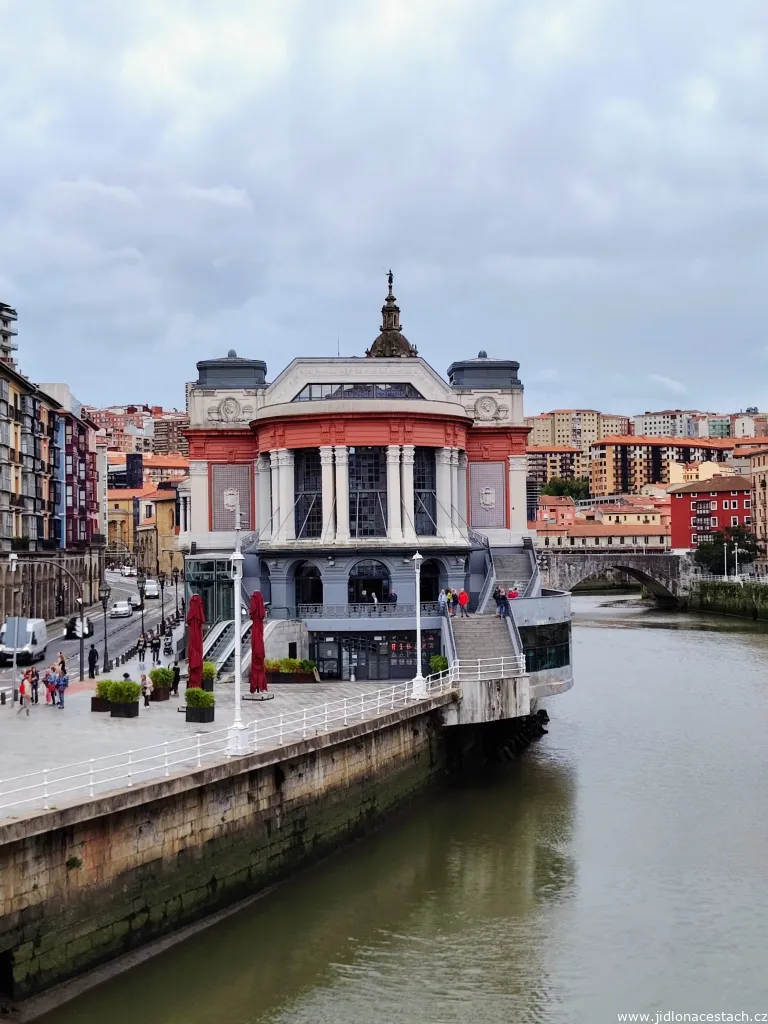
Erriberako merkatua (Mercado de la Ribera in Spanish) is the covered market in Bilbao, a 134-meter-long hall from 1929 on the bank of the river Nervión, where fish and meat are sold on the ground floor, cured meats, cheeses and vegetables one level up, and a whole floor above that is bars serving pintxos - in short, everything Spanish cuisine works with in the Basque Country, all in one place next to the lanes of the old town.
Two Names, One Address
Bilbao has two names for the market and switches between them without warning: Erriberako merkatua in Basque, Mercado de la Ribera in Spanish. Both mean the same thing, the market on the riverbank, because ribera is Spanish for riverbank and erribera is the same word in Basque. So the name tells you nothing about the building, only where it stands: on the right bank of the Nervión, at the point where the river curls around the old town. Halls like it went up in the same wave all over Spain - Mercat Central d'Alacant is seven years older and sits in the middle of its city, this one sits by the water and it shows. Its competition, though, is not other markets but the streets a few hundred meters away, where people go for txikiteo.

Seven Centuries of Trade and a Building They Call a Ship
There was a market here long before anything stood on the site that you could call a building: Bilbao was granted the right to a weekly market on the riverbank back in the 14th century, and trade has not moved an inch since. The iron and glass hall from the end of the 19th century gave way to today's reinforced concrete building by the city architect Pedro Ispizua, opened in August 1929 in the middle of the city's summer festivities. Ever since, the story has gone that the building is an upturned ship, a tribute to the river and the shipyards. Basque sources are more matter-of-fact about it: the long narrow footprint simply follows the plot on the bend of the river, and it was the people looking across from the far bank who turned it into a ship. Which of them is right, I don't know. To me it looked like the most interesting market building I have ever seen, whether the architect designed it or the plot did.
Either way, the river fed the market without any need for metaphors. For a long time goods came in by boat and were hauled upstream on ropes by women known as sirgueras; the fish stalls got the ground floor because it was closest to the water. The wholesale trade only moved out in 1971, to MercaBilbao, and nineteen years later came an entry in the Guinness Book of Records as the most complete municipal market. Nobody has remeasured that 1990 record since, but it still turns up in the promotional copy. A later renovation dealt mainly with the concrete, which was crumbling because sand from the beach had once been mixed into it. So the river signed the building even where nobody invited it.

What Lies on the Ice and When to Come and See It
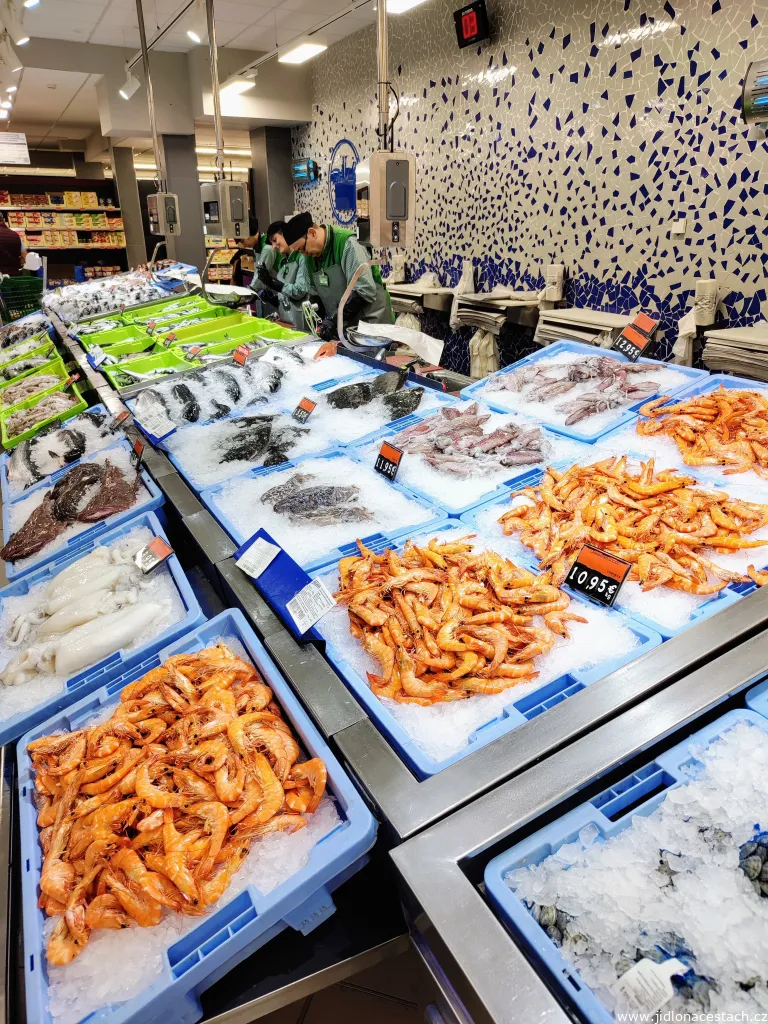
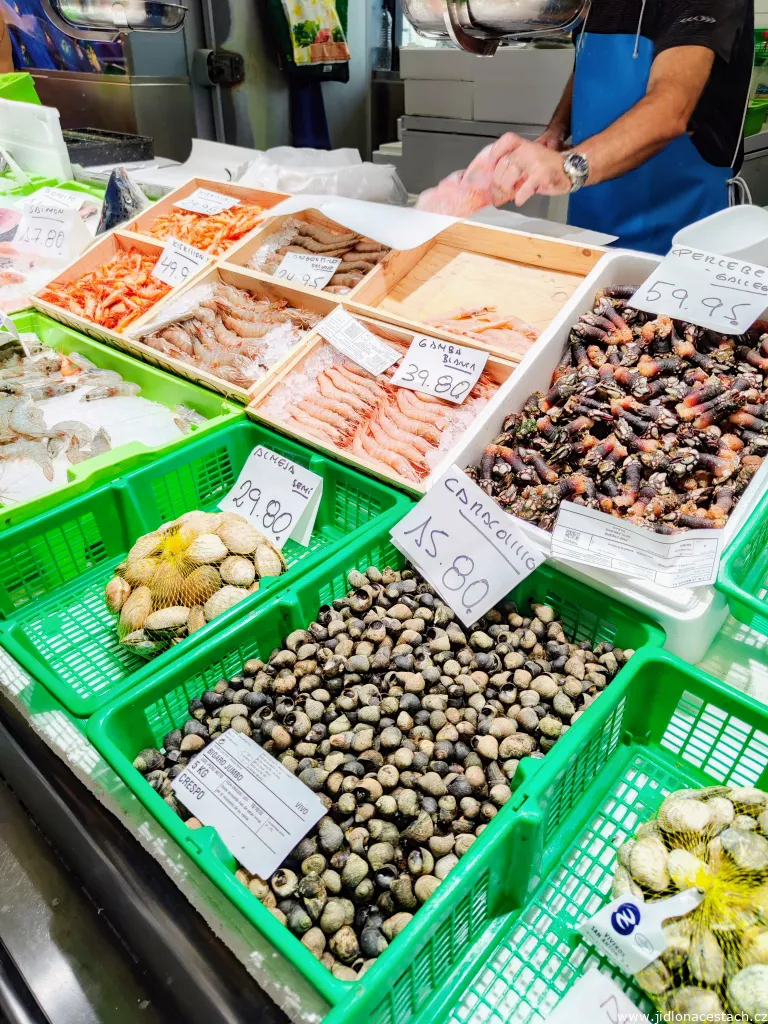
The ground floor is still all fish and it is the best part of the hall. Whole salmon and monkfish with their heads on lie on the ice, sardines in crates, shrimp lined up by size and price, and next to them percebes, goose barnacles. Back home in Czechia we mostly buy fish filleted and wrapped; here every piece has a head, eyes and a price. One floor up hang the ibérico hams, and below them sits chorizo from Zamora and from León, the cheese counter has idiazabal, and the butcher has a card by the meat that reads txilindron. That is not a cut of meat or a Basque invention but a way of stewing it in a sauce of onions, tomatoes and peppers, and the Basque Country shares that method with Aragon, Navarre and La Rioja. Beside it lies beef for txuletón, the thick-cut beef steak they grill here over charcoal. The little flag on the tag tells them apart: cheese from the Basque mountains gets one, chorizo from Zamora does not.

The market opens at eight in the morning and does not close until the evening - on Sunday it starts at eleven; the tram stops right underneath it and the stop is simply called Ribera. If you are coming to shop and to look, come in the morning, when the counters are full; for pintxos you can turn up at any hour. The floor of bars is younger than the building and it is not a Basque idea: the Mercado de San Miguel in Madrid got the market-with-bars going in 2009, and the model has been copied from Barcelona to Bilbao ever since. The pintxos here are the same as anywhere in the Basque Country (the most famous of them is the gilda), washed down with txakoli.
Stained Glass Above, Price Tags Below
In Bilbao I walked the market from the fish on the ground floor up to the bar floor, my head bent over the display cases. I didn't have pintxos up there. Prices are higher than in the bars around town, and the small bars outside the market win me over mainly with an atmosphere this hall simply doesn't have - in a bar you stand and order over people's heads, in the market you sit and watch. So the most expensive thing I took away from the Ribera was a photo of a price tag: percebes, 59.95 EUR a kilo.
Erriberako merkatua


