Mercat Central d'Alacant: The Market Where Alicante Shops and Has Breakfast
If you want to catch Alicante's central market open on a Sunday, you get eleven tries a year. That is how many Sundays and public holidays a shop in the Valencian Community may legally open, and the authorities pick the dates in advance. Every other Sunday the gate at the top of the steps stays shut.
Mercat Central d'Alacant (in Spanish: Mercado Central de Alicante) is a covered market hall from 1922 in the middle of the city: 292 stalls on two floors, fish downstairs, fruit, vegetables, cheese and cured meats upstairs, and in between them bars where you can study Spanish cuisine sitting down.
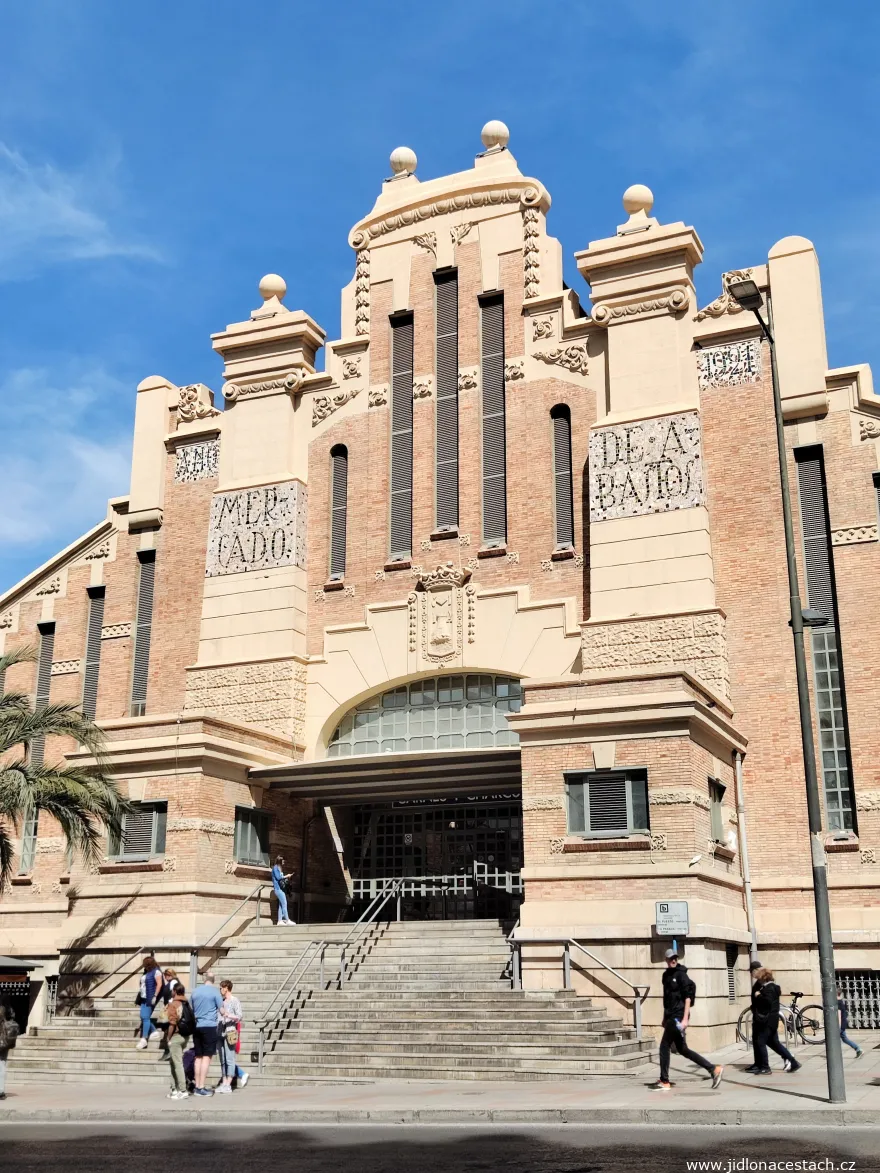
Abastos on the Facade, a Clock in a Display Case
Neither of the names you'd look the market up under appears above the door. In capital letters it says Mercado de Abastos, provisions market - the official term from the days when every larger Spanish city built itself a hall like this to keep its food under one roof. Covered markets went up in Valencia, Zaragoza and Barcelona in the first decades of the twentieth century, and the Alicante one belongs to the same wave, only younger and plainer than its Art Nouveau sister in Valencia. Signs and maps prefer the Valencian name Mercat Central d'Alacant, because the city itself has two names as well; locals just say el Mercado.
King Alfonso XIII laid the foundation stone and the market opened in November 1922. The date it remembers most precisely, though, came later. On May 25, 1938, Italian planes flying for Franco dropped more than ninety bombs on a city center packed with late-morning crowds, the sirens never sounded, and the market took a direct hit; the sources put the death toll somewhere between two and three hundred, and Spanish Wikipedia says more than three hundred. The hall's clock stopped at 11:19, a minute after the hit, and today it stands in a display case inside the market. People walk past it with their shopping bags, which may be the best thing that could have happened to a memorial.

What Is Local and What Is Only Passing Through
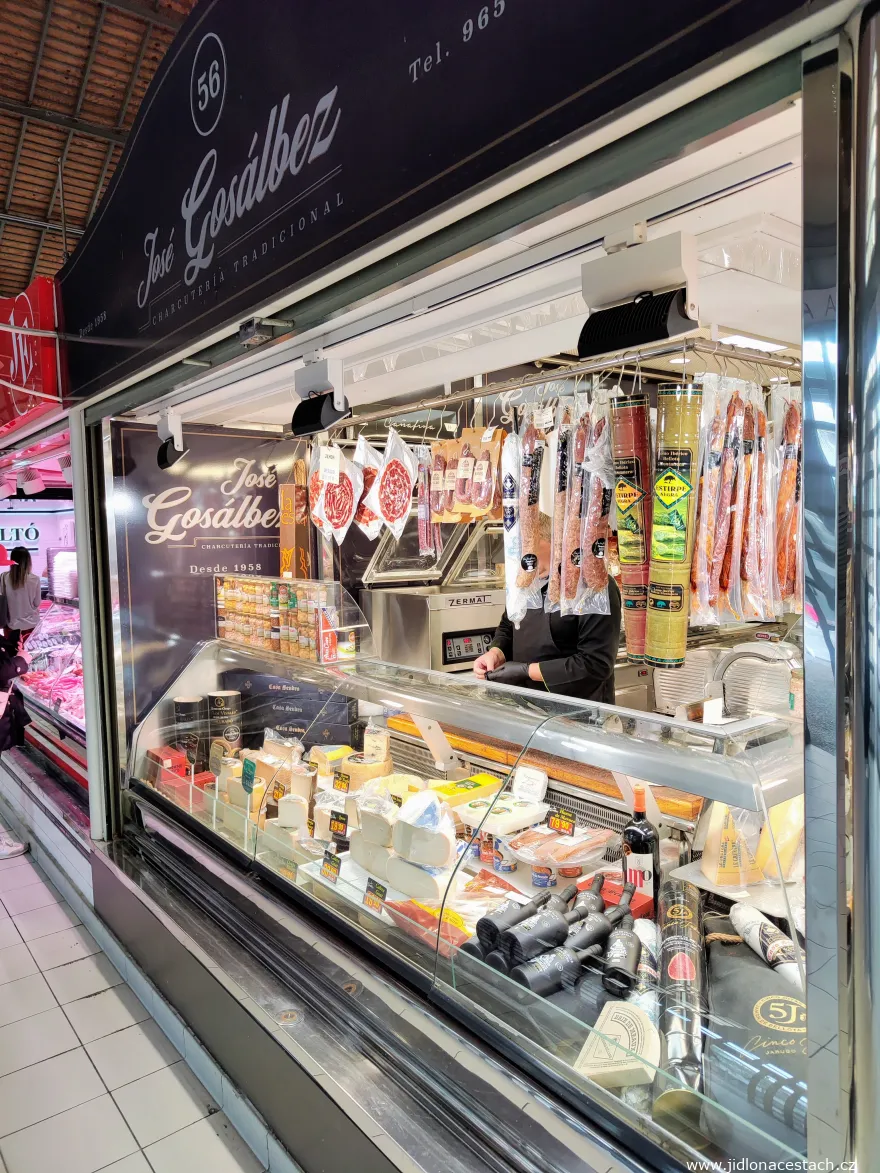
The leg on its stand with a Joselito tag is the first thing to catch your eye upstairs, and it is the least Alicante thing in the building: jamón ibérico arrives here from Extremadura and Andalusia. What the province of Alicante does put on the counters is something else - turrón from Jijona, sweet Fondillón wine, red prawns from Denia, loquats from Callosa and cured meats from the Vega Baja, including the blood sausage morcilla from Orihuela. The most local goods sit with the bakers: coca amb tonyina, a thin pie filled with tuna and stewed onion that Alicante bakes for the June bonfires of Fogueres de Sant Joan and eats with fresh figs, and next to it coca de mollitas with a crumb topping.
When Breakfast Happens Here and When the Doors Lock
The market lives in the morning. It opens at seven, locks up at half past two on weekdays and at three on Saturday. The best hour is between ten and twelve, when the whole Valencian Community stops for esmorzaret - the second breakfast, meaning a big sandwich or a tapa with vermouth or wine and soda. It is the long school recess carried over into adult life: ten o'clock, bread in hand, only the milk has been swapped for vermouth. That is exactly what the bars inside the market are there for. It has joined the food-market trend that Madrid's Mercado de San Miguel set off, but only halfway: downstairs the fish is still sold to people who will cook it that evening, not photograph it.
Breakfast, Coca and Vermouth Under One Roof
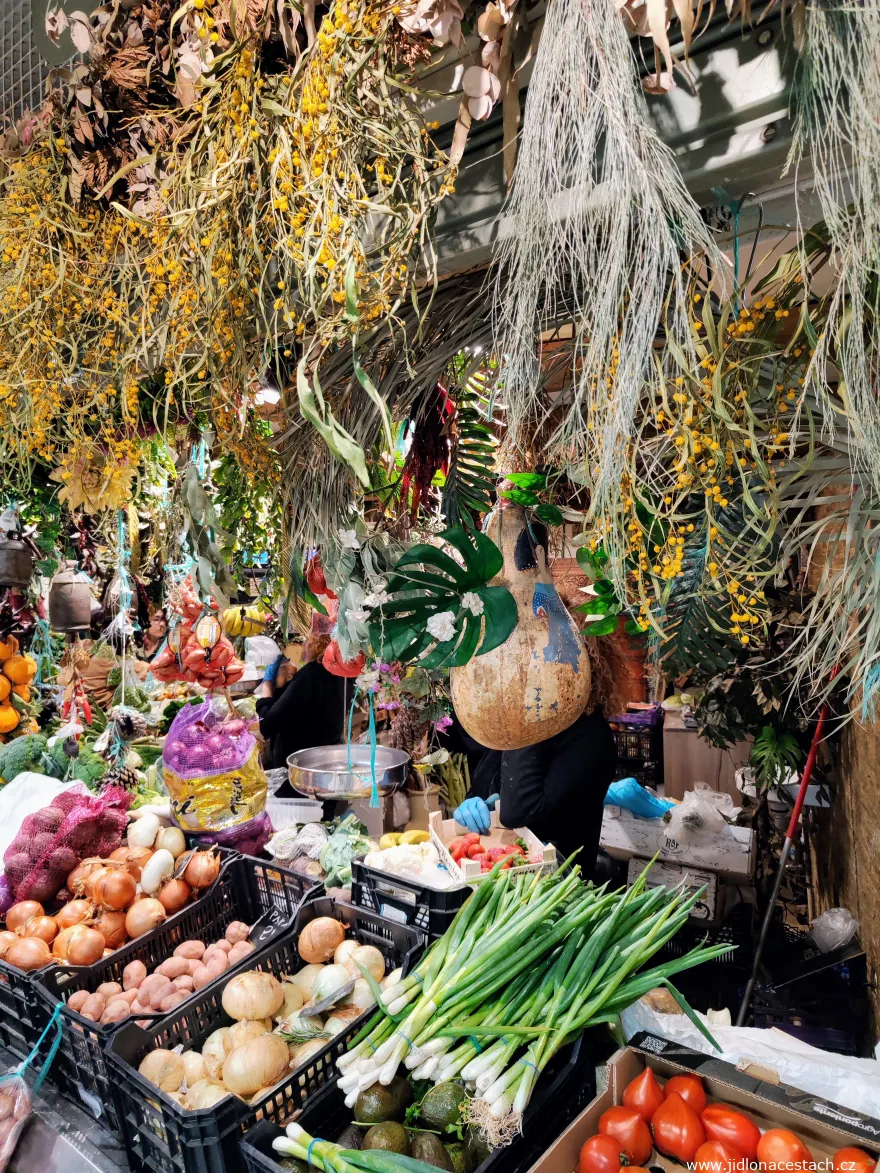
I went to Alicante's central market with friends and we spent the whole morning there: first a typical Spanish breakfast at the counter, then the stall of a local bakery where we picked up coca amb tonyina, and finally a glass of vermouth at La Guapa (see Where to Eat in Alicante). In between we worked our way around the cheese stalls with manchego, mahón and cabrales, and the greengrocer's counter with dried mimosa hanging from the ceiling. What that morning cost us I have no idea - you pay for a market bit by bit, at three separate counters, and none of them gives you a bill for the whole thing. We did not make it up to Santa Bárbara castle, which stands above the market, until the next day. By elevator. The steps up to the market had been quite enough.
Mercat Central d'Alacant


