Spanish Beer: Glass Sizes, Styles and Brands
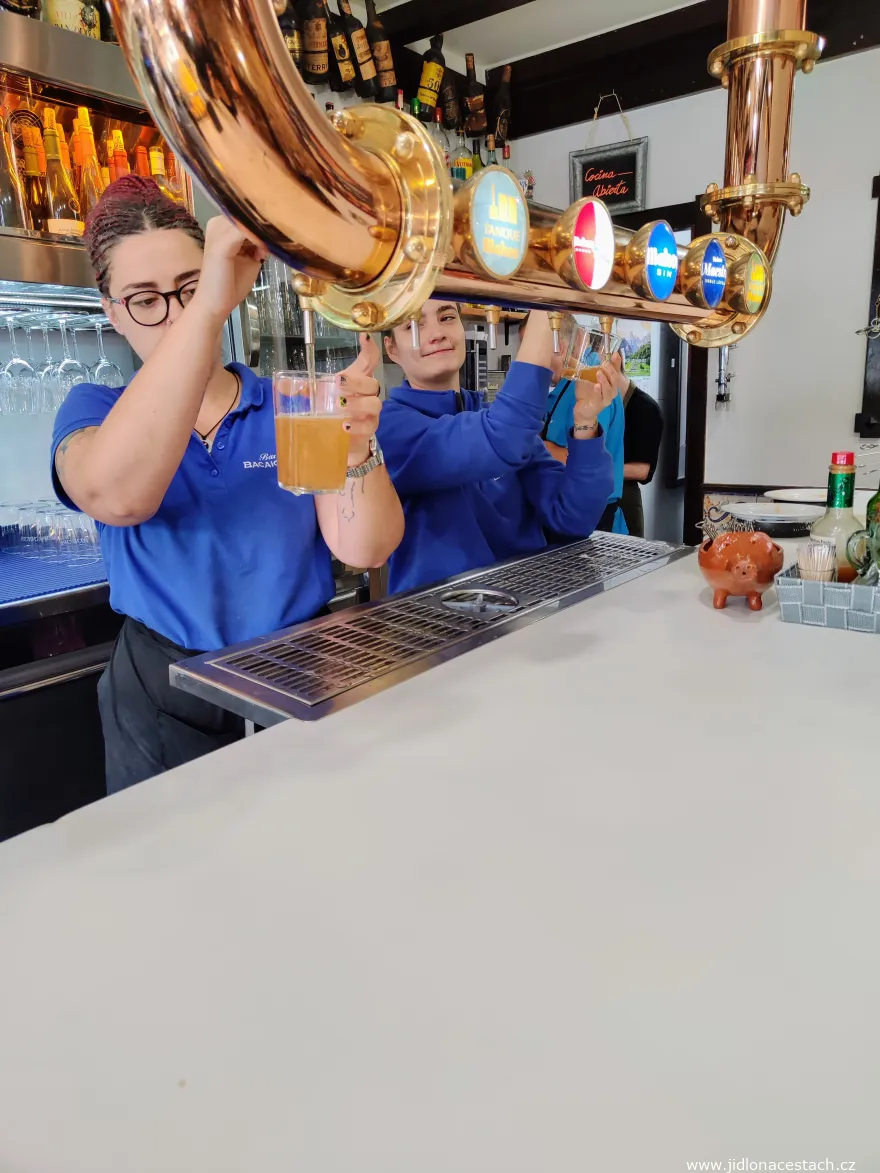
At the Bacaicoa bar in Bilbao I spent a while watching the taps instead of my glass. A row of them, two women behind the bar, and the second one kept filling the same glass: once to the brim, the next time only halfway. It wasn't carelessness. The full glass was a caña, the half-full one a zurito, and it was the order that made the difference, not the glass.
Spanish beer (in Spanish: cerveza) is almost always a pale lager, served ice-cold in small glasses, and in Spain you order it by the size of the glass before you order it by brand. Say how much you want and that's exactly what you get. Say just "una cerveza" and you get whatever that particular bar considers normal.
Caña, Tubo, Jarra and Zurito: You Order Beer by the Glass
The basic unit is called a caña, literally a cane, named either for the narrow glass or for the tap line, and in Madrid and Andalusia it holds 200 ml: a glass you finish before it has a chance to warm up, and then order another. The same word, though, means a 300 to 350 ml glass in the Basque Country, so a Madrileño who orders "his" caña in Bilbao gets almost double. Spain has no single measure for beer; it has a single word, and every region pictures something different behind it.
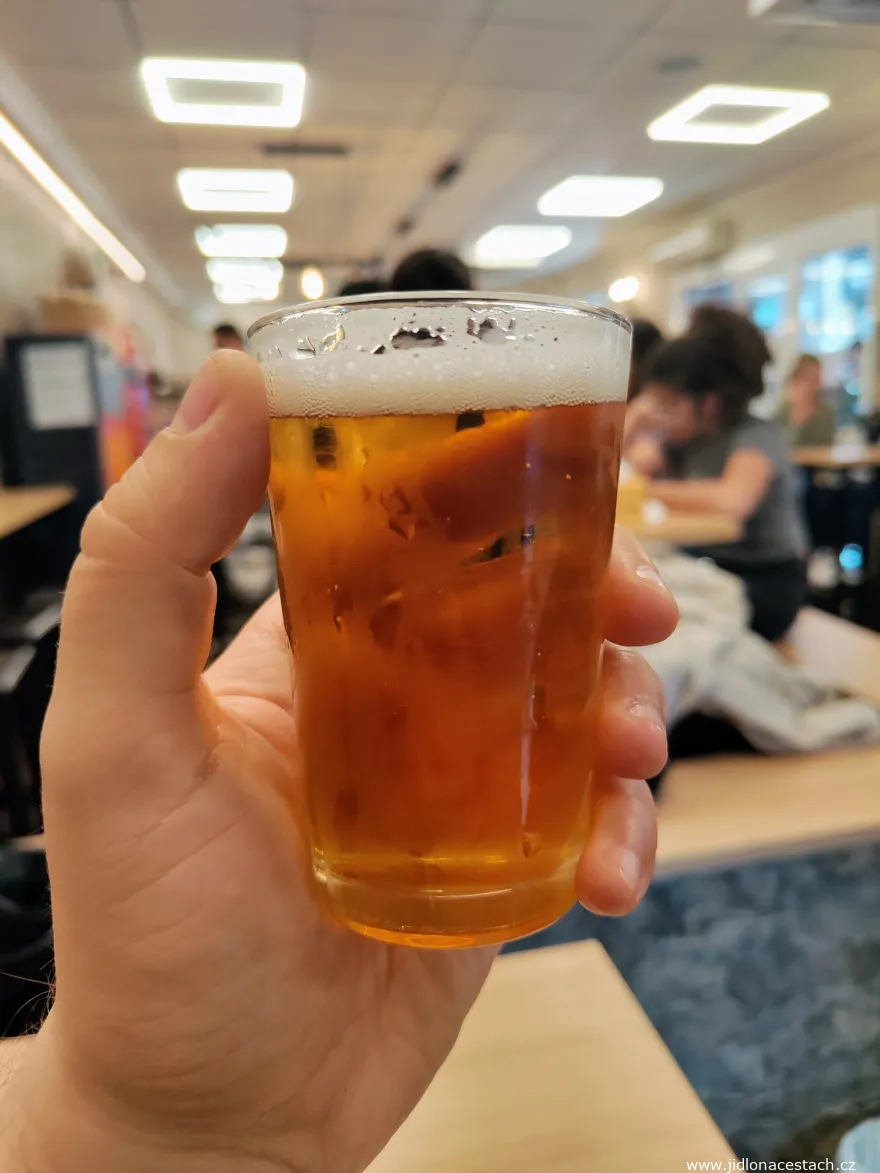
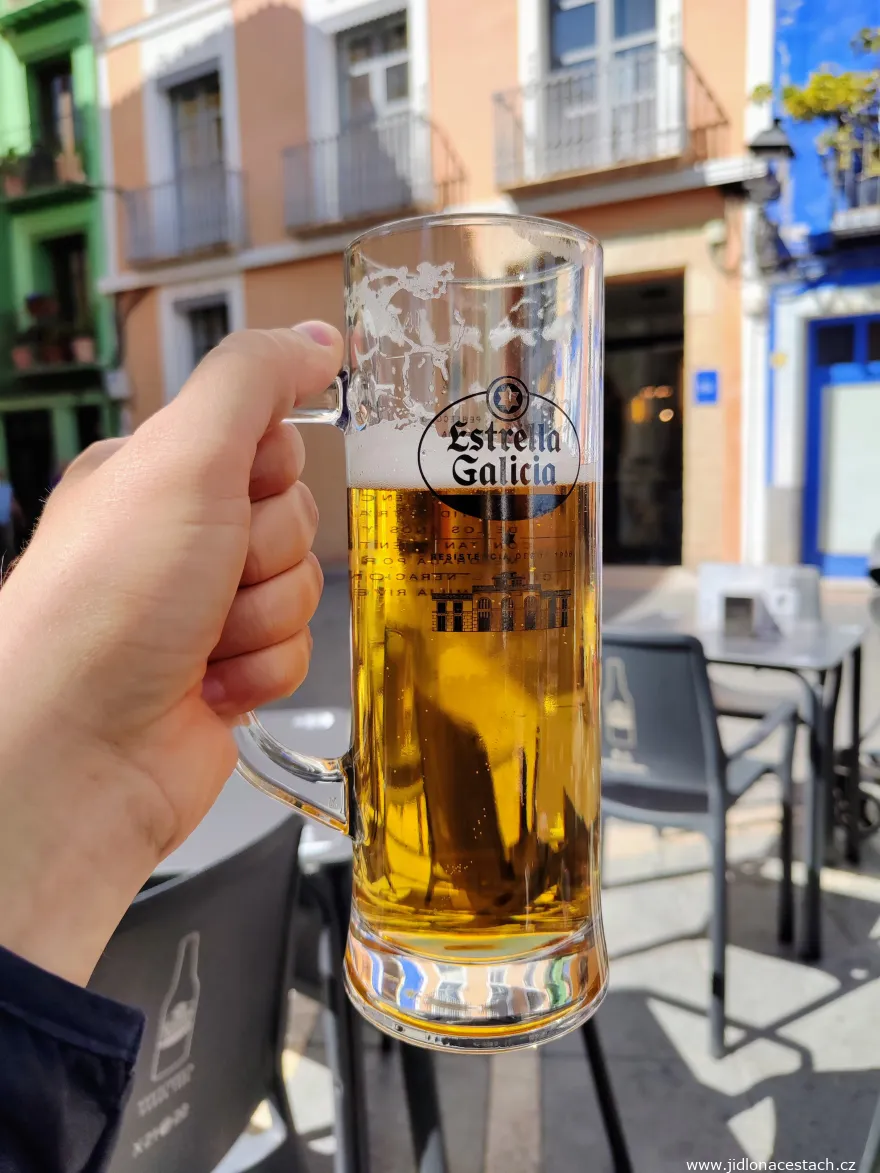
One step up from the caña sits the tubo, a tall narrow glass of roughly 300 ml. The story goes that beer stays cold in it longer; what is easier to prove is that it looks bigger than it is. A jarra is half a liter and you order it mostly outside on a terrace, where the waiter doesn't come past every five minutes. Bottles have a vocabulary of their own: a tercio is a third of a liter, a quinto or botellín a fifth, and anyone who says mediana in Catalonia gets that same third. Fractions of a liter as names for beer look like a math problem, but they work more reliably than most foreign languages.
And then there's the zurito, the smallest beer in the country: 100 to 150 ml, often poured only halfway up a bigger glass, exactly as I saw it in Bilbao. It belongs to the Basque txikiteo, the bar crawl where you drink one small measure in each place and move on. It sounds like the most Basque word in the whole beer vocabulary, and yet it comes from the nickname of an Andalusian bullfighter, borrowed in the 1960s by his fans in San Sebastián; the full story is in the article on txikiteo. For a visitor it comes down to one thing: if you want a small beer in Bilbao, don't say caña, say zurito.
Rubia, Negra and Clara: What Comes Out of the Taps in Spain
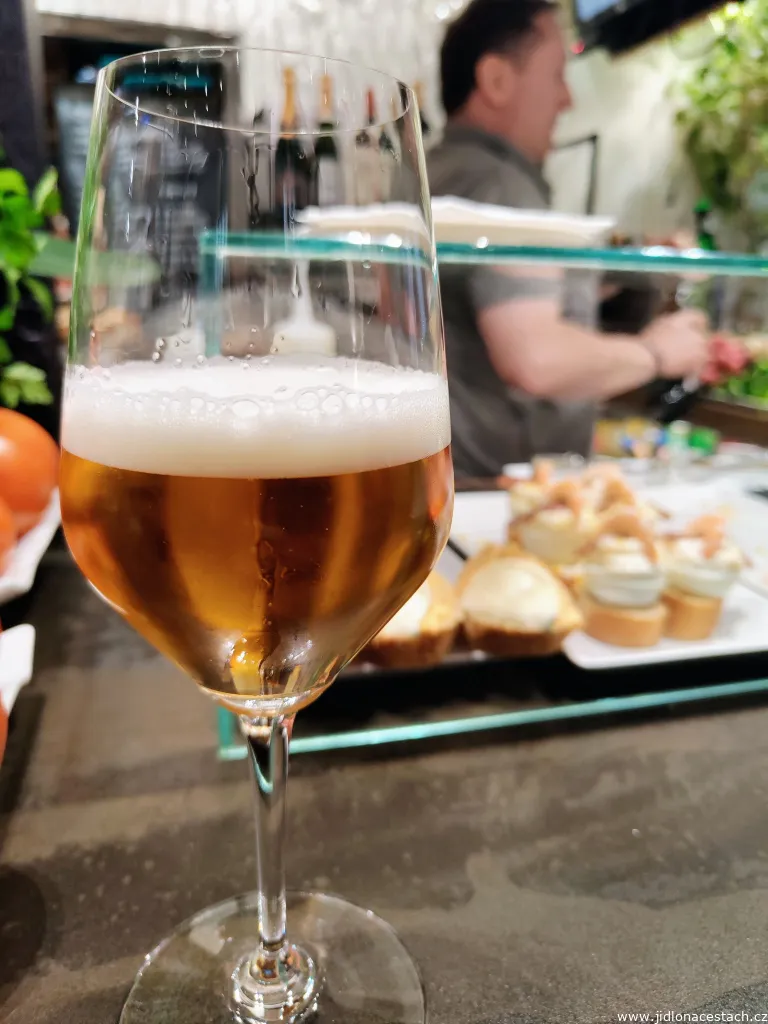
When a Spaniard says beer, he means rubia, literally a blonde: a pale lager at 4.5 to 5.5 percent, bready, faintly sweet, with a bitterness hinted at rather than spelled out. Spanish lager is to a Czech pilsner what a caña is to a pint: smaller, lighter and noticeably colder. Darker cousins exist, the amber tostada and the negra with roasted malt and notes of coffee, but you rarely meet them on tap and in Andalusia in summer almost never. Here beer is mainly there to beat the heat, and nothing beats a cold pale lager at that.
The third item on the taps is called clara, meaning pale, and it's beer cut with lemonade or soda water, a distant summer cousin of tinto de verano with beer in place of wine. In Spain the habit goes back to La Casera soda from the 1950s, and it shares nothing but the idea with the German radler, which came along thirty years earlier. The catch is what any given bar means by clara: in Catalonia you get beer with lemon soda, in the Basque Country, Cantabria and Navarre it comes with plain soda water and nothing else, and anywhere else you have to say clara de limón or it's a lottery. In Valencia they call it champú, on Mallorca shandy, in Bilbao pika. The drink stays the same; only the name changes every two hundred kilometers.
An Emperor, a Monastery and Alcohol-Free Beer: How Spain Came to Beer
Beer arrived in Spain with an emperor. Charles V was born in Flanders, brought his taste for beer to court and sent for Flemish brewers; when he retired to the monastery of Yuste in 1557 after abdicating, he took his master brewer Enrique van der Duysen with him and had a small brewery built there. He handed over rule of half the world, but not his brewer. By the end of the century Madrid and Santander had their first breweries. Nobody puts a firm date on the moment the courtly drink turned into beer for everyone; the 1960s and the tourists come up most often, but that's more guesswork than evidence.
Spain has more than made up for the emperor's import since, and in one beer category it leads Europe by a margin the wine guides never mention. Spaniards drink a quarter of all the alcohol-free beer in Europe, seven to eight million hectoliters a year, more than the whole of Latin America put together, and alcohol-free accounts for one in seven beers sold in the country. The country with a bar on every corner is also the one that drinks the most beer without alcohol; in practice it means that ordering una sin alcohol at the counter surprises nobody, and the driver doesn't have to explain a thing.
Seven Brands and Four Owners: Who Brews Mahou, Cruzcampo and the Three Estrellas
Spaniards are loyal to their beer by where they live: Madrid drinks Mahou, Catalonia Estrella Damm, Andalusia Cruzcampo, Galicia Estrella Galicia, and popularity surveys trace the same map. Yet the seven best-known brands have only four owners, so the regional rivalry is often a contest between two brands owned by the same company. Alongside them, more than five hundred small breweries have sprung up over the past fifteen years; craft beer here remains a big-city thing, though, and it is not what fills the caña in an ordinary bar.
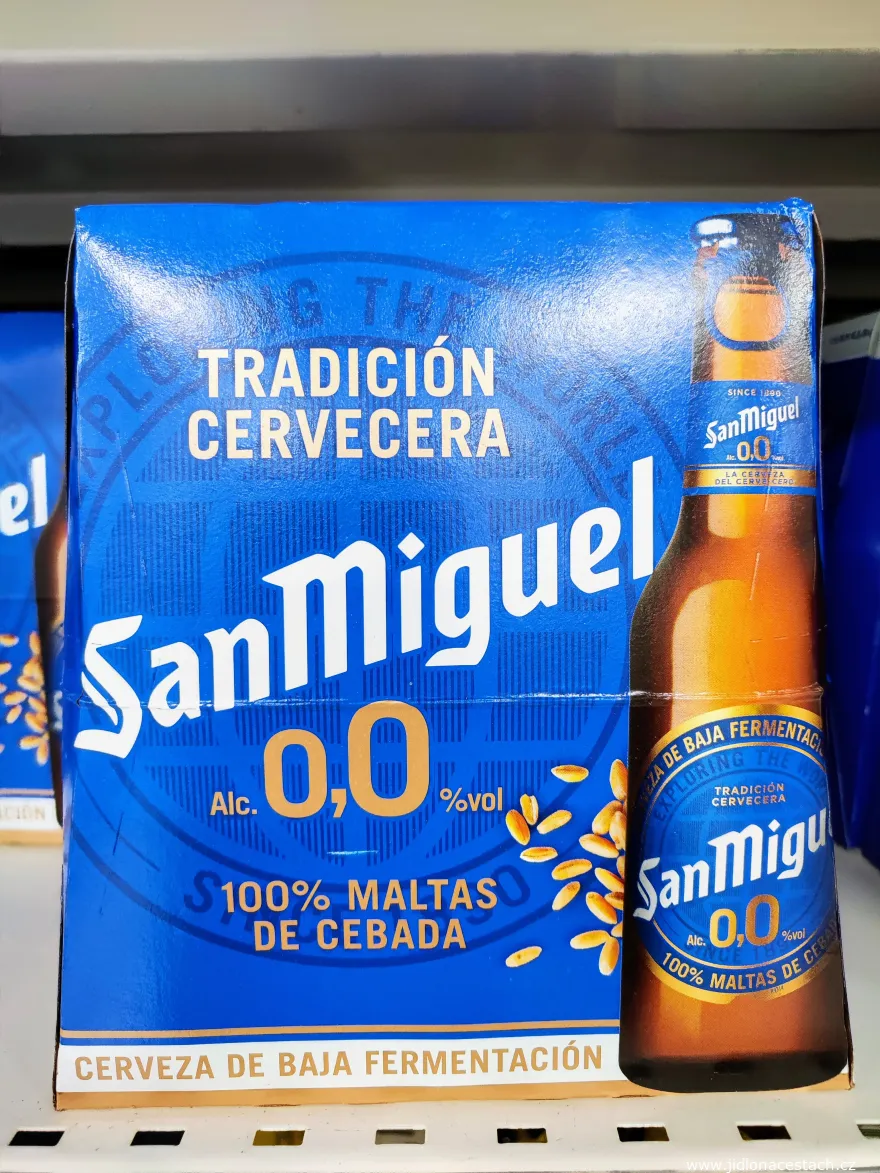
The Madrid brewery Mahou was founded in 1890 by the sons of Casimiro Mahou, a native of Metz in Lorraine; the family still owns the company and has bought up San Miguel and Granada's Alhambra along the way. San Miguel is a name borrowed from the Philippines: that brewery was founded in Manila in 1890, while the Spanish company of the same name only appeared in 1946 in Cervera in Catalonia, holding nothing but a license to the brand, and from the start it had nothing in common with the Philippines but the lettering on the label. Today it brews and has its headquarters in Malaga, so "Malaga beer" is technically correct; the name just traveled from Manila by way of Catalan Cervera to get there.
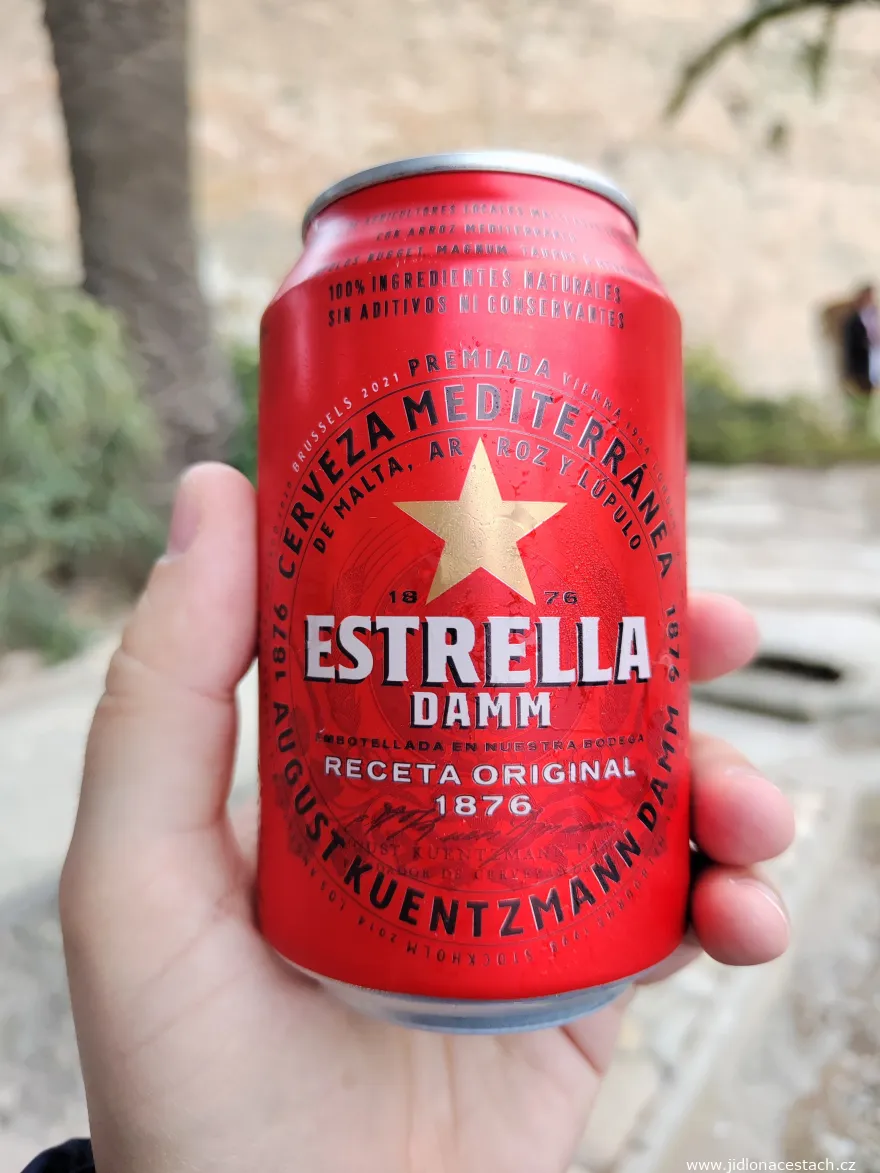
Fourteen years before Mahou, in 1876, the Alsatian August Küntzmann Damm opened a brewery in Barcelona; he had left home after the Franco-Prussian War and brewed a beer lighter than the one he was used to, made for the Mediterranean climate. Estrella Damm grew out of it into a Catalan institution, and its ads with the sun and a beach bar, a chiringuito, are as much a part of the Catalan summer as the beer itself. The word chiringuito belongs to the whole of Spain; Damm simply repeated it until half the country credited the word to them.
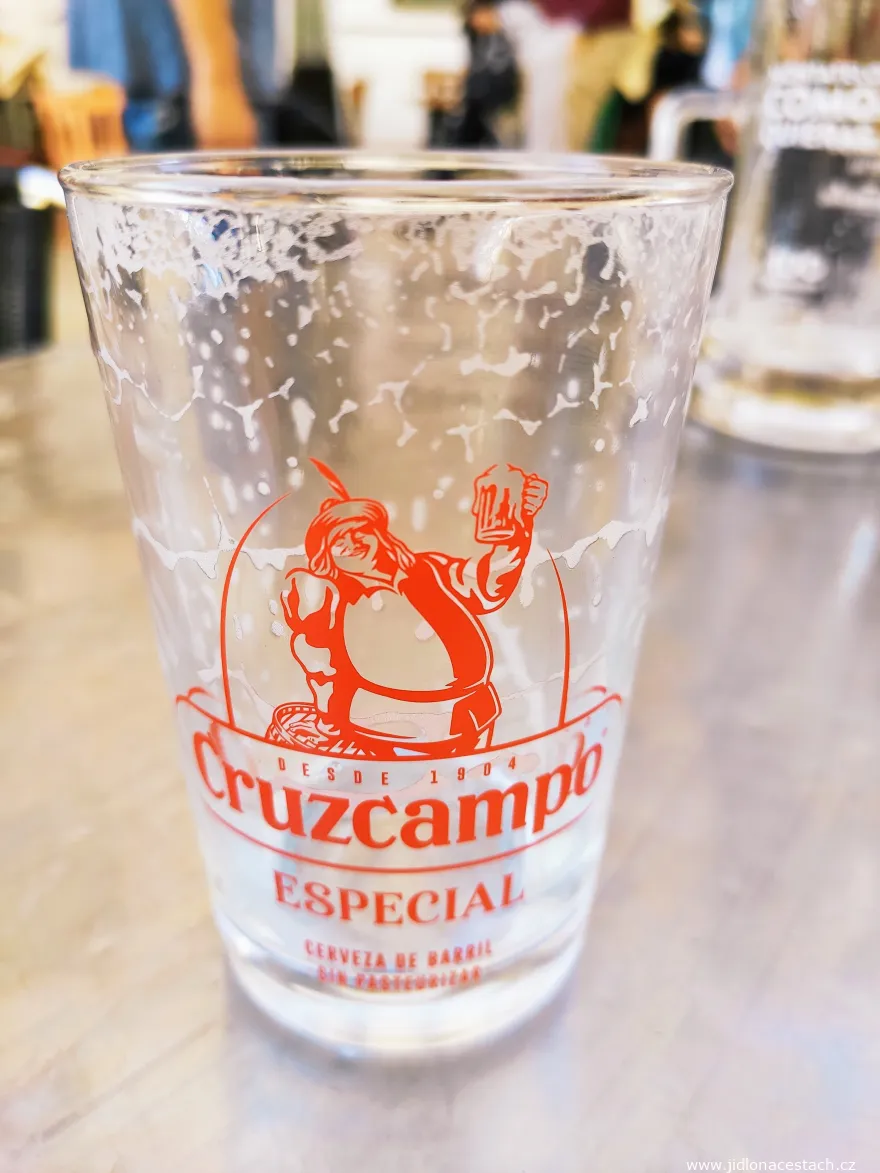
Cruzcampo is named after a cross. The brothers Tomás and Roberto Osborne, from the family that makes sherry in El Puerto de Santa María, built a brewery in 1904 in the Seville district of Nervión, right next to the shrine of La Cruz del Campo, and the name was born. Cruzcampo belongs to the Dutch Heineken today, but nobody in Andalusia cares: it is the beer of Seville, and its glass with the orange lettering is as much a fixture in the south as the olives on the table.
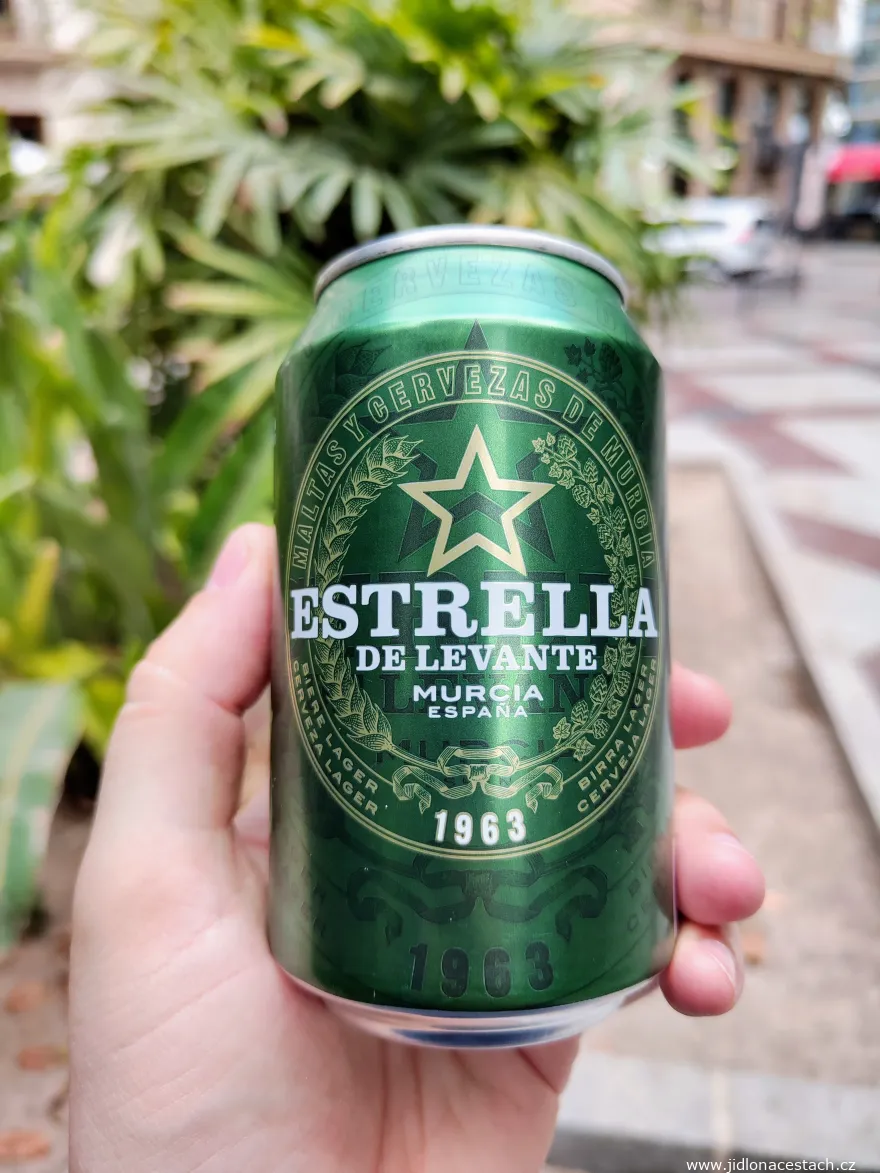
Alhambra was founded in Granada in 1925 by two brewers, the Catalan Carlos Bouvard and the Basque Antonio Knörr, and its most famous beer, Alhambra Reserva 1925, an amber lager at 6.4 percent in a green bottle with no label, looks like a prewar original. They first brewed it in 1997, as a tribute to the anniversary and an emergency brake for a company that was running out of steam in the 1990s. The tribute worked, and Alhambra now belongs to the Mahou San Miguel group. Estrella de Levante from Murcia, a 1960s brewery in Espinardo, comes under Damm, and yet in Murcia it is drunk as a local brand; the big groups have learned that a regional star is better left shining than renamed.
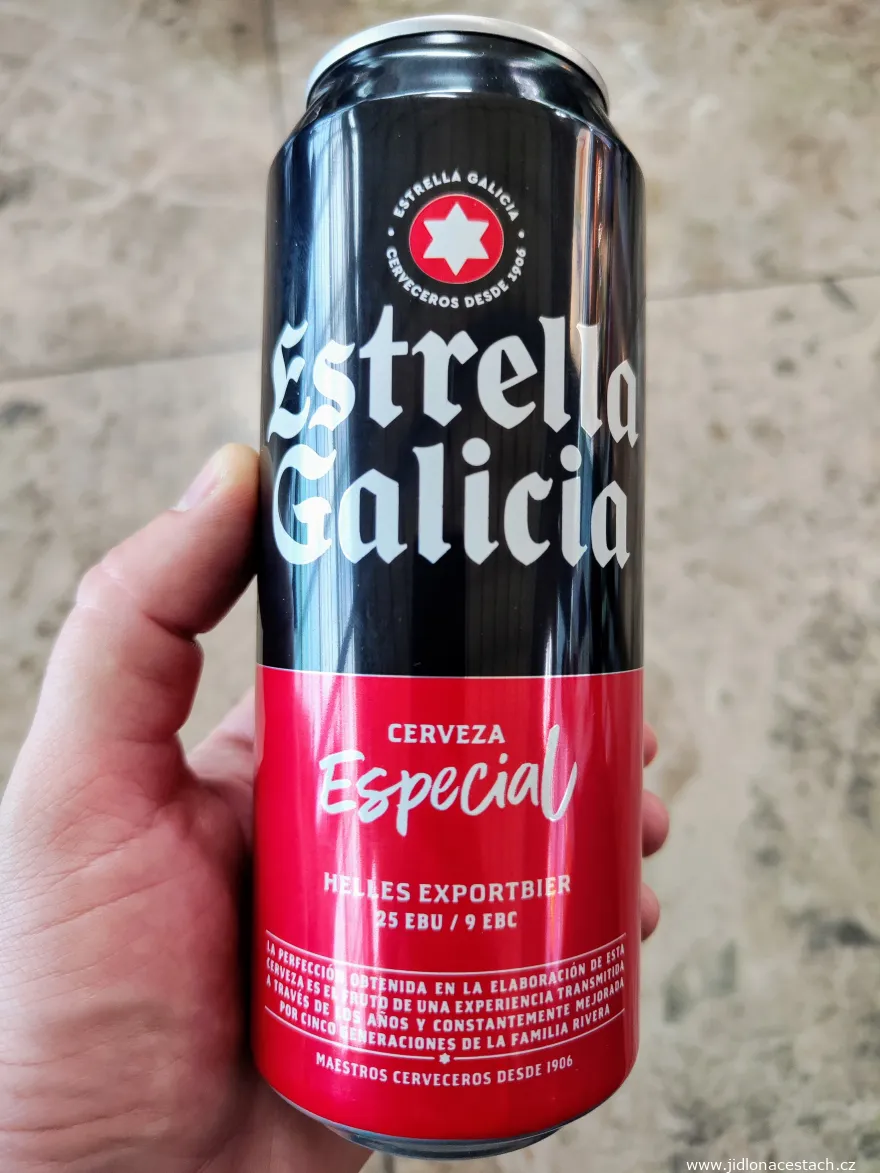
That leaves Estrella Galicia from A Coruña, the only one of the big names still in local hands: the Rivera family has held it since 1906, when José María Rivera Corral came back from Mexico, where he had run a business called La Estrella de Oro, and named the new brewery after it. During the First World War, when the hops ran out, he started growing his own, the first to do so in Spain. The three stars on the three labels, Damm, Levante and Galicia, are not related; they just share the old brewers' guild emblem: a five-pointed star for the four elements beer needs, and the fifth one the brewer can't control. Mahou has five stars, just to be safe. Ordering an "Estrella" in three different parts of Spain and getting three different things is probably the easiest way to work out where you are.
A Free Tapa and How to Order Your Beer
In Spain beer is a drink of the bar and of the middle of the day: a caña before lunch, a caña with tapas, a caña after work on a terrace, and in the Basque Country a zurito at every stop of the txikiteo. In Granada, Almería, Jaén and León you get a free tapa with it, automatically and without asking; in Granada the custom is over a hundred years old, and León has more than six hundred bars for a hundred and twenty-four thousand inhabitants. In Madrid and Barcelona don't count on a free tapa - you pay for whatever you eat. And if you order a clara in the heat, ask for it de limón straight away: otherwise a bar in the north will pour you beer with soda water without batting an eye, convinced it got your order right.
Cruzcampo in Malaga, San Miguel in the Canaries
In Malaga the beer I kept running into in restaurants was Cruzcampo: pale, very cold, with a bitterness that only announces itself after you swallow and then disappears again. And in the Canary Islands San Miguel became my beer, not a choice the locals would applaud: the islands have a derby of their own, Dorada from Tenerife against Tropical from Gran Canaria, both from the same company, and mainland brands play in a lower league there. So in the Canaries I took to a beer from Malaga, and in Malaga I drank a beer from Seville. Spain never once held it against me.


