La Cité du Vin: The Wine Museum in Bordeaux
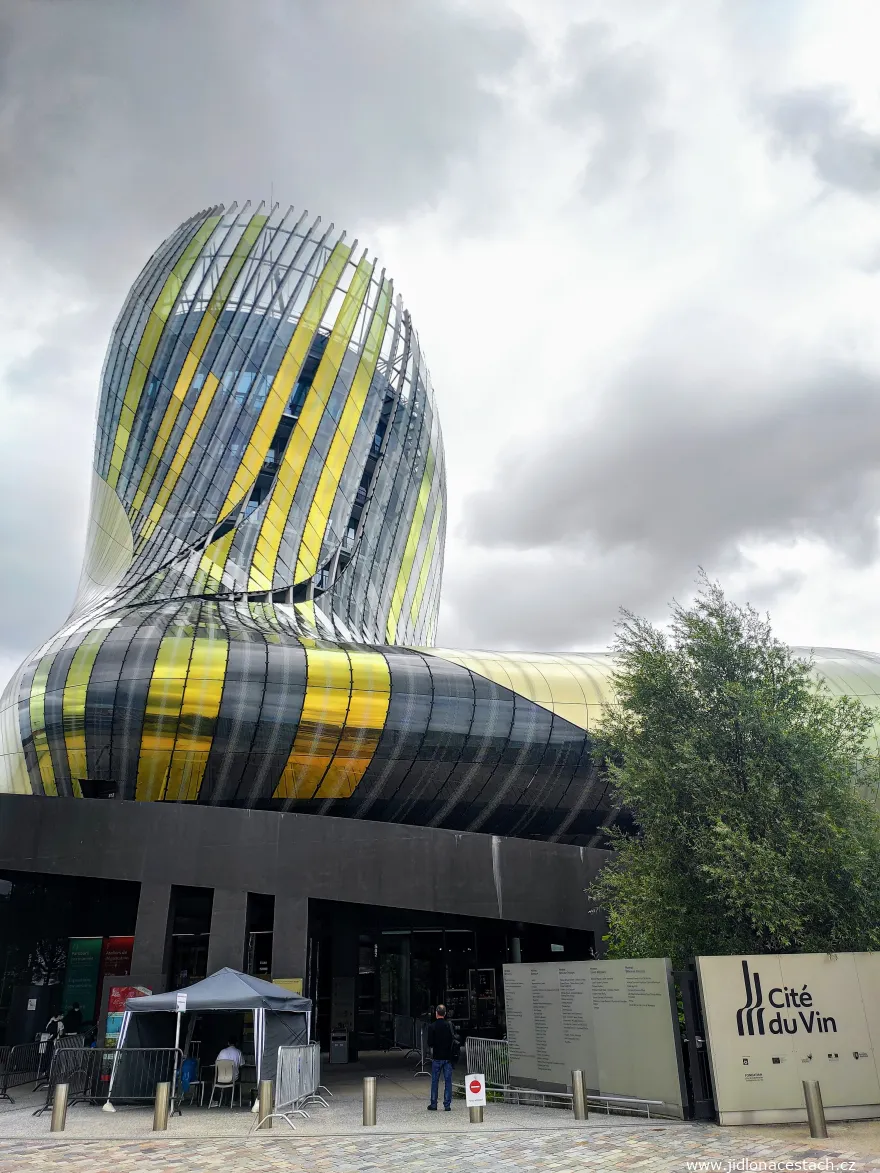
The building on the bank of the Garonne looks as if someone had frozen movement mid-swirl: ten floors of golden aluminum and glass twisted into a single whirl. Guidebooks and half the internet call it a decanter for red wine. I called it that too. Yet the architects at the XTU studio never drew a decanter - they talk about wine swirling in a glass, about the gnarled trunk of a vine and about the eddies of the river the building stands beside.
La Cité du Vin is an interactive wine museum in Bordeaux - and wine here means the whole world, not just the cellars that the fame of French cuisine rests on.
Why It's Called a Cité and Why It Covers the Whole World
The French word cité doesn't just mean a city - it also covers large cultural complexes: Paris has the Cité des Sciences for science, and Bordeaux built the same thing for wine. The operators avoid the word museum altogether, in fact, and describe the place as a cultural venue somewhere between a museum and a theme park. If you come expecting a shrine to the local grand cru, you'll be caught off guard - the permanent exhibition runs to three thousand square meters of the history, landscapes, crafts and rituals of wine from antiquity to the present day, and in a museum that Bordeaux largely paid for itself, Bordeaux wine is just one topic among many. Anyone who wants to pay their respects to the vineyards themselves has only a short hop to Saint-Émilion ahead of them.
The museum was pushed through by Alain Juppé, the city's long-serving mayor; it was meant to drive the transformation of Bacalan, the old port district. Construction swallowed up around 81 million euros, much of it public money, and in May 2016 President Hollande opened it with due ceremony. The most interesting item on the bill arrived after the building was signed off, though: the city had to pay the architects another 600,000 euros in copyright fees, including for images of the building it had paid for itself. The investment has worked out all the same - more than three million people have been through the museum since it opened, and over half of the visitors come from abroad.
Smells Under Glass Domes and Videos in Any Order
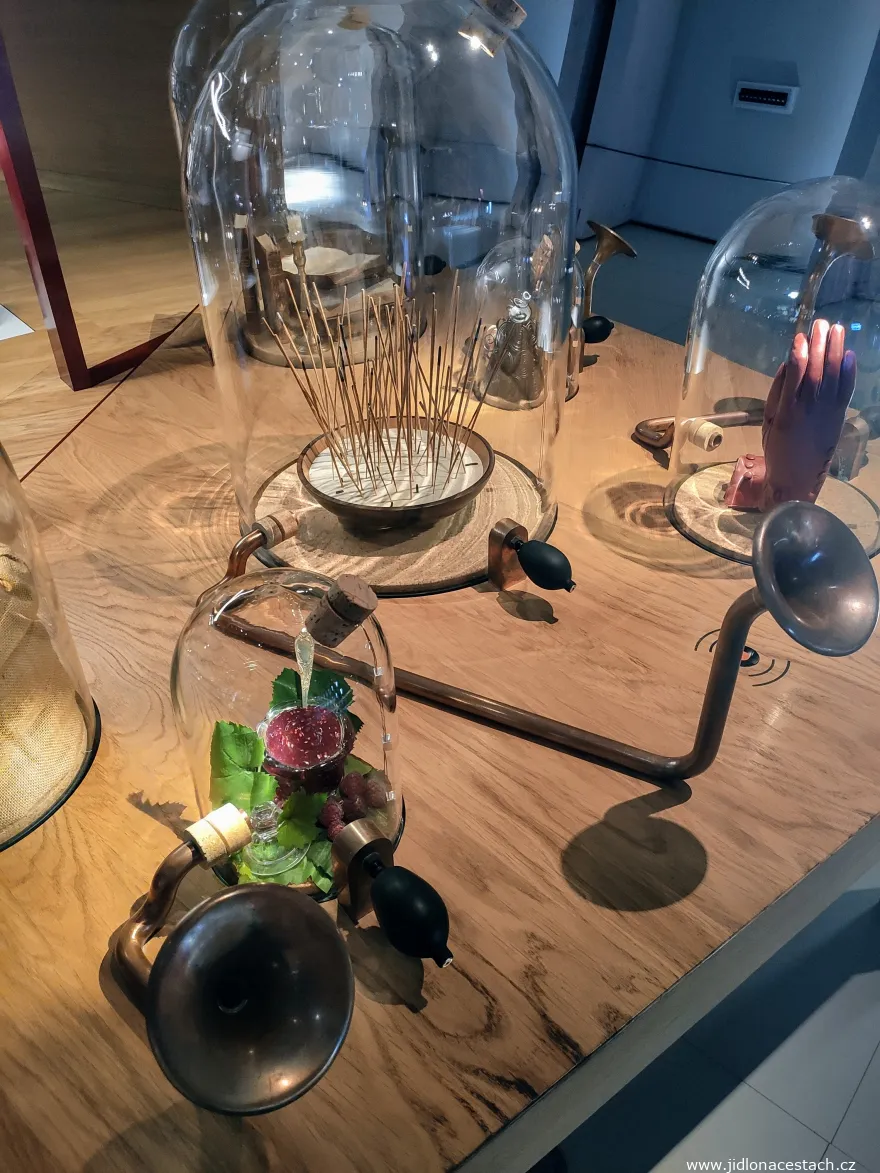
Inside you don't walk from display case to display case, because there are hardly any. Some twenty of the stations are hands-on: at the aroma tables you lift glass domes and sniff everything a wine can smell of, and the videos branch wherever the story pulls you. It feels more like a science center than a wine shop - everything is there to be touched, smelled and clicked through, so I'd guess it keeps kids as entertained as adults. The tour ends on the eighth-floor belvedere, 35 meters up, where a glass of wine comes with the ticket - you pick from more than fifteen bottles from around the world.
La Cité du Vin isn't the only place in Bordeaux where the story of wine gets told, either: the small Musée du Vin et du Négoce has been in the Chartrons district since 2008, devoted mainly to the history of the wine trade. And the idea has caught on across Europe - Burgundy opened a Cité of its own, split between three towns, and in 2020 Porto launched a whole museum quarter, World of Wine, whose creators make no secret of where they found the inspiration. It makes sense to buy your ticket online in advance. Admission is also included in the Bordeaux CityPass, which is worth it for anyone planning to spend more than a day in the city.
A Glass on the Eighth Floor
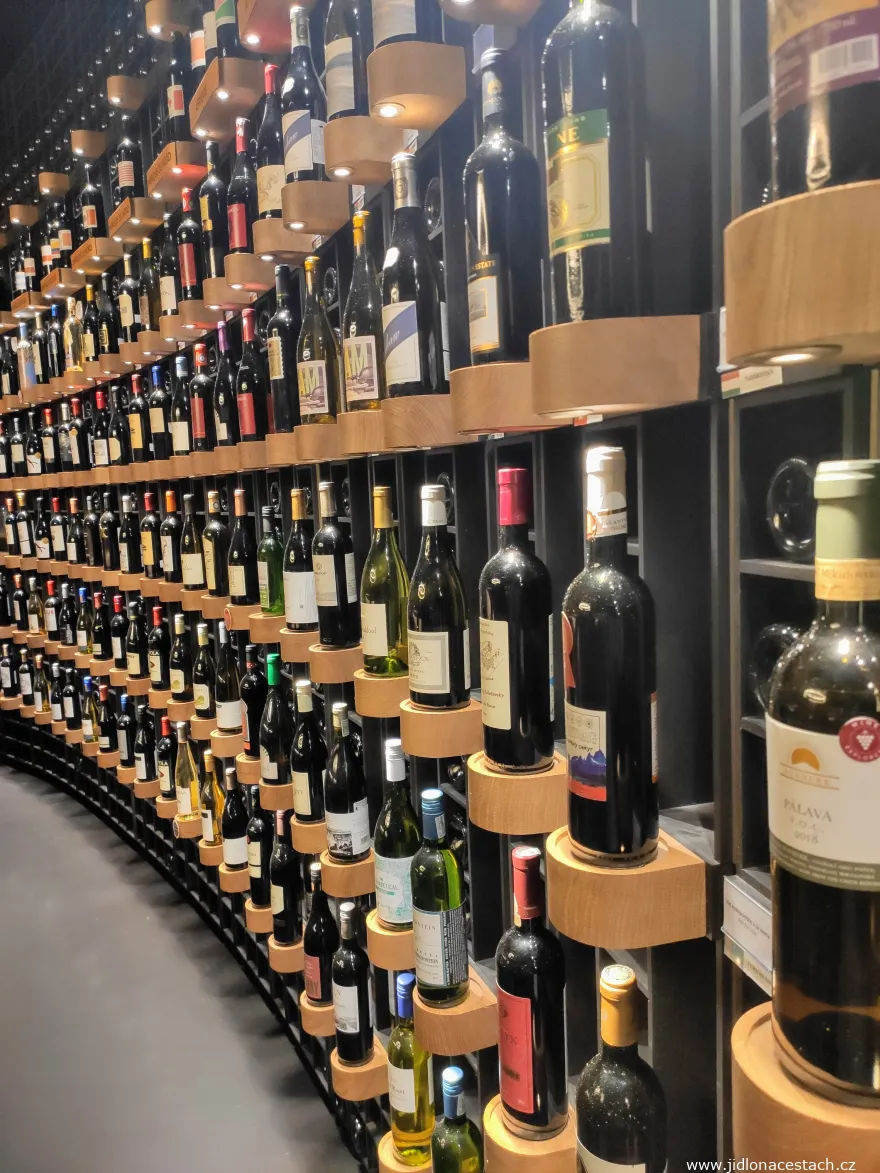
I spent an afternoon in the museum and it was the aroma tables that kept me the longest: smelling my way through every scent a wine can hide, and playing videos where you decide for yourself which way they go next. I carried my glass from the belvedere out onto the panoramic terrace, with a view right out over the city and the Garonne. On its own, admission costs 21 EUR. And in the shop by the exit, stocked with local and international wines in a range I haven't seen anywhere else, I ran into a Moravian Pálava from the Sonberk winery. The museum had walked me through the wine cultures of the whole world - and the bottle I liked best in the end was one I know from back home.

La Cité du Vin


