Sardinian Wine: Vermentino, Cannonau and Other Bottles from the Island
Conad is a nationwide Italian chain, so from its store near Villasimius I expected the same shelf as anywhere on the mainland: a few Tuscan names, something from the Veneto, prosecco. Instead the shelf held what the island grows itself - vermentino from the north, cannonau from the mountains, carignano from the southwest. It surprised me how much of the island a national chain had put on its shelves.
Sardinian wine is the whole island in bottles: one DOCG, seventeen DOCs and a string of grape varieties you'll hardly meet anywhere else in Italy.
Vermentino: The White Wine Where the Growing Zone Decides
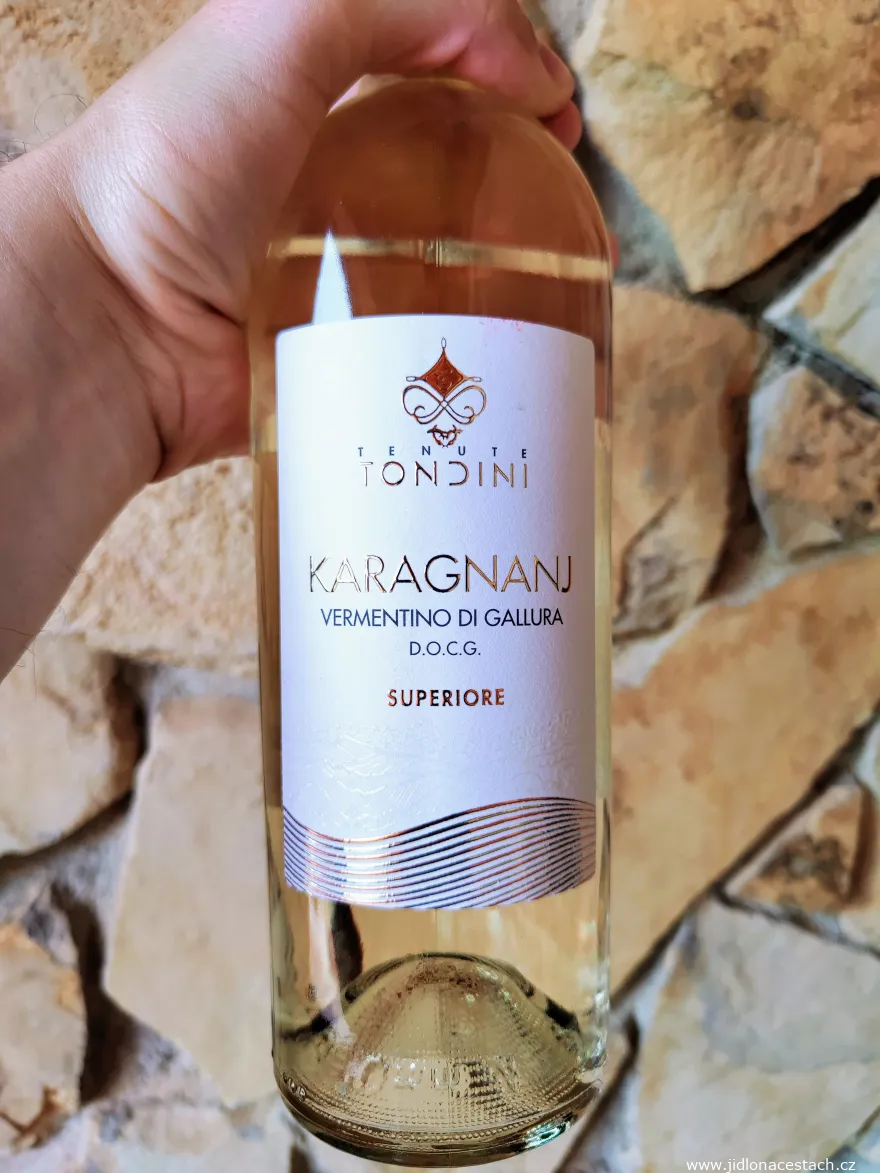
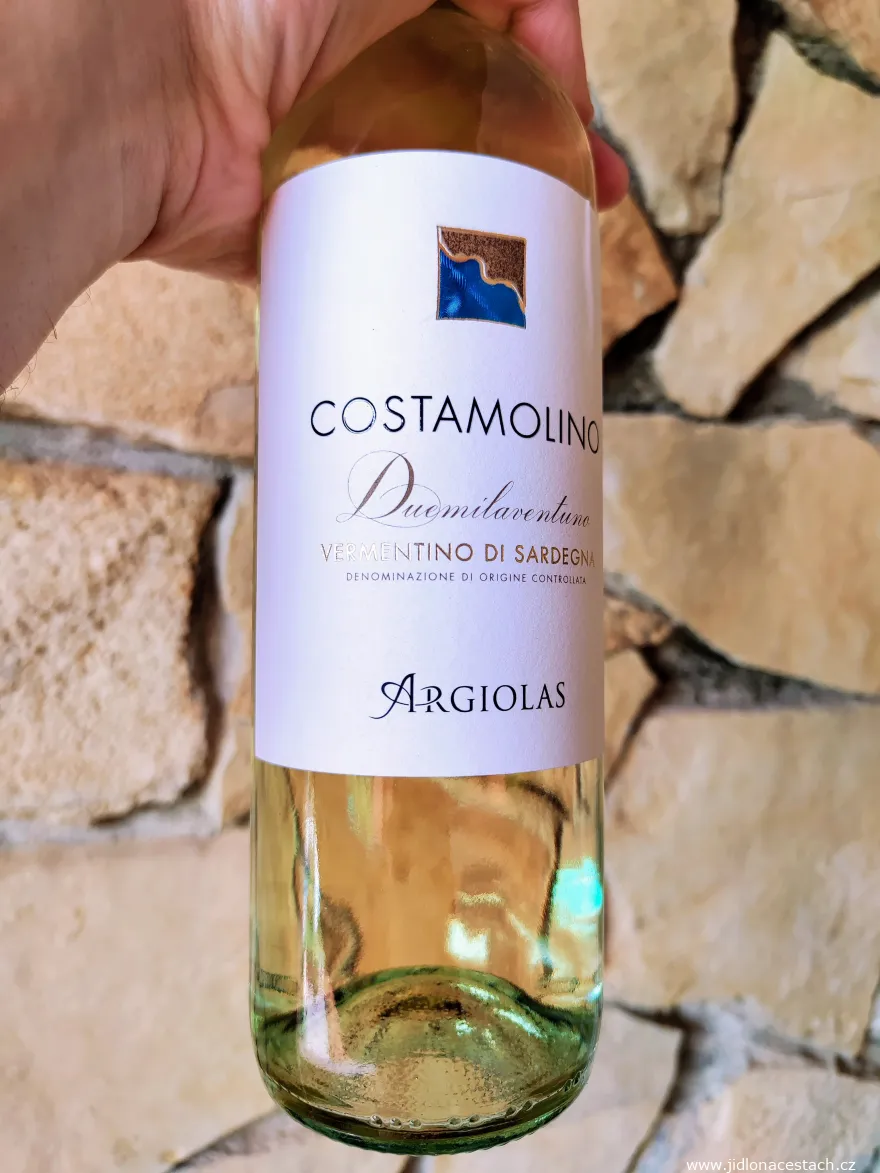
Two bottles of vermentino side by side, and at first glance a single difference - the price. Vermentino di Gallura is the only Sardinian wine to carry Italy's top designation, DOCG, which it has held since 1996; Vermentino di Sardegna settles for DOC. The grape is the same in both cases, the rules require at least 95 percent vermentino, and what really differs is the soil: Gallura is the granite northeast of the island around Tempio and Calangianus, while the DOC covers the whole island. The pricier bottle from the Tenute Tondini winery is called Karagnanj, the name of the village of Calangianus in the Gallurese dialect - even the label tells you where it comes from. Vermentino itself, though, is a globetrotter: it grows in Corsica, in Liguria and in Provence, and the most commonly cited theory has it travelling from Spain by way of Corsica to the Ligurian and French coast. None of that is proven. It's just the best-told version.
Cannonau and Carignano: The Reds That Survived Phylloxera and the Aragonese
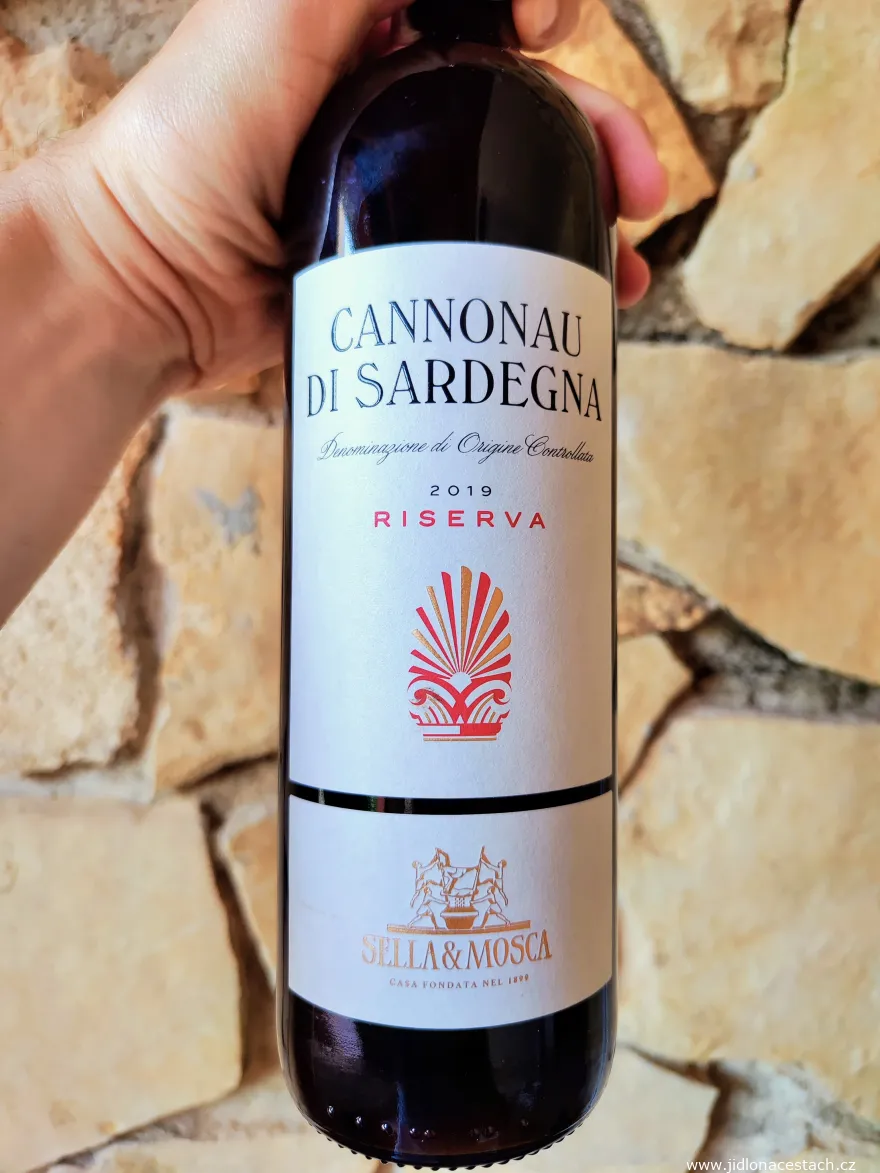
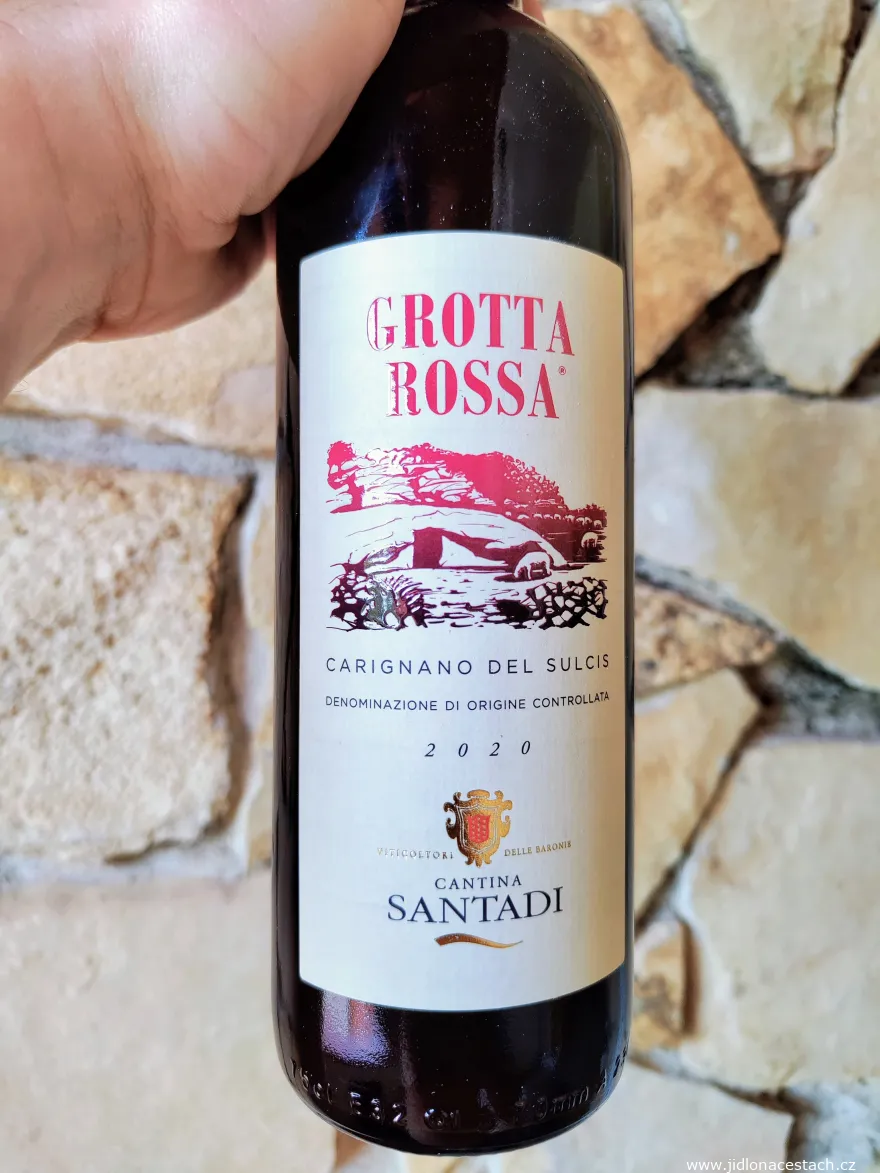
The most widely planted Sardinian vine is called cannonau and covers roughly a third of the island's vineyards. Molecular analysis has pinned it down as the same grape as French grenache and Spanish garnacha. The only argument left is which one is the parent: the classic version has the Aragonese bringing it over, and the first written mention of "canonao" on the island dates from 1543, but archaeologists found charred grape pips 3,200 years old near Borore, and some on the island took that as proof that cannonau is in fact the forefather of grenache. The pips show that vines were grown in Sardinia as far back as the Nuragic age, but nobody can reliably tell from them which variety they came from. Travel sites add that cannonau is the secret behind Sardinian longevity; Ogliastra really is a documented blue zone full of centenarians, it's just that nobody has proved the wine has anything to do with it yet. The second red in my selection, Carignano del Sulcis from the southwest, has a humbler story: phylloxera (the vine pest) doesn't survive in the sandy soils of the island of Sant'Antioco, so the vines there still grow on their own roots to this day, without the American rootstock that practically all of Europe had to switch to at the end of the 19th century.
Vernaccia Under Yeast and Moscato with Pardulas
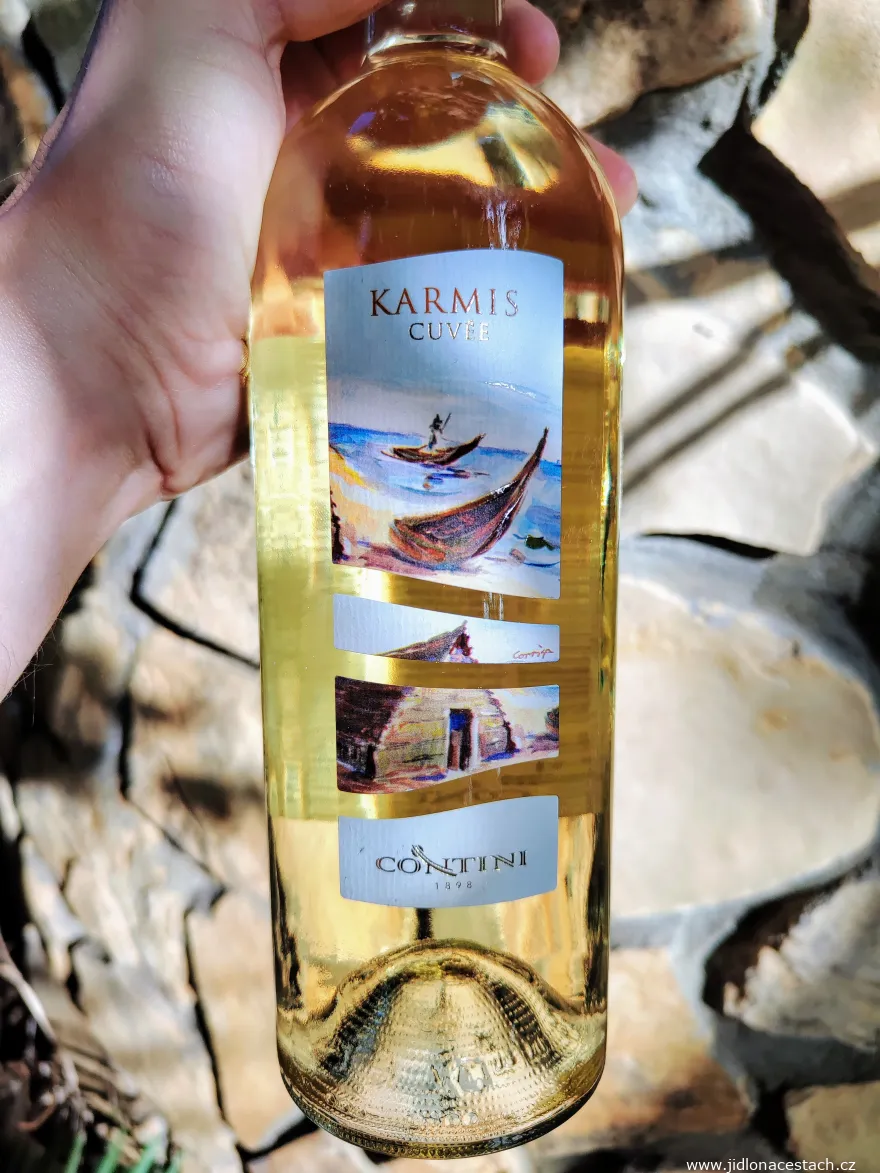
The strangest Sardinian wine of all I only ever got hold of as thirty percent of a blend. Vernaccia di Oristano ages for years in barrels left deliberately unfilled, under a layer of yeast, much the way sherry does, and it tastes nutty and oxidized - a tourist sends it back as spoiled; someone who knows drinks it with bottarga. That layer of yeast behaves like the skin on a mug of hot milk from the school canteen, only with the opposite result: it shuts the wine off from the air and at the same time gives it a flavor it would never get otherwise. In 1971 vernaccia became the very first Sardinian DOC; it shares nothing but the name with Tuscan Vernaccia di San Gimignano - the Romans used the Latin vernaculus, "local", for any vine that simply happened to grow nearby. Karmis, from the Contini winery in Cabras, blends vernaccia with vermentino seventy to thirty - a gentler way in than vernaccia on its own. The island's sweet finish is Moscato di Sardegna, a muscat dessert wine that Sardinians drink with the Easter pardulas pastries and after which there is nothing left but mirto. Sicilian wine has almost four times the vineyard area; Sardinia, for its part, has bet a third of the island on a single grape.
Six Bottles from the Conad near Villasimius
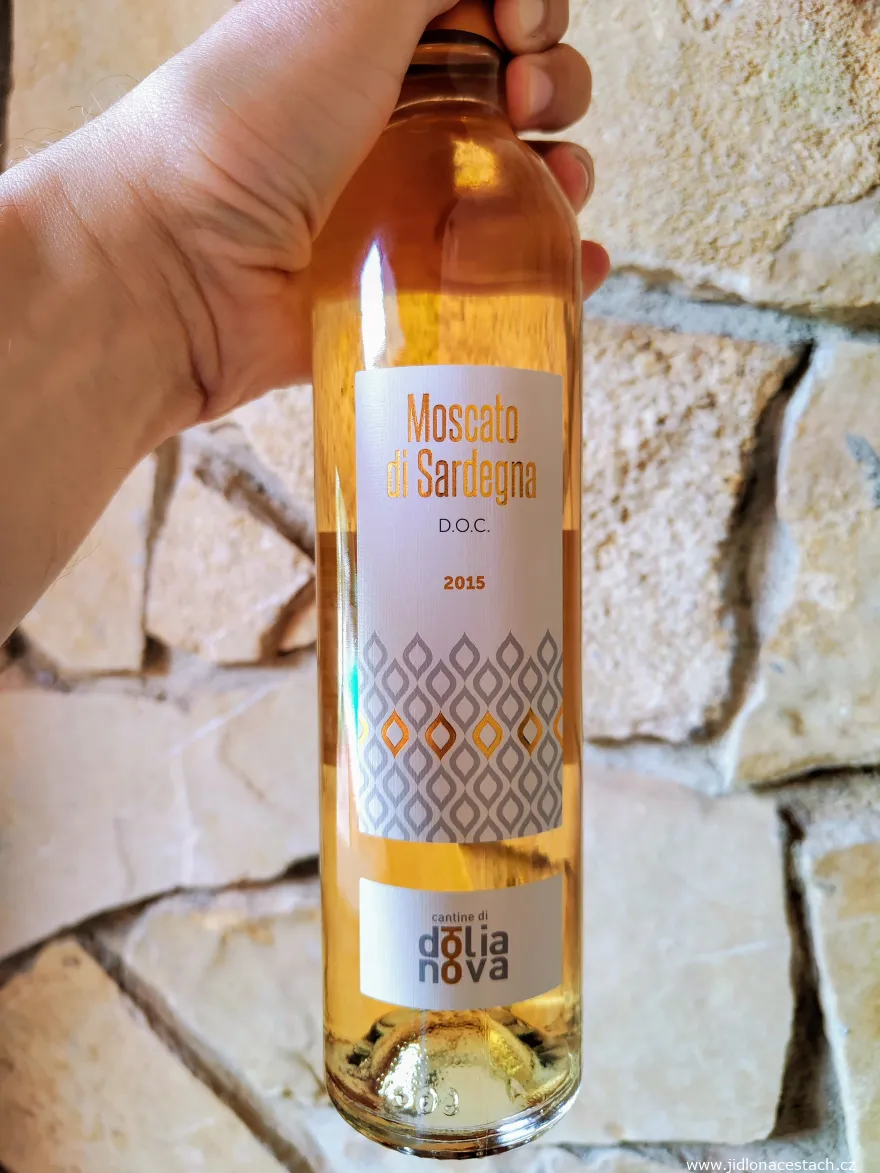
I bought the wines at the Conad and Crai supermarkets around Villasimius in the southeast of the island - six bottles, six different designations, most of them about 8 EUR. The one I liked best was among the cheapest: Costamolino Vermentino di Sardegna from Argiolas, fresh, light, easy to drink without giving it a thought. The Moscato di Sardegna from the Dolianova cooperative, sweet, fruity and perfectly chilled, cost about 10 EUR for a half-liter bottle, and I'd buy it again without hesitating. The Karagnanj Vermentino di Gallura DOCG Superiore from Tondini was the one pricier bottle at 16 EUR: straw-colored with a greenish glint, more complex, pleasant to drink - and still not the best. The Cannonau Riserva from Sella & Mosca and the Karmis from Contini held their own; last place went to the Grotta Rossa Carignano del Sulcis from Santadi, which I liked the least in that company. So the most expensive bottle ended up somewhere in the middle of my ranking, and one of the cheapest at the top.


