Gueffus: Sardinian Almond Balls in Colorful Wrappers
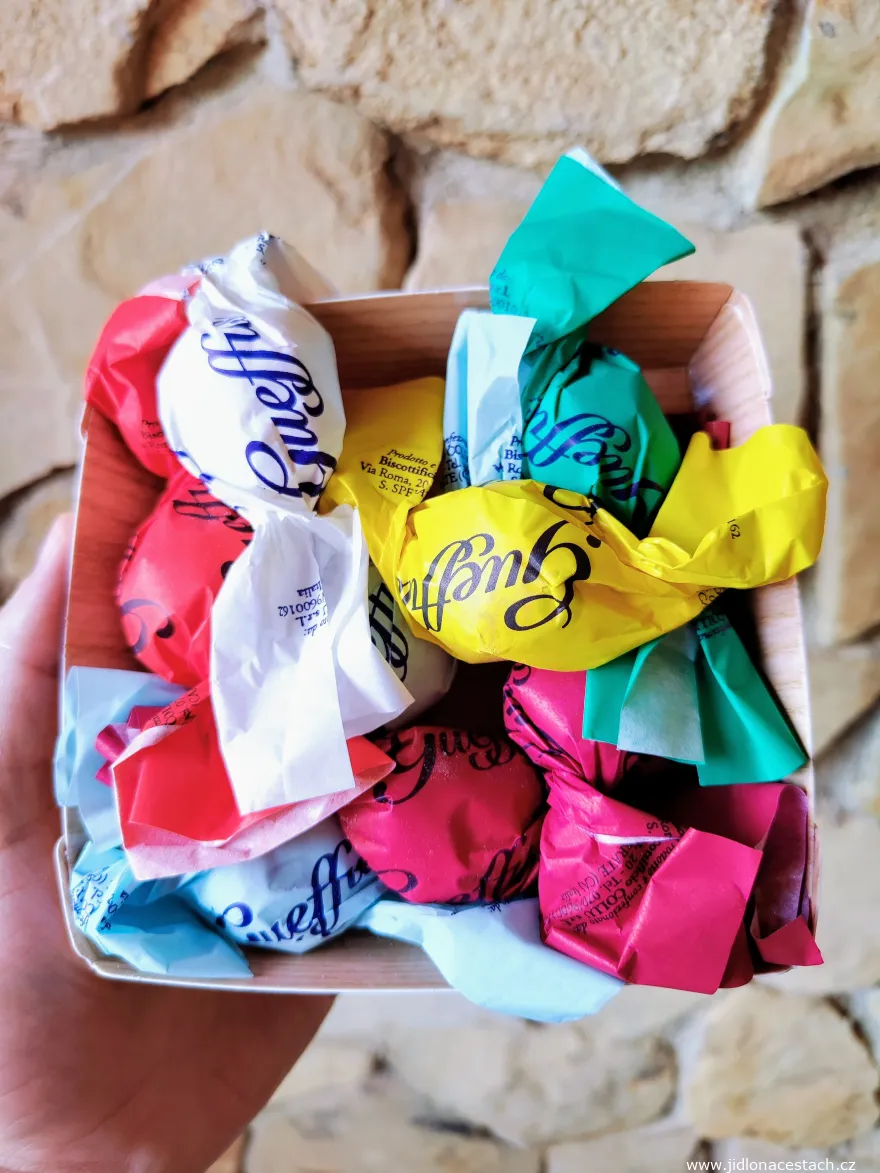
In Sardinia, ask why those colorful wrappers have frayed ends and you'll be told the fringe recalls the battlements of Guelph castles, the pope's party in the medieval wars. It's a lovely story with one flaw: the novelist Michela Murgia made it up for her novel Accabadora and later had to explain in public that it was a literary flourish, not history. The story stuck anyway, because it's more interesting than the truth.
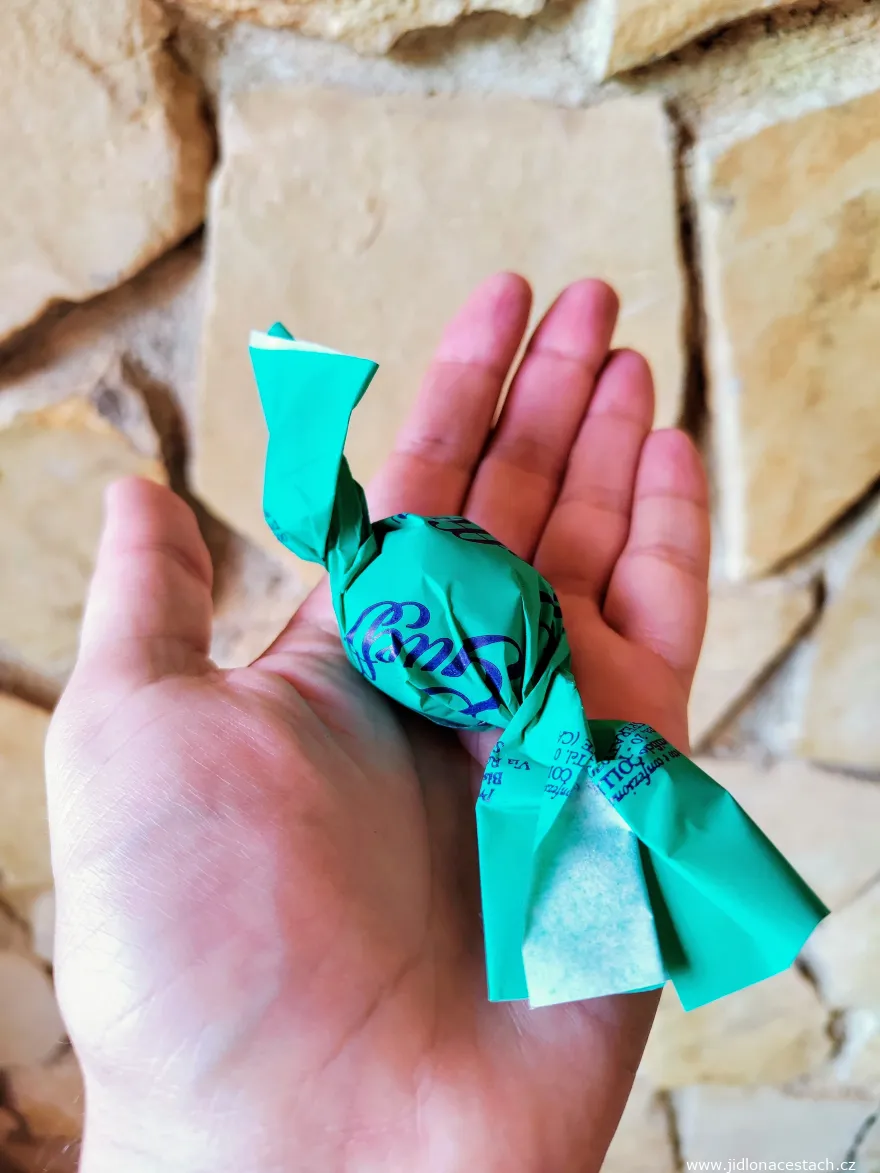
Gueffus (also guelfos in Sardinian) are soft balls of ground almonds, sugar and lemon zest that never see the oven - they're just cooked in a pot, rolled in sugar and wrapped one by one in a colorful paper twist like a sweet: a festive treat from Sardinian cuisine.
What the Name Gueffus Means and Why Nobody Knows for Sure
The internet keeps repeating that gueffus is a garbled Spanish huevos, eggs, after the shape of the balls - Sardinia spent four centuries under the Aragonese and then the Spanish crown, so why not. Except that neither Spanish nor Catalan sources know anything about this etymology, and the Sardinian journalist Marco Piras-Keller follows a different trail instead, through Dante's word gueffa, a skein of yarn, all the way back to a Germanic root. Three explanations, three different countries of origin for one word, and not one of them attested - the only certainty is that gueffus are an island-wide affair: in the south, in the Campidano, they're called gueffus, in the north around Ozieri sospiri, sighs, with honey in the dough and white icing on top, and in Sassari pirichittus, literally little tiny ones. Outside Sardinia you won't find the same thing under any name.
Related almond mixtures, though, are known all around the Mediterranean: Sicilian frutta martorana is shaped and painted to look like fruit, while gueffus stay a plain ball and leave the show to the wrapper; Spanish cuisine has Toledo's mazapán, with a prescribed half of almonds and a monastic pedigree, whereas nobody prescribes any ratio for gueffus; Greek amygdalota are sometimes even baked.
Where Gueffus Came From and What We Really Know
Nobody puts a date on the first written mention, and the only thing you can say without guessing is the context: sugar spread through Sardinian cooking under the Aragonese from the 14th century on, and almond sweets came with it. The island's one documented Spanish import goes by a different name, though - menjar blanc, an almond cream that Catalan settlers brought to Alghero and still make there just as they do in Tarragona. Gueffus have no such birth certificate; what they do have is a place on the Sardinian list of traditional products, where it's set down in black and white that they're made all over the island.
Almonds, Sugar and a Pot: How Gueffus Are Made and When They're Eaten
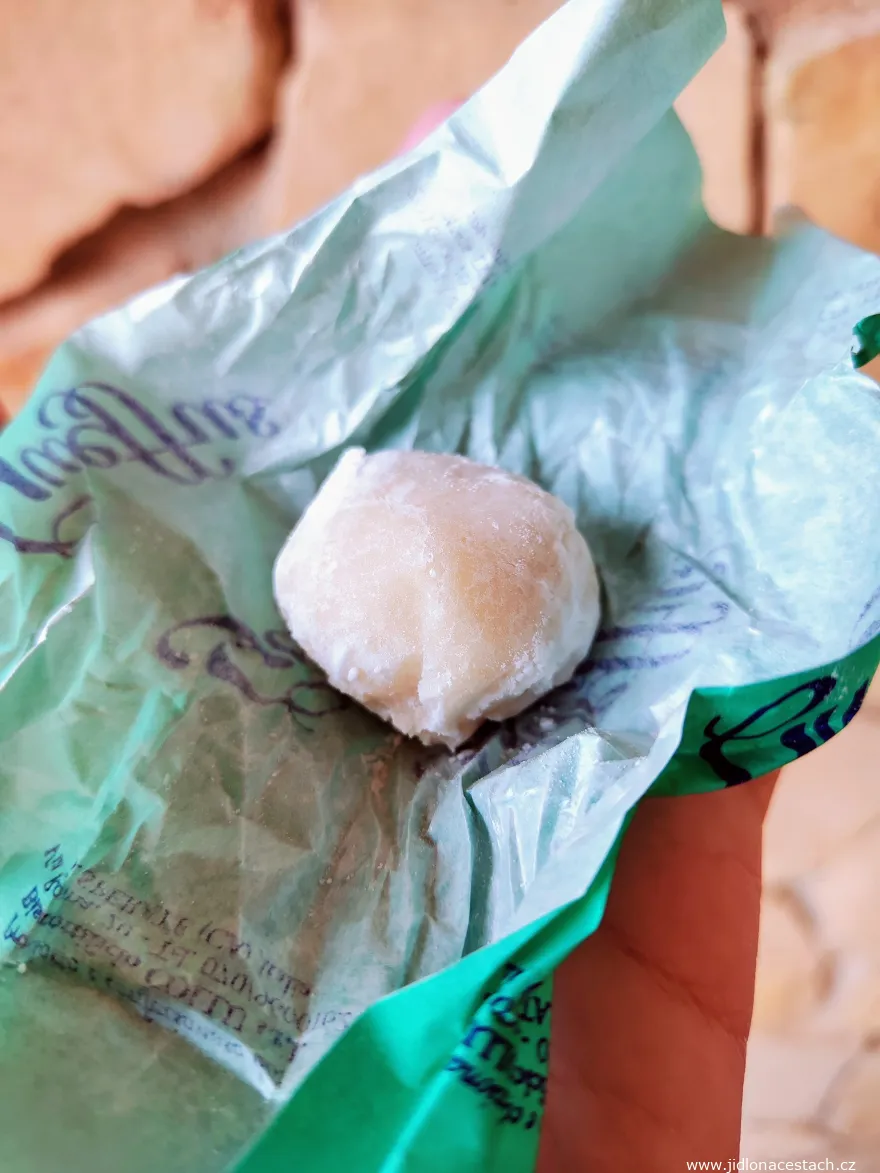
The recipe is short, which is why the details do all the work. Sugar is boiled briefly with a little water into a syrup, ground blanched almonds and lemon zest are stirred in, the mixture is left to cool to lukewarm and rolled into balls the size of a walnut, which then get coated in granulated sugar and left to dry. The oven never comes into it - this is a sweet that isn't baked, like the no-bake balls we roll at Christmas back home, only without the rum and the sponge crumbs. The variations come down to the flavoring: a drop of mirto or another liqueur in the mixture, a chocolate coating on top, and in the middle of the island they make a cousin out of hazelnuts and honey, bucconettes, which look almost the same and taste completely different.
Gueffus are a sweet for occasions: weddings, christenings, Christmas, Easter and the Sundays when the family comes over. They used to be made at home up to two weeks ahead, because they keep, and at a wedding they still stand for a sweet start to married life. These days you can buy them in any bakery, and in a gift box at Cagliari airport.
Wrappers from the Collu Bakery
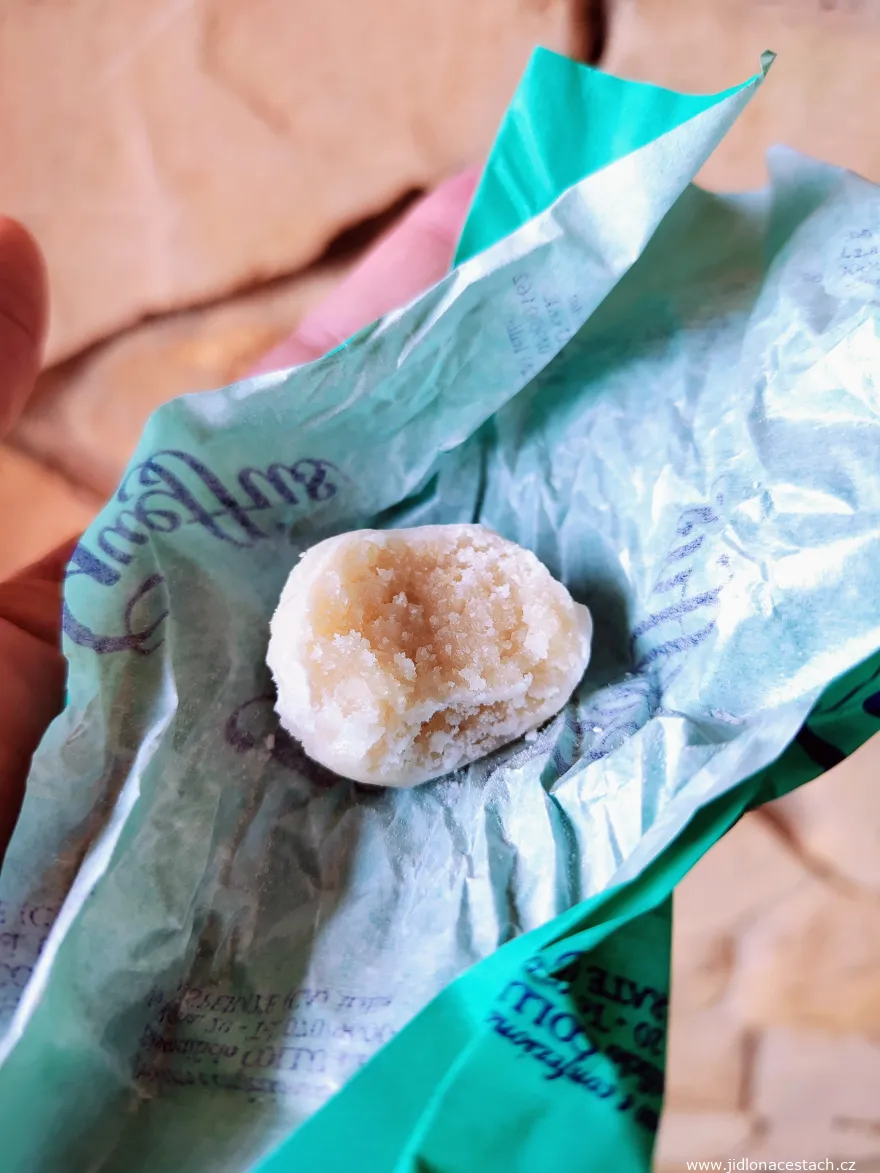
I bought my gueffus in Sardinia, in a shop that got them from the Biscottificio Collu family bakery in San Sperate near Cagliari; other producers print their name on the wrappers too, but the wrappers are often identical, so the packaging tells you it's gueffus, not who baked them. The ball was soft and moist inside, the almond carried through from the first bite to the last, and the lemon only spoke up once it was on the tongue, and the sugar on the outside crunched quietly.


