Sel de Guérande: Hand-Harvested Sea Salt from Brittany
The most expensive salt in the world. That title follows fleur de sel from Guérande through guidebooks, price tags and travel blogs alike. Try to pin it down, though, and it falls apart: the neighboring island of Ré claims the same superlative, and so do a few salt marshes well outside France. What is certain is something else.
Sel de Guérande is sea salt still harvested by hand on the Atlantic coast, with wooden tools, out of flooded clay pans - and it is an ingredient of French cooking you can take a day trip to see, the way you would a monument.
What Fleur de Sel Is and Why It Must Never Touch the Bottom
Fleur de sel means flower of salt, though flowers have little to do with it. French uses fleur for the finest thing you can skim off a surface - fleur de farine is the most finely milled flour - and that is exactly what the flower of salt is: a fragile crust of tiny crystals that forms on the surface of a salt pond on a sunny day when a dry wind is blowing. The salt worker, a paludier in the local word, draws it off with a wooden rake called a lousse for as long as it stays afloat; whatever takes on water and sinks is no longer the flower but gros sel - coarse salt, turned gray by the clay on the floor of the pan. It looks a lot like the salt we throw on icy sidewalks back in Czechia, only it costs many times more - and it makes up the overwhelming bulk of the harvest. The flower is the cream, the gray salt the milk.
The harvest runs only through the summer, roughly from June to September, and only when the weather allows: without sun and wind the flower never forms at all, so a thousand-year-old tradition still hangs on the forecast. A good year yields over ten thousand tons; 2024 ended with almost nothing. The kitchen keeps a strict division of labor: gray salt goes in the pot, fleur de sel only onto the finished plate, where the crystals crunch between your teeth for a moment and then dissolve. Bring a bag home and salt your pasta water with it and you haven't committed a crime - you have just paid a tidy sum for something that dissolves into ordinary salt in the pot.
Who Else Has a Flower of Salt of Their Own
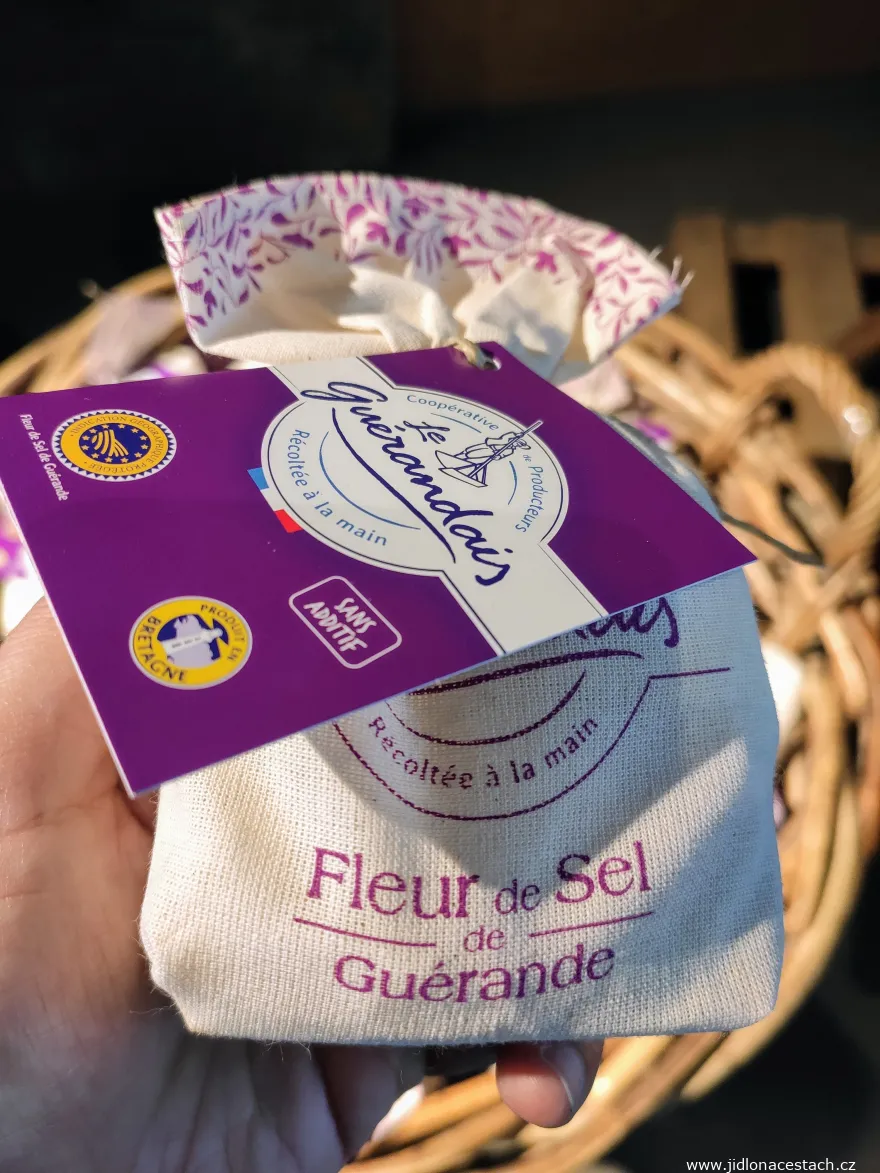
Guérande holds no monopoly on the term. The same handwork goes on at Noirmoutier and on the island of Ré, but the Guérande marshes are by far the largest of the Atlantic trio. The Camargue down on the Mediterranean is a factory floor by comparison - its industrial saltworks turn out hundreds of thousands of tons a year and gather their fleur de sel by a different method. And plenty of others have a flower of salt: Portuguese flor de sal has been gathered for more than a thousand years, and in Spanish cuisine they scoop it up after dusk with a net on a pole. The term belongs to nobody; only the local names are protected, Sel de Guérande above all.
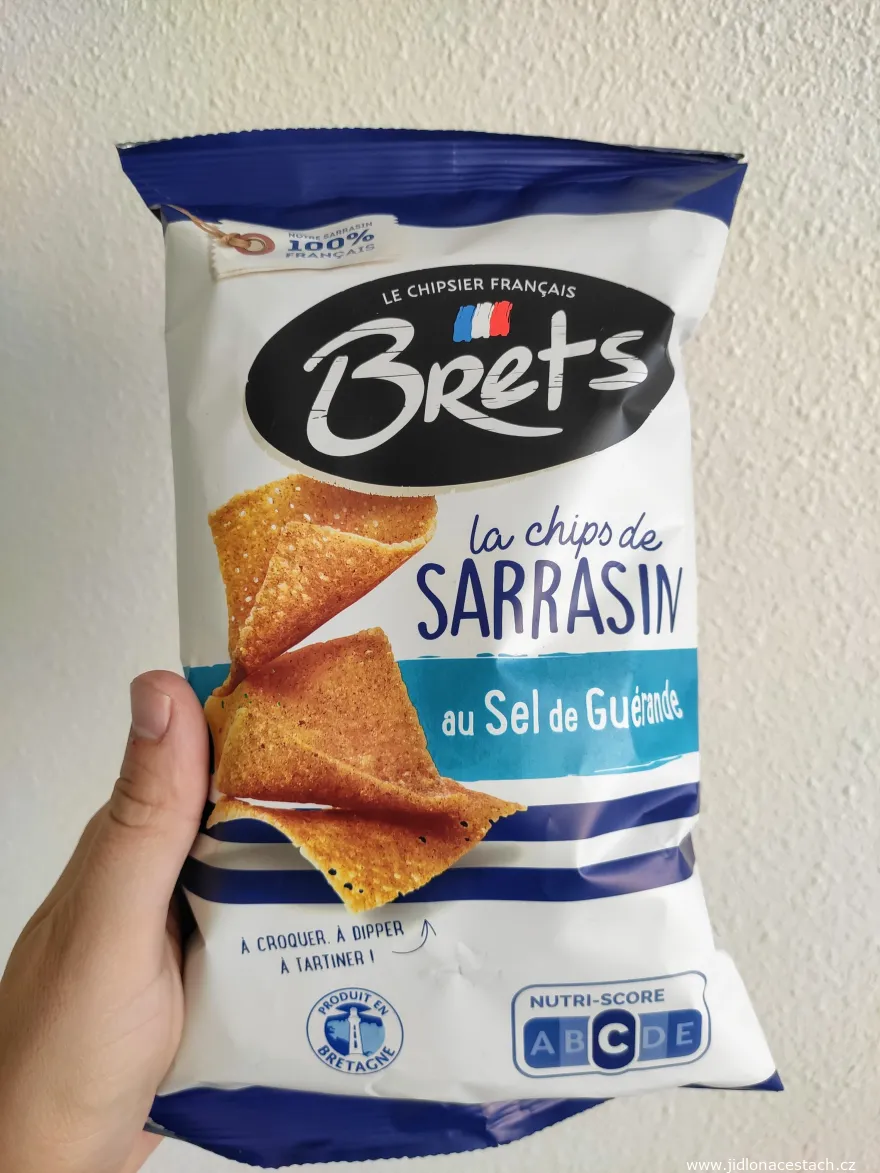
In France itself, though, Guérande salt is nothing special. The harvest is sold by a cooperative of several hundred local salt workers and its bags sit in every supermarket; you will meet salt from Guérande in the salt cellars of restaurants, where the waiters never fail to mention it proudly, and in buckwheat chips - fried from the batter for Breton galettes and sold in perfectly ordinary supermarkets.
How Salt Built the Ramparts and Salted the Butter
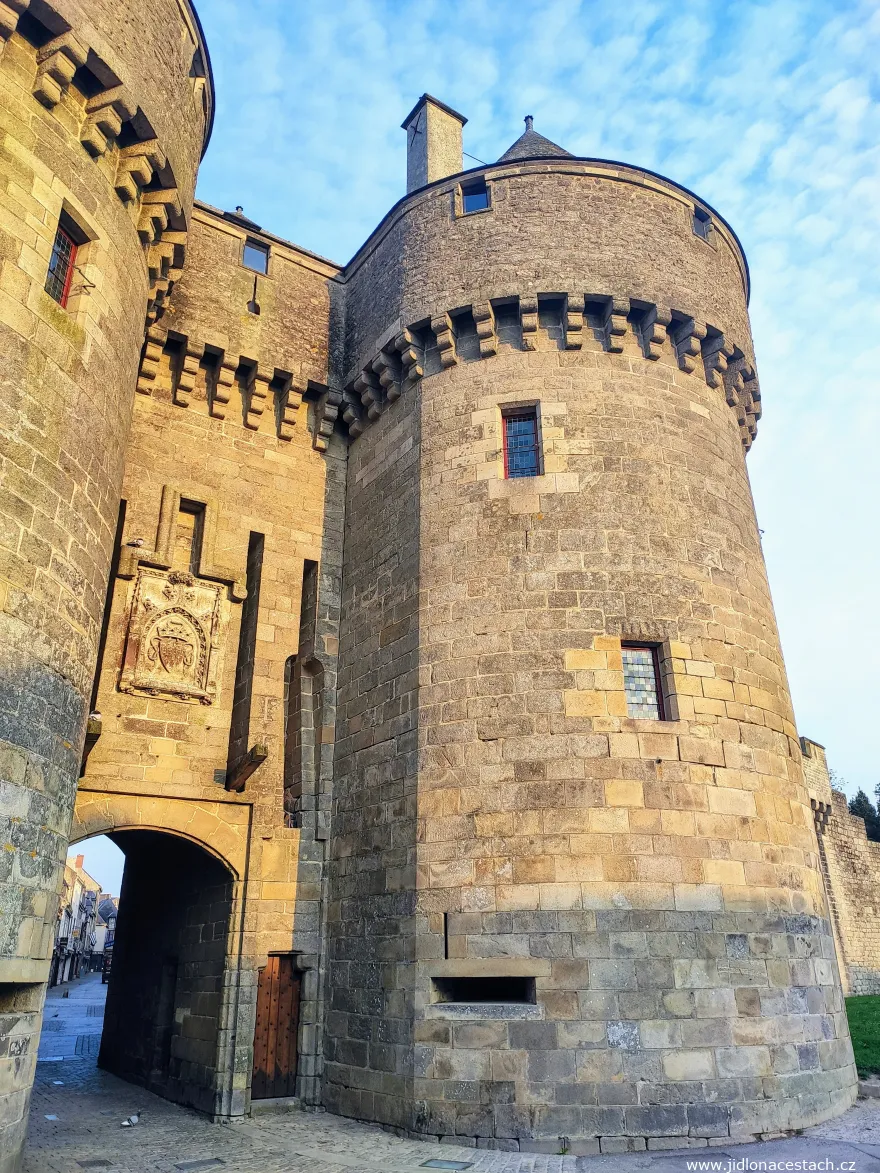
The salt pans around Guérande go back to antiquity, and Breton monks gave them their present layout in the 10th century. The town above the marshes then lived so well off salt that it walled itself in with ramparts that still stand today. The more interesting chapter came with taxes: when the king brought in the salt tax known as the gabelle in 1343, Brittany eventually won itself an exemption - and cheap salt stayed in its kitchens. While the rest of France was rationing salt, the Bretons salted even their butter without a second thought, and salted butter gave rise to salted caramel and to most Breton sweets. One point the locals take seriously: culturally the Guérande country is Brittany, yet on the map of today's regions it is not part of Brittany at all. The salt workers claim Brittany regardless, and their salt goes with them.
On Foot Across the Salt Pans to Saillé
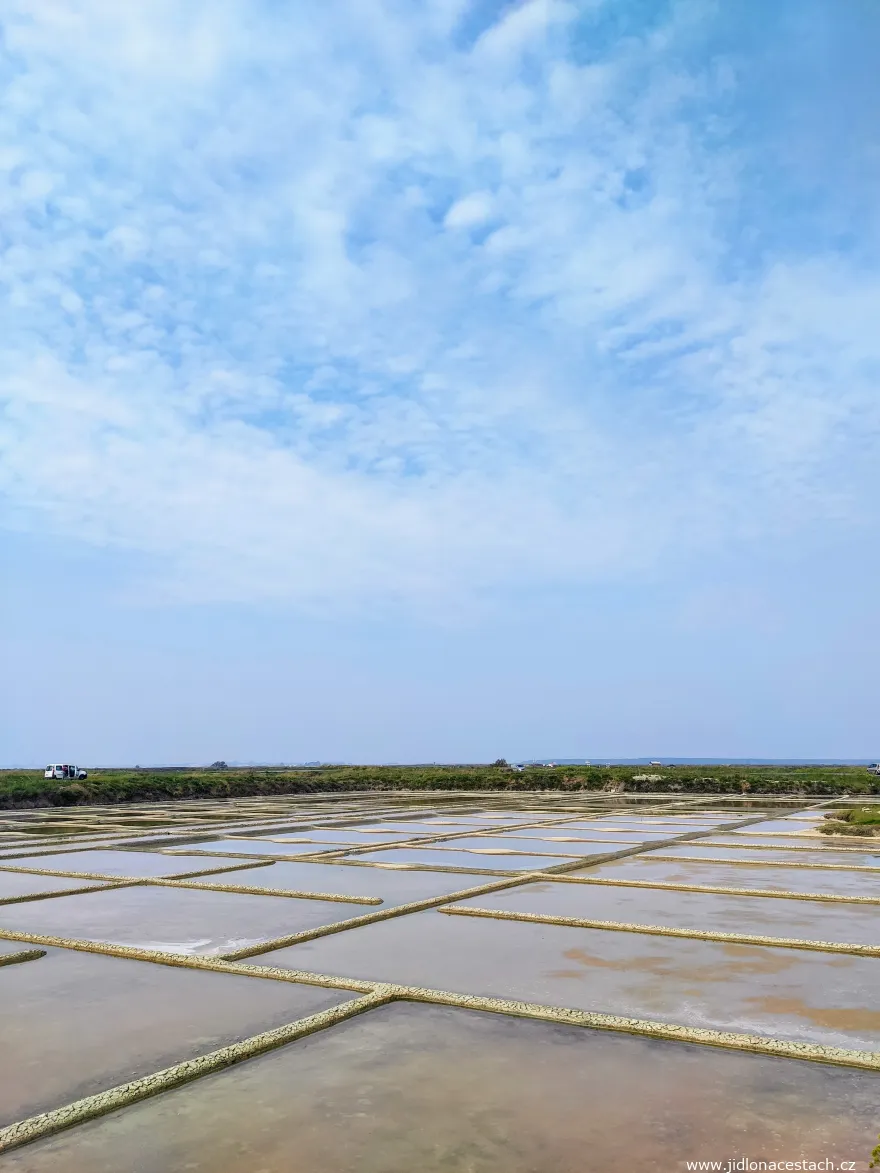
I got to Guérande by BlaBlaCar from Nantes and made a day of it on foot: the medieval center in the morning, then about three kilometers downhill to the cooperative's visitor center, an hour on the guided tour and another five kilometers on foot right between the ponds to the bus stop in Saillé, from where I carried on to the fishing town of Le Croisic and took the train back that evening. Up close the marshes are a checkerboard of shallow pans with clay dikes to walk along - and here and there a paludier stands bent over a long rake. In the cooperative's shop I worked my way along the shelves from plain gray salt to bags tagged "harvested by hand"; you can buy either one and carry either one home. That evening the salt from Guérande caught up with me anyway - in a supermarket, on a bag of buckwheat chips.


