Tain-l'Hermitage: A Wine Village on the Rhône
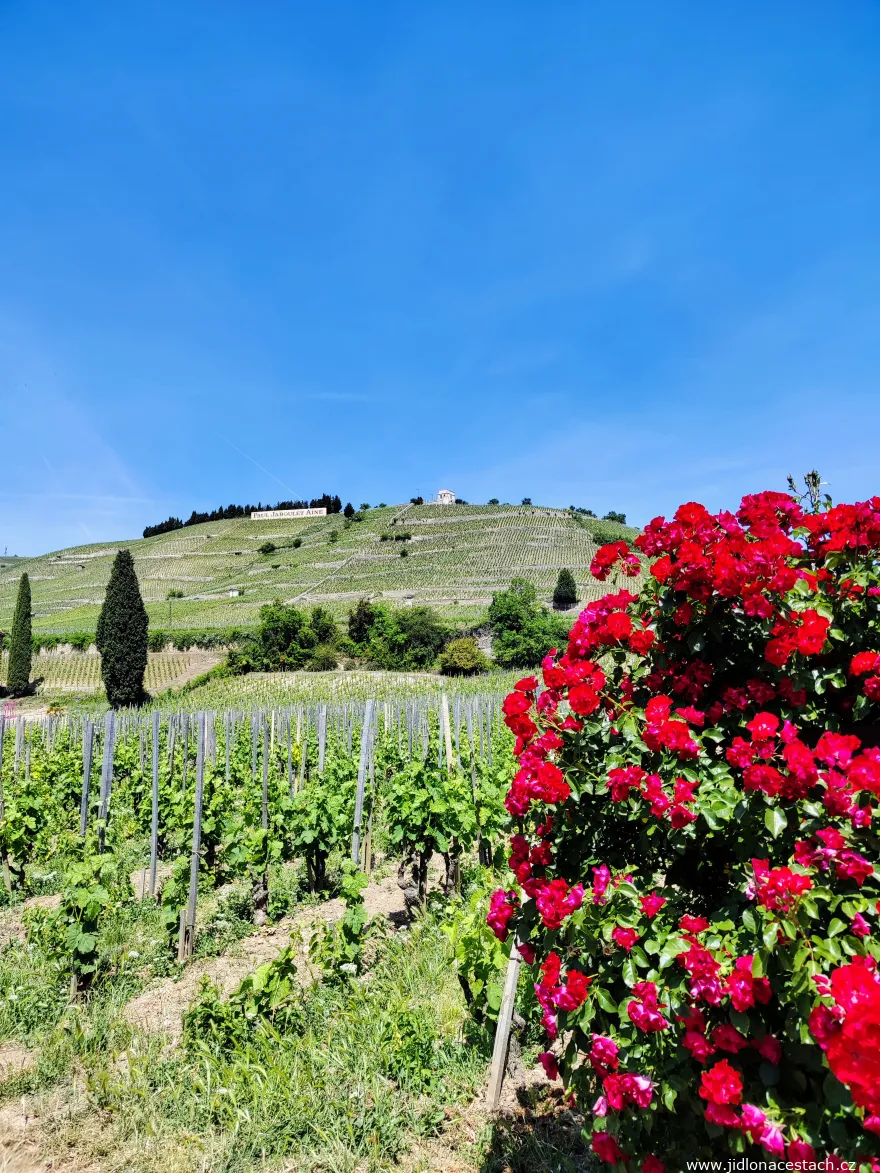
Tain-l'Hermitage is a wine village on the bank of the Rhône, less than an hour by train from Lyon, and the granite hill rising right above its rooftops carries the Hermitage appellation - 135 hectares that rank among the most famous wine names in France.
The Hermit Who Gave the Hill Its Name
The name comes with a crusader legend attached: in 1224 the knight Gaspard de Stérimberg came back from the campaign against the Cathars, took refuge on the hill above the river and grew vines there for the rest of his life. His hermitage - ermitage in French - gave its name to the hill, to the wine and to the village below it. No document backs any of it up - it's simply a legend - but in the valley the year 1224 gets repeated as confidently as a date on a calendar. The H at the front was added only in the 19th century by English merchants, then the biggest buyers of the local barrels, who found Ermitage hard to pronounce without it. It stuck, and you'll still find both spellings on labels today.
The Most Famous Name, Almost the Smallest Hill
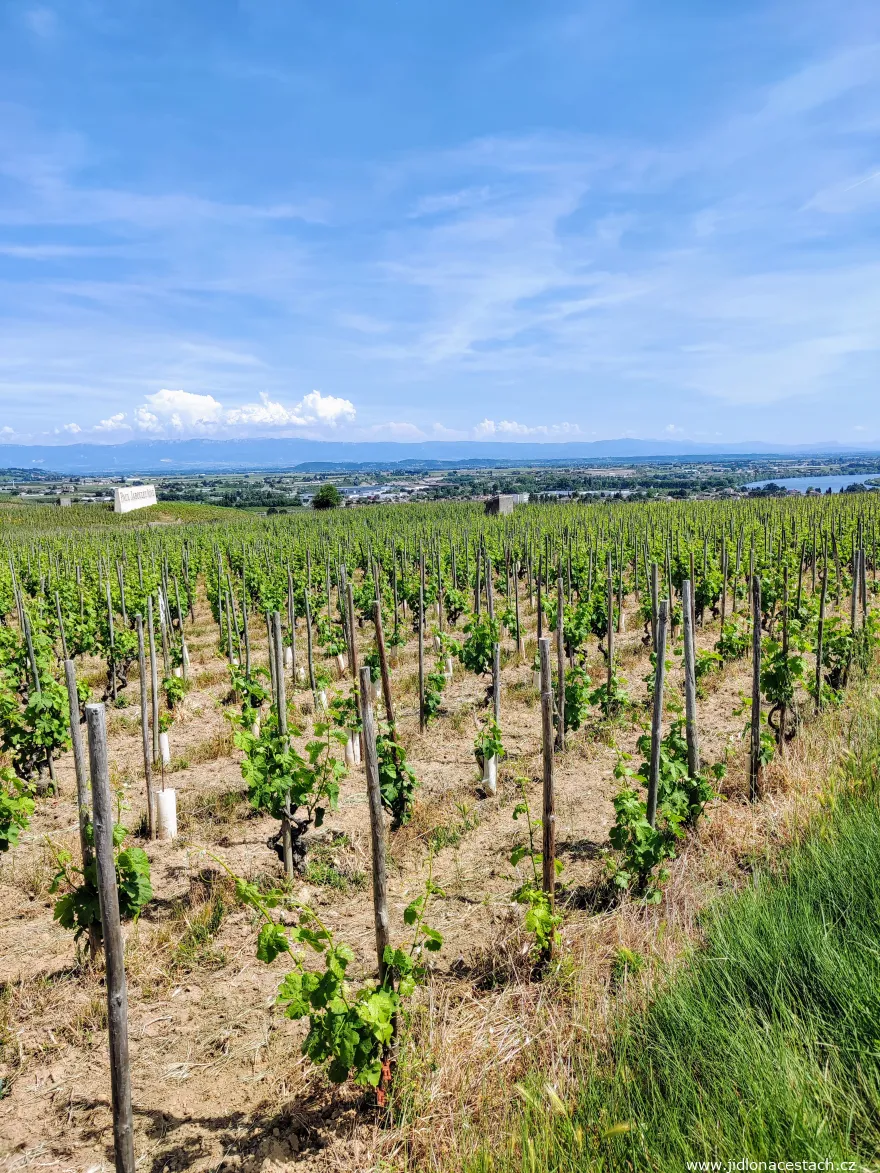
On the wine map of the northern Rhône, Hermitage is a paradox. The most famous name in the area belongs to almost the smallest patch of land: the Crozes-Hermitage appellation, which surrounds the hill on every side, is roughly ten times bigger. Further upstream lies Côte-Rôtie, and experts have never settled which of the two wines ranks higher - Hermitage has the power and the decades of aging potential, Côte-Rôtie the finesse. The backbone of every red here is Syrah, while the whites are built on Marsanne and Roussanne. And Marsanne has a second home in the Swiss Valais, where it is officially sold under the borrowed name Ermitage - buy a bottle with that word on the label and you're holding a Swiss white without a single Rhône grape in it.
None of this prestige is recent marketing. When the enologist André Jullien ranked the world's best vineyards in 1816, he put Hermitage in the first class of French wine for reds and whites alike - the famous Bordeaux classification did not exist yet. The origin of Syrah, on the other hand, is a chapter that has just been rewritten: three romantic legends - that the vine was brought from Persia by the Phoenicians, by Roman legions, or by a crusader riding straight back to the hill of Hermitage - were swept away in 1998 by a single DNA test. Syrah's parents turned out to be two unassuming varieties from the surrounding area, and the crusader with a vine in his saddlebag was written out of the story.
Free Tastings and a Little Train Up the Vineyards
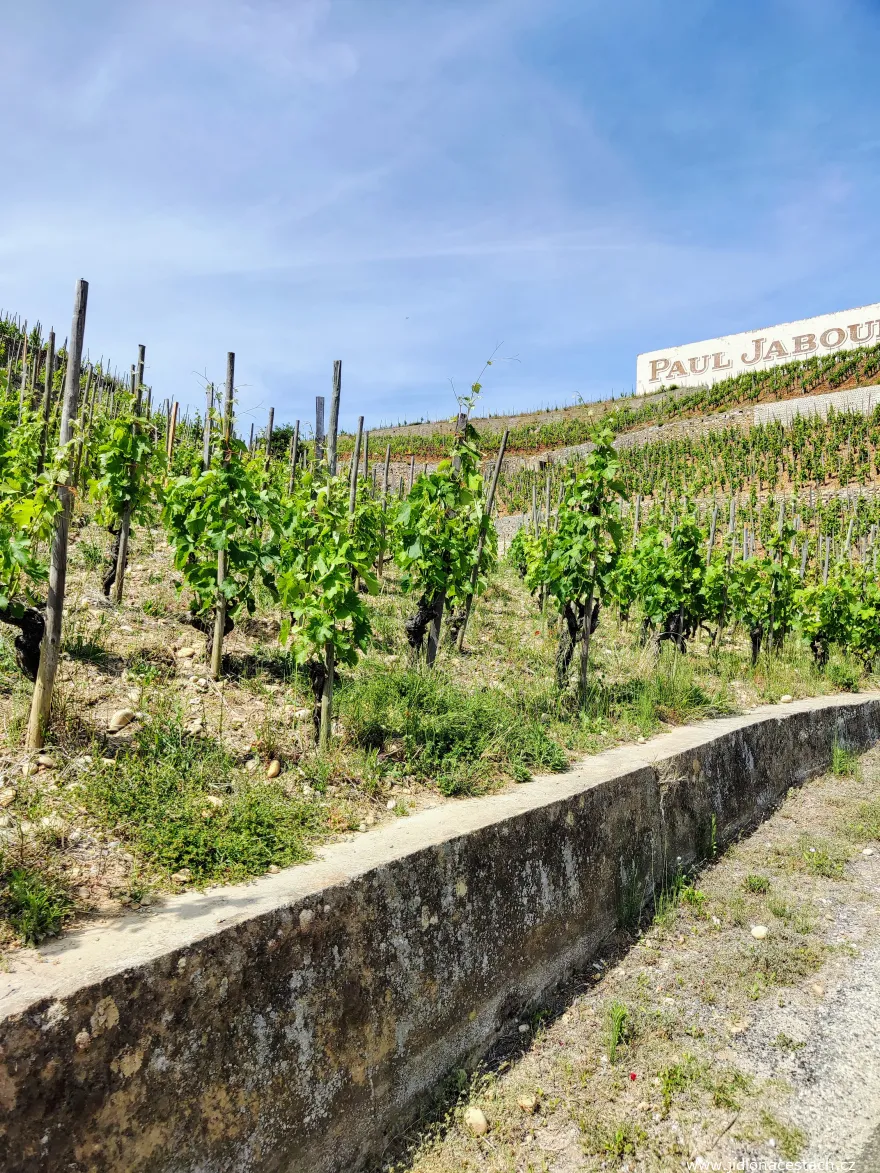
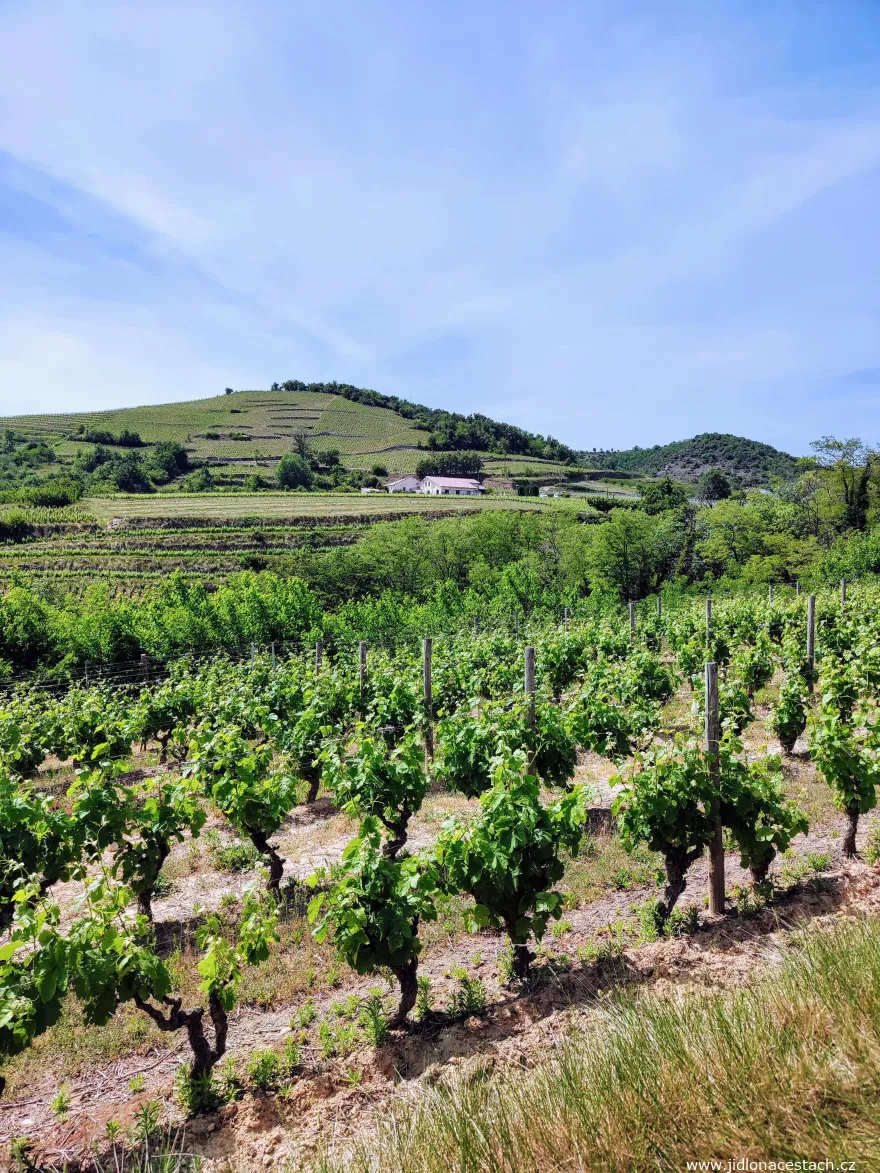
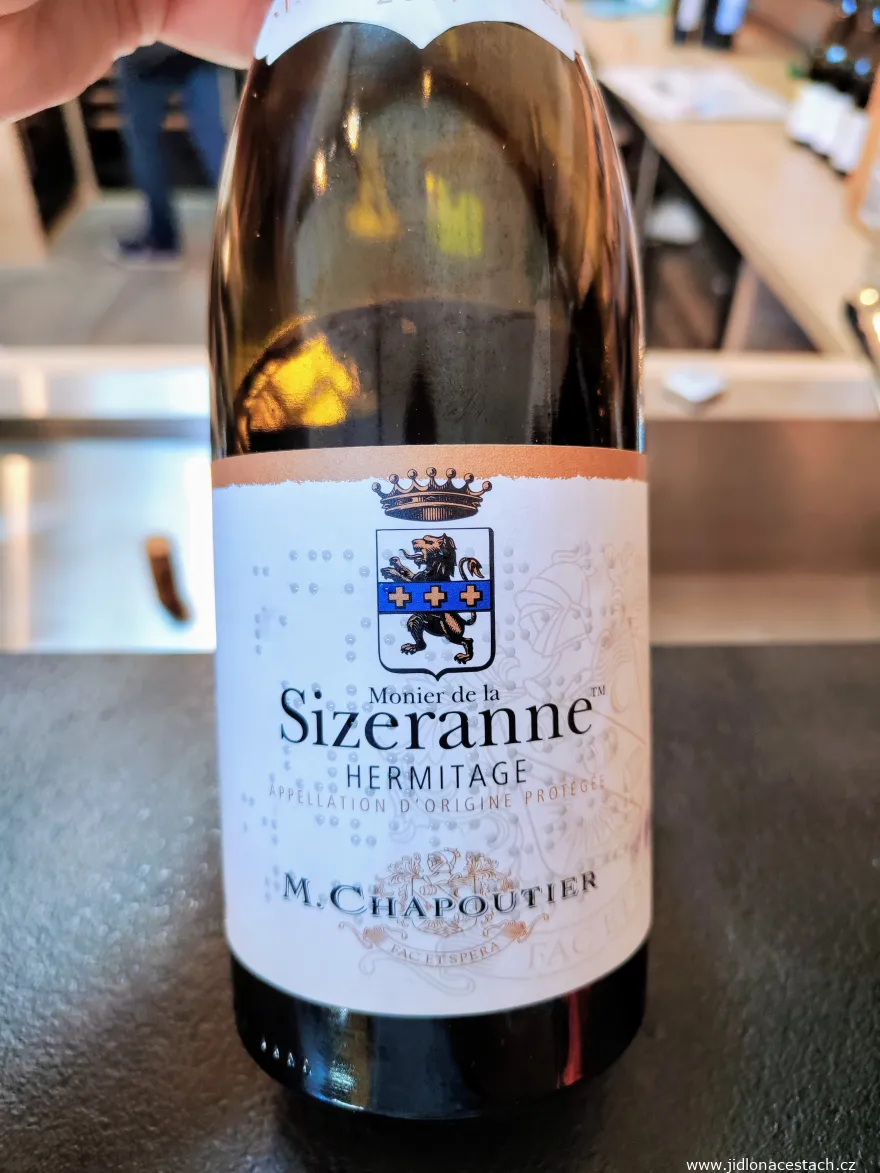
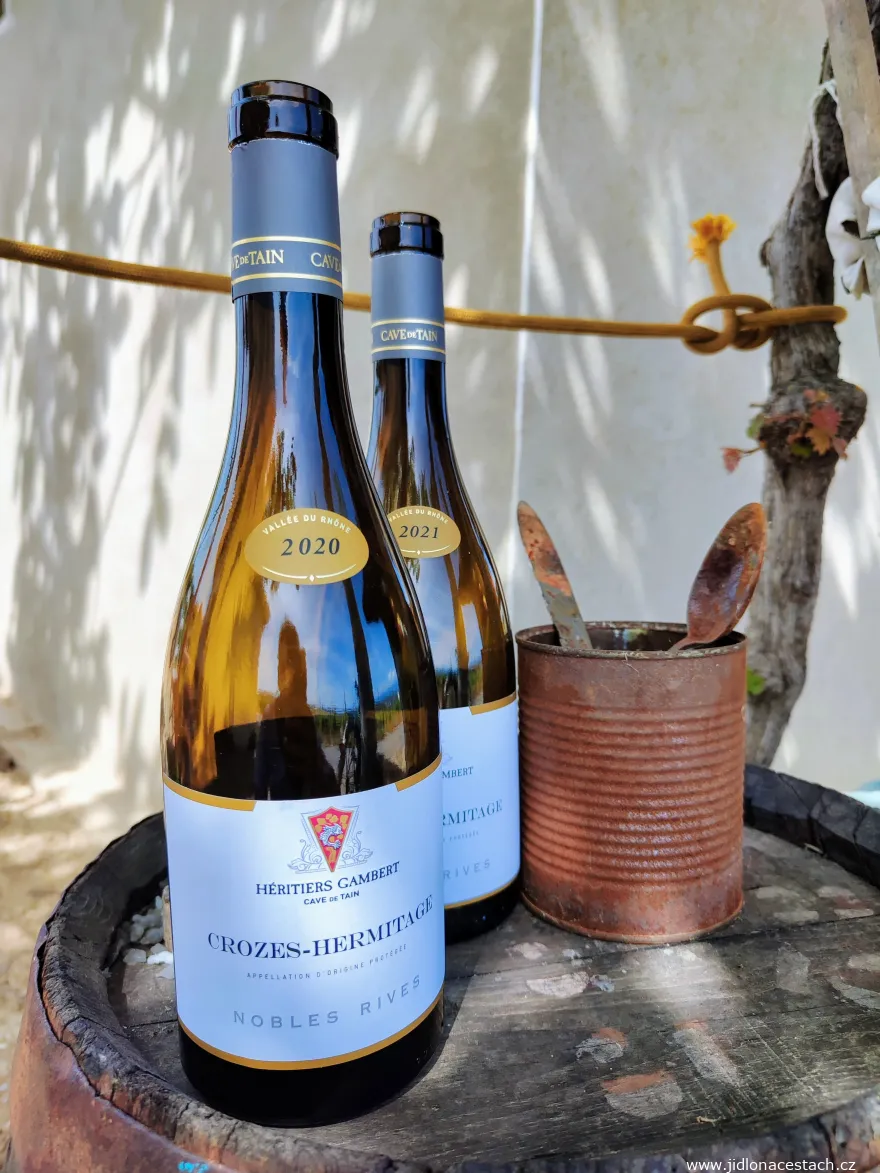
The village below the hill has just under six thousand inhabitants and a density of wine shops that a town ten times its size would be proud of. Since 1933 the smaller growers have banded together to form the Cave de Tain cooperative, which today counts 260 members and bottles the neighboring appellations as well; a few steps away sits the house of M. Chapoutier, which owns roughly a quarter of the hill, farms biodynamically and prints its labels in Braille too. Both pour free tastings with no appointment - a bit like the sampling tables in a supermarket, except that instead of a cube of cheese on a toothpick you get a glass of wine from the very top of the price list. A tip for travelers on a budget: Crozes-Hermitage from the same growers carries the same signature and costs noticeably less.
France has other villages made famous by wine - Saint-Émilion comes from the same family - but few of them have stayed this down-to-earth. A marked trail through the vineyards starts right in the village, and in summer a little tourist train runs up the hill.
A Saturday Train from Lyon
I headed to Tain-l'Hermitage by train from Lyon: a direct service, just under an hour each way, and a Saturday-deal return ticket for 20 EUR, valid on any train of the same type for the whole day. I only ran into foreign tourists at the biggest wineries; out among the vines and in the back streets it was quiet in a way famous names rarely are. I tasted at Cave de Tain and at Chapoutier, where I ended up with a bottle of Monier de la Sizeranne in my hand, and everywhere the staff happily switched to English. The Hermitage was dense and peppery, with tannin that was in no hurry to go anywhere. So for a whole day among the vineyards I paid a single bill: the one for the train.
Tain-l'Hermitage


