Frutta Martorana: Sicilian Marzipan Fruit
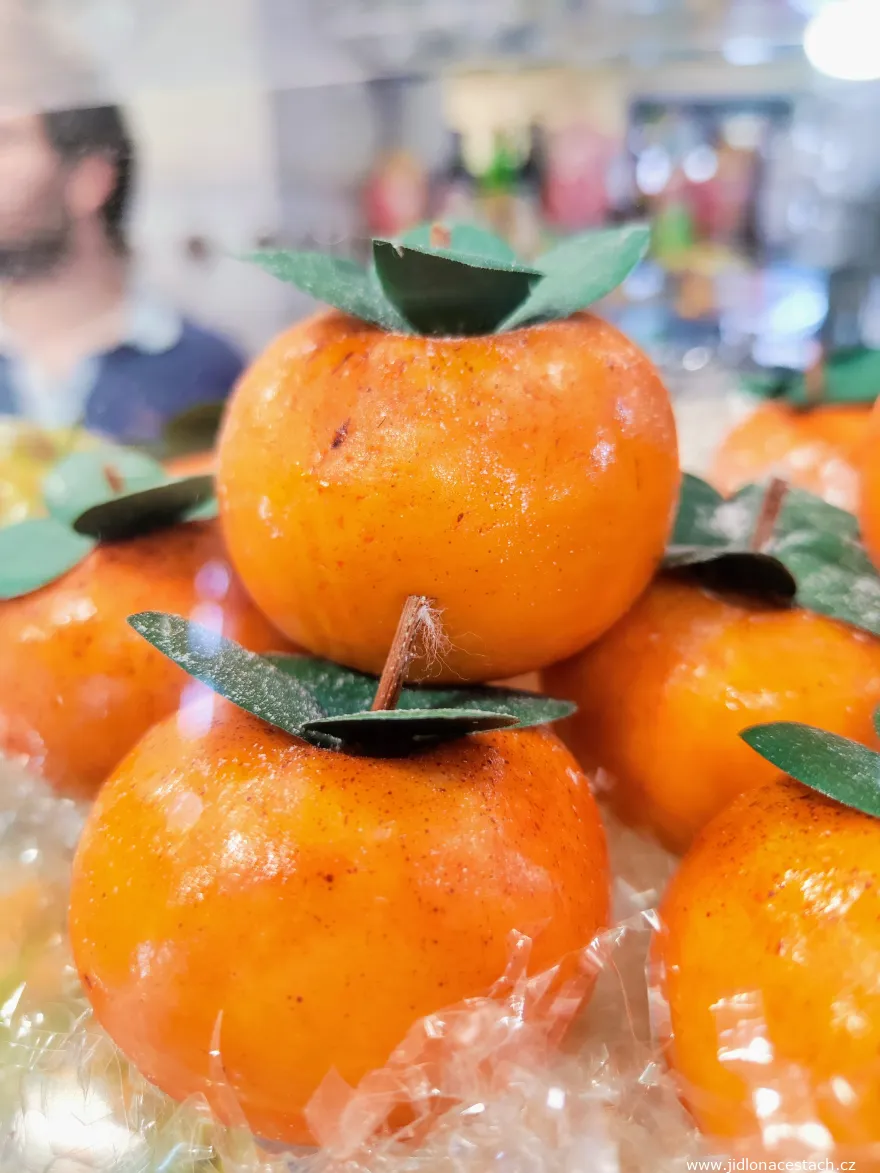
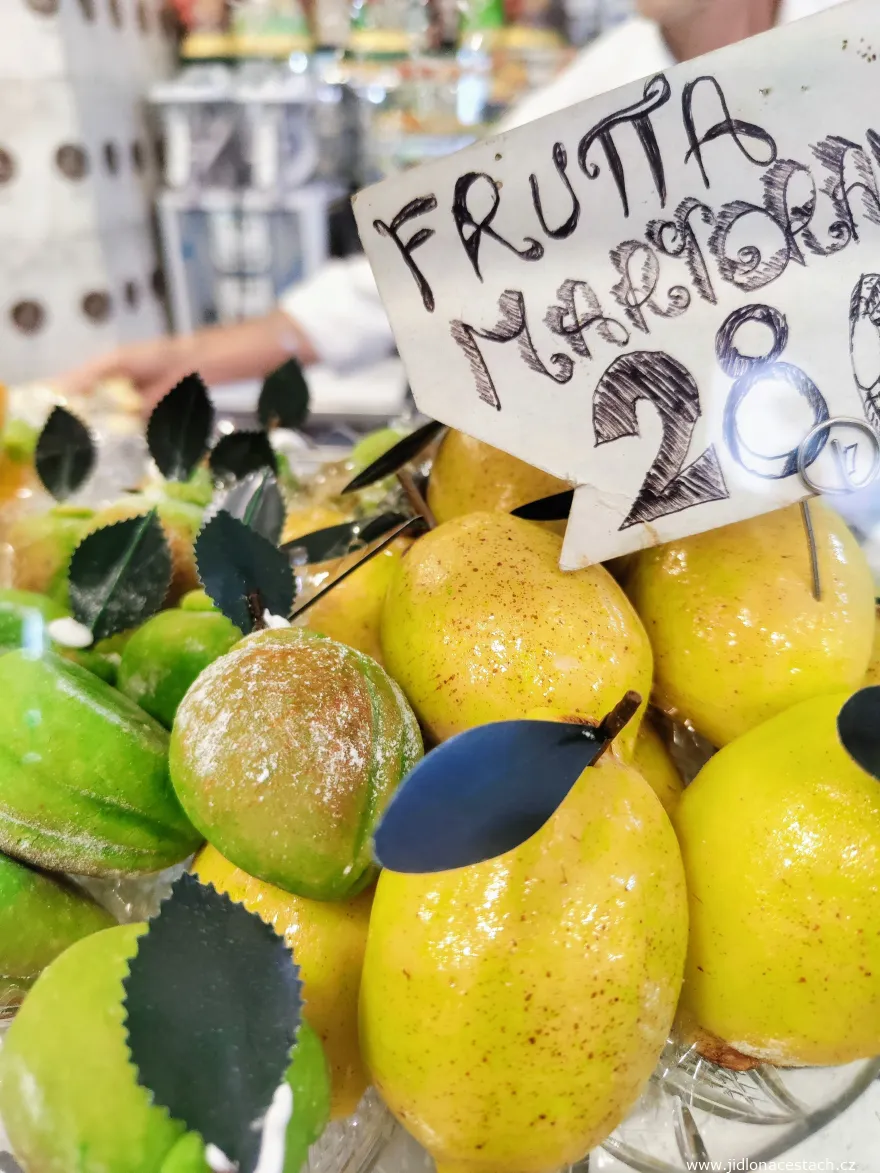
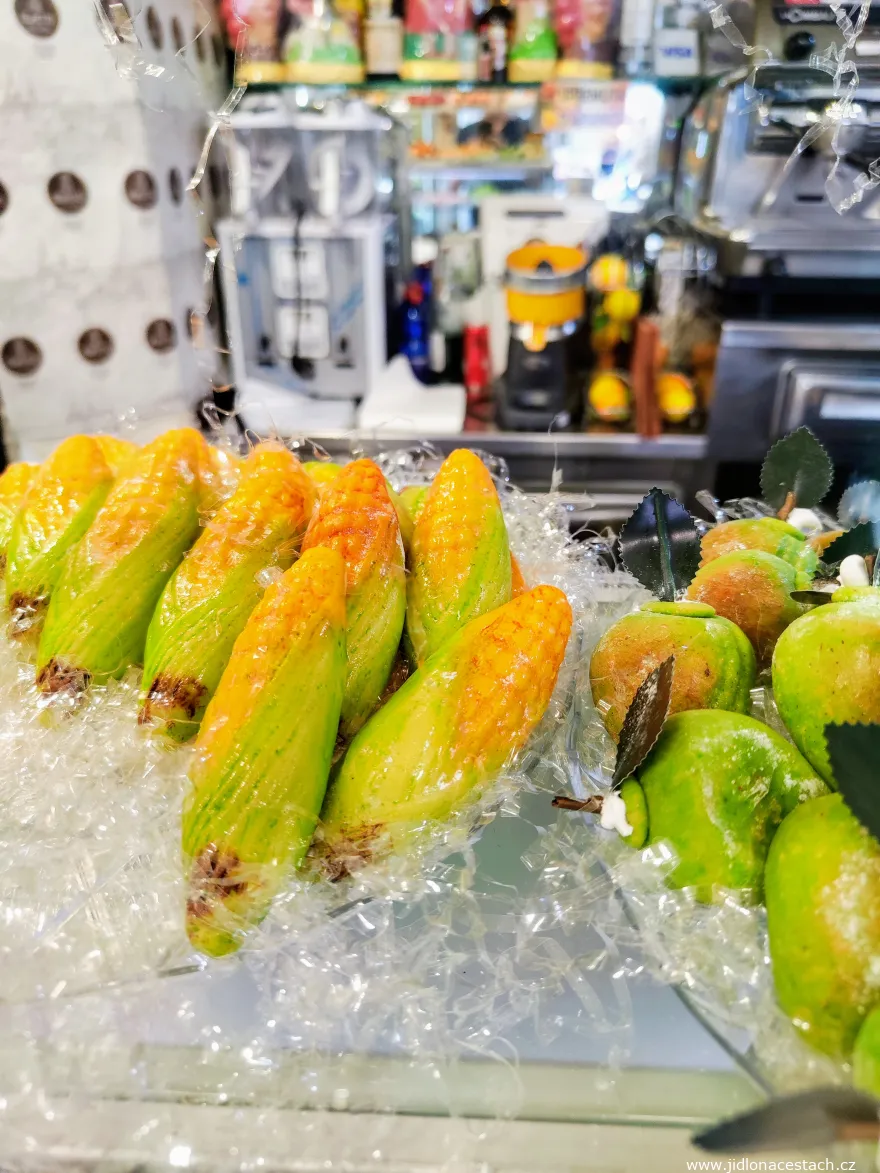
In a shop in Palermo, lemons, mandarins and little apples sit on the counter, and next to them ears of corn, each one wrapped separately in cellophane. From a meter away I couldn't tell them apart from the produce at the stall outside the door. What gave them away was the handwritten sign: frutta martorana, and a price per kilo that no lemon in Sicily would dare ask.
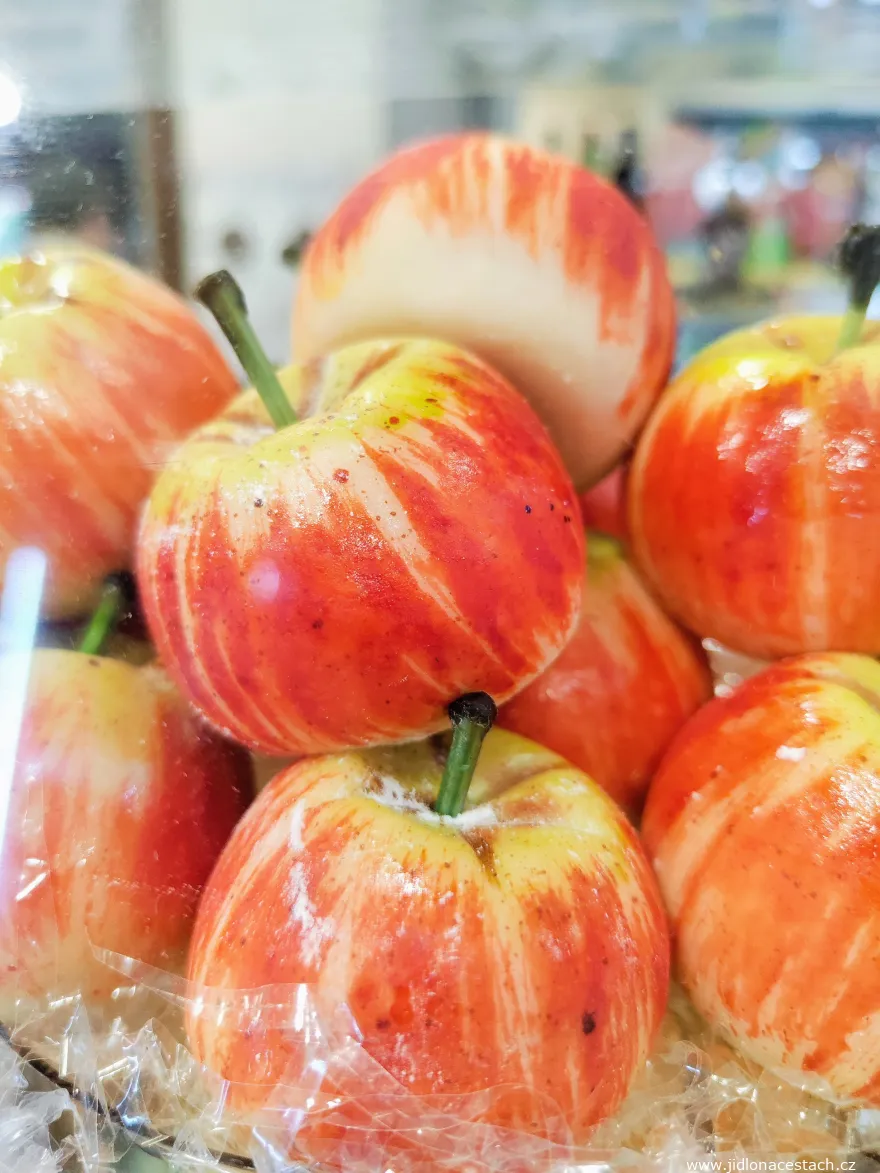
Frutta martorana is Sicilian marzipan fruit and vegetables, shaped from almond paste and painted by hand so faithfully that you can't tell them from the real thing - a sweet that Italian cooking has known for over four centuries, and probably the best disguised one of all.
Who Frutta Martorana Is Named After and Where It's Made
The name of this sweet is an address. In the late 12th century, a noblewoman called Eloisa Martorana founded a Benedictine convent in Palermo; people knew it as "la Martorana", and the name eventually passed to the almond fruit shaped behind its walls. Hence frutta di Martorana, fruit from the Martorana. The paste itself is called pasta reale, royal paste - and why royal, nobody can say for certain. Something else is documented: the almonds and the cane sugar, without which no marzipan would ever have appeared in Sicily, were brought to the island by the Arabs.
Frutta martorana is an all-Sicilian thing, not just a Palermo one - today it's shaped all over the island, from Palermo to Messina. Across the strait, the same fruit is sold in Calabria under the name morticeddi, "the little dead", and that name gives away the feast day it belongs to. Sardinia makes gueffus out of the same paste, little balls with no disguise at all; their color comes from a paper wrapper, not from a brush. The closest relative in shape is at the far end of the Mediterranean: in the Algarve, Portuguese cooking shapes doce fino out of marzipan, fruit and little animals, and the mazapán of Toledo in Spain goes back to the same Arab root, only it leaves the shapes plain.
Nuns, a Synod and a Quarrel Over the Origin
Every guide knows the legend: the nuns of the Martorana wanted to impress a special guest, and because it was autumn and the trees in the garden were bare, they hung marzipan fruit on them. Only, depending on where you read the legend, the visitor was an archbishop, a pope, or King Roger II, and he was either delighted or taken in - three endings to one story is a reliable sign that nobody was there to see it. The year it appeared is unknown. The first solid evidence, on the other hand, takes the form of a ban: in 1575 the diocesan synod of Mazara del Vallo forbade the nuns to make frutta martorana, on the grounds that it was pulling them away from contemplation, and the shaping of the fruit was taken over by the secular guild of confectioners. So the sweet carries the name of the convent that wasn't allowed to make it. On top of that, a professor at the University of Messina argues that marzipan fruit didn't start in Palermo at all, but by the strait outside Messina, out of a Byzantine custom of feasting the dead at their graves. Palermo takes that theory about as seriously as Messina takes the nuns.
What Marzipan Fruit Is Made Of and When Children Get It
Pasta reale is almond flour and powdered sugar in roughly equal parts, a little water or orange blossom water, and that's all - unlike the marzipan we know back home, it has no egg white in it, which makes it paler and more pliable. The paste is pressed into a plaster mold that gives only the rough shape; the dimples and blotches on the skin are finished by hand, the color by brush, and the shine by gum arabic, which keeps the fruit fresh for weeks. Back home marzipan usually just sits on a cake as a figurine that the guest of honor pushes to the edge of the plate; in Sicily the figurine is the whole thing. The apple, the lemon and the corn from one counter all taste the same, because they came out of one bowl, but under Etna pistachios go into the paste, and around Agrigento citrus juice.
The feast day of frutta martorana is November 2, All Souls' Day, in Sicily the Festa dei Morti. That morning children find a basket, the cannistru, left for them overnight by their dead relatives: marzipan fruit, figs, dates, ossa ri mortu cookies, the bones of the dead, and beside them sugar figurines of knights that have nothing in common with frutta martorana except the basket. The rest of the year it sells as a souvenir. If you want the handmade kind, look closely at the skin: brushstrokes and uneven blotches mean a hand, a perfectly smooth surface means a spray gun.
A Kilo of Lemons in Palermo
I bought frutta martorana in Palermo, in a shop whose name I didn't write down. It was sold by weight, a kilo cost 28 EUR, and anyone who didn't want to pick and choose could take a ready-made box at a fixed price. The paste was dense and softer than the marzipan from a cake shop back home, the sweetness came first, the almond behind it. What fascinated me most was how convincing it can look: a vegetable from a meter away, a sweet from half a meter, an almond on the tongue.


