Beijinhos de Amor: Sweet Kisses from Lousada
Three whole eggs and fifteen yolks on top of that - that is what the official municipal recipe calls for, and all of it goes into barely six hundred grams of dough. Anyone who has ever baked anything will stop at that equation with a single question: where did all the egg whites go? The answer is several centuries old and runs through wine and starched shirts.
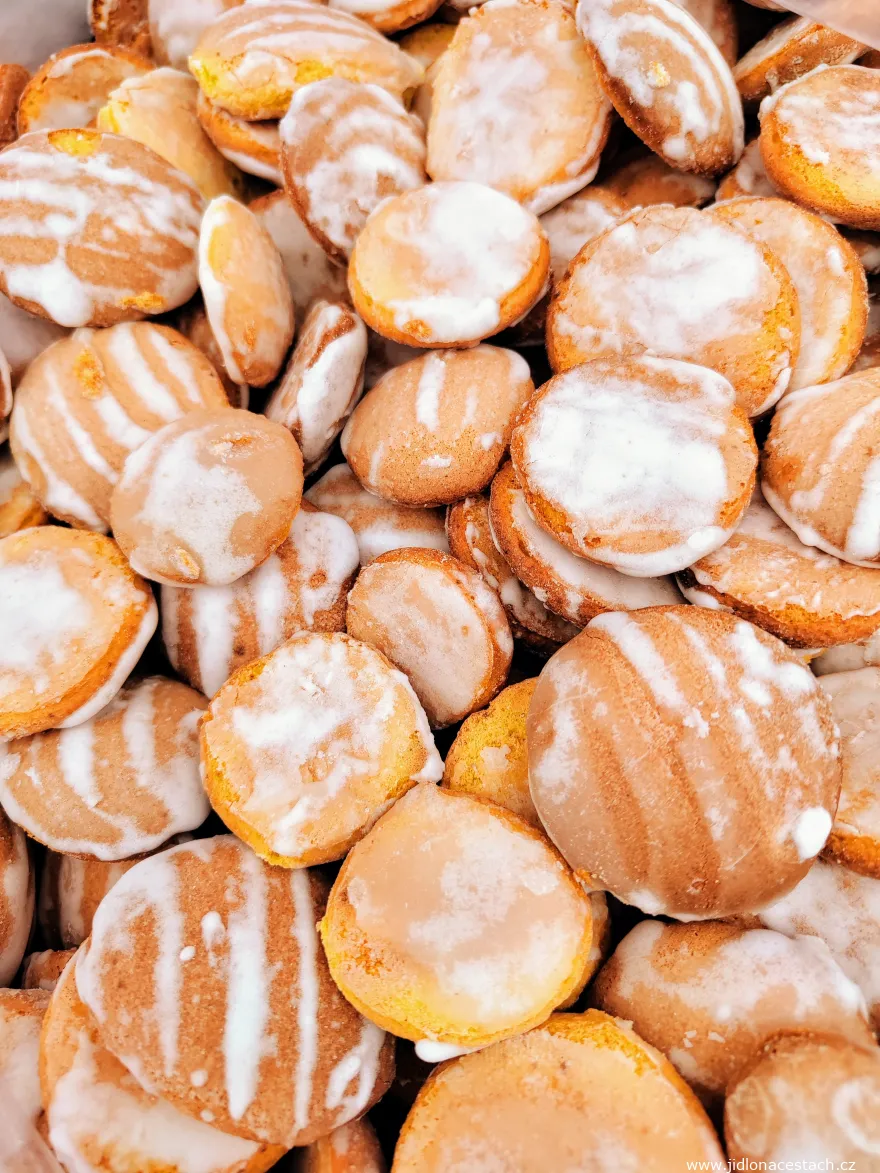
Beijinhos de amor, literally "kisses of love", are little egg-yolk cakes in a sugar glaze from the town of Lousada, some forty kilometers from Porto - and they are among the sweetest things Portuguese cuisine has to offer.
Why a Little Cake Is Named After a Kiss
Beijinho is the diminutive of beijo, a kiss. The municipality of Lousada explains the name poetically - the cake is said to melt in your mouth slowly and gently, the way a kiss does - and throws in a legend that ties the confectioner's craft to a love story. Except the legend has no names, no date and no plot, so what is left of it is mostly the word love. A kiss is an international pastry metaphor anyway: Italian pastry shops bake baci di dama, ladies' kisses, and in Brazil beijinho is a coconut ball made with condensed milk that shares nothing with the Lousada cake but the name. Beijinhos de amor themselves belong to one municipality and no other: small workshops bake them across the parishes of Lousada, most of all in Torno, and nowhere else in Portugal will you find them under that name.
The Yolks the Convents Were Left With
Those fifteen yolks per batch are what Lousada inherited from an age when Portuguese egg whites had careers of their own: they were used to fine wine and to starch linen, which left the convents with mountains of yolks - and the nuns, with sugar from the colonies, turned them into a whole family of convent sweets, doces conventuais, the famous pastéis de nata included. Beijinhos de amor are the rural, long-keeping branch of that family. It has not brought them much fame so far: in 2019 Lousada entered its kisses in 7 Maravilhas Doces de Portugal, the nationwide contest for the seven sweet wonders of Portugal, where 91 candidates competed in the long-keeping category. They did not make the final seven. The wonders were crowned elsewhere.

A Sugar Shell and a Few Months to Spare
The rest of the recipe is modest: flour, sugar, lemon, a pinch of salt. The important part comes after baking - while still hot, the cakes are coated in a thick sugar syrup that sets hard on them. The thin sugar shell seals in a soft, deep yellow center and gives the cakes a shelf life of several months - which is why beijinhos are sold both by weight and in packets, and why they are one of the few Portuguese sweets that survive the journey home in a suitcase. Back home in Czechia we know the other end of this equation: the leftover egg whites go into meringues.

What a Kiss from Lousada Tastes Like
I bought my own beijinhos de amor at a small market in Porto, in a packet from Casa Lemos, which has been baking them since 1841 - possibly straight from the maker, though at a small market that is hard to tell. It was only while writing this piece that I found out Casa Lemos, one of the biggest makers of the Lousada kisses, is not based in Lousada at all but just over the municipal line, in neighboring Amarante; the most Lousada cake of my trip was made next door. The shell of glaze crunches quietly as you bite in, and after that the cake simply melts away - the center is soft, packed with yolks and very sweet, with the lemon keeping it in check. It goes beautifully with a glass of port wine, which is not the official Lousada pairing, just my own tip. The packet promised a shelf life of several months. It never got the chance.


