Borough Market: London's Best-Known Food Market
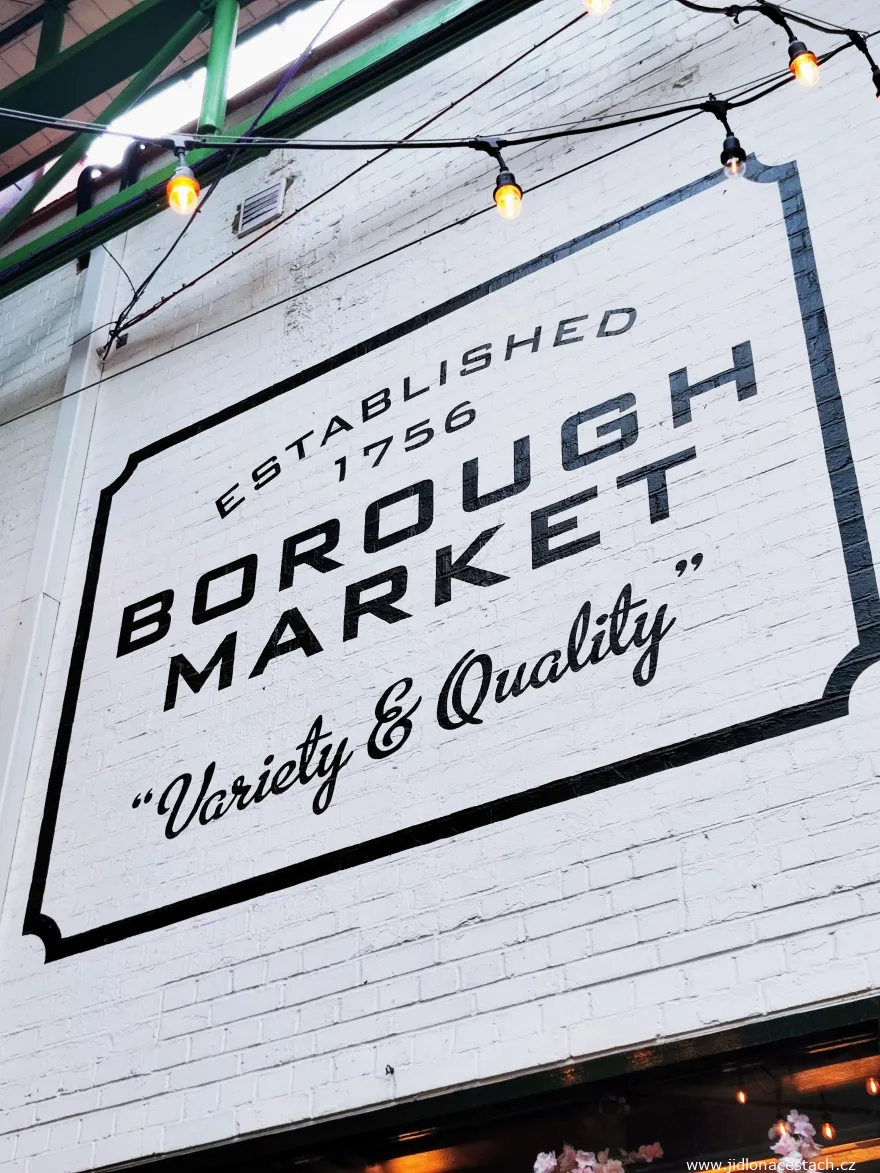
A painted sign strung with a garland of bulbs hangs on a white brick wall: Established 1756. It looks like an honest birth certificate, except that 1756 is the year Parliament shut the market down. Trading has gone on here since at least 1014 - so the sign records not the market's birth, but the last time it lost a fight with the authorities. And that defeat turned out to be priceless.
Borough Market is a food market at the southern end of London Bridge: artisan cheeses, sourdough bread, cured meats and hot food from half the world over, all under Victorian ironwork, the main stage of British cuisine and of everything Britain has borrowed.
What Borough Means and Why Parliament Abolished the Market
The market's name is a leftover. In full it was the Borough of Southwark, and it goes back to the Old English burh, a fortified place - which is what people called the settlement guarding the southern end of the bridge. In the Middle Ages Southwark was the only London borough outside the walls of the City, and the City treated it accordingly: as early as the 13th century it barred its own citizens from shopping at the markets here, because they had grown into serious competition. All that's left of the glory is half a word and a Tube station.
The ban didn't stop the market; traffic did. By the middle of the 18th century the stalls were clogging the only approach road to London Bridge so badly that in 1756 Parliament abolished the market by law. The locals clubbed together, though, bought a plot called The Triangle just down the road for 6,000 pounds and opened a market of their own - run as a community trust and, according to its founding charter, "in perpetuity". So the law meant to kill the market is what made it immortal. Of the whole story, the sign on the facade kept only the date.
Trains Overhead and a Second Wind
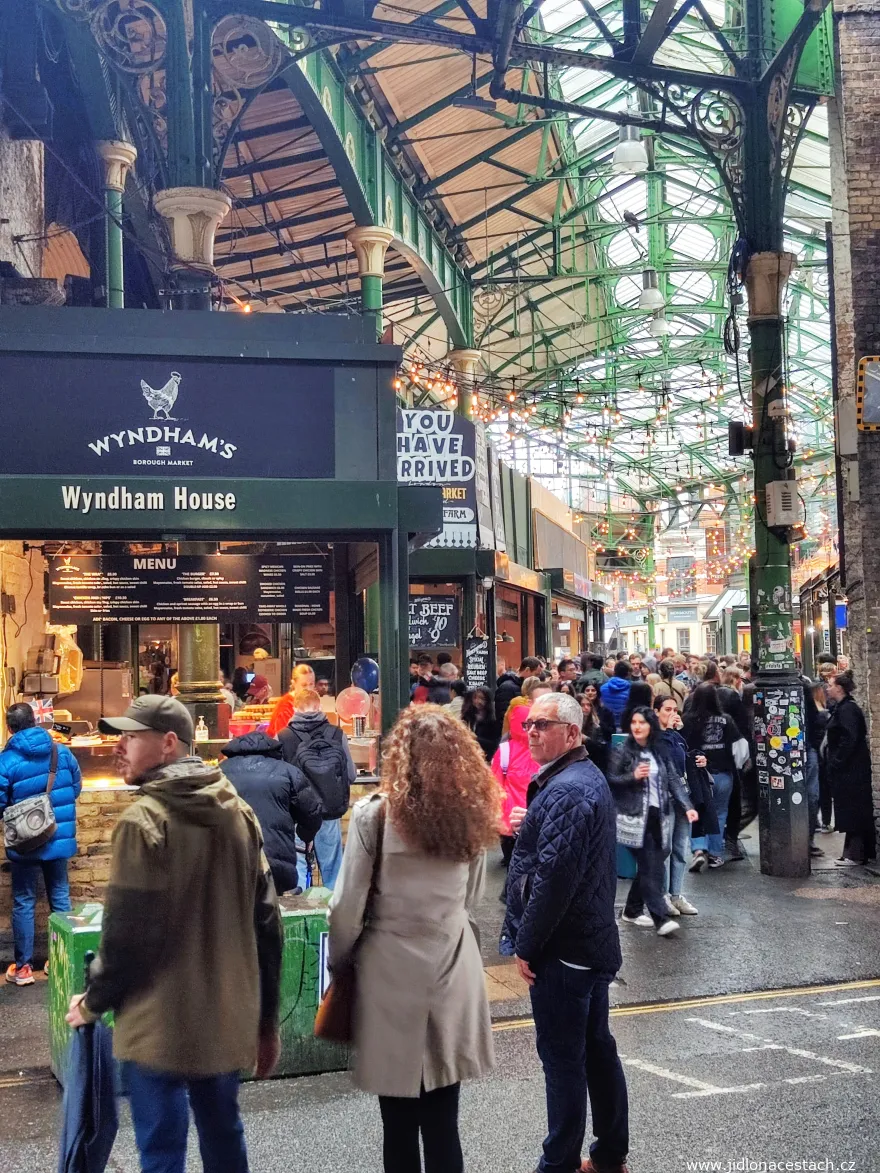
The Victorians gave it the look it has today: cast-iron columns, glass roofs and a railway viaduct driven without ceremony straight over the market, so trains still rattle above the cheese. Late in the 20th century the wholesale trade moved out of town and the market limped along. What brought it back was the Food Lovers' Fair, a three-day celebration of food staged here in November 1998 by the journalist Henrietta Green - more than thirty thousand people turned up, and the trustees rebuilt the market around artisan food sold retail. A one-off event became a monthly market, then a weekly one; today it opens six days a week.
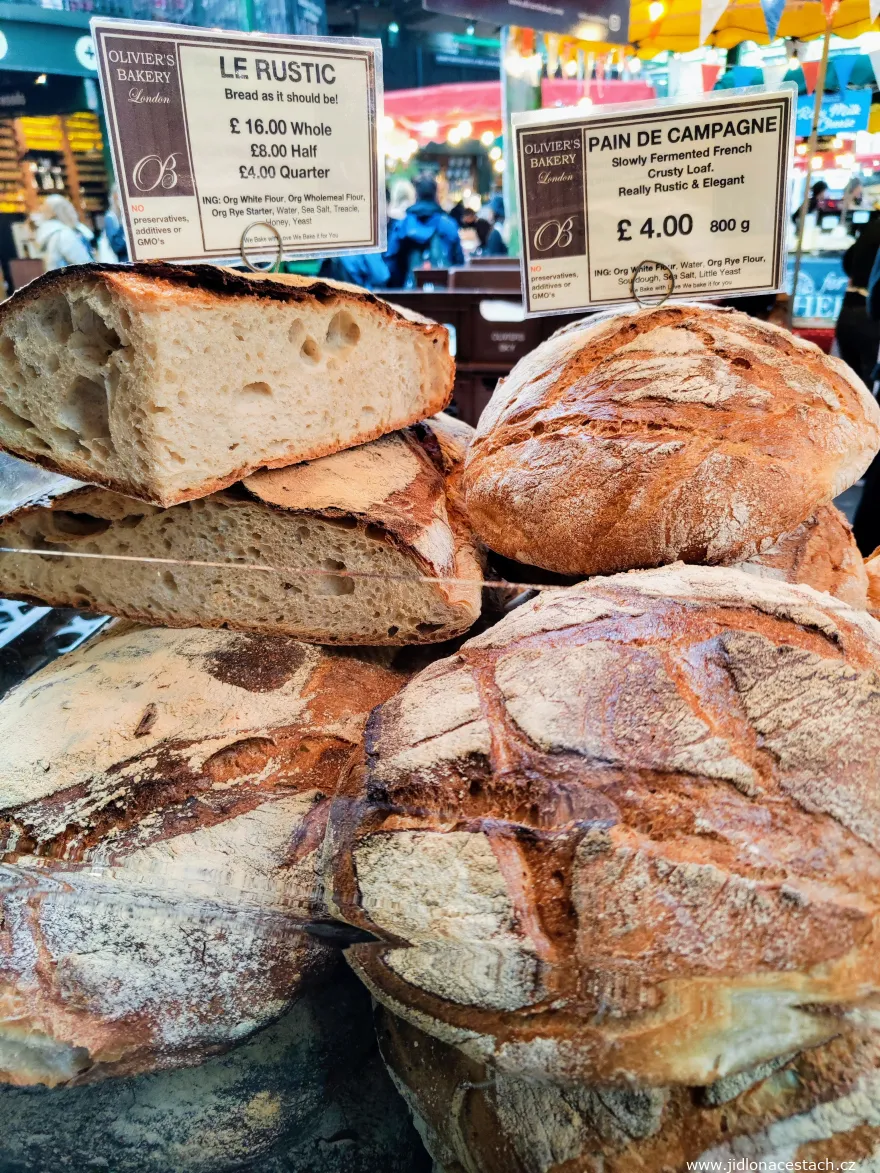
Among London's markets, Borough is the one where everything revolves around food: Camden sells music and souvenirs, Portobello antiques, and here it's bread, cheese and food to eat on the go. According to the market's own management, visitors fall into two tribes - one takes ingredients home, the other comes to eat on the spot. The garlands of bulbs above the stalls give the place the feel of a childhood fairground, except that instead of gingerbread hearts you smell sourdough loaves, paid for in pounds. The film industry has come looking for backdrops here too: Bridget Jones's flat sits above a pub right in the market grounds, and the Leaky Cauldron from Harry Potter stood an alley away.
Not Monday, and Saturday With Care
Mondays are closed, and Sunday is something the market allowed itself only recently. The quietest time is early morning on Tuesday and Wednesday, or just after nine on a Saturday, before the rest of London wakes up.

Always Worth a Quick Stop
I'm always glad to be back in London, and I know where I stand with its markets: crowds wear me out, so I tend to head for the smaller and calmer Broadway Market in Hackney. But whenever I walk past London Bridge it ends the same way: I stop at Borough Market, if only for a moment. For the sign with its sly date, for the trains overhead and for a magic the smaller markets don't have. Broadway Market is the nicer place. Borough Market is Borough Market.
Borough Market


