Alicante Wines: Monastrell from Vinalopó, Fondillón and Moscatel
As Louis XIV lay dying in September 1715, the chronicler Saint-Simon recorded the last wish anyone could still grant him: biscuits soaked in Alicante wine. A king with all of Burgundy and Champagne at his disposal asked, at the very end, for a heavy dark wine from a port in the southeast of Spain.
Alicante wines (in Spanish vinos de Alicante) are the reds, whites and sweet wines of the DO Alicante appellation, three quarters of them built on the monastrell grape, and Spanish cuisine has known them far longer than it has known the word appellation. Fondillón, that royal wine from the biscuits, is still made here today.

Monastrell, Mourvèdre, Mataró: One Vine with Three Names
Almost every red grape grown in the province is monastrell: of the appellation's just under ten thousand hectares, it takes up roughly three quarters. It is a thick-skinned vine that copes with drought, heat and the poor soils of the interior, and it gives a dark, tannic wine with an alcohol level you can't miss. It isn't Alicante's alone, though: monastrell belongs to the whole Spanish southeast, shared with the neighboring appellations of Jumilla, Yecla, Bullas, Almansa and Valencia, and the biggest area planted with it is in Jumilla, over in Murcia, not in Alicante. To find it anywhere else in the world you need to know its other names. In France it is called mourvèdre - after Murviedro, the old name of Sagunto in the Valencia region, the place it once set out from on its way to Provence - and in Bandol they make a wine that has to be at least half of it; next to the Alicante version it is tighter, spicier and less sunny. In Australia it goes by mataró, after the Catalan port near Barcelona. One vine; to track it down on a foreign wine list you need three dictionaries.

One grape traveled the other way: it has Alicante right there in its name and didn't originate here at all. Alicante Bouschet was bred in 1866 by the French winemaker Henri Bouschet, who crossed his father's petit bouschet with garnacha; he ended up with a vine whose flesh is colored, not just the skin, and France used it to give color to pale wines after phylloxera. The name most likely came from the reputation of dark, thick Alicante wines, though nobody wrote down the exact reason - and it came back to Alicante under a different name, as garnacha tintorera. Today it is grown from Portugal to California, and on top of that, in Italy the word "Alicante" is used for garnacha itself. A wine glossary is a place where one city can turn into two grape varieties and one color.
Fondillón: The Wine People Mistake for Port
Fondillón looks at first glance like port or sherry: dark amber, sweet, dense, with the kind of alcohol you only get in fortified wines. Except nobody added any spirit to it. The monastrell grapes are left to overripen on the vine until they start to shrivel, and that sugar then ferments out on its own to a strength that elsewhere takes a shot of brandy; after that it spends at least ten years in barrels under the solera system. A solera is your grandmother's sourdough starter: only part of the barrel of oldest wine is drawn off and topped up with younger wine, so it is never emptied and every bottle still holds something of the very first one. The oldest solera in Monóvar has been kept by the Primitivo Quiles winery since 1892, from the days when phylloxera all but wiped fondillón off the map; commercial production didn't start up again until 1948. The name supposedly comes from an old Valencian word for the bottom of the barrel, where the wine settled - nobody knows for sure. What is certain: since 2011 Fondillón has been a term protected by the European Union, and nobody outside DO Alicante may use it. Tradition has attached Shakespeare and Dostoevsky to it as well, but none of them ever produces an actual quotation, so let's stick with Louis - at least he had an eyewitness to write it all down.
From Iberian Amphorae to 1510 and Two Subzones
On the promenade in Alicante stand barrels with the words "3,000 years of wine culture" on them, and for once it isn't advertising hype: at the Iberian settlement of Lucentum and in the amphora workshop of Illeta dels Banyets, archaeologists have found evidence of wine and of the trade in it going back to the fifth and third centuries BC, earlier than the Romans, who usually get the credit for winemaking here. The first trademark came in 1510: Ferdinand of Aragon banned foreign wines from being brought into Alicante so they couldn't be blended with the local ones - and the appellation, recognized in 1932 among Spain's first seventeen, still claims that date as its own. It got its own Regulatory Board in 1957. Today it has two subzones, not five as the guidebooks sometimes claim: the inland Vinalopó, dry and chalky, where monastrell rules, and the coastal Marina in the north, damper and milder, where moscatel rules. Comarcas like Alto Vinalopó or Marina Alta are only parts of those two. The "Vinos de la Tierra de Alicante" category that websites still copy from one another no longer appears in the lists of Spanish geographical indications.
Moscatel from the Marina and Giró, the Grape That Passed for Garnacha for Thirty Years
The north of the province belongs to moscatel de Alejandría, a grape that smells of itself: in a sweet wine made from it you can actually smell grapes, which is more than you can say for most wines. It goes into sweet wine and also into mistela, where fermentation is never allowed to start at all and the must is stopped right away with grape spirit. Spanish law therefore doesn't count mistela as wine - it is a sweet grape liqueur that sits on the same shelf as wine and goes into wine glasses, and the only thing it lacks is the one thing that makes wine wine. Alongside moscatel there is also giró, a minor red variety of northern Alicante that growers spent decades after phylloxera buying it from nurseries as garnacha and growing it as garnacha; that it is a variety in its own right was only confirmed by genetics in 2011. The vineyard, in other words, knew something the winemaker didn't, and kept quiet about it for more than thirty years.
Red monastrell from Vinalopó is a wine for meat and for rice - for roast lamb and for the rice dishes of Alicante, which stand up to its alcohol far better than delicate fish do. Fondillón you drink on its own, after a meal, or with hard cheeses or with turrón, which is made in the same province. Look for the subzone on the label: "Vinalopó" promises dark and strong, "Marina" sweet and fragrant, and the word Fondillón is backed by law in a way that no "reserva" on a label ever is. If you have a car, you can drive the Ruta del Vino de Alicante, which links the two subzones; if you don't, you can make the rounds of the wine shops in the center of Alicante, where both subzones fit onto a single shelf.
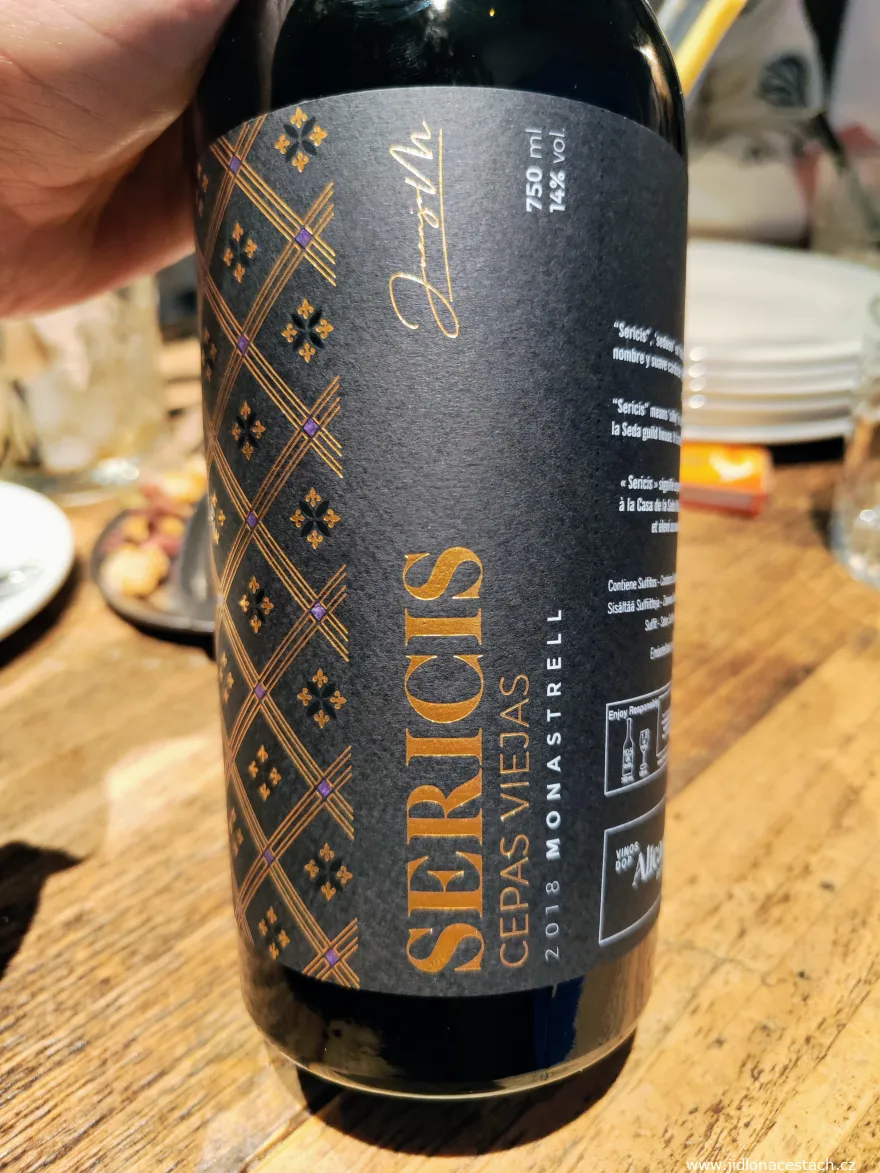
Five Bottles I Documented in Alicante
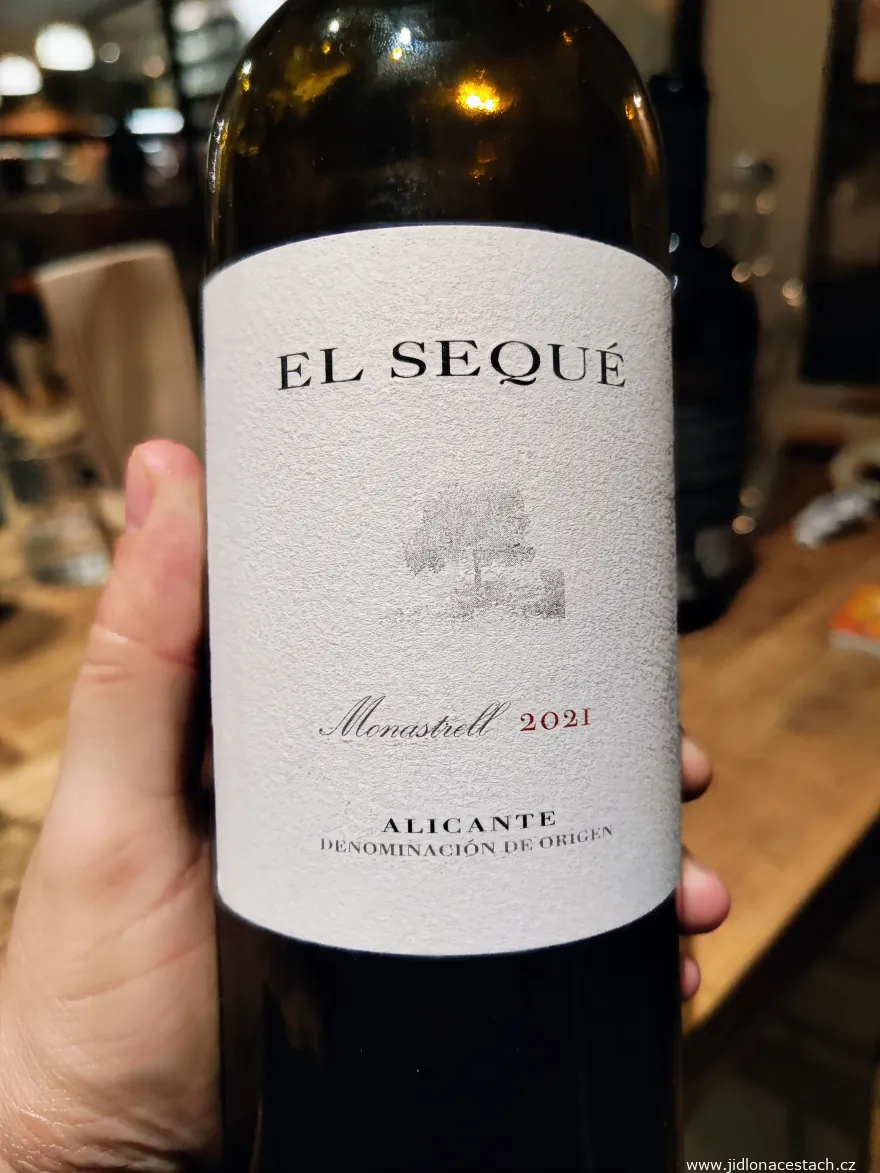
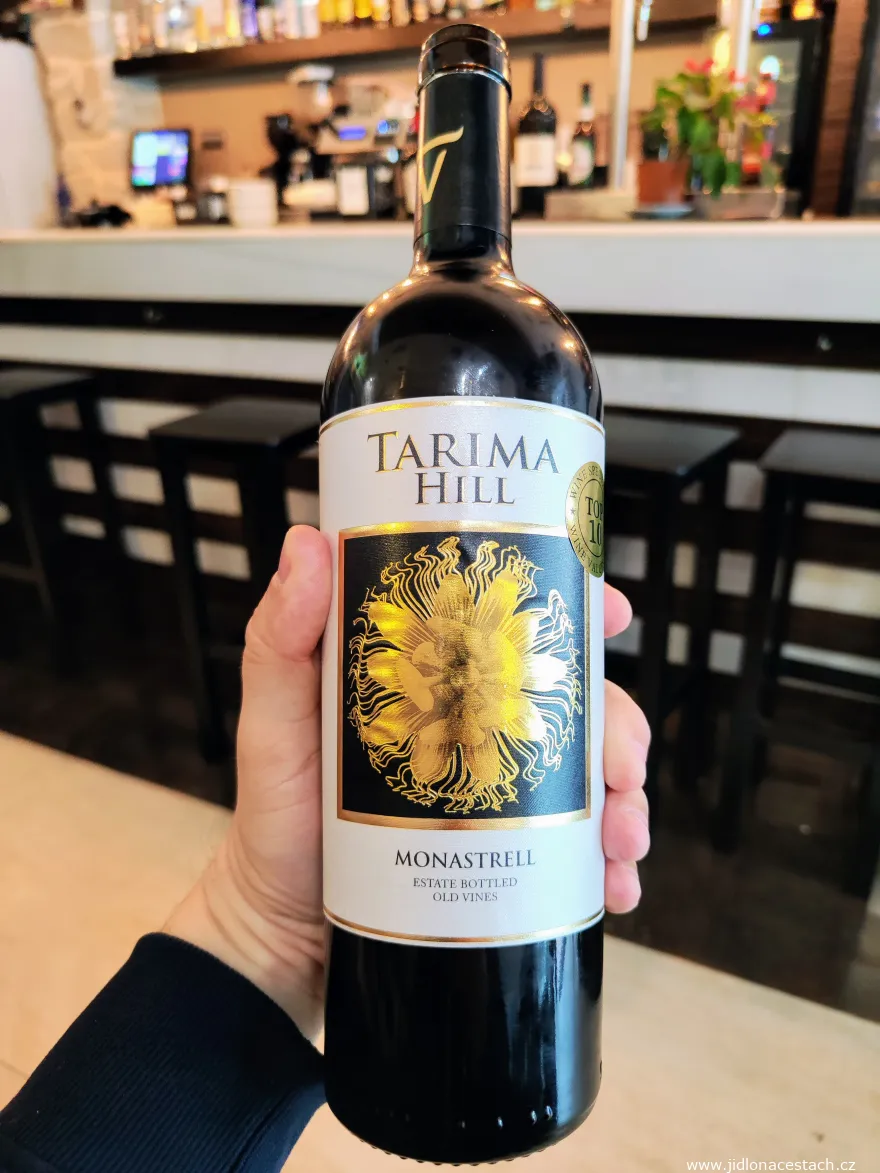
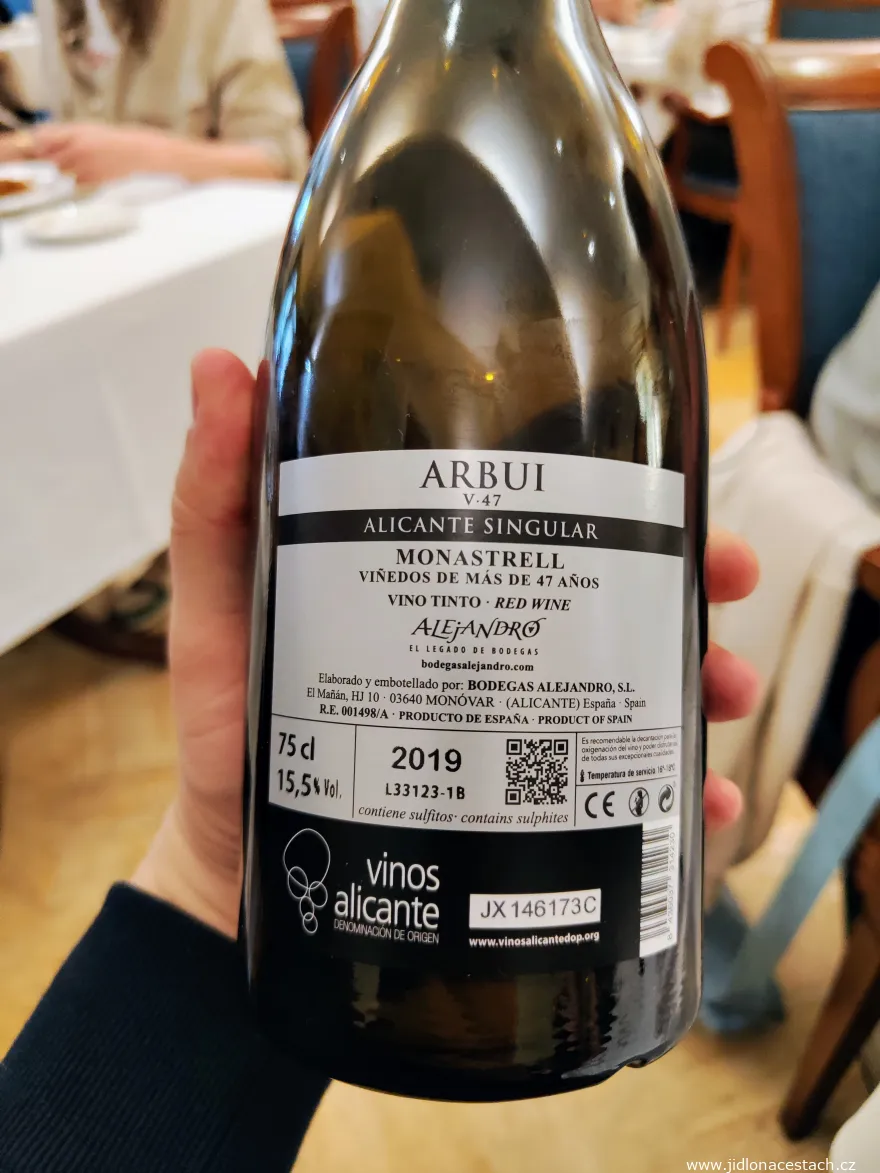
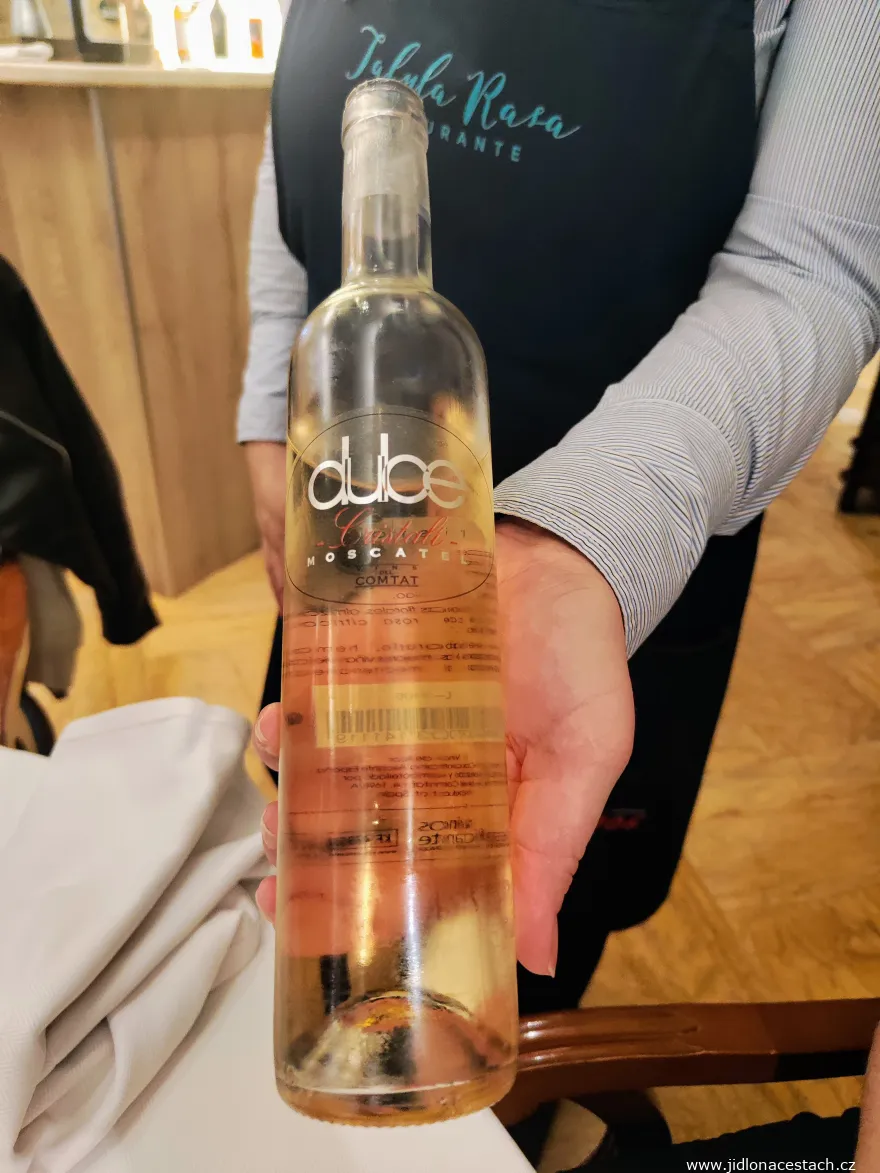
I went to Alicante for the fondillón and ended up with monastrell; the overwhelming majority of the wines I tasted there were made from it, and they won me over completely. Two bottles were opened for me at Tabula Rasa Restaurant (see Where to Eat in Alicante): Arbui V.47 from Bodegas Alejandro in Monóvar, a monastrell from vines planted more than forty-seven years ago, which a waiter in a jacket brought over with the 2019 vintage on the neck label - a dense, warm wine of ripe plums, with fifteen and a half percent alcohol there's no hiding. And to finish, the sweet moscatel from Vins del Comtat in Cocentaina, honey and orange peel in a glass that the waitress carried to the table to round things off. I picked up the other three elsewhere. El Sequé from Artadi grows in Pinoso at around six hundred meters on limestone; Tarima Hill from Bodegas Volver, out of the same town, comes from vines thirty-five to seventy years old, grown without irrigation, and spent fourteen months in French oak: a cherry color with ruby glints, a nose of ripe fruit, flowers and spice, a full, balanced flavor with a long finish - a complex, concentrated, interesting wine. And the fifth bottle, Sericis from Bodegas Carchelo, the 2018 vintage with ninety-two points from Guía Peñín, isn't from Alicante at all: Carchelo is based in Jumilla, across the provincial border in Murcia, and monastrell pays that border no more attention than I did while I was taking photos. Louis XIV asked for a wine from Alicante at the end. I asked for it at the beginning, and Alicante slipped me three of its monastrells, one moscatel and one monastrell from Jumilla instead. The fondillón is still waiting for me in a barrel.


