Plăcintă: One Name for a Flatbread, a Spiral and a Pie
A box just like a pizza box: flat, cardboard, with the restaurant's logo on it. But in Chișinău they'll pack something completely different into it - a spiral of hand-stretched dough filled with sheep's cheese. A local chain has the boxes custom-made just for it. No pizza has ever been inside one. Plăcintă is a filled pastry made from thin, usually hand-stretched dough that Moldovan cuisine shares with all of Romania: savory and sweet, baked and fried, a flatbread that fits in your palm, a spiral and a sheet-pan pie. All of it has exactly one thing in common: the name. And that's precisely why plăcintă is the most tangled entry you'll come across on a Moldovan menu.

Everything That Goes by the Name Plăcintă in Moldova
Moldova's register of intangible cultural heritage devotes a whole entry to plăcinte, and in its official language it even records dough mixed with mineral water or beer. The basis, though, is almost always the same trick - a sheet of dough stretched until it's see-through, a filling and some way of sealing the filling inside. The shapes follow from that: a round envelope with the edges of the sheet folded into the middle (made with quark, it's called poale-n brâu, "skirts tucked into the belt"), an oblong pocket, or vărzare made from a single sheet. Vărzare in particular shows how little you can rely on the name here: it comes from the word for cabbage (varză), yet the Moldovan register lists under it a flatbread that can just as easily be filled with fruit or pumpkin, while in Romanian Moldavia vărzare usually really is made with cabbage. Traditionally they're baked in the oven; in the center and south of the country they'll just as happily drop the flatbreads into hot oil in a frying pan.
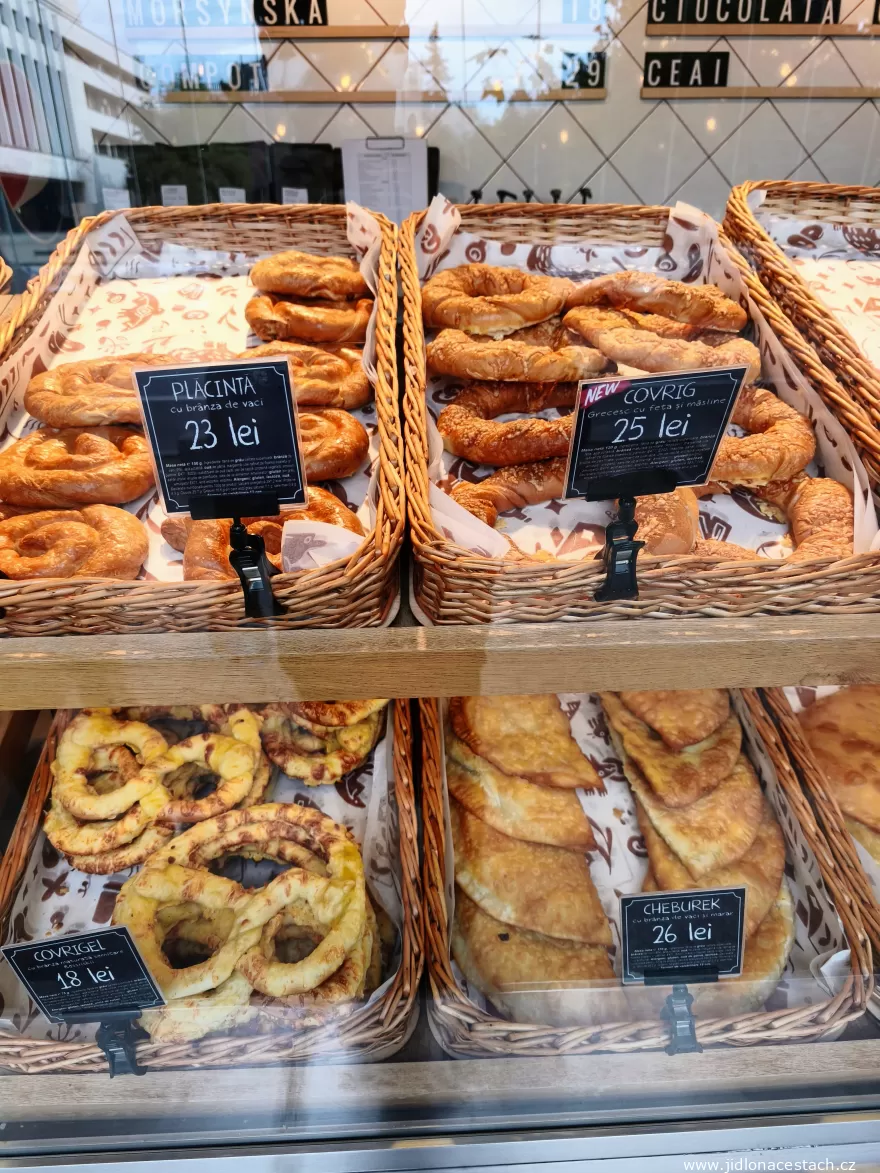
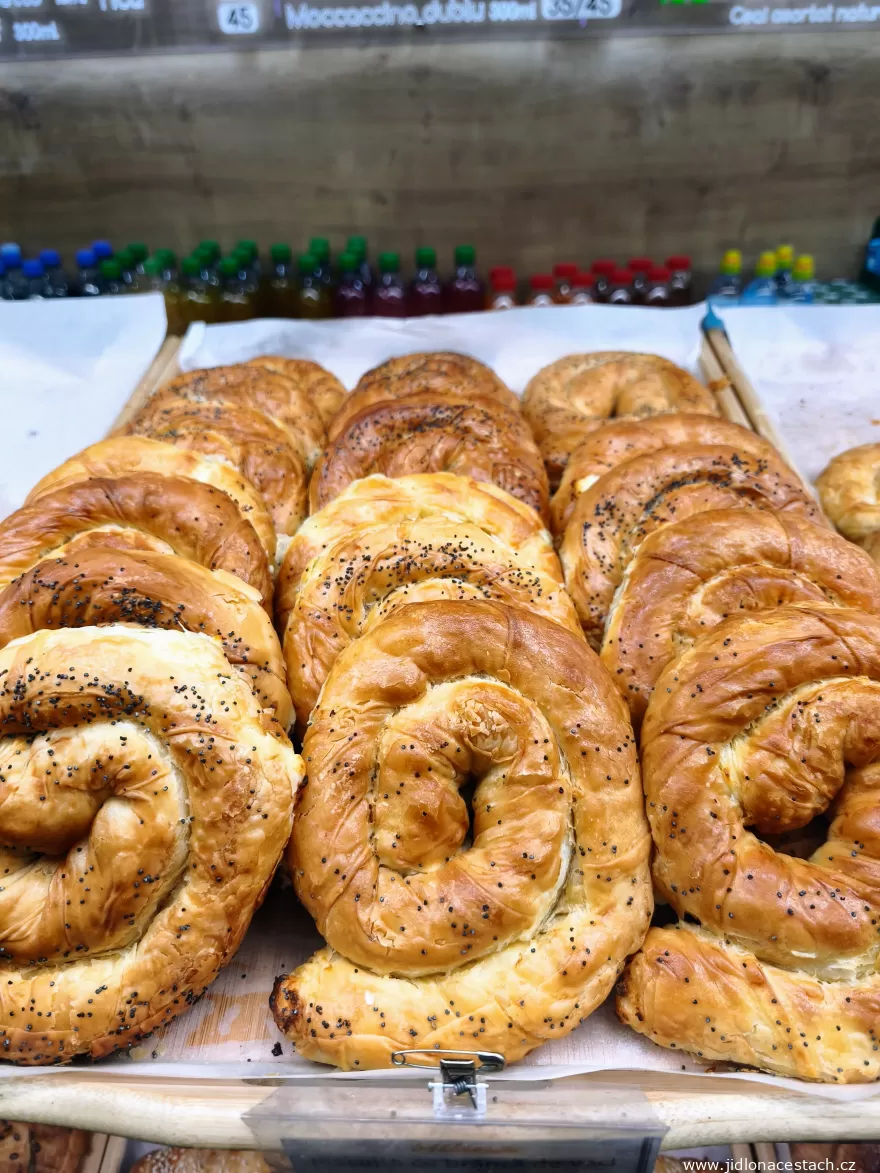
The second big family is coiled. Învârtită, literally "twisted" (in Russian-speaking Moldova vertuta), is a spiral rolled up from one long sheet; a spiral folded into an S shape is called saralie in the center and south of the country. In Bucharest, though, the name sarailie gets you a sweet walnut pastry soaked in syrup, while in Chișinău it gets you a savory spiral with sheep's cheese - and nobody warns you in advance. Joining them in the display cases are neighbors from other families, the yeast-dough pirozhki called pateu and fried half-moon chebureki; the only reliable guide is the little labels.
The Word That Outlived the Roman Empire
The Latin placenta meant a cake, and the Romans borrowed it from the Greek plakous, flat cake. According to etymological dictionaries, Romanian is the only Romance language in which the word still lives on as the name of a pastry - everywhere else, all that's left of it is the anatomical term, which, incidentally, was named after the cake because of its shape, not the other way around. So today Romanian keeps both words side by side: the homespun plăcintă from the oven and the learned placentă, which came back the long way around, through French. Two children of the same Latin parent, one fragrant and one clinical.
And there's a third descendant, one that has a place in Czech cooking. The Hungarians borrowed the word in the 16th century as palacsinta, broke up the unpronounceable initial "pl" cluster and over time started using it for thin pancakes from the pan; from them it traveled via the Austrian Palatschinke all the way to Czechia. So the Czech palačinka, a thin sweet pancake, is the linguistic granddaughter of the Romanian plăcintă - it just got thinner and sweeter along the way and rolled itself up around jam. You'd never guess the family tie from the plate, but the etymological dictionary has it in black and white.
From Cato's Cake to the Shelf of a 24-Hour Shop
Restaurants and travel websites love telling stories about a "recipe from Roman Dacia", but only one thing can actually be documented: the word itself. The ancient Roman cake that Cato the Elder described around 160 BC was made of flour, cheese and honey - so layered dough with cheese does fit into the family tree; it's just that nobody can prove it has been baked without interruption ever since. What is certain is that plăcintă used to be festive food: it was baked for spinning bees, for days when the neighbors came to help out and for the Sunday table, and only recently has it turned into an everyday thing that you'll even find on the shelf of a 24-hour shop. You can see how deeply it's rooted in the language from the proverb la plăcinte înainte, la război înapoi - forward to the pies, backward into battle. It's said of opportunists, and the classic Romanian writer Ion Creangă was already quoting it as an old saying in the 19th century.

Whose Plăcintă Is It, Anyway?
The national symbol of Moldova (and Romania) is mămăligă; plăcintă is something else - it's everywhere. And it's a genuinely shared dish: it's baked all over Romania, all over the Republic of Moldova and in southern Ukraine, where around Odesa it's sold as placinda. The heritage register admits as much itself, and you won't find any dispute between the two countries over who came first. The one dispute over plăcintă that was settled officially was between Romania and Bulgaria: the Dobrujan plăcintă dobrogeană won European protected status, and after two years of wrangling Bulgaria at least secured a ten-year right to use the name "dobrudzhanska banica" at home. Pies, it turns out, get negotiated over like tariffs.
The extended family is a big one and stretches across the whole Balkans into Turkey. The Balkan burek is made from the same stretched dough - the Bosnian spiral baked in a round pan is the closest in shape to the Moldovan învârtită, except that Bosnia insists on a meat filling. The Bulgarian banica is layered and has a Slavic name, from the word for bending; the Bulgarian minority in southern Moldova bakes it too.
The Plăcinte I Came Across in Romania
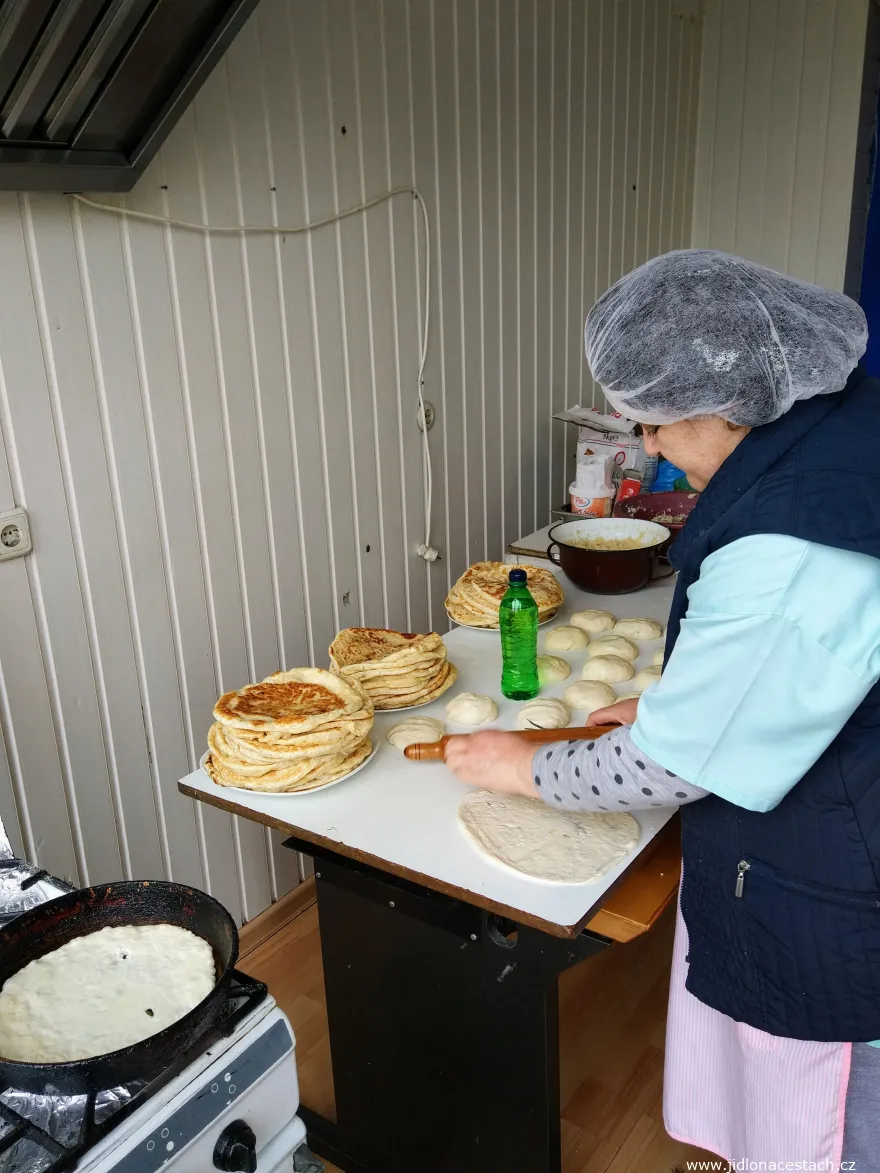
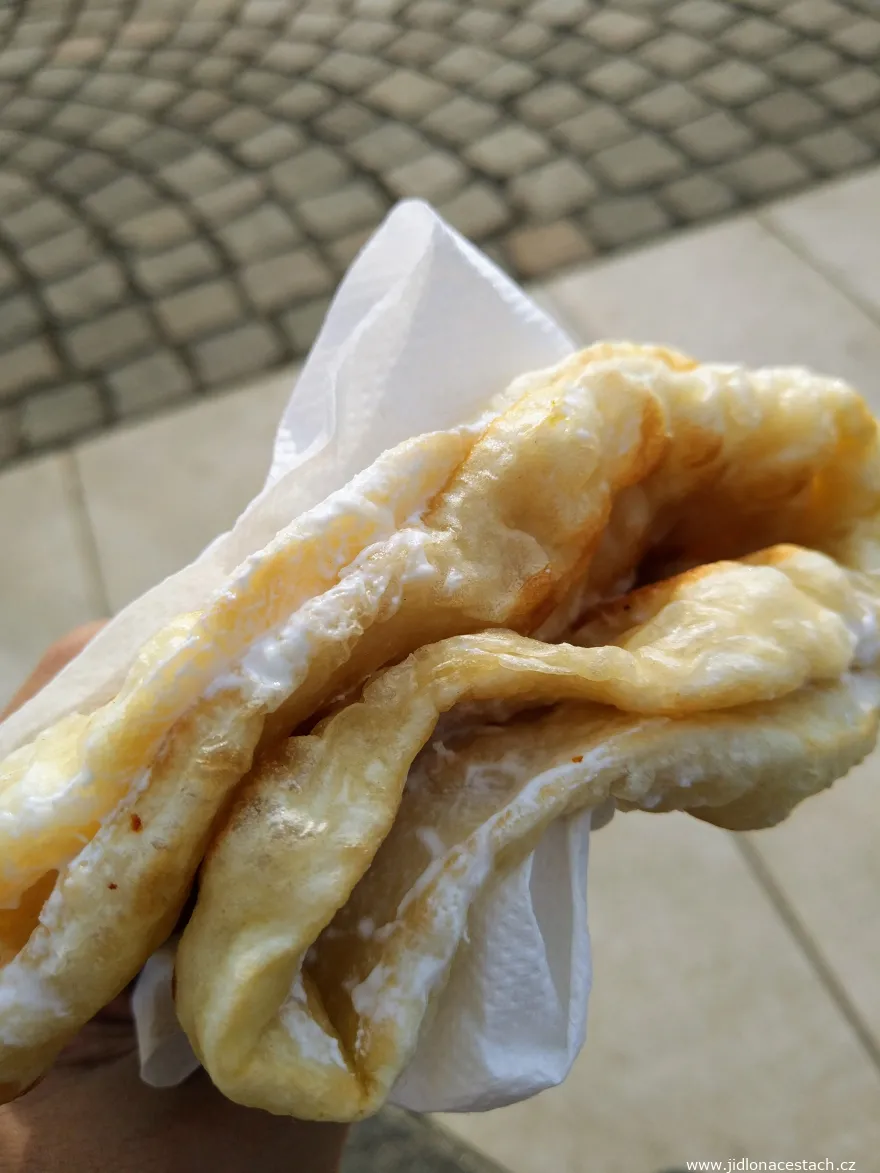
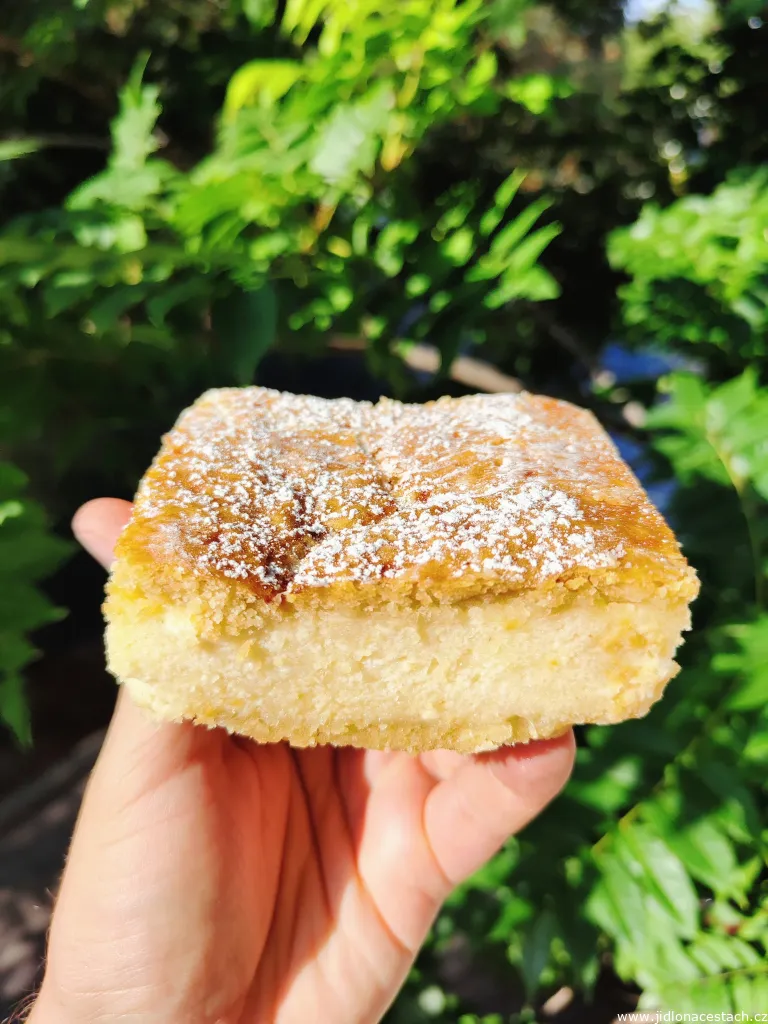
The first plăcintă I ever ate wasn't in Moldova but in Oradea, in western Romania. A room opening straight onto the street, a griddle, a pot of filling and a woman rolling out and frying flatbreads; she spread sour cream, smântână, on my potato one and charged me 2.5 RON (0.50 EUR, April 2019). Exactly this fried, folded kind now sits in the display cases at the Chișinău market - the flatbread I'd got to know in Romania was waiting for me in Moldova like an old friend. In Iași I later came away from a bakery with a completely different plăcintă: a tall, sweet sheet-pan cake dusted with powdered sugar, looking more like a yeast cake than a flatbread. Both had the same name, and both had every right to it.
Where to Buy Plăcintă and How to Read the Labels
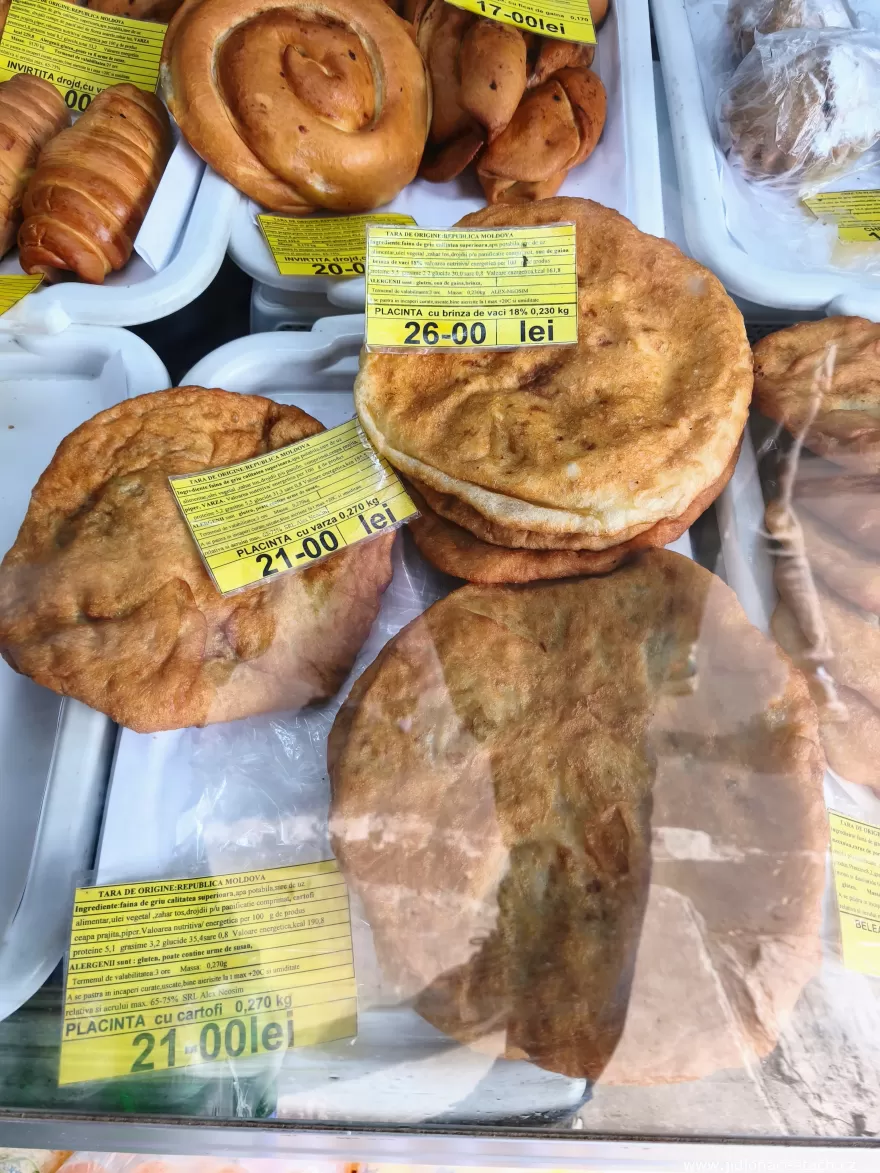
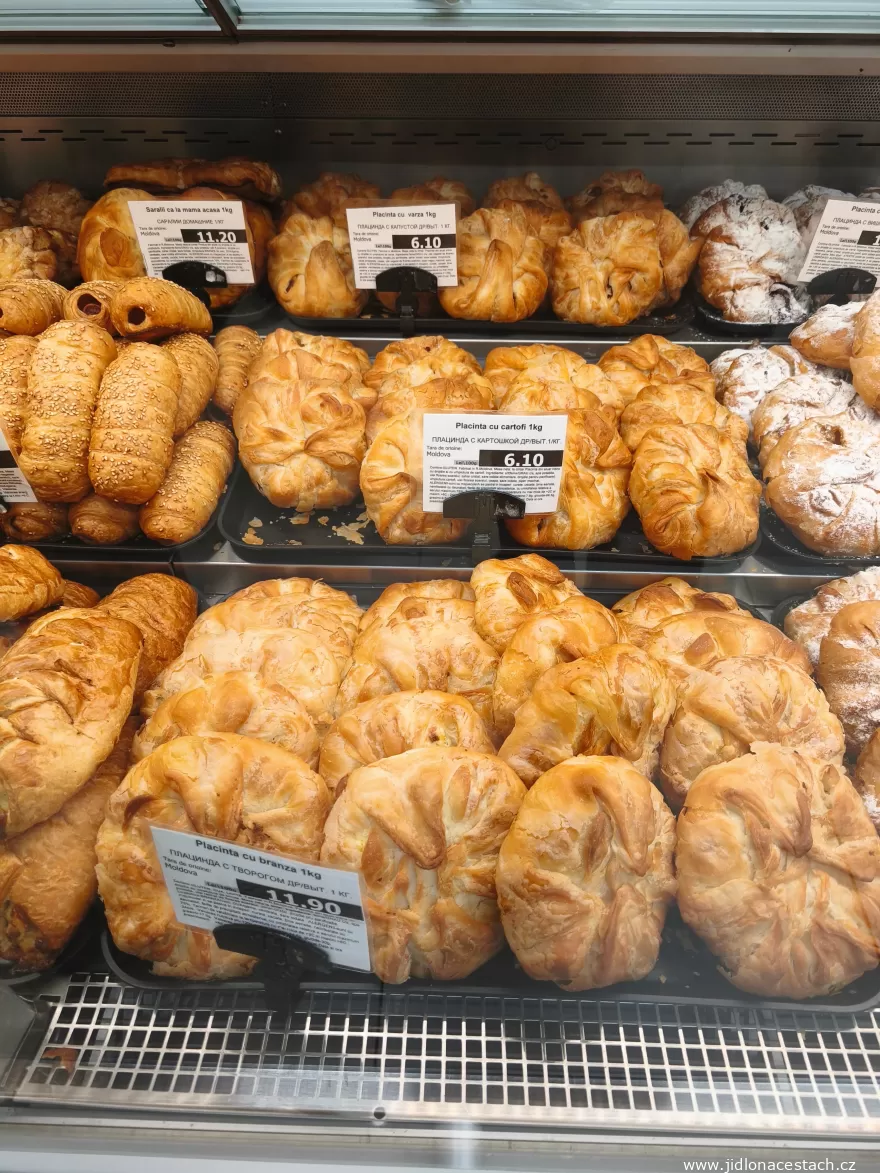
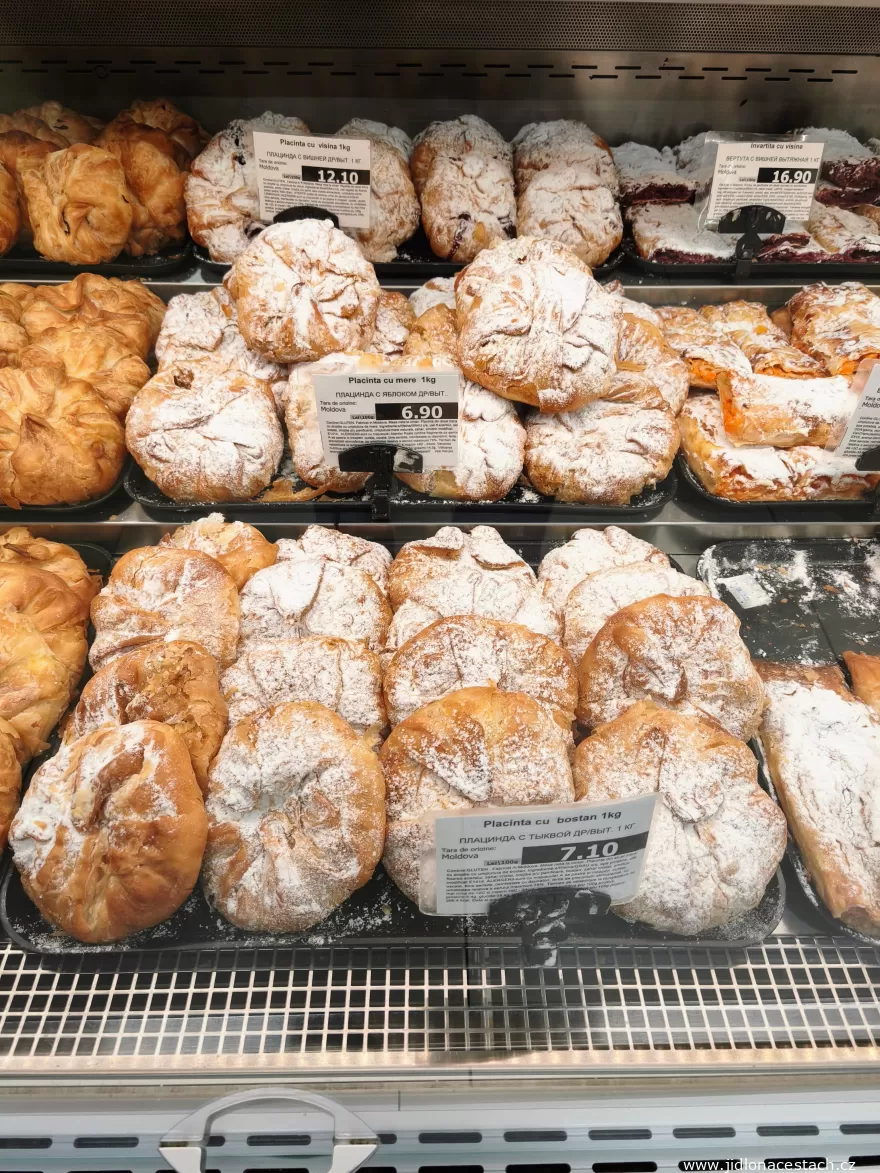
In Moldova you can buy plăcintă practically anywhere: supermarkets have their own counters where it's sold by weight, bakeries line it up in baskets next to the covrigi, market stalls fry it right in front of you, and I even found it in the hot food section of a 24-hour shop. The label tells you sweet from savory more reliably than the look does: cu brânză, cu cartofi and cu varză are savory, cu mere, cu vișine and cu bostan are sweet - and you'll also recognize the sweet ones by the powdered sugar. The La Plăcinte chain has made this pastry its emblem: it's named after it, bakes big spirals to order and also came up with those custom-made boxes.
So how do you eat it? With your hands, warm, ideally straight from the oven or the pan. A spoonful of smântână goes with the savory ones, and at home it's served with wine. In restaurants I'd also see plăcinte served alongside soups - with zeamă or borscht, people bite into a piece of the spiral instead of bread. Just be careful with that "side": a proper plăcintă is a meal in itself, and soup with one makes a whole dinner.
Where I Ate Plăcinte
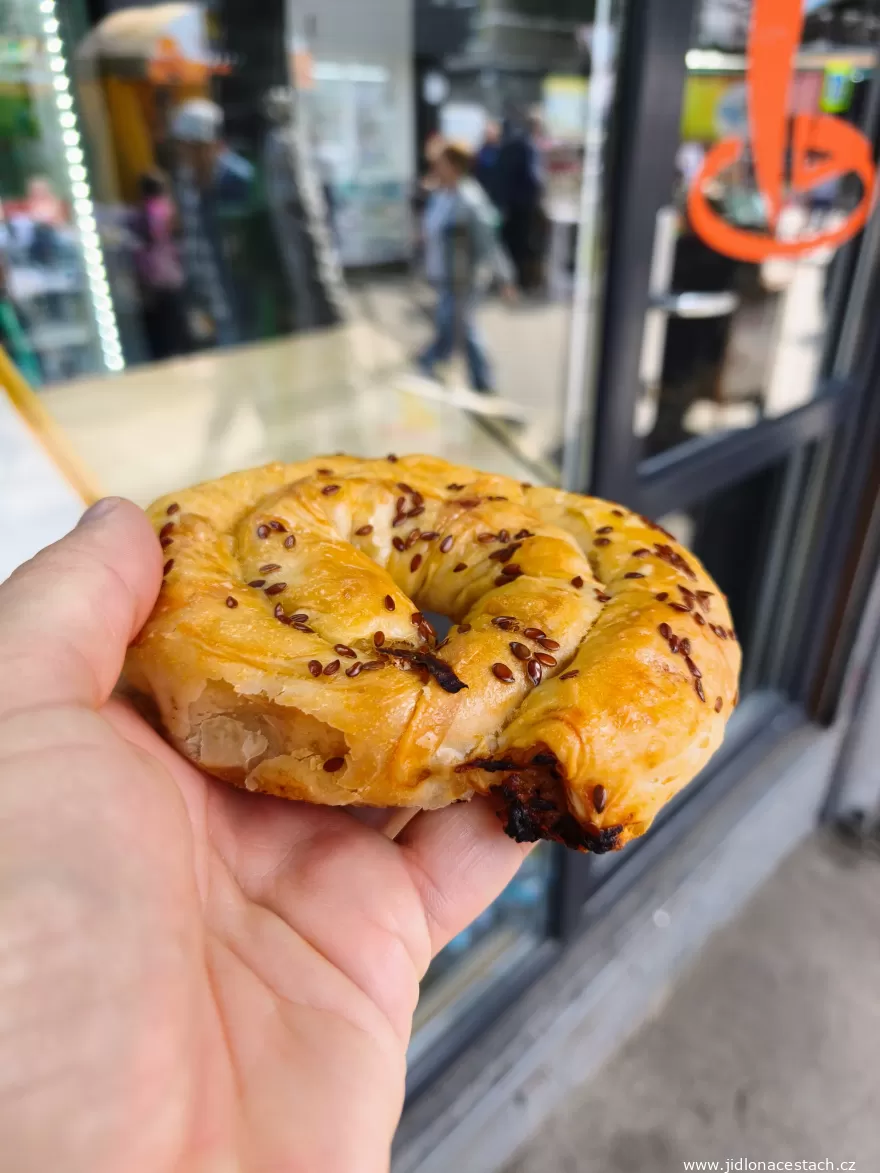
My first Moldovan meal was a plăcintă, and the credit goes to a 24-hour shop next to our hotel in Chișinău - the hotel, also called Chișinău, is a living museum of socialism that we enjoyed more than an uninitiated guest would expect. Right by the checkout was a section of still-warm plăcinte; I took a cheese one, and after several hours on the road it tasted exactly the way your first hot meal in an unfamiliar country should. At the Piața Centrală market I later bought a baked spiral with fresh, unfermented cabbage for 21 MDL (1 EUR), and it was excellent - thin layers of dough, the cabbage unfermented, and the whole thing fit in the palm of one hand.
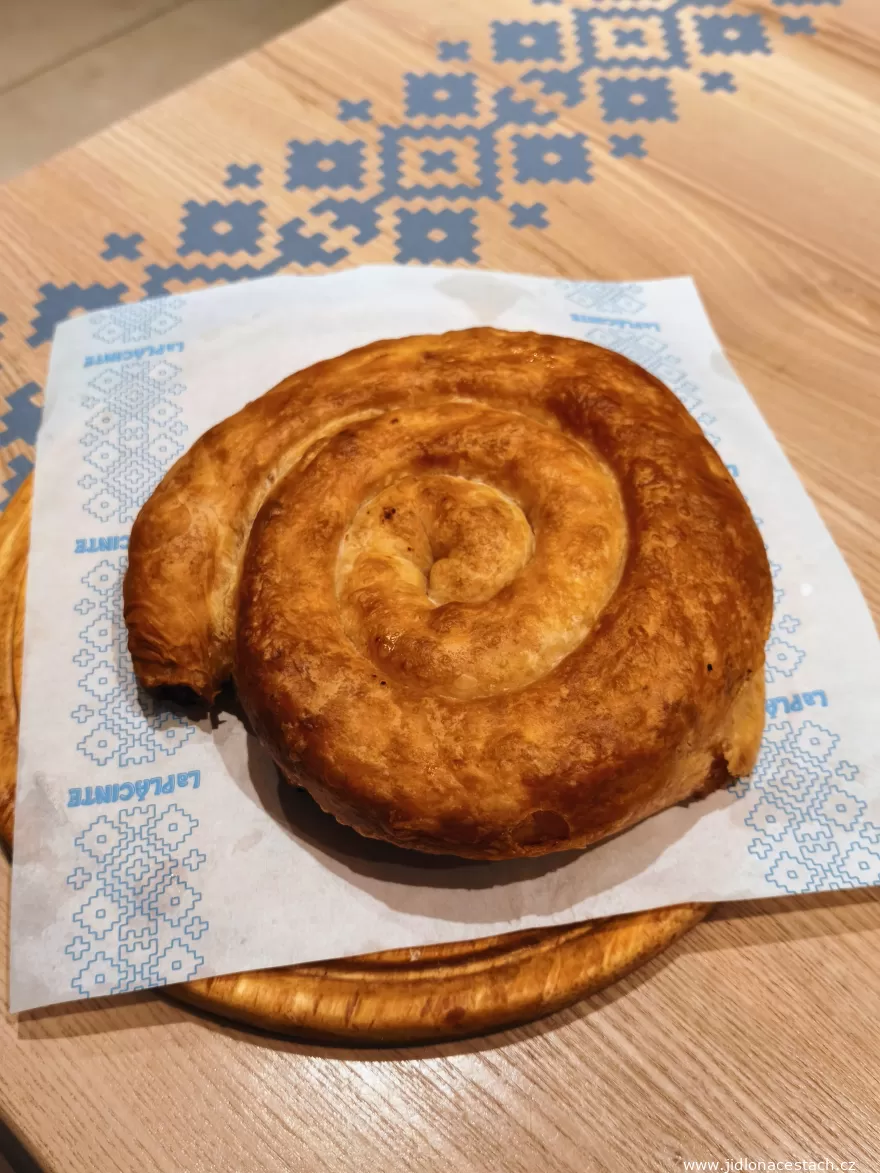
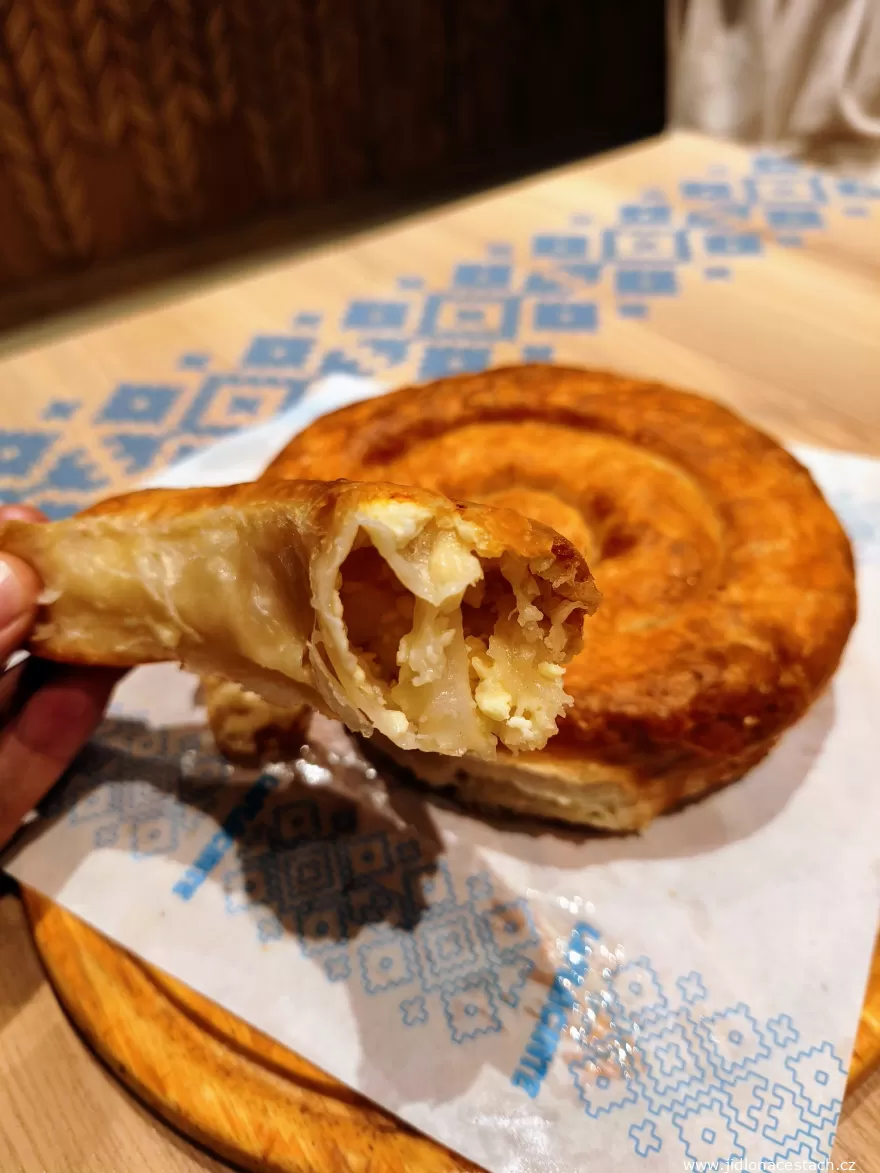
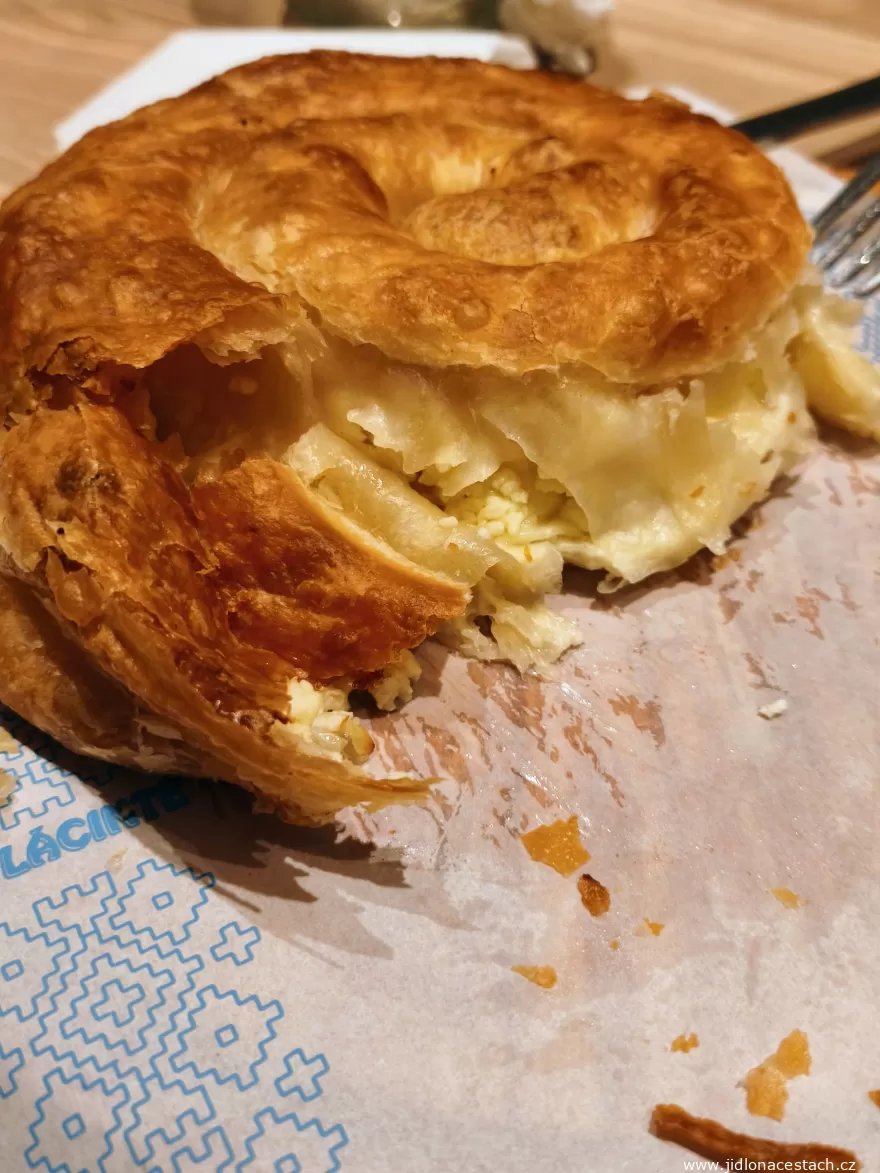
The high point came at La Plăcinte (see Where to Eat in Chișinău). We ordered a saralie cu brânză de oi, with sheep's cheese, and the kitchen didn't start baking it until we'd ordered. It arrived crisp, beautifully seasoned and truly enormous: at 105 MDL (5.20 EUR) we couldn't finish it and had the rest boxed up to take with us. For a dish I'd first met on the shelf of a 24-hour shop, it was a grand finale.