Costoluto: The Ribbed Italian Tomato
In an Italian greengrocer's you can spot the tourist by what they reach for: the tomatoes they know from home - smooth and dependably red. Right next to them sits a pile of fruit that looks like a mistake. Creased into deep ridges and half green, as if someone had picked them two weeks early. The locals reach into that pile.
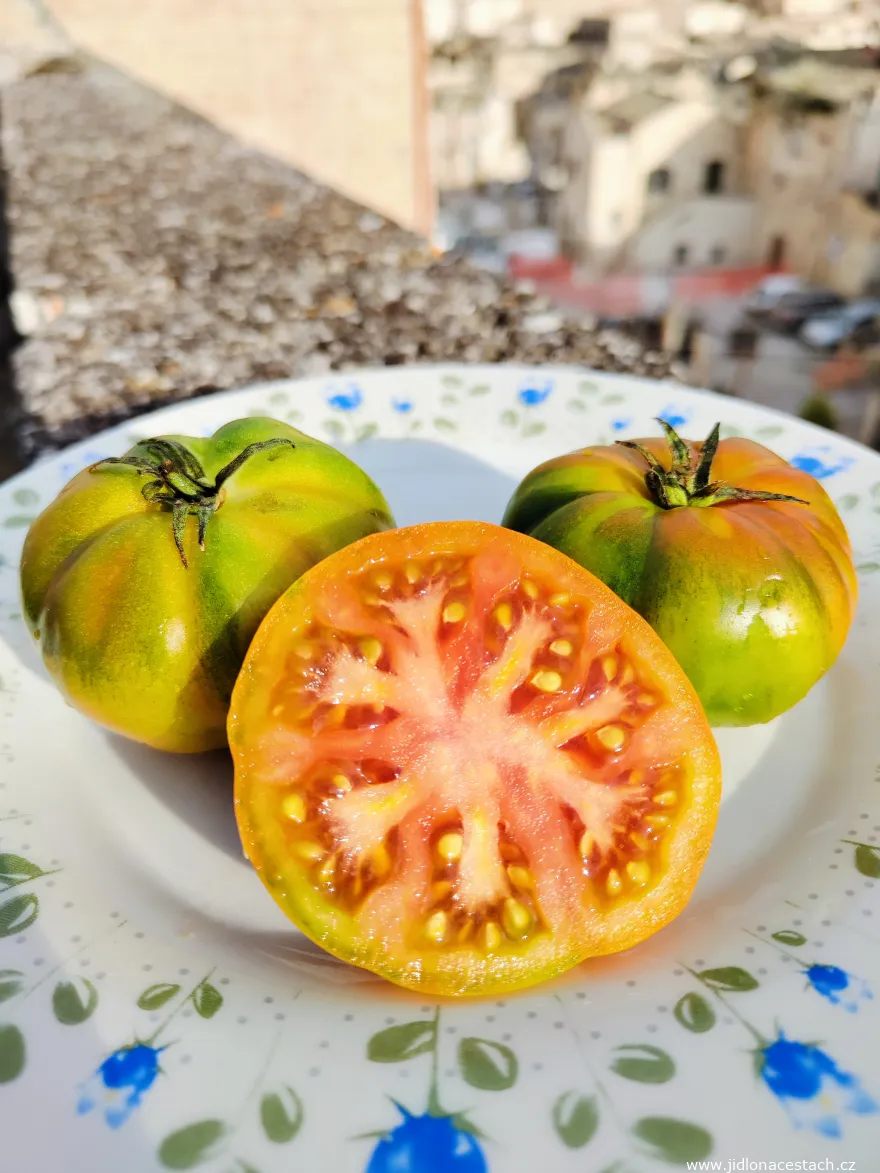
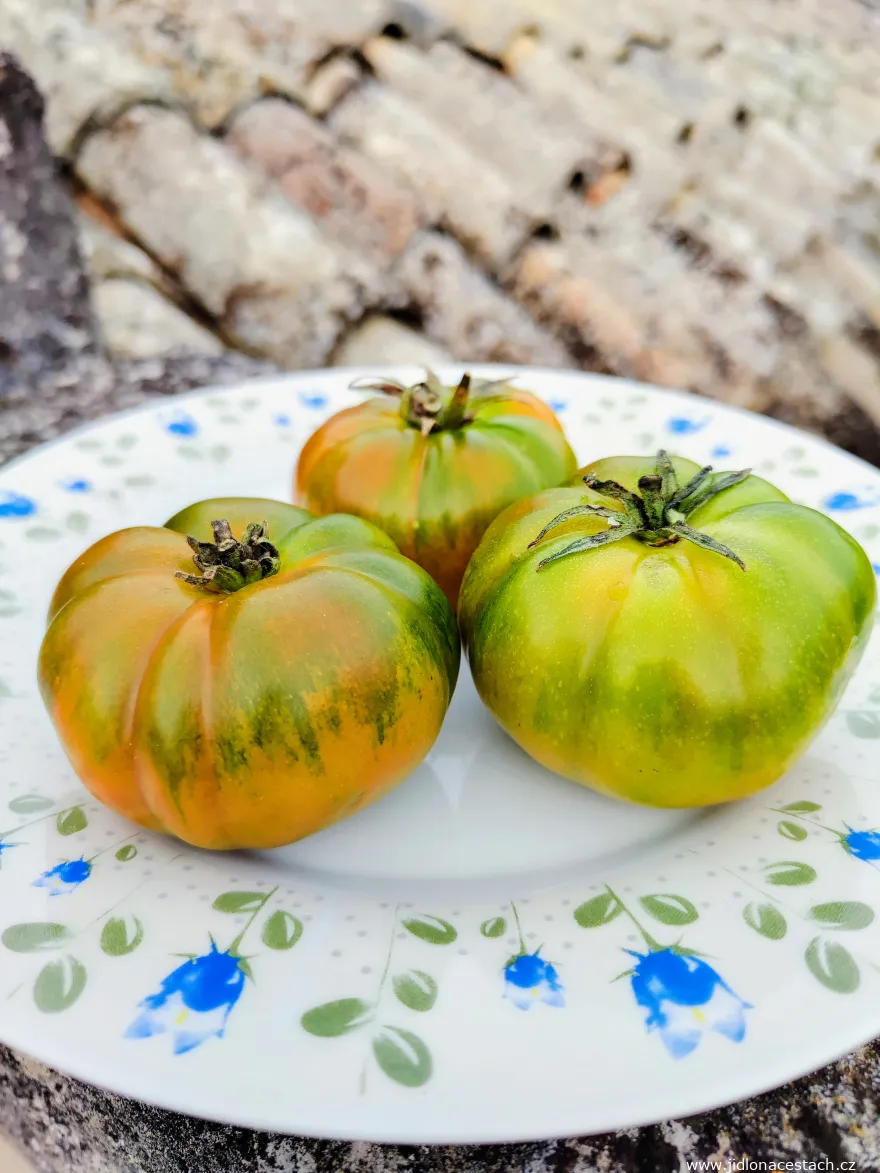
Costoluto is the collective name for old Italian tomato varieties with a flat, deeply ribbed fruit - Italian cooking sees a salad classic in them, not a batch of rejects. Even the green color is deliberate.
What Costoluto Means and How Many Tomatoes Carry the Name
In Italian, costola is a rib and costoluto means ribbed. The name describes the shape, nothing more - rather like calling a variety "round tomato". So costoluto isn't one variety but a family of regional selections that share a shape and are told apart by their address: Tuscany has Costoluto Fiorentino, Liguria has Costoluto Genovese, and the south isn't left out either - in Sicily the ribbed type is one of the four varieties covered by the protected Pomodoro di Pachino IGP, and Basilicata grows Costoluto di Maratea. Anyone hoping to track down the one true costoluto is looking for a brand name where there is only an adjective.
Ribbed tomatoes are no Italian monopoly: French cooking has the Marmande variety, Americans swear by Brandywine, and deep ridges turn up in old Mexican varieties too. They aren't related, though - ribbing is an ancient trait of peasant tomatoes that growers in different countries arrived at independently. The real lookalike lurks closer to home, in Italy: cuore di bue, the oxheart, has irregular ribs and a shape drawn out to a point, while costoluto is flat and its ridges run evenly.
A History With No Inventor, but With a Seed Bank
Asking when the first costoluto came about leads nowhere. These are peasant varieties shaped by generations of gardeners, and none of them has a date of birth - what is documented is how they were rescued. Canestrino from Lucca, with its thin skin, was no good for machine harvesting, so it all but vanished in the 1950s; today it grows under Slow Food protection and is picked strictly by hand. In Cambiano in Piedmont, growers rediscovered seeds of the local variety in the 1990s and put it into a seed bank, and the town now throws the tomato a festival of its own. The trade, meanwhile, has worked out that ridges sell: catalogs even list an F1 hybrid tagged gusto antico, ancient flavor - a modern cross in a well-cut heirloom costume.
How Costoluto Is Eaten and Why Green Is Fine
The strength of ribbed tomatoes lies in the flesh: it's meaty, there are few seeds and less water than in smooth greenhouse varieties. A slice of costoluto holds its shape and doesn't give up its juice before it should - so it won't turn bread to mush, which is why it goes into Tuscan panzanella, the salad made from stale bread, and onto bruschetta. One honest note on the famous caprese: you can make it with costoluto and people commonly do, but purists insist on tomatoes from Sorrento and cast the ribbed fruit as the stand-in.
And now that color. Back home a green tomato means the end of the season and ripening on the kitchen windowsill; in Italy it means there's going to be a salad. A half-green costoluto isn't the seller getting impatient - in Sicily, for one, the fruit is picked green with red stripes on purpose, because unripe it's crunchier and holds up better in a salad. Pick accordingly: for sauce, wait for an all-red one; for salad, go right ahead and take the one that looks like it escaped onto the counter too soon.
Half a Kilo From Matera
I buy costoluto on every visit to Italy, most recently in a supermarket in Matera, a town otherwise proudest of its own bread. Half a kilo cost 2.50 EUR. The tomatoes were firm, strikingly meaty and sweet. My parents were wary of the half-green fruit at first. Then they tasted them and fell for them just as I had. The fear of the color didn't survive the first bite.


