Mine Frit: Mauritian Fried Noodles
In a new country I have one rule: the first thing I eat should be the most local thing on offer. A Creole curry, an Indian flatbread, something nobody cooks anywhere else. In Mauritius, short on time, I broke that rule on my very first evening: I ordered Chinese noodles. It took me a few days to work out that I hadn't broken it at all.
Mine frit are thin wheat noodles stir-fried in a wok with meat, vegetables and strips of omelet, seasoned with soy and oyster sauce - a dish Mauritian cuisine took from Chinese immigrants and turned into the most ordinary thing that will land on your plate anywhere on the island. They are sold at stalls, in beach bistros and in restaurants, at lunch and at dinner.
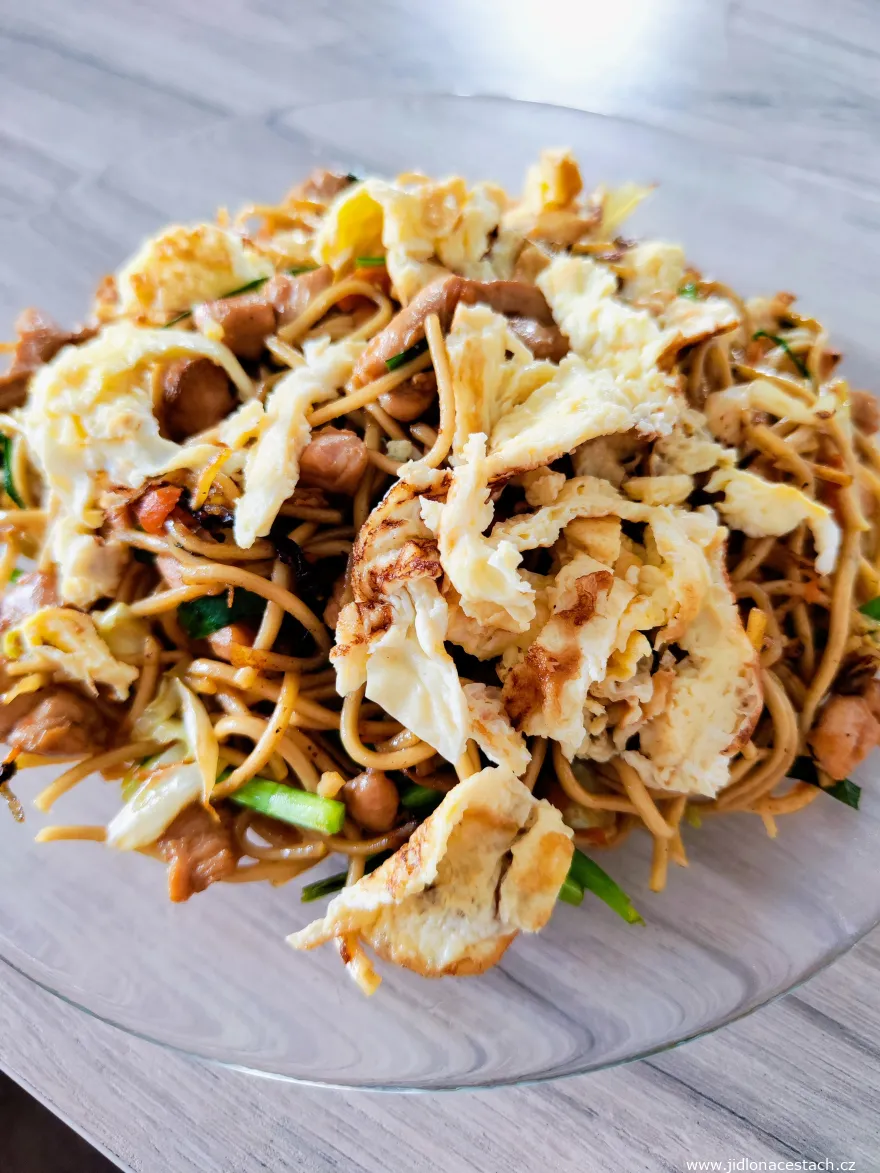
Mine Frit, Mine Frite, or Mines Frites
Google the name and you run straight into the first Mauritian oddity: nobody agrees on how to spell it. Recipes switch between mine frit, mine frite and mines frites, each of them calmly convinced that this is the right way. The word mine is the Hakka mein, noodles, and frit is French for fried - one dish, two languages, and neither of them gets the last word in Mauritius. French would want agreement in gender and number; Hakka has no genders at all, so everyone spells it their own way. It is pronounced roughly "min frit", with a silent t at the end, as the French half demands.
Where Mine Frit Gets Fried and Who Brought It
Mine frit is not a Mauritian invention - it is the Mauritian name for Chinese chow mein, the fried noodles half the world knows. The island shares it with neighboring Réunion, where the same thing goes by sauté de mines and differs more in the name than in the pan. Its closest relative sits at the same table: mine bouillie are the same noodles simply boiled and served with the meat and vegetables on the side, while with mine frit everything meets in the wok and comes out bound together by soy sauce. Next to them stands riz frit, which does the same job with rice.
Anyone hunting for an Indian influence in mine frit is hunting in vain: India gave Mauritius curry, dholl puri and most of the spices, but the noodles arrived with someone else. Chinese immigrants, Cantonese at first and, from the late nineteenth century on, mostly Hakka from the Meixian area, opened rural general stores all over the island that are still called boutique chinoise - and the wok arrived along with the shop. Nobody has ever pinned down when people first started frying noodles in it for their neighbors, and there is no legend about a first plate. The result is plain to see: a community that today makes up two or three percent of the population gave the island its most common dish.
What Goes In, and Why These Aren't Noodles Out of a Packet
The base is fresh noodles from a pack, lightly oiled so they don't stick together - all they share with the instant sachet of your childhood is the shape. With them go carrot cut into thin matchsticks, pak choi, onion, scallions, then meat depending on your mood: chicken, beef, shrimp or slices of Chinese sausage. The egg is key: it isn't scrambled into the noodles but fried separately as a thin omelet, cut into strips and added on top at the end, so it stays yellow on the plate instead of getting lost in the brown. The seasoning is soy and oyster sauce, nothing else; the heat is up to you. There's a bowl of chatini on the table, a hot chili paste, and it goes on at the table, not in the pan. Anyone who isn't careful and scoops it up like mustard is in for a meal that lasts two separate afternoons.
Mine frit is eaten at any hour, but mostly people get it to go: in a box from the takeaway window to the beach, to work or home. You order it by the meat, and by whether you want it with egg. The flavor comes down to the fire: damp, limp noodles tell you with the first forkful that the wok wasn't hot enough.
My First Plate on the Island
Mine frit with chicken and egg was the very first thing I ate in Mauritius, at the Nam Wah Snack bistro in Flic en Flac (see Where to Eat in Flic en Flac). It came on a glass plate, thin and dark from the soy sauce, the chicken cut into small pieces, the carrot still crunchy and the strips of omelet on top browned at the edges. Salty, faintly sweet from the oyster sauce, without a trace of heat until I reached for the bowl beside the plate. The portion cost 170 MUR (3.60 EUR). I went back to Nam Wah Snack many times after that. But I started with the noodles, and when somebody asks me today what the most local thing in Mauritius is, I answer with a dish the Chinese brought.


