Riz Frit: Mauritian Fried Rice
Order riz cantonais in Paris and you get rice with diced ham and egg. Order the same thing in Canton and the waiter won't have a clue what you mean - there the dish is called chao fan, fried rice, and it has never had ham in it. In Mauritius the same label turns up now and then too, but locals have their own name for it.
Riz frit is Mauritian fried rice: day-old cooked rice tossed in a screaming hot wok with egg, meat or shrimp, vegetables and soy sauce - one of the dishes Mauritian cuisine picked up from Chinese immigrants.
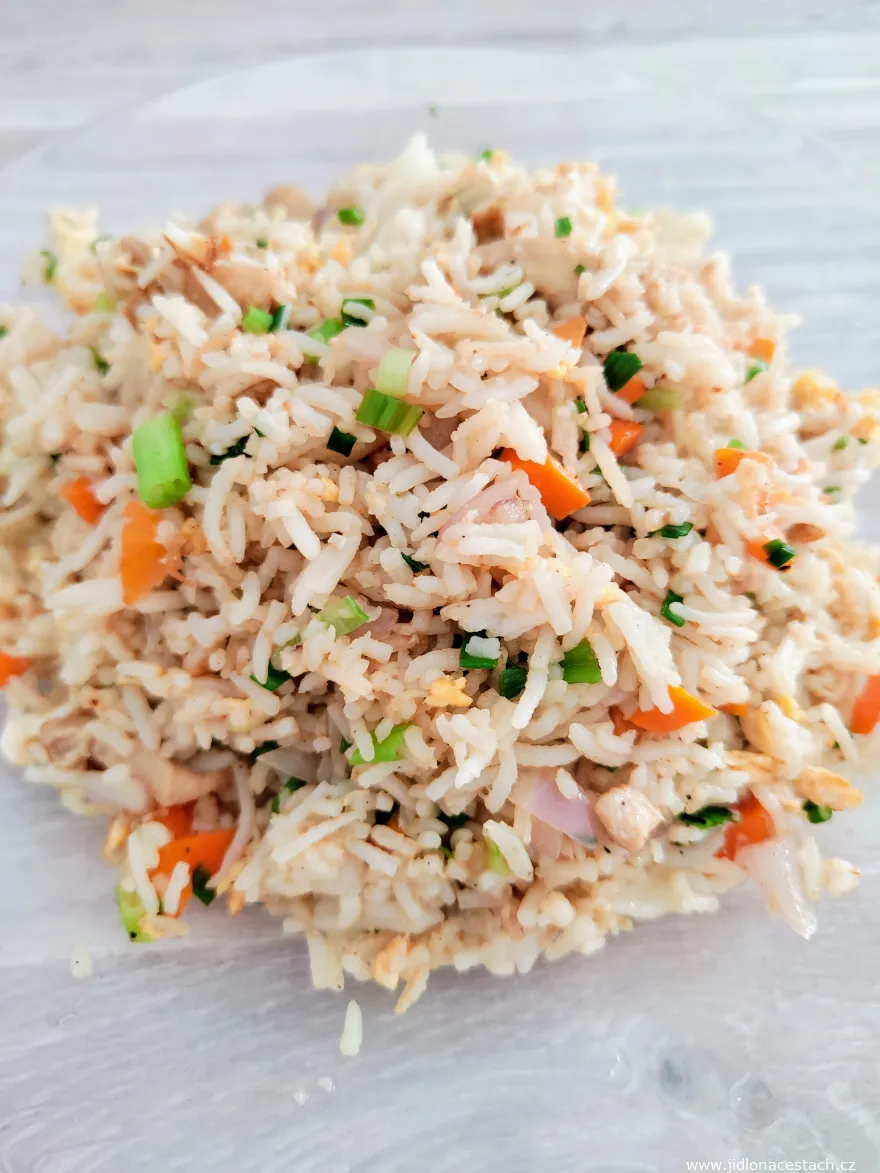
Why Riz Frit Isn't Named After Canton
The name holds no mystery this time: riz frit is simply French for fried rice, and in Creole it comes out roughly as diri frir, the same words said with your mouth full. The more interesting name is the one Mauritian rice doesn't carry. The term riz cantonais was born in France in the 1960s, brought back by returnees from Vietnam, and Chinese restaurants around Paris turned it into rice with ham; in Canton itself nobody has heard of it. Mauritian blogs still like to print it in quotation marks next to riz frit, much the way a schnitzel back home gets labeled "Viennese" even though it has never been anywhere near Vienna. The dish itself is an inheritance of the whole Chinese diaspora: Thai khao phat gets its lift from fish sauce and lime, Japanese chahan is fried dry, grain by grain; the Mauritian version is the most generous of them all - more meat, more vegetables, no thick sauce. Riz frit's closest relatives sit on the same menu: mine frit is the same thing with noodles instead of rice, and bol renversé is rice turned out of a bowl into a dome over sauce and a fried egg just before it reaches the table.
Who Brought Fried Rice to Mauritius
The Chinese began arriving on the island in larger numbers from the 1830s, first from Canton and after 1860 mostly Hakka, and with them came the wok, soy sauce and three dishes the island now counts as its own - noodles, bol renversé and riz frit. Every Mauritian blog says they were the ones who carried the recipe for fried rice in their luggage, but no historian ever wrote it down; the archives were busy with trade, not with frying pans. China traces the origin to a legend about a general of the Sui dynasty and his "broken gold rice". The prosaic explanation still holds: fried rice is a way to finish off yesterday with some dignity.
Yesterday's Rice and Today's Wok
The lead role belongs to rice that has already been cooked once and had time to cool. Fresh rice would turn to mush in the wok; day-old rice has lost its moisture, the grains come apart and each one picks up a little oil and soy sauce. If that reminds you of Monday's leftover Sunday potatoes crisping up in a skillet, you're on the right track - the principle is the same, just with a different starch. In goes an egg scrambled straight in the wok, chicken or shrimp, slices of Chinese sausage in the riz frit spécial version, and whatever vegetables the island has on hand: carrot, green beans, scallions. The Mauritian style differs from the Cantonese one in what it leaves out: no thickening, just soy and fish sauce and the fierce heat Chinese cooks call wok hei, the breath of the wok.
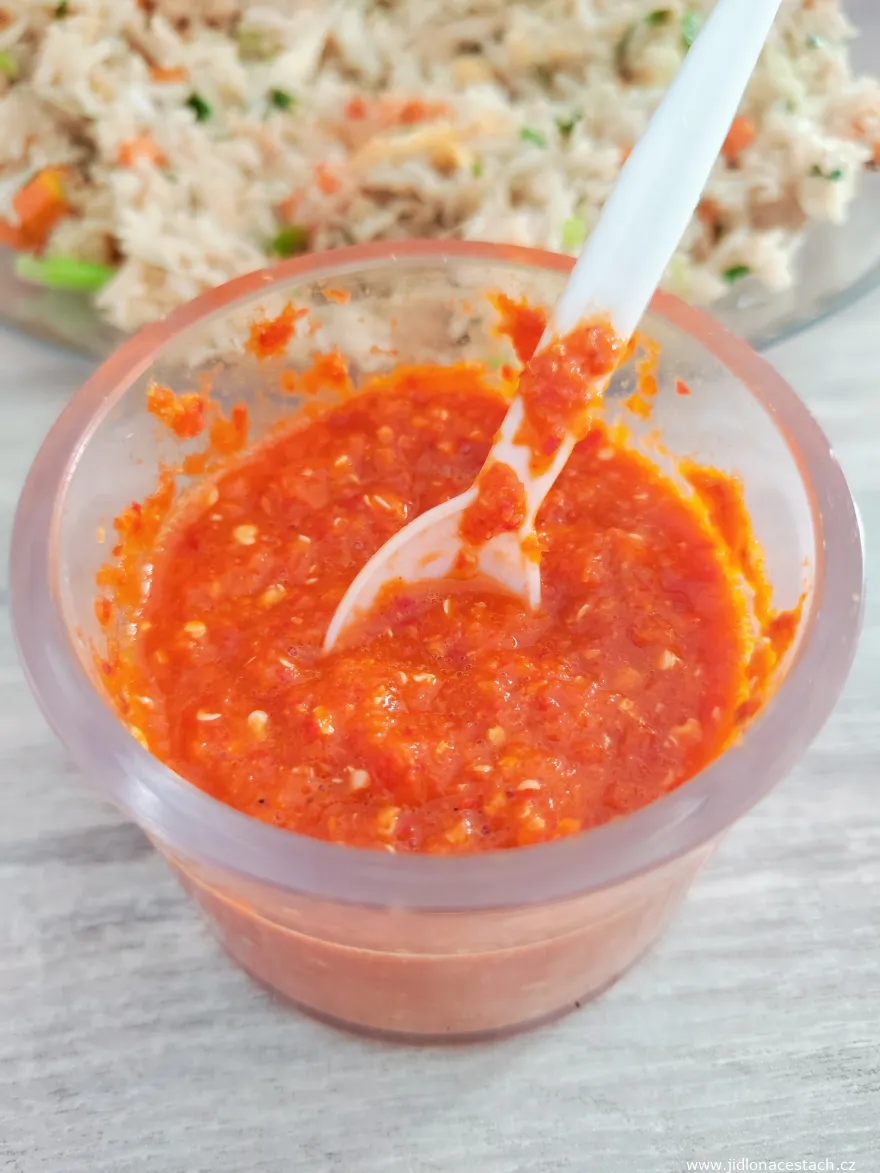
Riz frit is eaten at any hour of the day and at any price. In the snacks - that's what Mauritius calls the little places with a counter and a few tables - it gets boxed up as lunch for laborers and office workers alike, school canteens cook it, and you'll find the same name on the menu of a restaurant with tablecloths. There is always chili sauce waiting on the table, or tomato satini pomme d'amour, and only then is the dish complete - rice out of the wok is deliberately mild and everyone seasons their own.
A Plate with Chicken in Flic en Flac
My plate arrived at the Nam Wah Snack bistro in Flic en Flac (see Where to Eat in Flic en Flac), which also has bol renversé and noodles on the menu. I ordered the version with chicken and egg. It was surprisingly light: the rice loose and almost dry, so little oil that the plate had no sheen to it, the only salt coming from the soy sauce, chicken in small cubes, egg broken up into little yellow flecks and carrot that still had a crunch. The plate cost 170 MUR (3.60 EUR).


