Mici: Romanian Grilled Ground Meat Rolls
Thirty million. That is how many pieces Romanians are thought to get through in a single day - May 1, when Labor Day across the country translates as "grill, beer, mici". Delivery services report seven times the usual number of orders that day, and that is before you count the balconies and the riverbanks.
Mici (in Romanian also mititei) are rolls of seasoned ground meat with no casing, roughly the size of your thumb, grilled over charcoal and served with mustard and bread - the most widespread dish in Romanian cuisine. The name literally means "the little ones", and that is the only thing about mici Romanians keep small.

Why Mici Means "the Little Ones" and Who It Confuses
An Italian tourist reads "mici" on a Romanian menu and hesitates for a moment, because in his own language it is the plural of micio, kitty. It is pure coincidence, but it explains why menus written for foreigners so often fall back on describing them as "Romanian skinless sausages". In Romanian, mic simply means small, mititei is the diminutive of the same word, and both names describe one thing: a piece of meat that shrinks even further on the grill. It is pronounced "meech", the older form is mititei, and today the shorter mici wins - the Hungarians in Transylvania simply respelled the same word as mics. The dish is eaten all over Romania and is eaten just as naturally across the Prut in Moldova. Its cousins are Ottoman: Turkish cuisine has köfte, and the Serbian and Bosnian ćevapi grew out of it, North Macedonian kebapi and Bulgarian kebapche. The difference is in the spices and in what comes alongside: Sarajevo ćevapi are beef and salt in a flatbread with onion, while mici smell of garlic and thyme and wait for mustard.
The Innkeeper Who Ran Out of Casings
Everyone in Romania knows the story: at an inn on Covaci Street in Bucharest, the innkeeper Iordache Ionescu supposedly ran out of sheep casings in the late 19th century, so he threw the seasoned filling on the grill bare. The inn and its fame are documented - Caragiale used to drink there, and so did a young Enescu - but no period document backs up the casing story itself; it is a legend journalists have been copying from one another ever since Ionescu died in 1903. Guidebooks tell it with a confidence no historian would risk. What is documented is an official document: a letter from June 1920, held in the Library of the Romanian Academy, sets out the recipe used at Caru' cu Bere. It calls for beef from the neck and nothing else, ground twice, eight grams of baking soda per kilo and bone broth, and it expressly forbids pork. Today's supermarket mici are mostly pork and beef, and purists grumble. Where the beef roll came from before Ionescu, historians can only guess: it came with the Ottomans by way of the Balkans, and nobody knows exactly when.
Baking Soda, Mustard and One European Exemption
The meat is the least interesting thing about mici; what makes them is what gets mixed into it. Garlic and thyme give the aroma, the texture comes from baking soda: it holds the water and the broth in the meat, so the roll does not toughen up on the grill but puffs up and stays juicy even without a casing. That soda is exactly what the European Union went after in 2013, when it banned it in meat products because it can mask poor-quality meat. Romania had to negotiate an exemption for its national dish, and it took a year - the officials in Brussels clearly had no idea what they were meddling with. There is one rule for grilling them: brush them with oil and turn them three times at most, or the juices run out.
Mici are eaten anywhere charcoal is burning: at market stalls, in beer houses, at family parties and on the sidewalk outside the train station. In Bucharest, there's a line at Terasa Obor every weekend. What you eat them with depends on the region: mustard in Transylvania, salt and a hot pepper down south in Wallachia and Dobruja - and wherever you are, the table calls for bread and an ice-cold Romanian beer, not cutlery. A portion is counted in pieces, not grams; order only two and nobody will say a word, but they will notice.
My First Plate in Romania
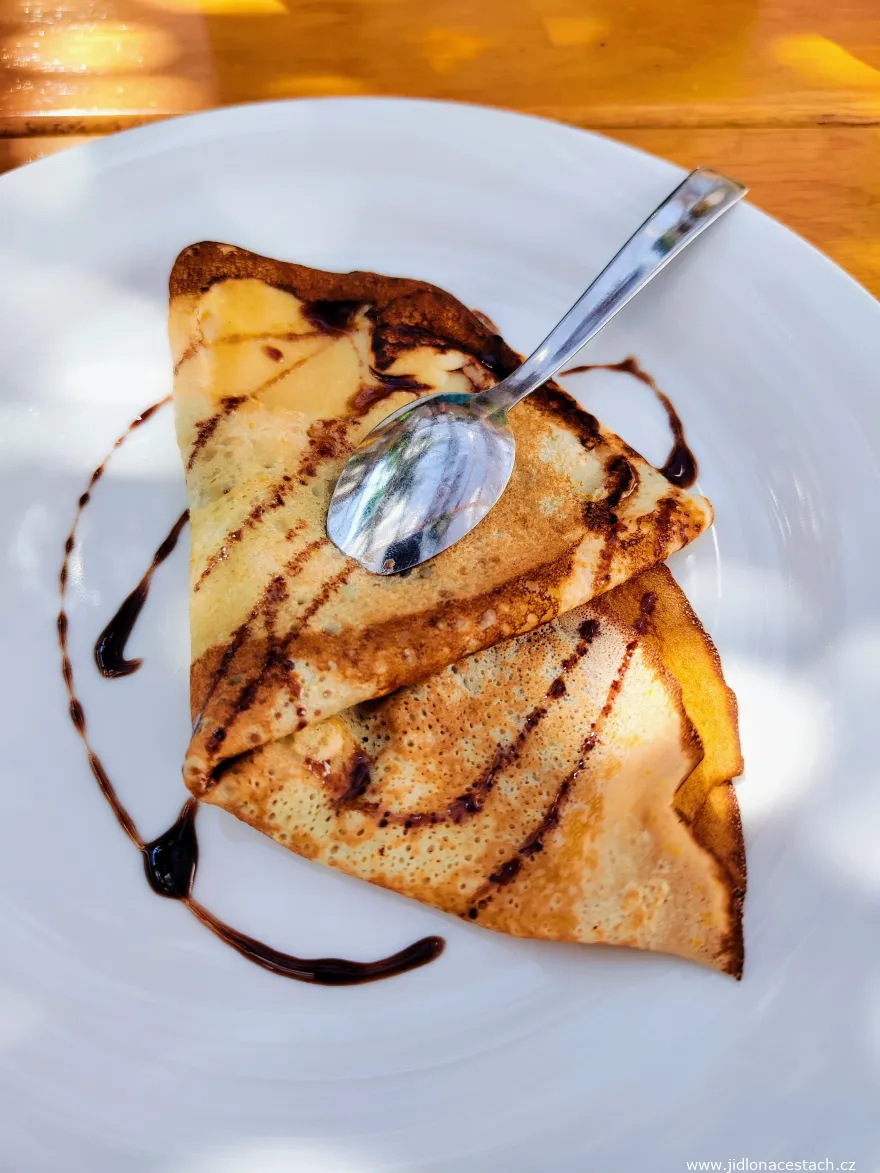
Mici were the very first thing I ate in Romania. In Iași (also spelled Iasi) I spotted them on the lunch menu at the Beraria Veche beer house (see Where to Eat in Iași) and I had made up my mind before I sat down. On the staff's recommendation they arrived with stoemp mashed potatoes with bacon, pickled beets with horseradish and mustard in a little bowl. The rolls came off the grill with a dark, crisp crust and stayed soft and juicy inside, the garlic and thyme were there from the first bite, the mustard added a kick and the tart beets with horseradish cut through the fat of the bacon in the mash. The whole lunch menu, chocolate crêpe for dessert included, cost 4.60 EUR and it was one of the best meals I ate in Iași. No country has ever won me over faster than Romania - and I had been in the country for all of two hours.