Lychee: The Tropical Fruit That Ripens for Christmas in Mauritius
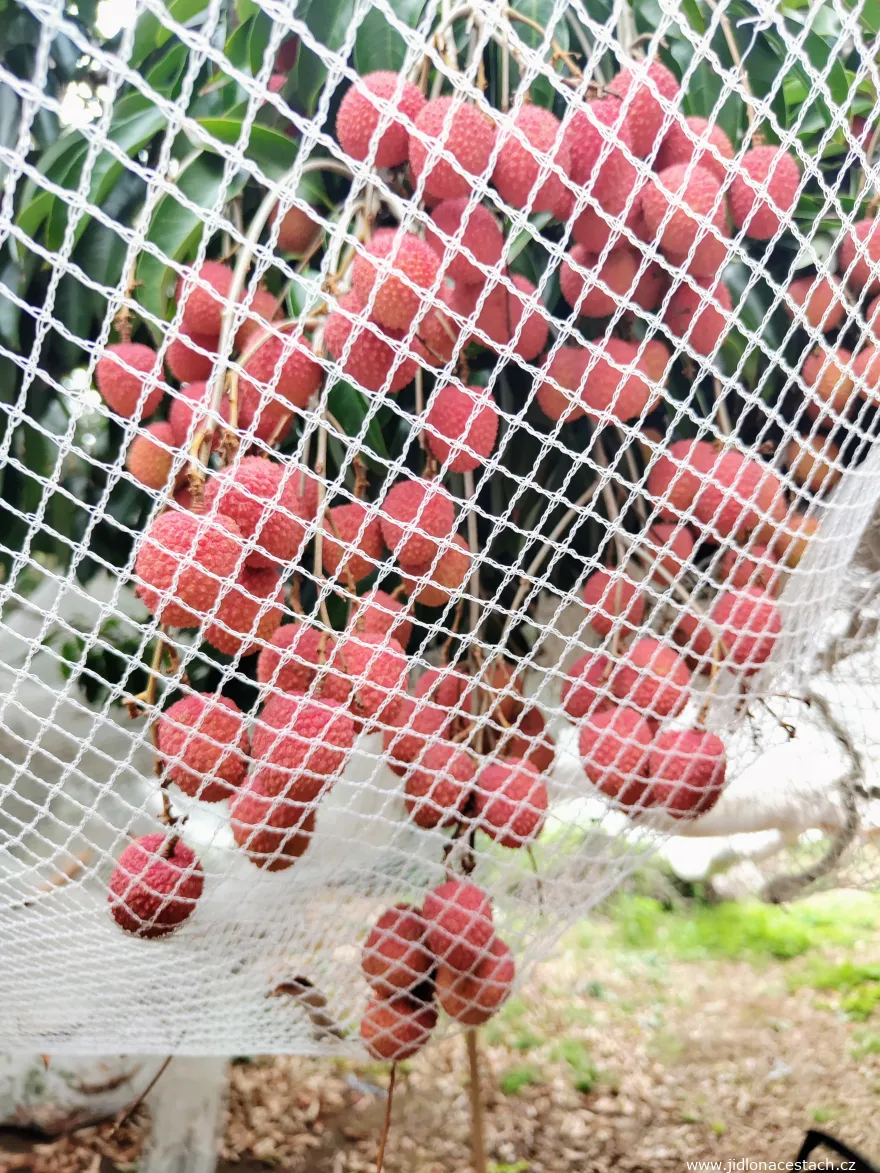
The farmer walked up to the tree with a pair of scissors, not a basket. The tree stood under a white net, the kind you'd hang over a bed, and when he reached a cluster he didn't pick the fruit - he snipped off the whole twig, leaves and all. In Mauritius, lychees are cut, not picked.
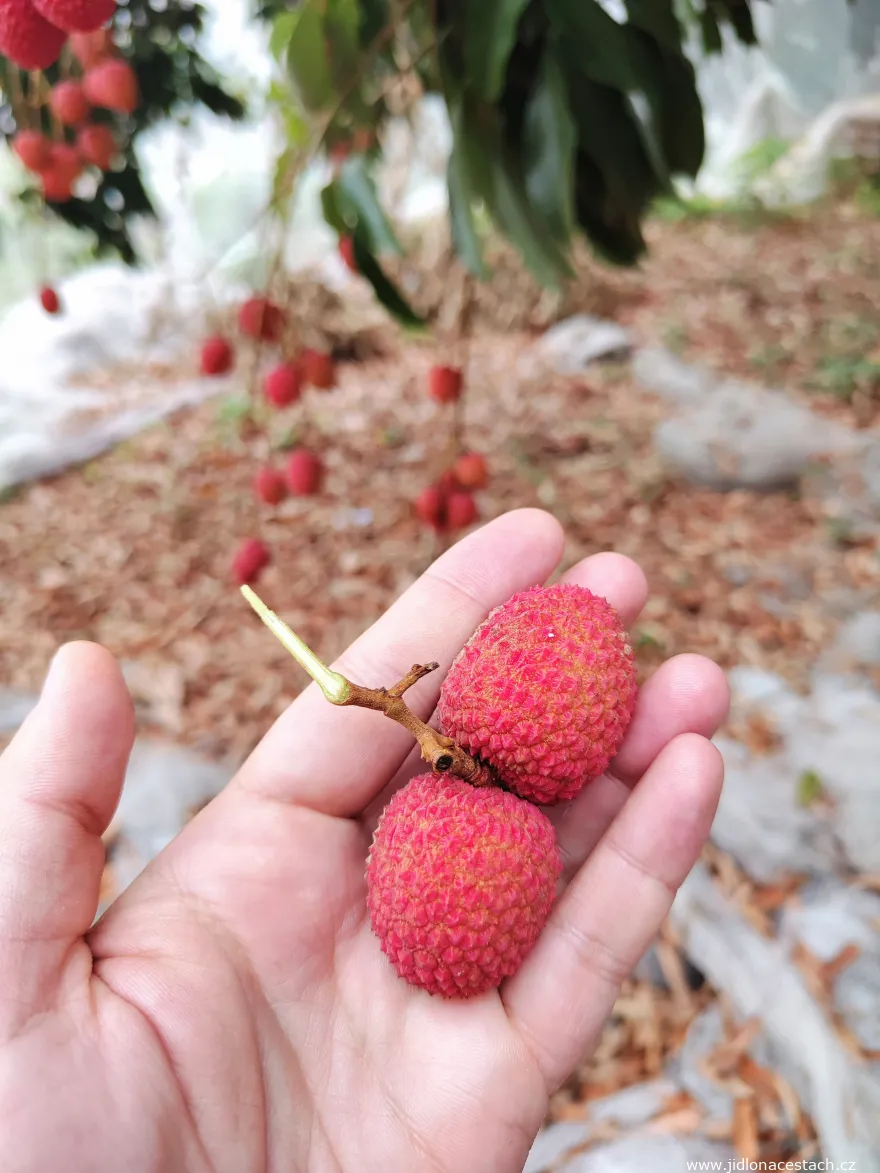
The lychee (Chinese: 荔枝, Creole: letchi) is the fruit of a Chinese tree that has made itself so at home in Mauritius that every December the island rearranges its roadside stalls and its Christmas table around it: under the bumpy red skin, which you don't eat, sits translucent white flesh around a single brown stone. Sweet, juicy, with a scent that soft drink makers have been trying to copy for decades and still haven't got right.
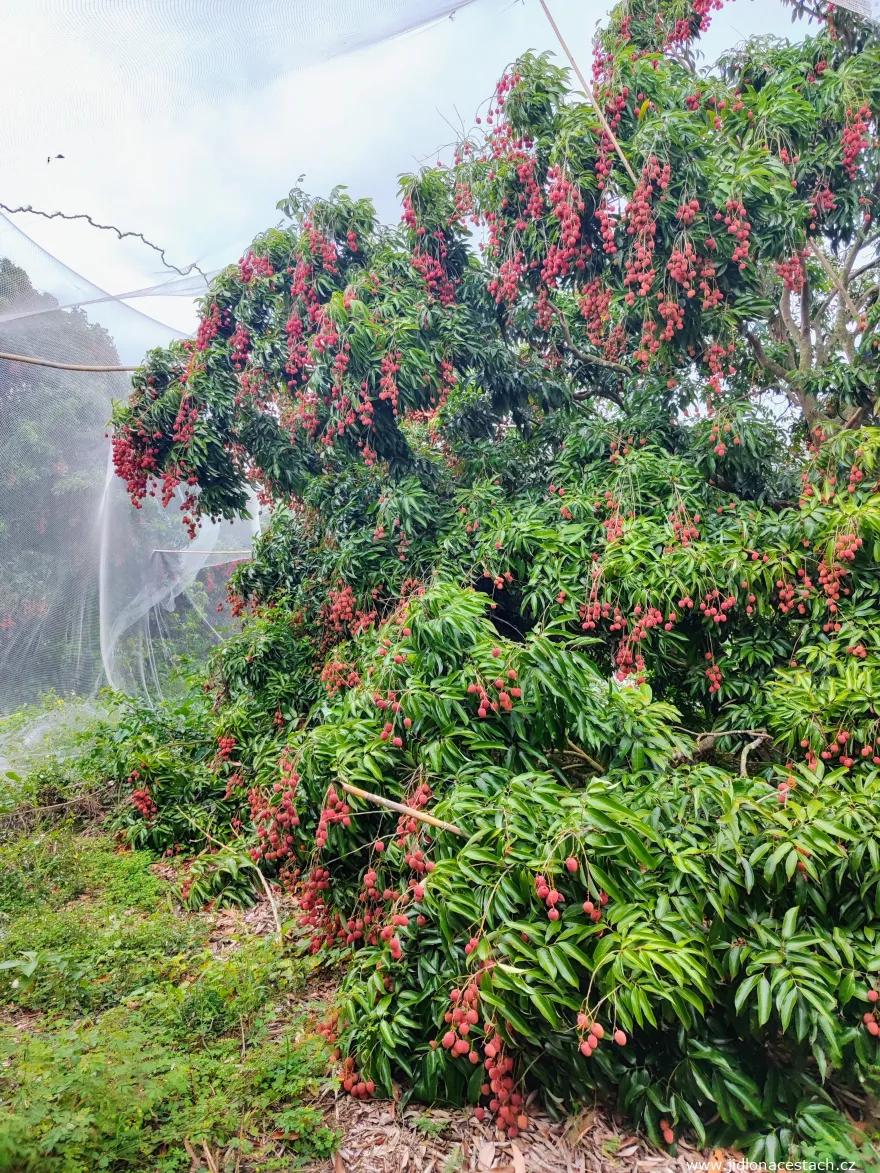
The Name That Explains Those Scissors
The word is Chinese and reached French through Portuguese travel writing as lechia; the meaning is more interesting than the route. One of the old Chinese readings takes li-zhi to mean "parted from the branch", and in the ninth century the poet Bai Juyi added that the fruit changes color within a day of being picked and its flavor within three. A note twelve hundred years old and a farmer with scissors are saying the same thing: a lychee doesn't ripen once it is picked, it only browns, and a twig with leaves on it buys a few extra days. That is why nobody in Mauritius sells them by the piece - they sell them by the cluster, and the skin is the one use-by date nobody can rewrite.
The lychee comes from southern China, which still grows most of the world's crop. In Mauritius the lychee is an imported fruit, shared with the Mascarenes and the wider region: Réunion and Madagascar got it at the same time and from the same people, so for once nobody here argues about whose it is. It has cousins in the soapberry family: the smooth brown longan, known as the dragon's eye, and the hairy rambutan, whose name is simply Malay for "hair".
Who Brought the Lychee to the Island and Who Ships Europe Its Christmas Fruit
It wasn't the Chinese who brought the lychee to Mauritius, obvious as that sounds: Chinese traders arrived on the island a hundred years after the tree did. It was the naturalist Charpentier de Cossigny who brought it here in 1764, as part of the acclimatization drive run by the intendant Pierre Poivre, who planted more than 650 new plant species on the island - the botanical garden at Pamplemousses in the north is his monument. The legend the lychee drags along with it from China is a thousand years older: the concubine Yang Guifei is said to have had fresh fruit brought up from the south to the capital by relays of riders, and the poets have never forgiven her for it. Historians still argue about which province those lychees came from, but they agreed on the sheer extravagance of it straight away.
The island exports hundreds of tons a year and eats the rest of the crop - thousands of tons - itself. The Christmas lychees on European shelves come from Madagascar, which holds about a third of world exports, and from Réunion; Mauritius keeps its own at home.

Nets Against the Flying Foxes and a Skin That Works as a Use-By Date
The net over the tree isn't there for hail. Birds love ripe lychees, and the Mauritian flying fox - the island's endemic fruit bat - loves them even more, which is why the fruit has pitted farmers against conservationists. To protect the mango and lychee crop, the government had more than thirty thousand flying foxes culled in 2015; conservationists objected that nobody had ever properly counted the population and that a well-strung net does the same job without any shooting. So a tree under a mosquito net is both a farming technique and a political statement. And then it has to sell fast: a day or two after the harvest the skin is still red, after that it starts to brown, and what is inside changes with it.
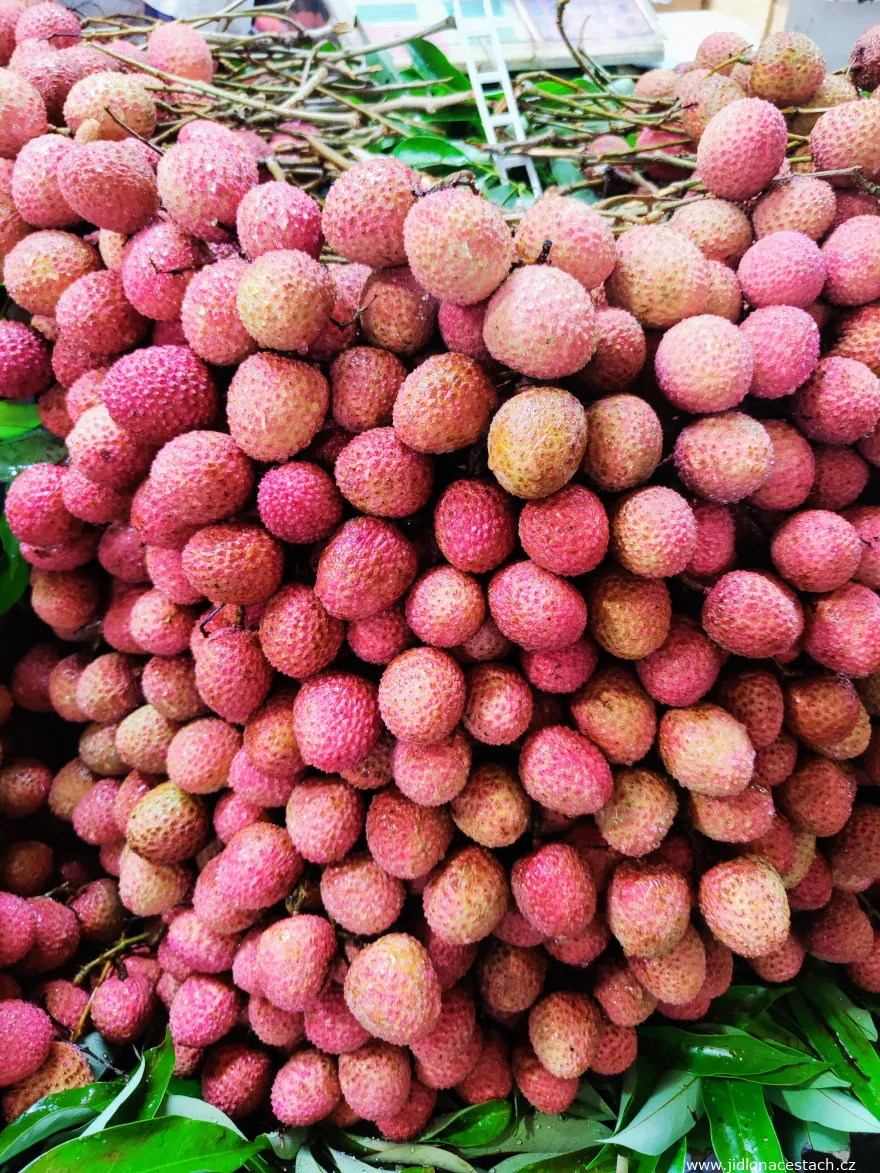
The season starts at the end of November and peaks in December, so lychees are as much a part of Christmas in Mauritius as Christmas cookies are back home in Czechia - except that you eat them outdoors, at the roadside, by the cluster. Stalls line the road in front of the orchards, the markets in Port Louis and Curepipe have them heaped on leaves, and they go into a mango salad without a second thought. You buy by the skin: deep red and springy means this morning, browning means last week, and the price drops with every kilometer you put between yourself and the tourist hotels. Anyone who grew up in Czechia knows lychees mainly from the bowl of syrup that every Chinese restaurant served for dessert in the nineties; that white ball was a lychee in about the way a canned peach is a peach.
Lychees Off the Tree and Lychees Out of a Crate
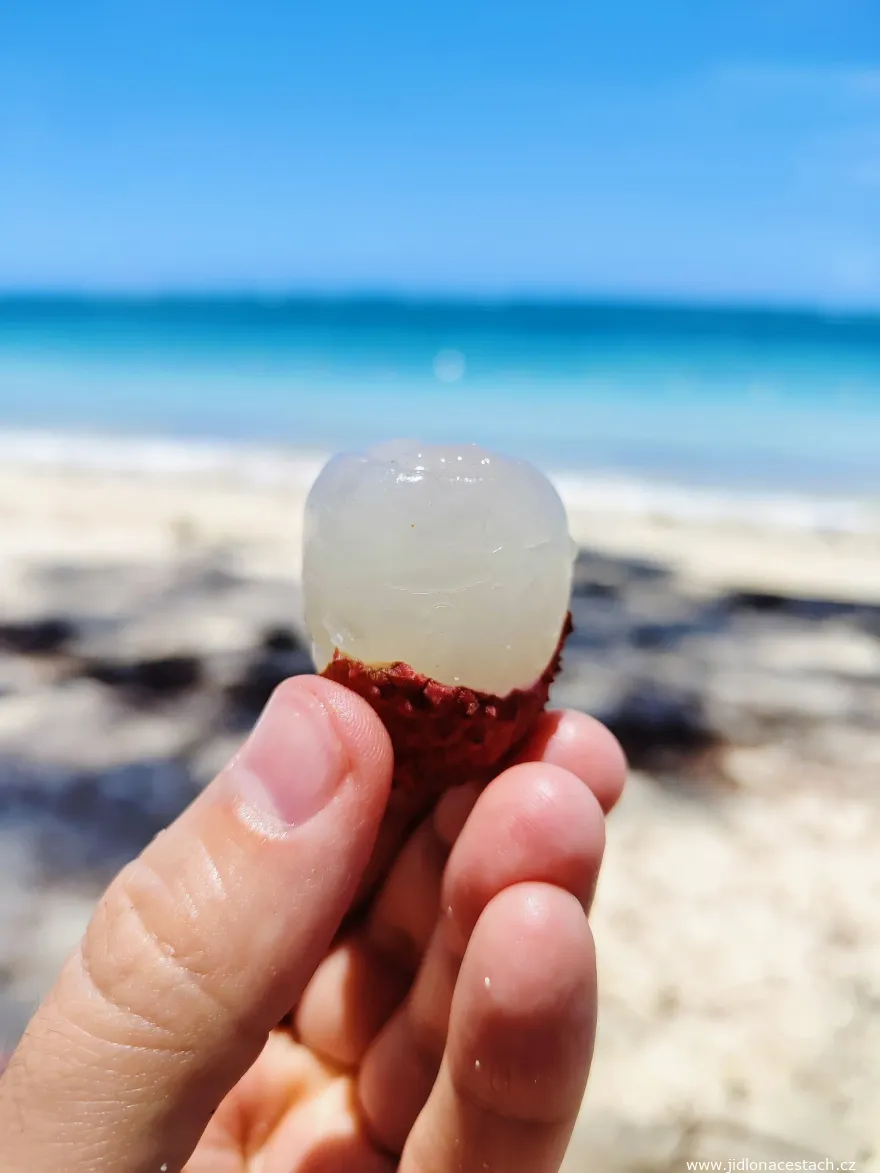
I arranged a visit with local farmers and got out to the orchard in the middle of the harvest, and it's the kind of work that makes you stop questioning the price: scissors, one cluster at a time, under the net. They put a fruit cut a minute earlier straight into my hand. The skin split under a fingernail in one go, the flesh was cooler than the air and crunched before it gave up its juice, and behind the sweetness there was a sour finish I had never tasted in a lychee before. Nothing that reaches Europe comes close. The lychees I bought a few days later already had a darker skin, softer flesh and a flatter flavor - still good lychees, just a few days further from the branch. A kilo costs 150-300 MUR (3-6 EUR); the further you get from the tourist routes, the closer to the bottom of that range. If you want to know what a lychee really tastes like, you have to get to it before the skin browns - and that is only possible where it grows.


