Satini Pomme d'Amour: Mauritian Tomato Chutney
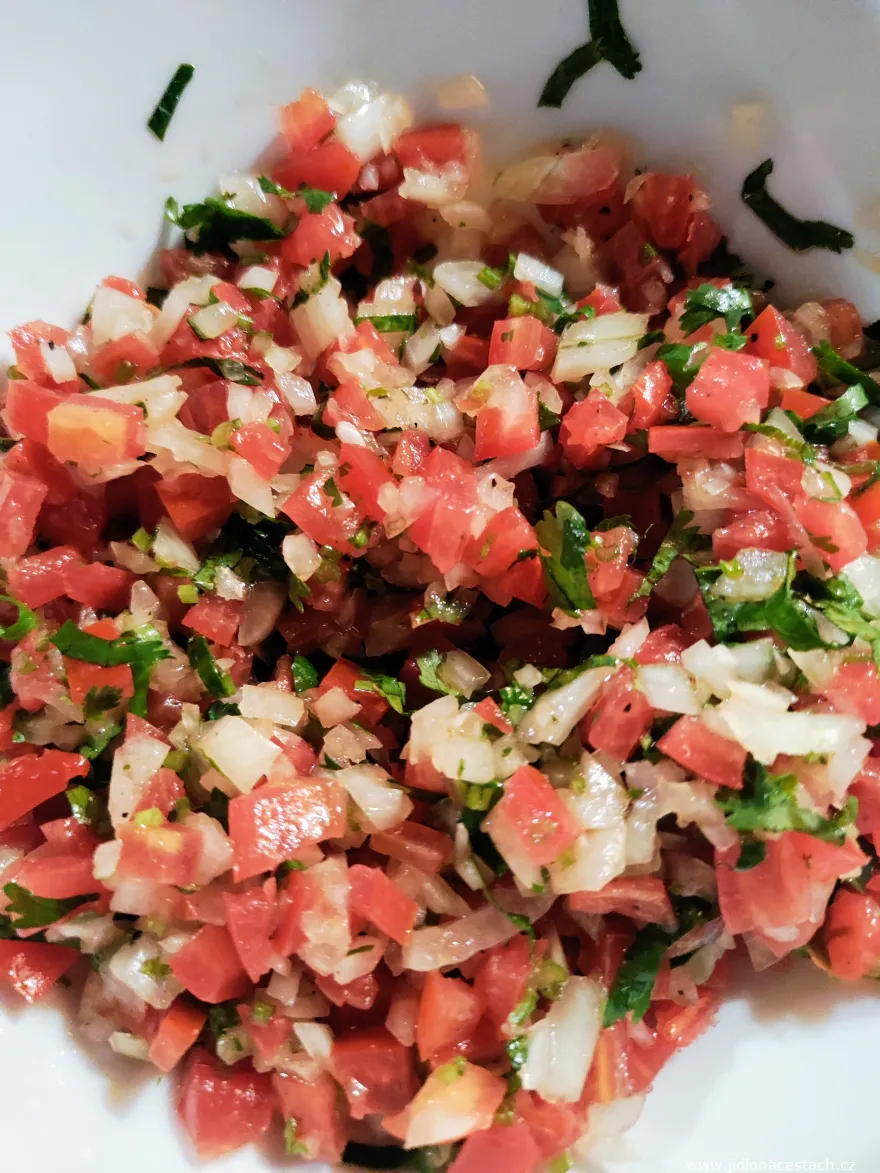
Satini pomme d'amour is Mauritian tomato chutney - a raw, fresh, finely chopped mix of tomato, onion, cilantro and chili that Mauritian cuisine puts next to almost every meal. There's no cooking and no preserving - all you need is a knife, a bowl and ten minutes. The name takes longer to say than the dish takes to make.
Why the Tomato Is Called a Love Apple
Pomme d'amour, literally love apple, isn't a Mauritian invention but a piece of old French frozen in time on the island. When the tomato reached Europe in the 16th century, the word tomate didn't exist yet - in Italy they called the newcomer a golden apple, and in France the love apple caught on. Tomate later pushed the old name out almost everywhere; it survived only in the south of France and in the colonies. In Mauritius the tomato is still pomme d'amour - a small island has held on to a piece of old French better than France itself, where the same phrase now means a candy apple from the fairground.
Chatni, Chatini, Chutney
The other half of the name came from the other side of the world. Satini is the Creole name for chutney - the British picked it up in India from the Hindi chatni and spelled it chutney, and Indian indentured laborers brought it to Mauritius in the 19th century along with the recipes; the local spelling wavers between satini and chatini. On the island satini is a whole family: satini cotomili with cilantro, satini brinzel with eggplant, satini coco with coconut.
What Goes into Satini and What It Comes With
The recipe is short and uncompromising: ripe tomatoes, onion, fresh cilantro, salt, oil - plus chili and garlic, without which nobody in Mauritius would call it satini. Everything is raw and cut fine - it looks a lot like the tomato and onion salad we make back home in Czechia, only chopped so small that you can scoop it up with a flatbread. It goes with everything the island eats: with roti, with dholl puri, with briani and with gâteaux piments, which Mauritians also turn into a salad of their own. One rule holds, though: you don't make satini to keep. Tomatoes release water, so you mix it fresh right before the meal - and whatever you don't finish doesn't get kept for later.
One Bowl Beside the Other
My first satini came as a side dish in Mauritius - next to it stood another bowl, a sweet salad of mango and lychee, and I kept tasting from both, a spoonful from one, a spoonful from the other. The tomatoes cooled things down, the onion stung my nose and the chili only stepped in once I stopped paying attention; that's how I remember the taste, even if I wouldn't swear to the exact order. Ever since, I've thought of satini mainly as a counterweight: a cold, sour, fiery bowl next to rich, heavily spiced food. For a dish that has spent its whole life as a side, an article of its own is a decent career.


