Tekwa: A Sweet Mauritian Pocket of Yellow Split Peas
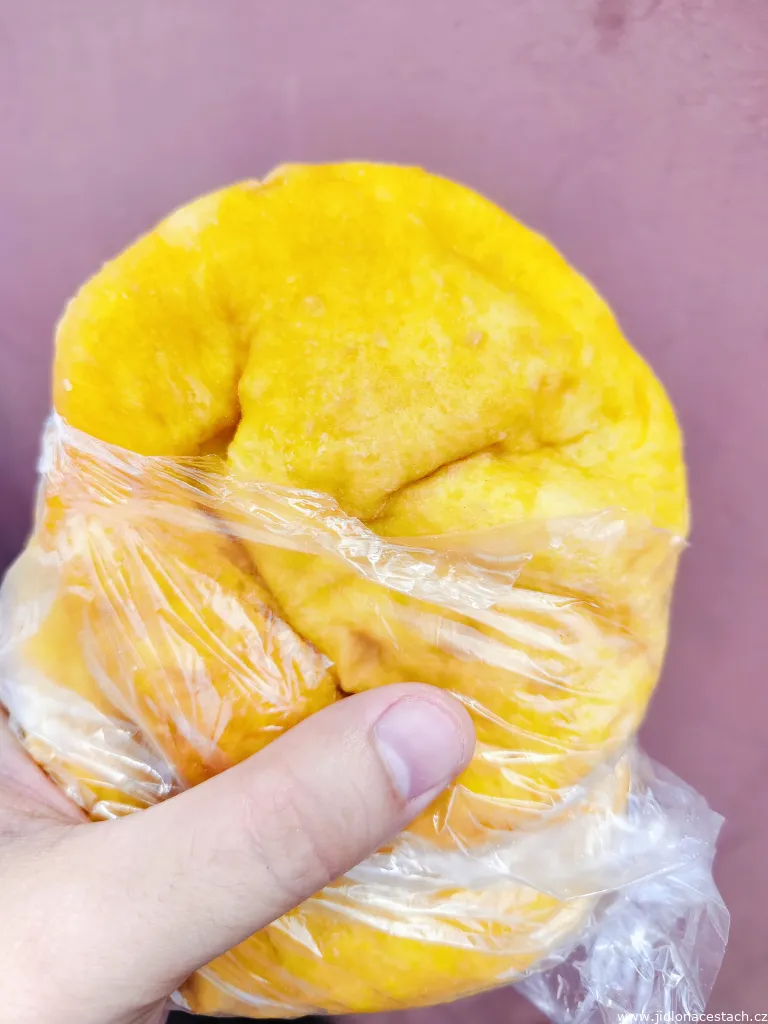
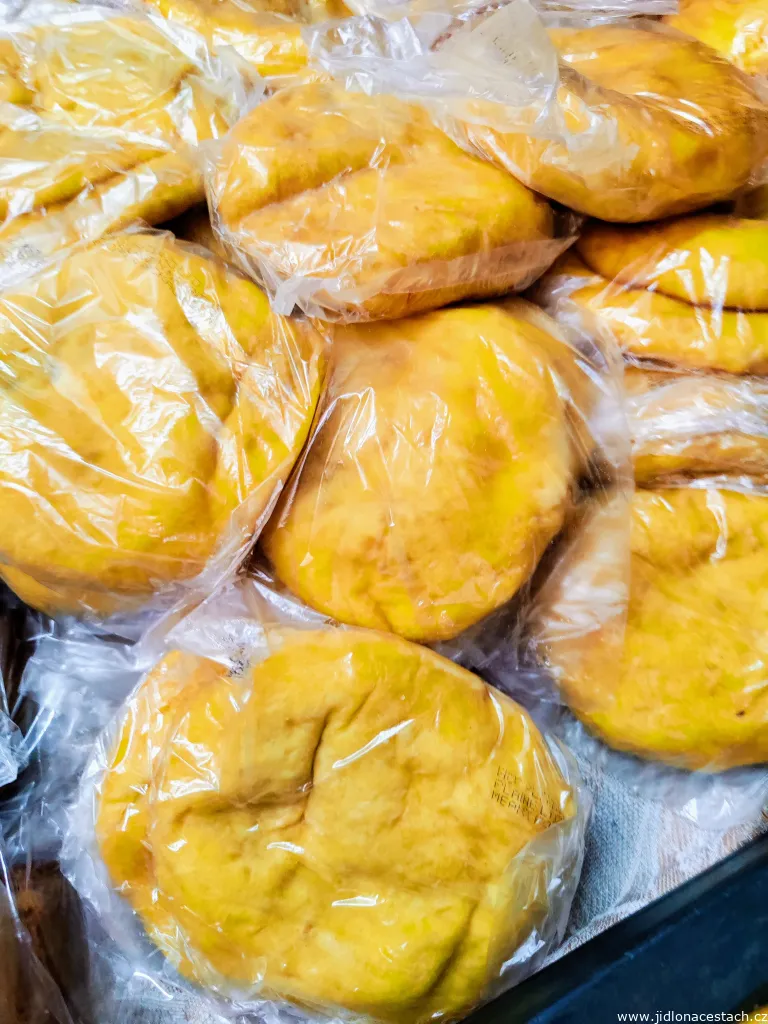
I bought it without knowing what it was. There was a pile of golden patties on the market stall, each one bagged separately, still warm, and I only found out what was inside with the first bite. Blind buys like that work out about half the time. This one worked out perfectly.
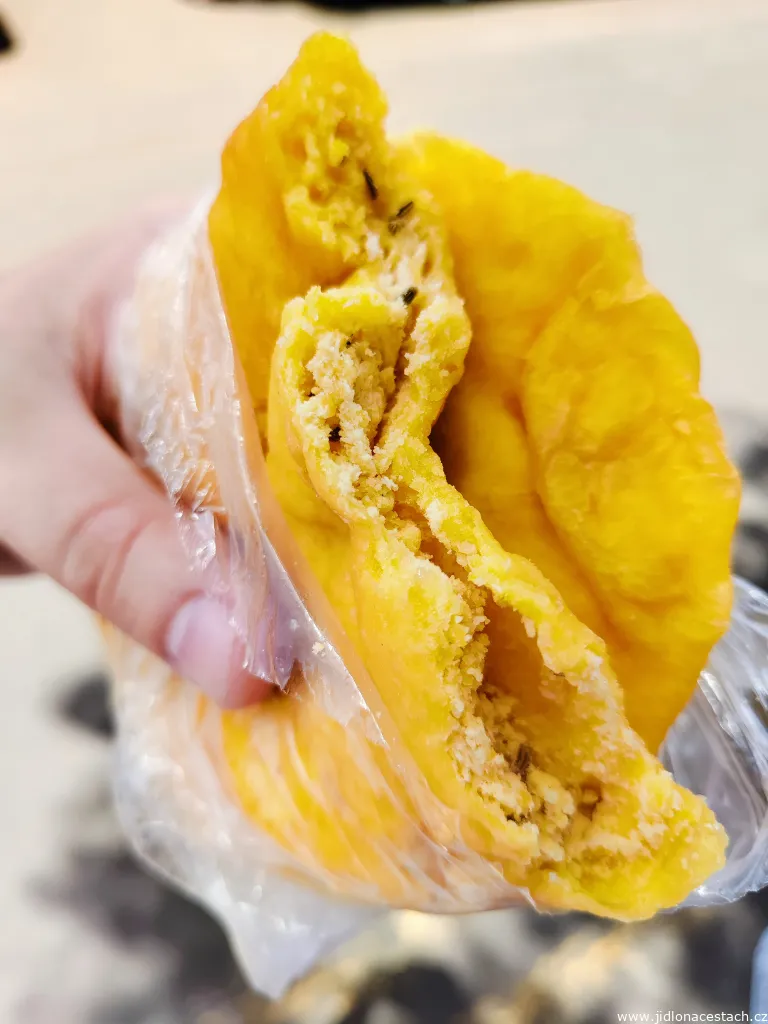
Tekwa is a fried pocket of thin dough filled with a sweet, crumbly mixture of cooked and ground yellow split peas, sugar and fennel - Mauritian cooking serves it warm, in your hand, as a snack with tea. Peas and sugar in one sentence sound like a typo. They aren't.
Where Tekwa Got Its Name and Why India Doesn't Fill It
The name arrived with the people. After 1834, planters in Mauritius hired laborers from India, a large share of them from Bihar, and they brought thekua with them: a harder sweet cookie of flour, ghee and cane sugar, pressed in a wooden mold, tied to the festival of the sun god. The word comes from a verb meaning to strike or to stamp. On the island only the name survived: Mauritian tekwa is never stamped in a mold, but it did gain a filling its Bihari original never had. It's a national dish, not a shared one - nobody sells it under that name on neighboring Réunion or in the Seychelles, where Indian migration left no such trace. Tekwa's cousins are on the subcontinent instead: Indian puran poli fills a griddle-baked flatbread with sweet dal, and matar kachori is a fried pocket with peas, only savory and spiced. And on Mauritius itself it shares the yellow split peas with the savory fried balls of gâteau piment, which are made entirely of pea paste, and with dholl puri, which comes up next.
A Story About Oil: How Dholl Puri Came Out of Tekwa
Dholl puri is the dish Mauritius shows the world as its own. Hardly any tourist has heard of tekwa. Yet according to a story told by a Mauritian website about the history of dholl puri, the order is the other way around: dholl puri supposedly came about in the early twentieth century as a thrifty tekwa - same dough, same peas, just without the frying, because a griddle saves you the oil. The story even names the inventor, but nobody has ever cited a primary source for it, so I'll leave it here as a story. The rest is straightforward: sweet fried pastries made from pulses came with the Indian laborers, and on the island tekwa grew out of them into what it is today. If the story were true, the national dish of Mauritius would be nothing but a cheaper version of a dish that isn't national at all. History does that more often than it cares to admit.
Peas, Sugar and Fennel: What's Inside and When You Eat It
Yellow split peas are the star. They're cooked soft, ground almost to a powder and sweetened; fennel seed goes into the crumbly filling, and often grated coconut too. The dough is wheat flour, mixed in some families with the water the peas cooked in, in others with butter and milk powder, and it fries fast, so it stays thin and doesn't soak up the fat. Two Mauritian websites give two recipes that agree on none of it - not the fennel, not the coconut, not the butter - the only thing they agree on is that the result is tekwa. For anyone who grew up in Czechia there's just one way to put it: it's the pea mash from school dinners, only sweet, dry and hidden inside a doughnut. If you ate that mash as a kid with fried onion on top, your brain needs a moment before it will let the stuff taste like dessert.
Tekwa is afternoon tea food. Mauritian households fry it for the goûter, and at the Quatre Bornes market it was on the stall by mid-morning, warm, every piece in its own bag that doubles as a napkin. You eat it out of your hand, no cutlery, no sauce, and it's at its best while it's still warm. If you can't find it at the market by name, look for the bags: golden patties wrapped one by one. At Diwali its festive cousin tekwa patat turns up, with a sweet potato dough and a coconut filling.
A Bag Bought Blind in Quatre Bornes
I bought my tekwa at the Quatre Bornes market, in the morning, at a stall with dozens of bagged pieces lined up side by side. The dough was thin and soft, barely greasy at all, the filling loose and fluffy, just sweet enough, and the fennel brought in a light aniseed note that suits peas better than I'd have guessed. Two pieces cost 25 MUR (0.50 EUR). On Mauritius I tasted plenty of dishes I knew something about in advance. The most interesting new flavor of the whole trip was the one I knew nothing about. I'd happily eat it back home in Czechia too.


