Soldiers' Cookies: Bulgarian Homemade Cookies from Army Care Packages
Picture the package first. Brown paper, string, a barracks address written by hand, and inside a tin of cookies that had to survive a trip across half the country - back when every Bulgarian boy did his military service, a parcel like that could spend days on the road. The name promises the army. What's inside comes straight from mom.
Soldiers' cookies (Bulgarian: войнишка курабия) are plain homemade cookies of Bulgarian cuisine made from eggs, sugar, soured milk and flour, firm and crunchy, and they never came out of an army storeroom - they came from home. The soldier in the name is only the addressee.
One Cookie, Three Names
The very same cookie goes by a different name in Bulgaria depending on who's holding it. When grandma bakes them, they're babini kurabii, grandmothers' cookies. When the point is the coarse sugar sprinkled on top, they're zaharinki, the sugary ones - on Bulgarian recipe sites that's by far the most common of the three names, and it's used interchangeably with the other two. And when you box them up and send them off to the barracks, they turn into voynishka kurabiya. The adjective says nothing about the dough, only about who the package was meant for - and that's the whole etymology this cookie needs. The word kurabiya itself arrived with Ottoman cooking from the Turkish kurabiye and scattered across the entire former Ottoman Balkans: Turkish cuisine bakes kurabiye in dozens of shapes, Greece has kourabiedes buried in powdered sugar, and Bulgarian bakeries sell buttery kurabiiki made with egg yolks, their richer cousins, right alongside the soldiers' cookies.
It's Not a Military Suchar
Guidebooks used to claim this is an old recipe from military stores, one that goes back to wars and shortages. Bulgarian cooking sites say nothing of the sort. All they describe is the recent past, the years of compulsory service, when mothers baked their sons something that would survive days in the mail. So the keeping quality isn't a military spec but a postal one: the cookie had to last the journey of a parcel, not a campaign. Real army provisions go by a different name in Bulgarian, suchar, and that's twice-baked bread of plain flour, no fat, no sugar and no flavor, built to last for months. The soldier's cookie is the exact opposite: full of eggs and sugar, built to last a week in a tin. No source dates the nickname; it rests less on a year than on the shared experience of the generations who either sent that package or waited for it.
What Holds the Dough Together, and What to Ask For
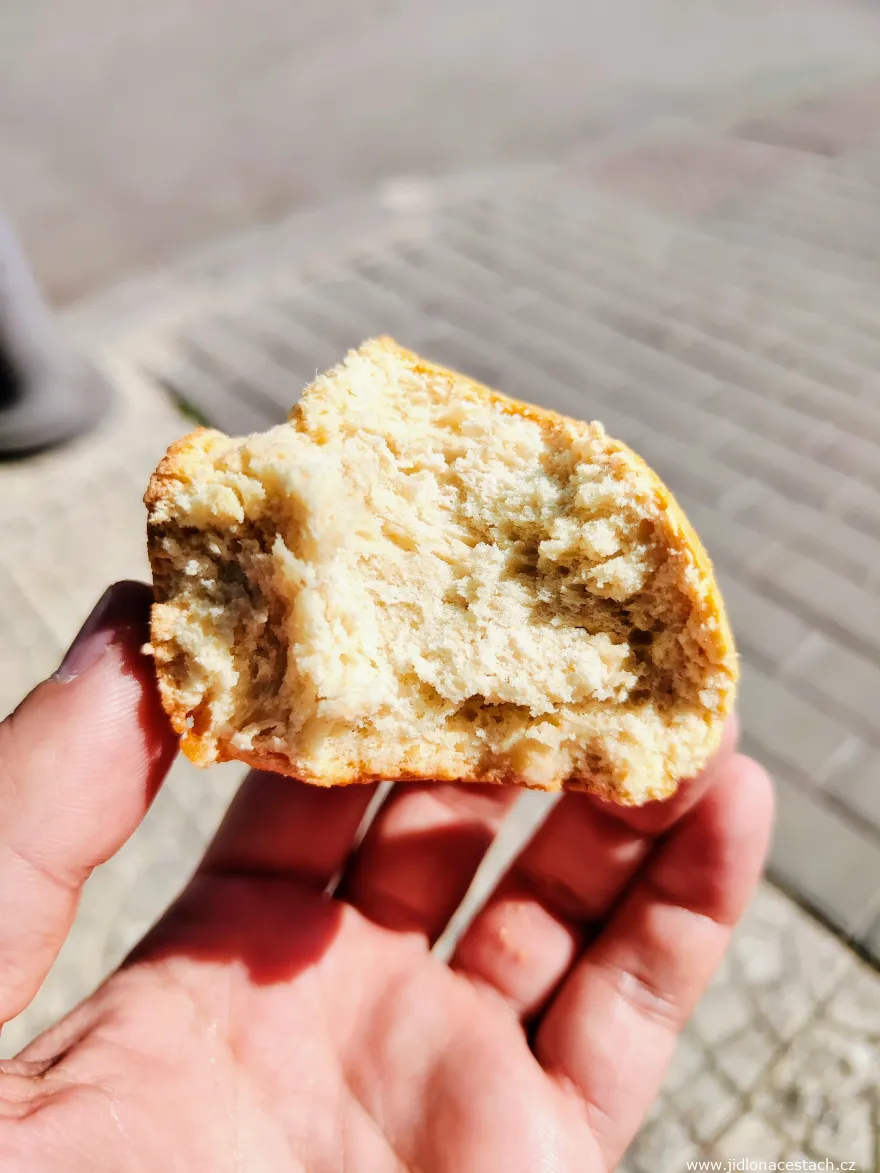
The secret to that firmness isn't some masterful technique, it's the ratio: three or four eggs and a cup of sugar take more than half a kilo of flour, so before baking the dough is dense enough that you roll the balls by hand like modeling clay. The fat comes from oil, or lard in older versions, the tang from kiselo mlyako, Bulgarian yogurt, and it takes two leaveners at once to lift all of it: baking soda and baker's ammonia, the one that reeks of ammonia in the oven for a while and then vanishes. It's the ammonia that turns heavy dough into a fluffy crumb inside and a dry, crisp crust on top, brushed with egg and sprinkled with sugar, sometimes with ground nuts as well. And one practical tip for when you're at the bakery: if you ask for soldiers' cookies and get a blank look, try "babini" - it's the same cookie, just one generation more civilian.
One Cookie from the Bakery by the Markets
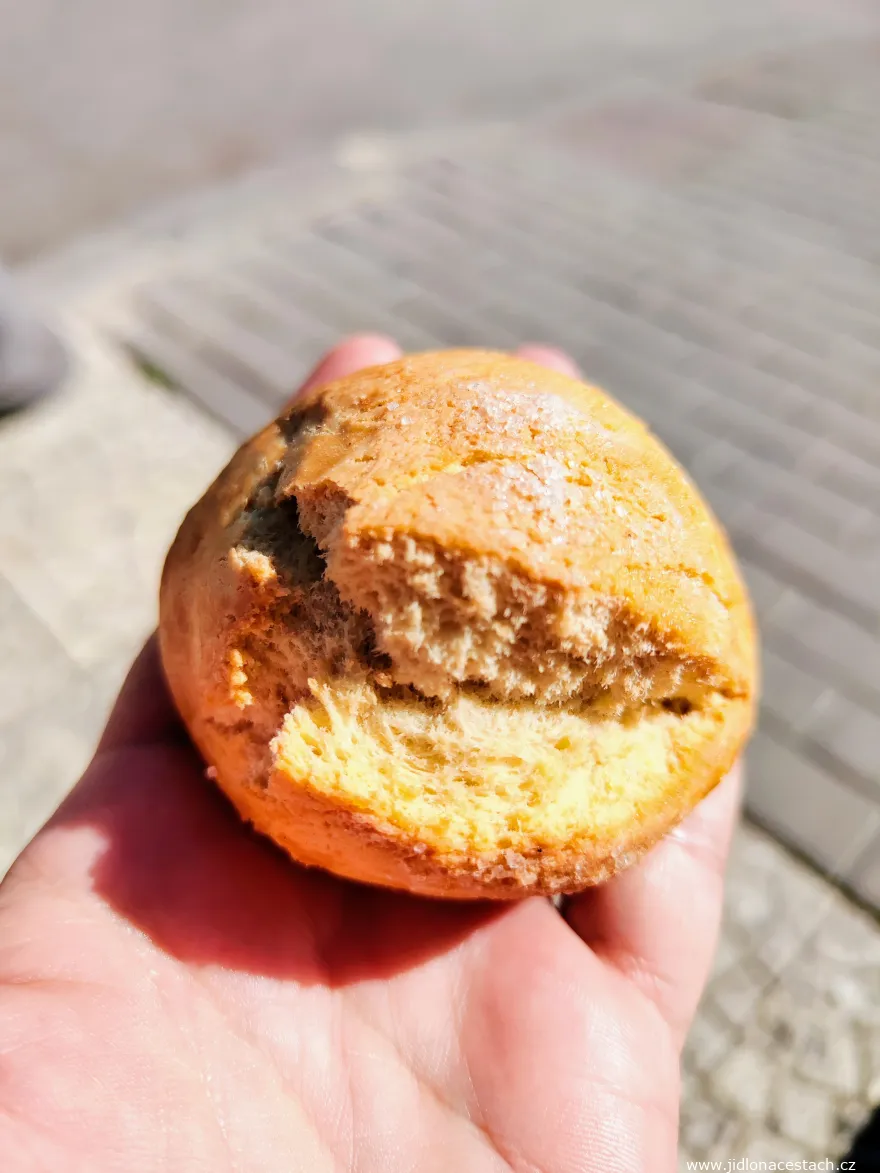
I bought mine in Varna, at a bakery near the central farmers' market, out of the same case that held the kurabiiki, and ate it right there on the sidewalk, out of hand. The cookie was dense and crunchy, just as everyone says, the crust sweeter from the topping than from the dough, and the inside dry and porous. One cost about 0.50 BGN (0.20 EUR). Whether they'd survive days in the mail, I couldn't tell you. Mine didn't make it to the end of the block.


