What to Eat in Skopje
Skopje (Macedonian Скопје) is the capital and largest city of North Macedonia, spread across both banks of the Vardar. For food, tourists head to the Old Čaršija - the Ottoman bazaar on the left bank, where the kebapčilnici, the local grill shops, send the smell of charcoal down the lanes and down a side alley you'll find Turkish coffee from a cezve. The people of Skopje, though, eat somewhere else: in Debar Maalo, a quarter of restaurants and cafés on the right bank that the guidebooks barely mention. I rented an apartment right there, and that is where I ate most of the time.
There are few dishes that belong to Skopje alone, though; the capital brings together the cooking of the whole country in one place.

Debar Maalo: The Quarter Where Skopje Goes to Eat
Debar Maalo (Дебар Маало) lies in the center on the right bank of the Vardar, a short walk from the City Park, and it is named after the settlers from the Debar region, who built the first houses here after 1920 (maalo comes from the Turkish mahalle, a city quarter). Today it is a quarter of gostilnici - Balkan taverns with home cooking - cafés and bars; its pedestrianized Bohemian Street draws comparisons with Belgrade's Skadarlija, and it is also home to Idadija, by local reckoning the oldest restaurant still running in the country, open since 1928. If you want to eat where the people of Skopje eat and not among tourists, look for a place to stay - or at least somewhere to have dinner - right here - the guidebooks tell you almost nothing about Debar Maalo, and yet it is the culinary heart of the city. Three addresses stand out: Skopski Merak, which has cooked traditional Macedonian food in a wood-fired oven since 1991 and has live music every evening, Čardak on Bohemian Street, carrying on from a restaurant that opened in 1963, and the Kamin Čamo gostilnica, which grew from a small bistro into one of the best-known taverns in Skopje.
If you're a light sleeper, don't pick a room right above a restaurant with music or above a bar the way I did - in the end, earplugs took care of the noise outside and I slept fine. As a base for eating, though, it was perfect: all the places I kept going back to were under a five-minute walk away. The Old Čaršija is lovely and worth a visit, just be aware that it's a tourist spot; Debar Maalo is where Skopje itself goes for dinner.

What to Eat in Skopje
Kebapi, tavče gravče, teleški džiger and burek are all excellent Macedonian, or simply Balkan, food, but they are not a regional specialty of Skopje; they belong on the list for the whole country, not here. What I've listed here is only what's genuinely tied to the city.
- Skopsko. The best-known Macedonian beer carries the name of the city and has been brewed here since 1924 - the Pivara Skopje brewery was founded in 1922 by two Czechs, the engineer Viktor Cajz and the banker Karel Husnik, and the first batch followed a Czech recipe. Have it on tap in any gostilnica in Debar Maalo; I drank mine at Nadžak and had no complaints.
- Simit pogača. The one dish made and sold almost exclusively in Skopje: a sandwich of a small bread roll (lepče) with an unfilled pita tucked inside - burek without a filling, really - eaten warm, straight from your hand, with yogurt, either early in the morning or late at night, when the bakeries make it. Despite the Turkish name, it is almost unknown in Turkey; people from Skopje who moved to Istanbul sell it there as "the Skopje one". The oldest place to get it is the bakery by Bit pazar on the edge of the Old Čaršija. I never made it there, and I regret it - it is number one on the list for next time.
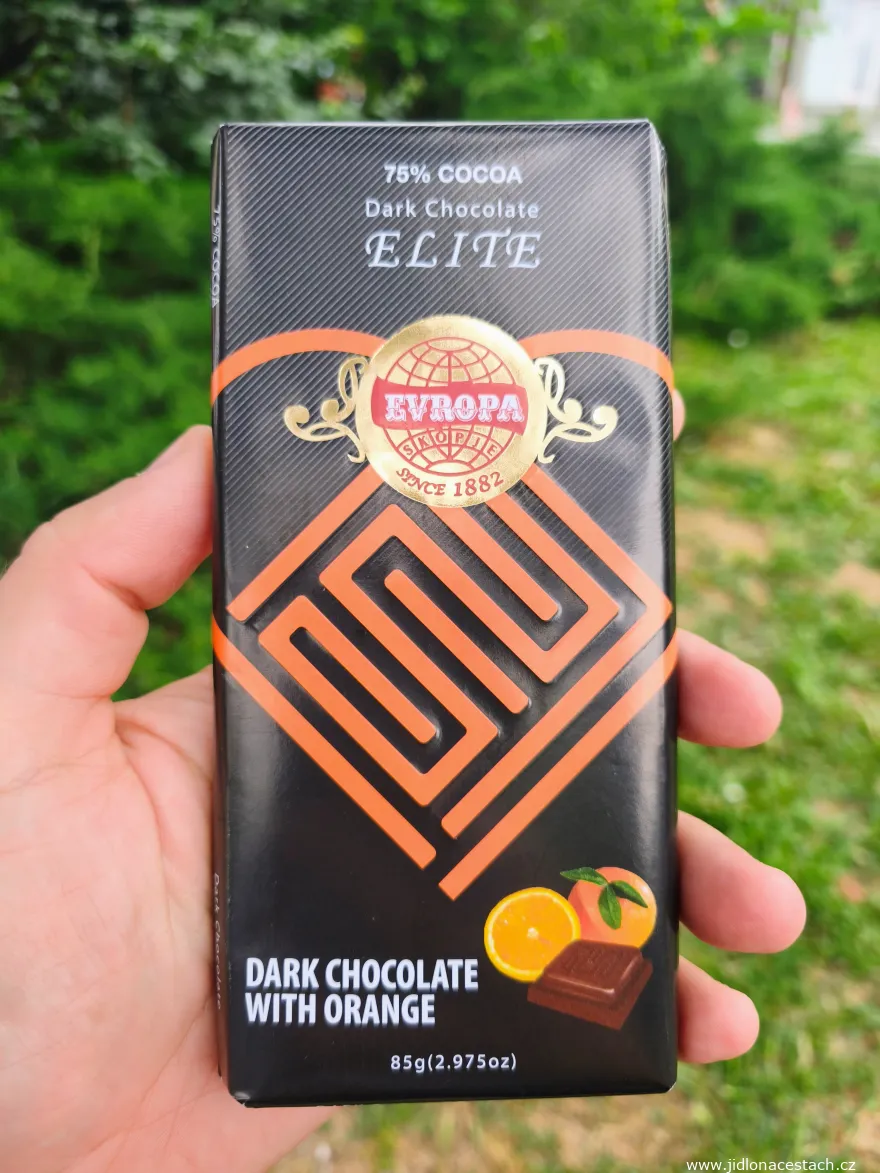
- Evropa chocolate. The oldest confectionery factory in the Balkans started in Skopje in 1882 as a shop selling sugar and lokum; today it makes chocolate, wafers and sweets. I brought home its dark bars with orange and with pistachio and raspberry, and I'd definitely recommend stopping by one of its factory shops - more on that in What to Bring Back from North Macedonia.
- … and, if you like, another 46 Macedonian dishes from the list: What to Eat in North Macedonia.

Where to Eat in Skopje
- Gostilnica Nadžak. A grill tavern on Orce Nikolov, the main artery of Debar Maalo, where we ate more often than anywhere else in Skopje and which has been at it here for years: grilled veal liver with a generous helping of garlic, šarska pleskavica, a ten-piece order of kebapi with lepinja, a bowl of pindžur and ajvar alongside the meat, and Skopsko on tap to go with it. If you are looking for one place you can keep coming back to, here it is. We once got in just before a storm broke and watched the rain come down over full plates.
- Dukat. A restaurant on Teodosij Gologanov at the edge of Debar Maalo, where we went for our last big meal before flying home, because it has both Macedonian clay-baked dishes on one menu - turli tava and selsko meso. As a side, order the makedonska salata of cold roasted peppers and the prženi tikvički with garlicky makalo - I liked them far more than fries. Be warned that it's on the pricier side.
- Silbo. A well-known bakery on Majakovski in Debar Maalo that never closes, where people come for burek - and, if you're curious, add a kroasan so kaškaval, a croissant under so much grated cheese that you can barely see the pastry. Very unusual, but together with burek an interesting breakfast; something sour on the side definitely helps.
- La Delicious. A bakery on the main street of Debar Maalo that I picked mainly because it was open on Sunday, and in the end we came back on the following mornings too: the lisnato with sour cherry and vanilla was crisp and they didn't skimp on the filling, and the banička with cheese, and the one with cheese and leek, was excellent. The first time they handed it to us whole, wrapped in paper, the second time already cut up on a plate - if you want to eat in, ask for a plate straight away.
- Gustoso Shtipska Pastrmajlija. A celebrated bistro serving Štip-style pastrmajlija in the Karpoš district, where a friend and I turned up by taxi straight from the airport. When they ask you whether you want the regular or the small one, be warned that the two of us barely finished the regular - I don't think one person can eat it.
- The Old Čaršija. The Ottoman bazaar on the left bank is a tourist spot and you have to take it as one - people come here mainly for the atmosphere: the lanes, the mosques, the teahouses, Turkish coffee from a cezve and the kebapčilnici, the oldest of which, Destan, has been grilling since 1913. Even so, I had my best Macedonian lunch right here, kebapi laid on tavče gravče. For something sweet, stop at the Rigara pastry shop, the oldest in the Čaršija, where they say that if you haven't tried a padobranec here, you might as well not have been to the Čaršija at all; I bought a couple to take away just for a taste after a big lunch, and those delicate walnut meringues sandwiched together with a layer of cream were worth it. The other thing to pick up here is oreovki (labeled орасници): little walnut horseshoes made from a dough with no flour in it.
- Zelen pazar. The food market on Kočo Racin Boulevard where the city does its shopping: pink tomatoes, cherries, herbs laid out on cardboard by the entrance, kajmak, baklava by weight and clay tavas for tavče gravče. It is not a restaurant, but markets are my favorite place in any city. The vendors here are happy to pose for photos.
A bonus tip for anyone who has read this far: an open-air teahouse under tall old trees on the way down from the Mustafa Pasha Mosque and the Kale Fortress. I'm not even sure it has a proper building at all - you will know it by the old men who sit in the shade over Turkish tea or Turkish coffee and play dominoes. Come here to rest after the sightseeing: the tea costs next to nothing, the coffee only a touch more, and in good weather it is, for me, a place with an unbelievable atmosphere - mostly because of the people. Of all my stops in Skopje, this may be the one I enjoyed most.

Enjoy eating your way around Skopje!



Zelen Pazar: Skopje's Market for an Ordinary Day
Zelen pazar is where Skopje shops for an ordinary day: the market on Kočo Racin Boulevard feeds the neighborhoods around the center and only sees the occasional tourist. Under the roofs they sell vegetables, fruit, kajmak, beans and sweets by weight, and on the sidewalk around them sit the herb sellers with mountain tea and elderflower laid out on cardboard. The name simply means green market. You find the same kind of market all over the Balkans.

Macedonian Beer: Skopsko and Zlaten Dab in a Land of Wine and Rakija
In practice, Macedonian beer means two brands: Skopsko from the capital and Zlaten Dab from Prilep, pale lagers at around 4.5% ABV. Skopsko holds two thirds of the market; the company that brews it was founded by Czechs in 1922 and now belongs to Heineken and Coca-Cola. Statistics say beer is actually the number one alcoholic drink in this land of wine and rakija.