What to Eat in Mauritius: Typical Mauritian Food and Specialties | Page 4 of 5

Rhumerie de Chamarel: A Distillery Tour and Rum Tasting in Mauritius
Rhumerie de Chamarel is a family distillery in the mountains of southwestern Mauritius that distills rum solely from the fresh juice of its own sugarcane. Visitors get to see the whole process, from the mill through the copper stills to the barrels, and the tour ends with a tasting. This article explains who Chamarel is named after, why the distillery is so young, and how the tour and the tasting work.

Canne à Sucre: A Mauritian Family Feast in Flic en Flac
Canne à Sucre Chez May is a small family restaurant in Flic en Flac, Mauritius, where the owner cooks one single menu in her own house. The feast opens with calamari, moves on to chicken curry with eleven bowls of sides and ends with grilled banana in rum, a Ti Punch and homemade pineapple rum. You book over WhatsApp several days ahead.

Sugarcane Juice: A Fresh Drink from the Markets of Mauritius
Sugarcane covers most of the farmland in Mauritius, and the juice pressed fresh from it is as much a part of the markets as the spices are. Yet a cup of ju kann over ice surprises you with how little it tastes of sugar - and how quickly it's gone. I drank one at the Central Market in Port Louis, and I'll throw in what this grass has in common with rum and with the electricity in the island's sockets.

Alouda: The Mauritian Milk Drink with Basil Seeds
Alouda is a thick Mauritian drink made of milk, syrup, basil seeds and grated agar jelly, usually with a scoop of ice cream. It's an offspring of the Indian falooda that lost its noodles and a letter of its name on the way across the ocean. I drank it at the source - at the Alouda Pillay stall in the Central Market in Port Louis, where they've been selling it since the 1930s.

Central Market in Port Louis: The Bazaar of the Mauritian Capital
The covered market in the center of Port Louis has been selling fruit, vegetables, spices and fish since 1845 - its ornate cast-iron gates sailed in from Glasgow. The main hall smells of herbs and masala, the side halls belong to meat and fish, and a separate building houses small bistros serving alouda. Saturday is the busiest day, and you only haggle upstairs among the souvenirs.

Victoria Station Market: Street Food in the New Port Louis Terminal
The Victoria Station Market is a market hall inside the Victoria Urban Terminal, a transport hub in the center of Port Louis with buses to the south and west of Mauritius and the Metro Express to Quatre Bornes and Curepipe. Under the same roof as the station you'll find fruit stalls, windows serving dholl puri, roti and gâteaux piments for the road, and a supermarket.
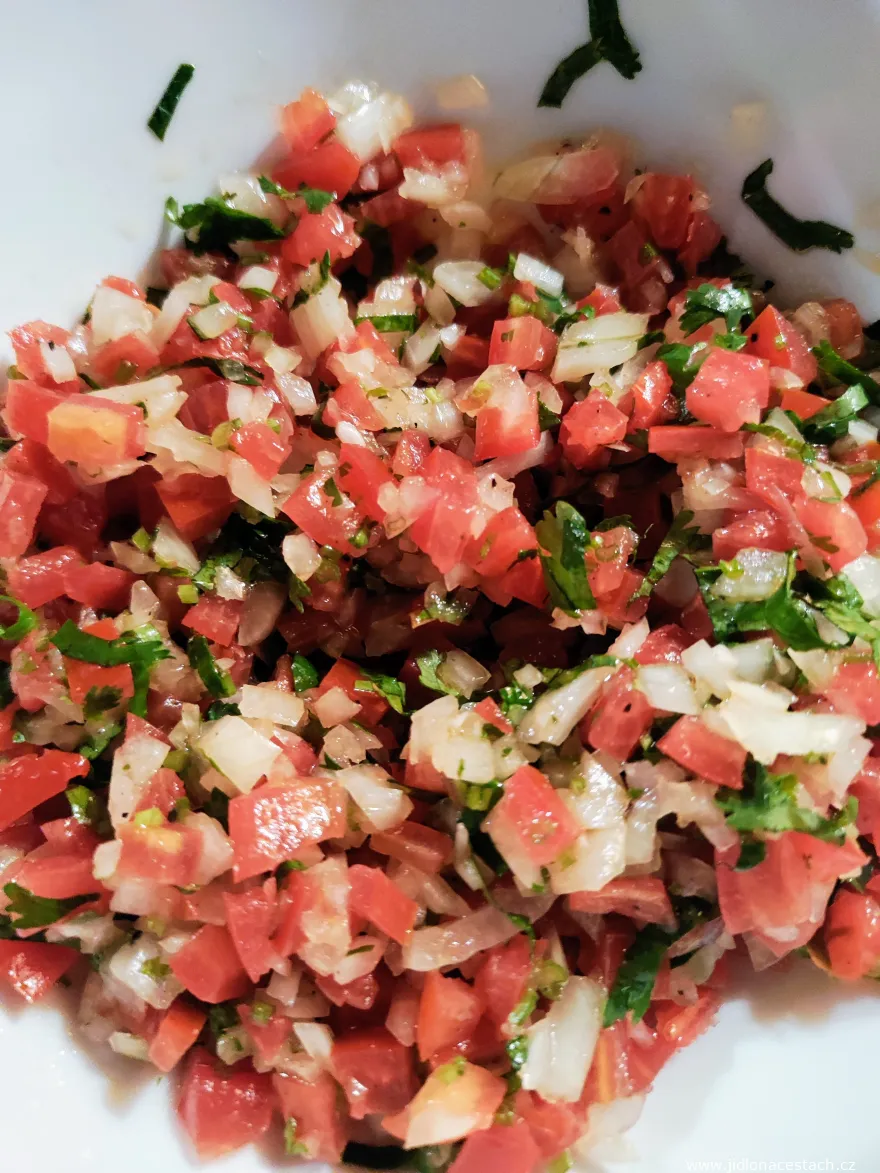
Satini Pomme d'Amour: Mauritian Tomato Chutney
In France, pomme d'amour is a candy apple from the fairground; in Mauritius it's the word for tomato. Satini pomme d'amour is a finely chopped raw chutney of tomatoes, onion, cilantro and chili that goes with almost every meal on the island - from roti to briani. Its name brings together old French and an Indian word that traveled the world.

Rasgulla: Fried Milk Balls in Syrup
In Mauritius, rasgulla is made from milk powder and deep-fried and only then bathed in cardamom syrup - and in India a ball like that would be called gulab jamun. I write about the sweet that belongs to the Indo-Mauritian Diwali, and about how a hotel dessert changed my mind about fried dough in syrup.

Mine Frit: Mauritian Fried Noodles
Mine frit are thin wheat noodles stir-fried in a wok with meat, vegetables and strips of omelet, seasoned with soy and oyster sauce. Chinese immigrants brought them to Mauritius and the island turned them into its most common dish: they are sold at stalls, in beach bistros and in restaurants. Neighboring Réunion has the same dish under the name sauté de mines.

Nam Wah Snack: A Chinese-Mauritian Bistro in Flic en Flac
Nam Wah Snack is a small Chinese-Mauritian bistro on the coastal road in Flic en Flac: a counter, a wok and a few tables under ceiling fans. Fried and boiled noodles, fried rice and bol renversé are cooked only after you order, wontons float in clear chicken broth, and the fried snacks are usually gone after two o'clock. Cash only.